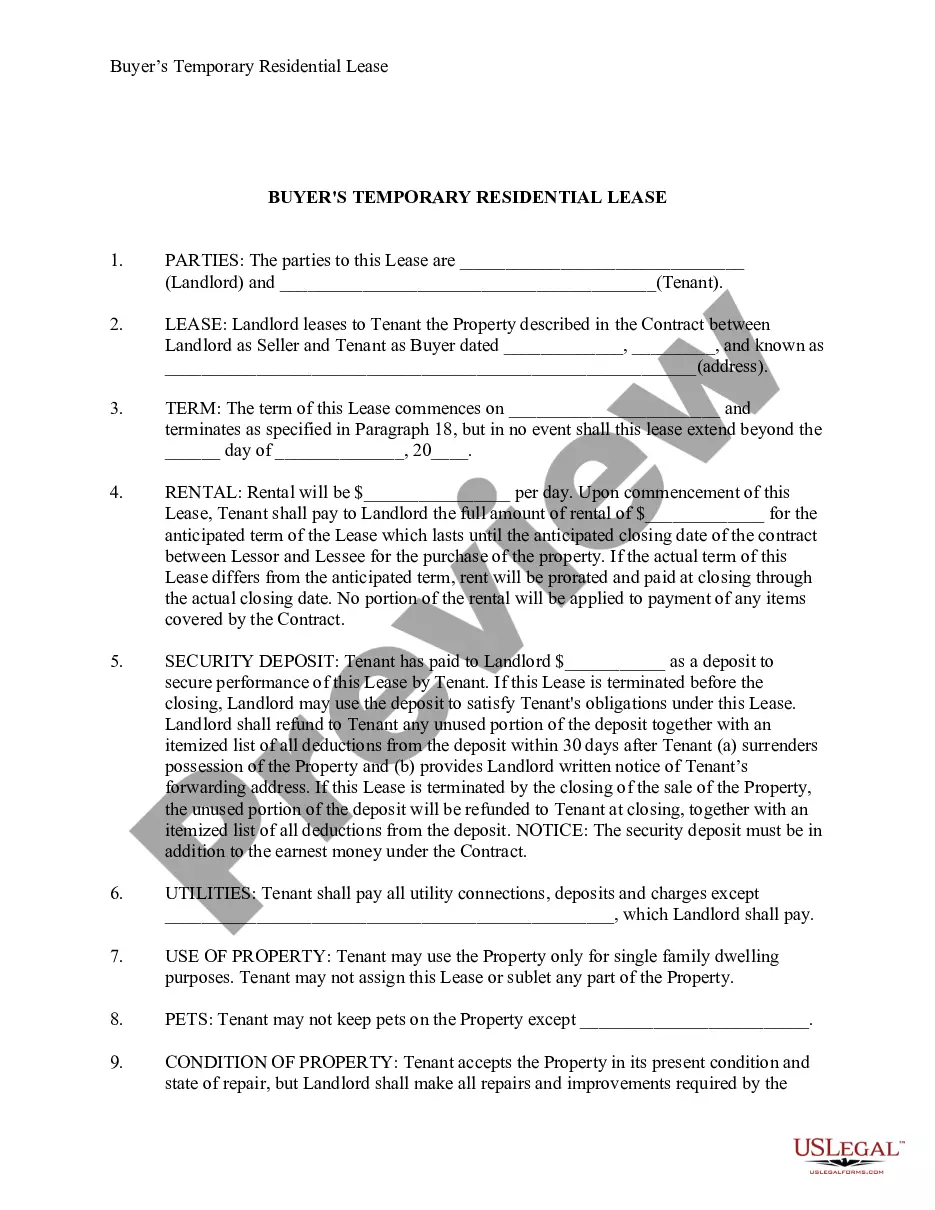
Tennessee Letter from Tenant to Landlord containing Notice to landlord to withdraw retaliatory rent increase
What is this form?
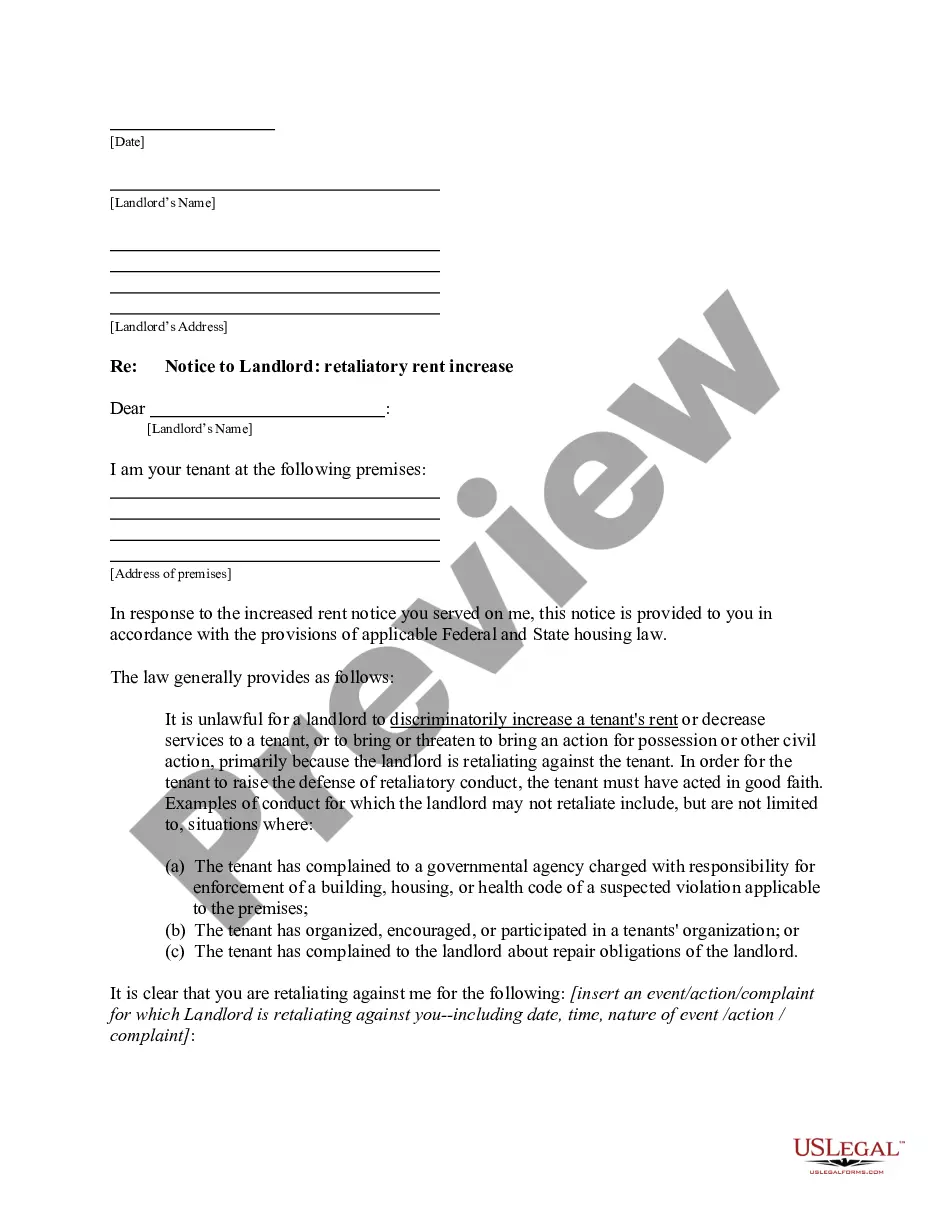
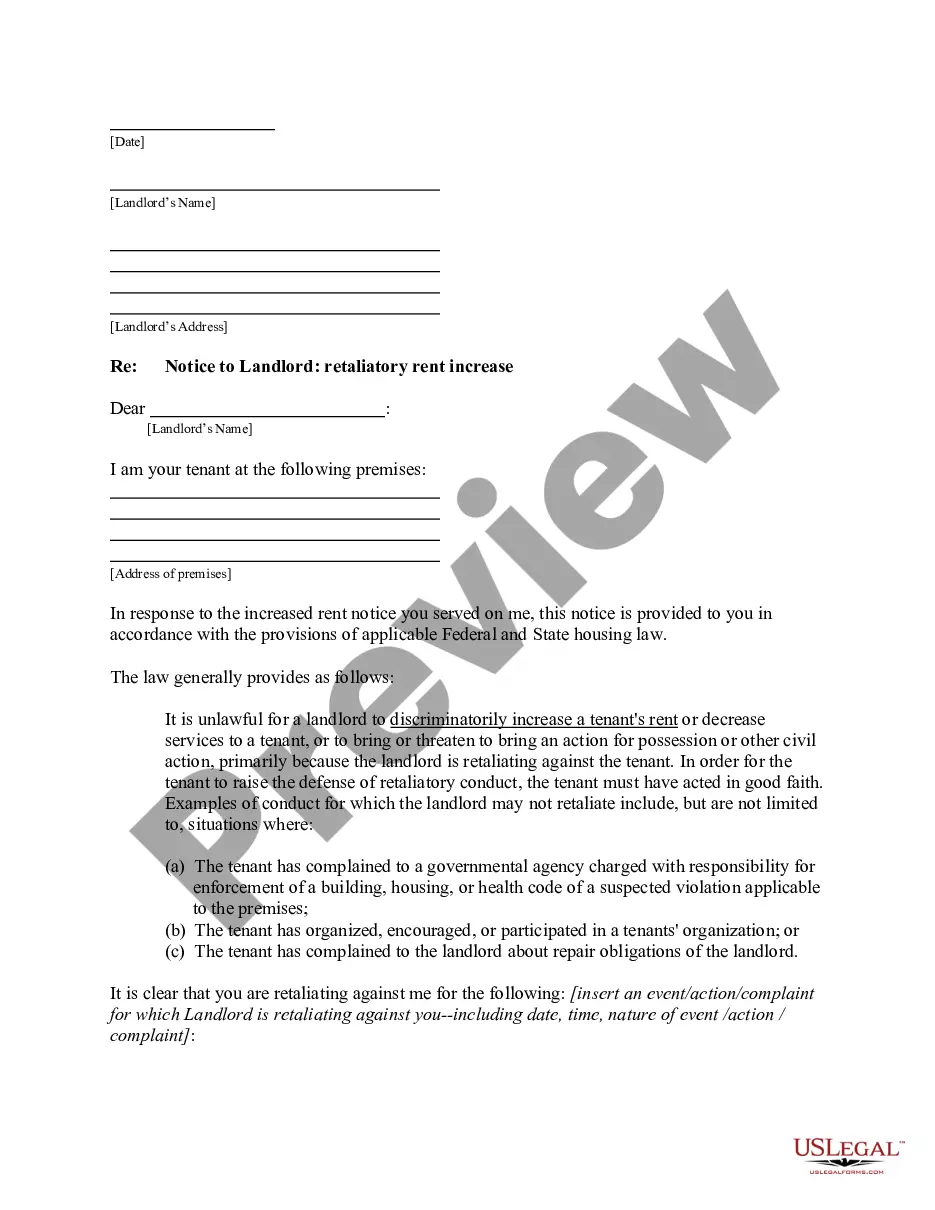
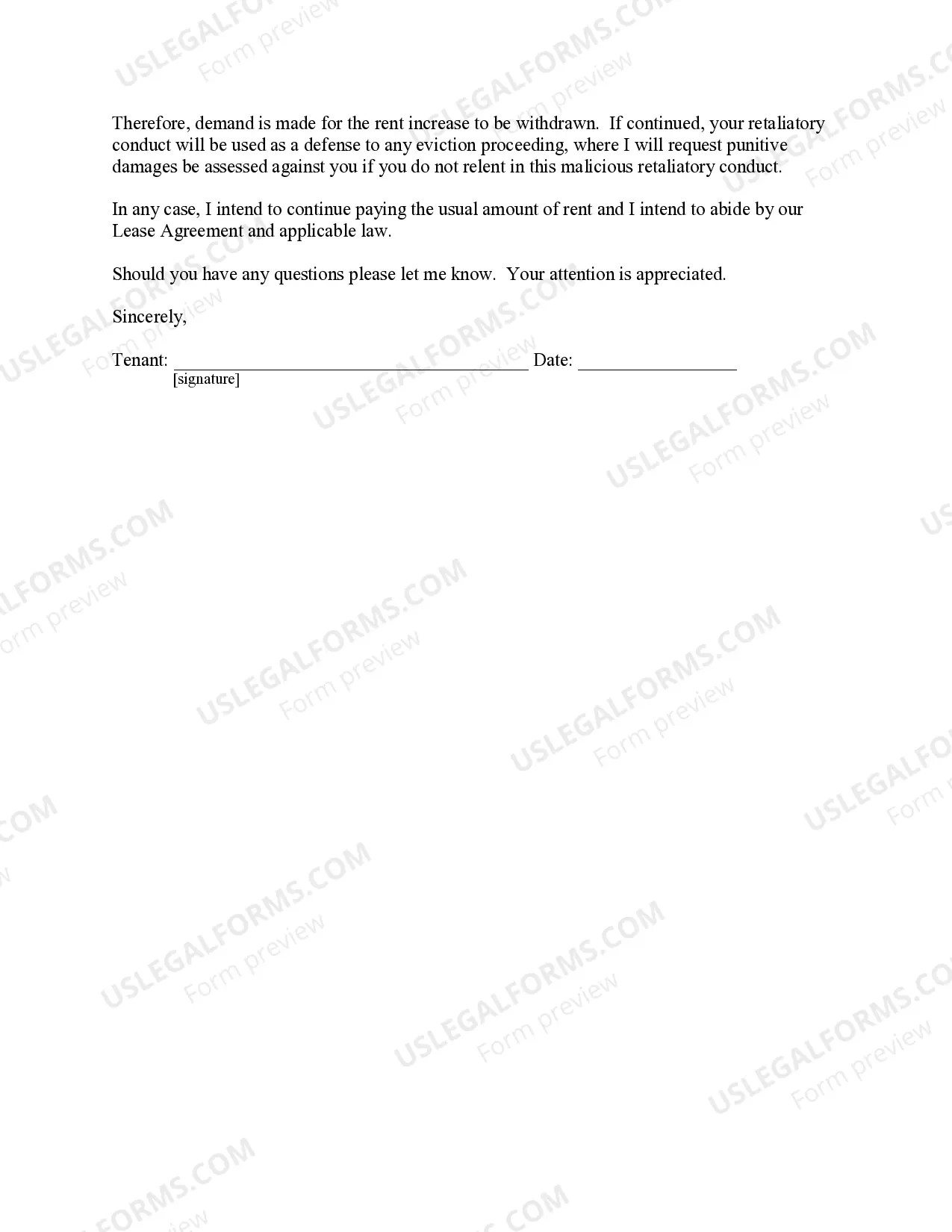
This form is a Letter from Tenant to Landlord containing Notice to Landlord to withdraw a retaliatory rent increase. It serves to formally notify the landlord that increasing the rent as a reaction to the tenant's actions is unlawful. This notice helps protect tenants against discriminatory practices, distinguishing it from other rent-related correspondence.
Key parts of this document
- Identification of the tenant and landlord
- Statement of the retaliatory rent increase
- Reference to relevant state housing laws
- Tenant's intent to continue paying the current rent
- Contact information for further communication
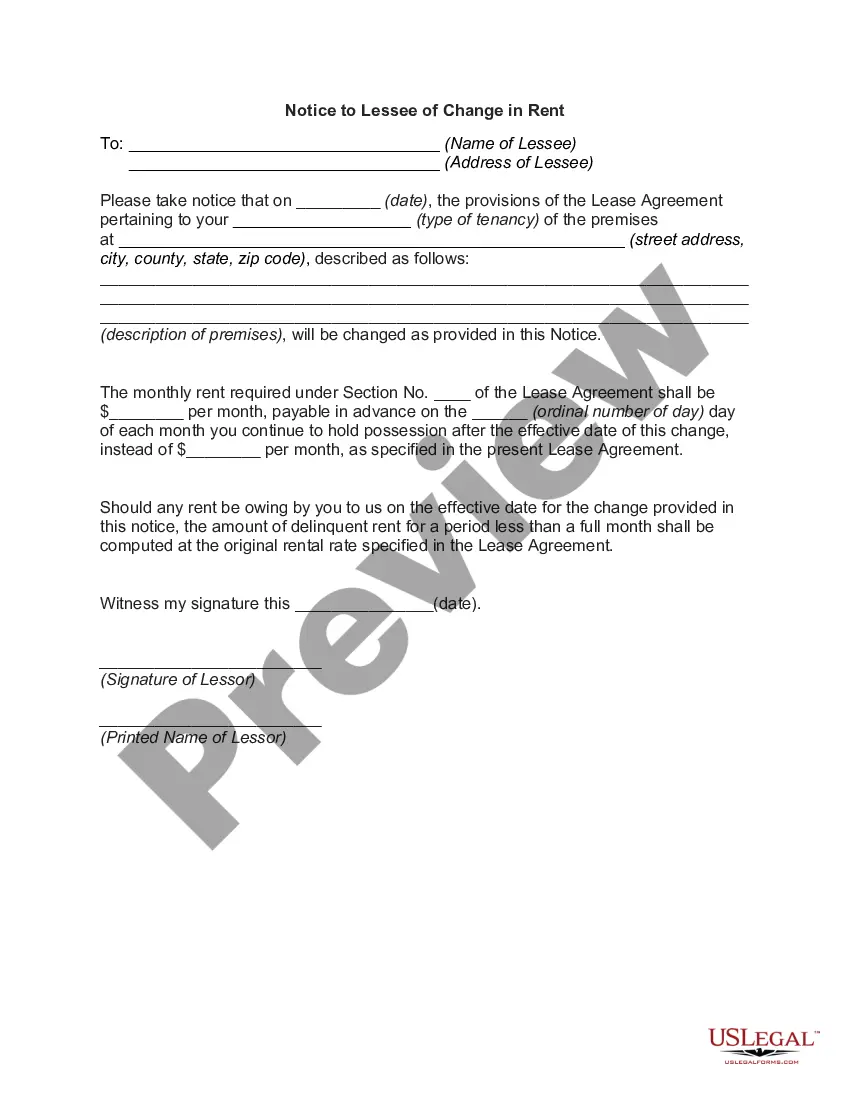

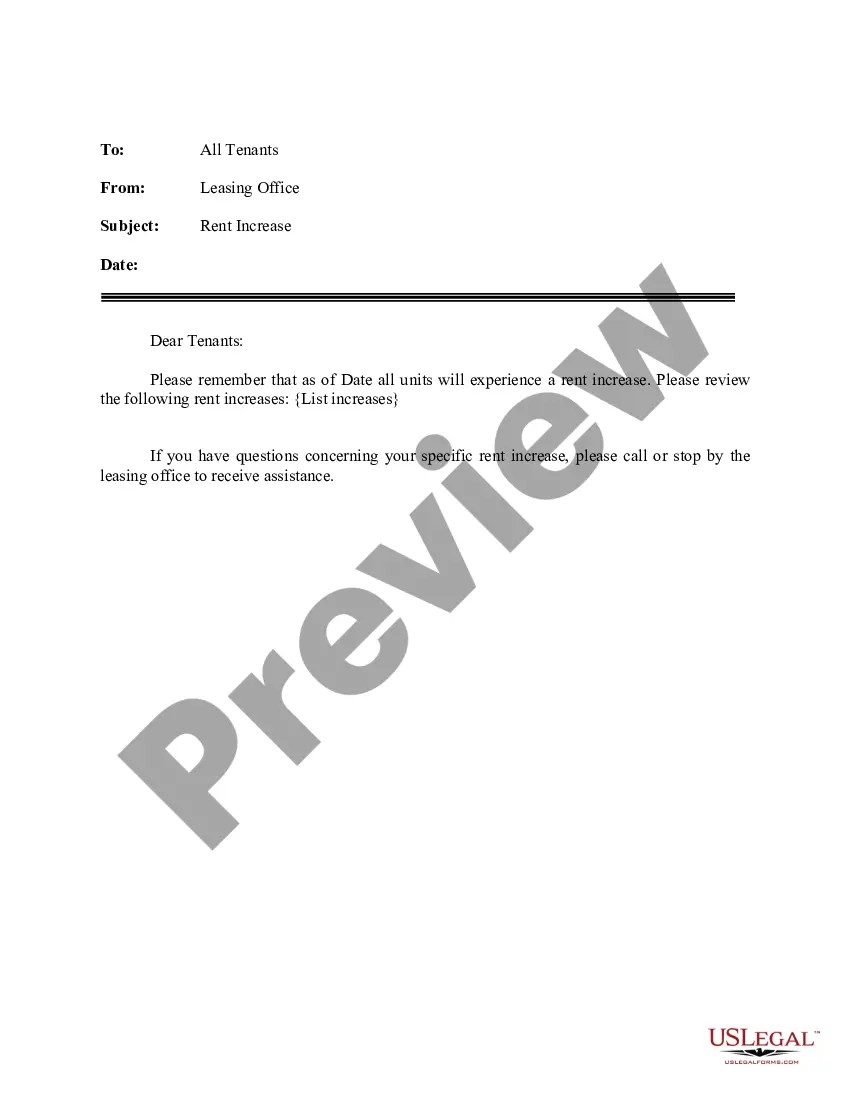

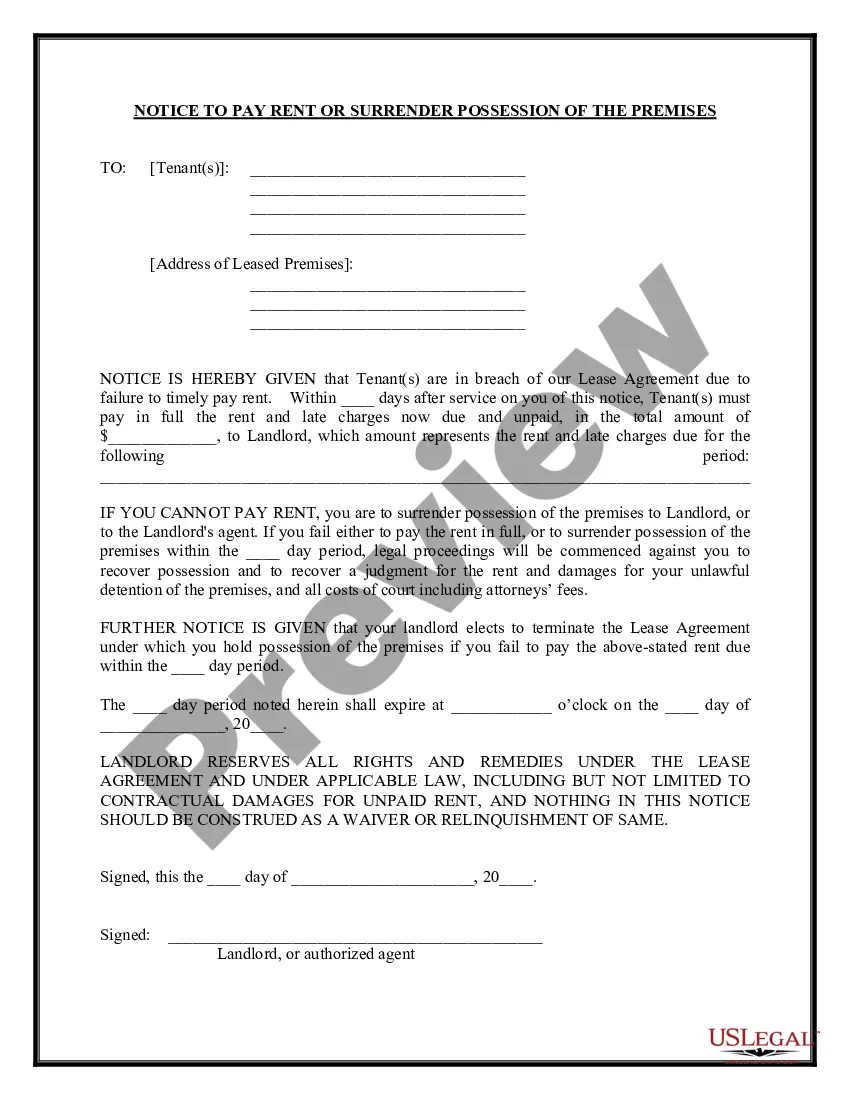
When to use this document
This form should be used if a tenant believes that their landlord has increased their rent in retaliation for the tenant exercising their rights, such as reporting maintenance issues or joining a tenants' organization. It is essential to act promptly to preserve the tenant's rights and prevent further retaliatory actions.
Who can use this document
This form is intended for:
- Tenants who have experienced a retaliatory rent increase
- Individuals who wish to formally document the issue with their landlord
- Those seeking to protect their rights under state housing laws
Instructions for completing this form
- Begin by entering your name and contact information at the top.
- Provide the landlord's name and address in the designated section.
- Clearly state the details of the retaliatory rent increase you are addressing.
- Include any relevant references to state law that applies to your situation.
- Sign and date the letter before sending it to the landlord.
Does this document require notarization?
This form does not typically require notarization unless specified by local law. Ensure you follow your stateâs guidelines regarding notarization for best practices.
Get your form ready online
Our built-in tools help you complete, sign, share, and store your documents in one place.
Make edits, fill in missing information, and update formatting in US Legal Forms—just like you would in MS Word.
Download a copy, print it, send it by email, or mail it via USPS—whatever works best for your next step.
Sign and collect signatures with our SignNow integration. Send to multiple recipients, set reminders, and more. Go Premium to unlock E-Sign.
If this form requires notarization, complete it online through a secure video call—no need to meet a notary in person or wait for an appointment.
We protect your documents and personal data by following strict security and privacy standards.

Make edits, fill in missing information, and update formatting in US Legal Forms—just like you would in MS Word.

Download a copy, print it, send it by email, or mail it via USPS—whatever works best for your next step.

Sign and collect signatures with our SignNow integration. Send to multiple recipients, set reminders, and more. Go Premium to unlock E-Sign.

If this form requires notarization, complete it online through a secure video call—no need to meet a notary in person or wait for an appointment.

We protect your documents and personal data by following strict security and privacy standards.
Mistakes to watch out for
- Failing to provide all relevant details about the retaliatory action.
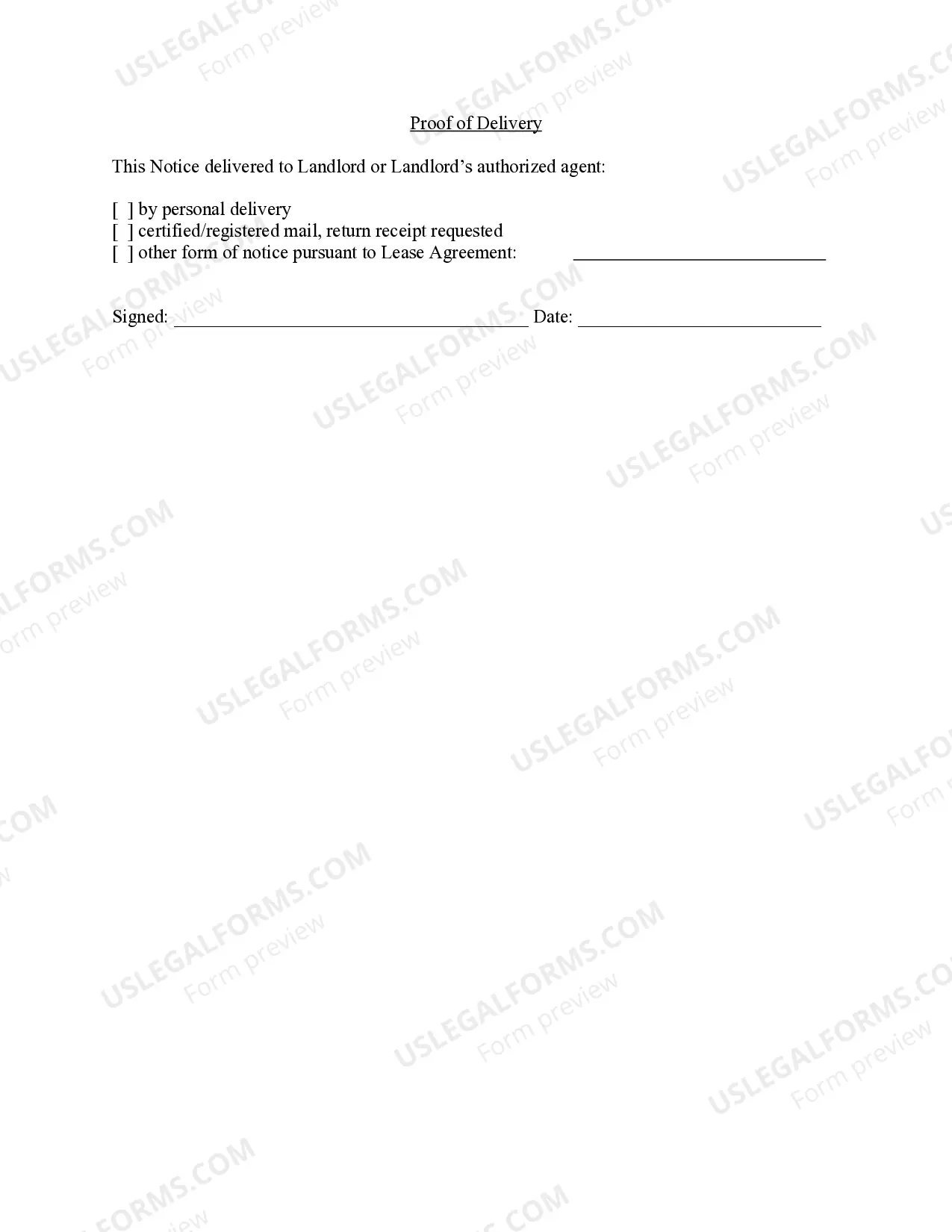
- Not sending the letter in a manner that confirms delivery (e.g., certified mail).
- Overlooking to identify specific state laws that support your claim.
Benefits of completing this form online
- Convenience of downloading and completing the form at any time.
- Editability allows for personalization to suit your situation.
- Reliability, with forms drafted by licensed attorneys to comply with legal standards.
Legal use & context
- The form acts as a legal notice to protect tenants against unlawful rent increases.
- Retaliation against tenants is prohibited under specific state housing laws.
- Proper use of this form can serve as evidence of the tenant's actions if disputes arise.
Looking for another form?


Form popularity
FAQ
Benefits of Suing Your Landlord Filing a lawsuit does have some potential advantages for tenants. Could Motivate a Landlord to Settle Outside of Court: Notifying your landlord of your intention to sue him or her could motivate your landlord to do everything in their power to avoid actually going to court.
If your landlord breaches the warranty of habitability or the warranty of quiet enjoyment, you may be able to sue her to recover monetary damages.In some states, such as California and Arizona, you may be able to seek emotional distress damages if the landlord's actions were particularly egregious.
Know your state's landlord/tenant laws. Read and respond to the court summons. Try to work out a settlement. Consider legal counsel. Show up for court. Look sharp and provide evidence.
You are responsible for: paying your rent on time, paying any late fees, keeping the place clean and safe, not letting anyone else damage it, not breaking the law, disposing of your garbage, and following your landlord's rules. If you break your lease, then it may become a legal issue.
The landlord had a duty to reasonably maintain the property; The landlord knew or should have known of the dangerous condition; The landlord breached their duty by failing to repair/fix the dangerous condition;
If you're seeking damages for emotional distress caused by a landlord's discrimination, or punitive damages for especially blatant and intentional discrimination, a lawsuit may well be your best bet. Understand what's involved in suing your landlord. You may file a lawsuit in either federal or state court.
Addresses. Date. Tenant names. Status and date of the lease. Why the eviction notice is served (clear and concise explanation) Date tenant must vacate the property. Proof of service or delivery of notice.
Notice Requirements for Tennessee Landlords A landlord can simply give you a written notice to move, allowing you 30 days as required by Tennessee law and specifying the date on which your tenancy will end.
Tennessee Landlord-Tenant Law Lease, Rent and Fees This can be prorated on a day-to-day basis pursuant to Tenn. Code Ann §66-28-201(c). Rent Increase Notice: Tennessee has no statute concerning a rent increase notice.