South Dakota Quitclaim Deed from Corporation to Individual
About this form
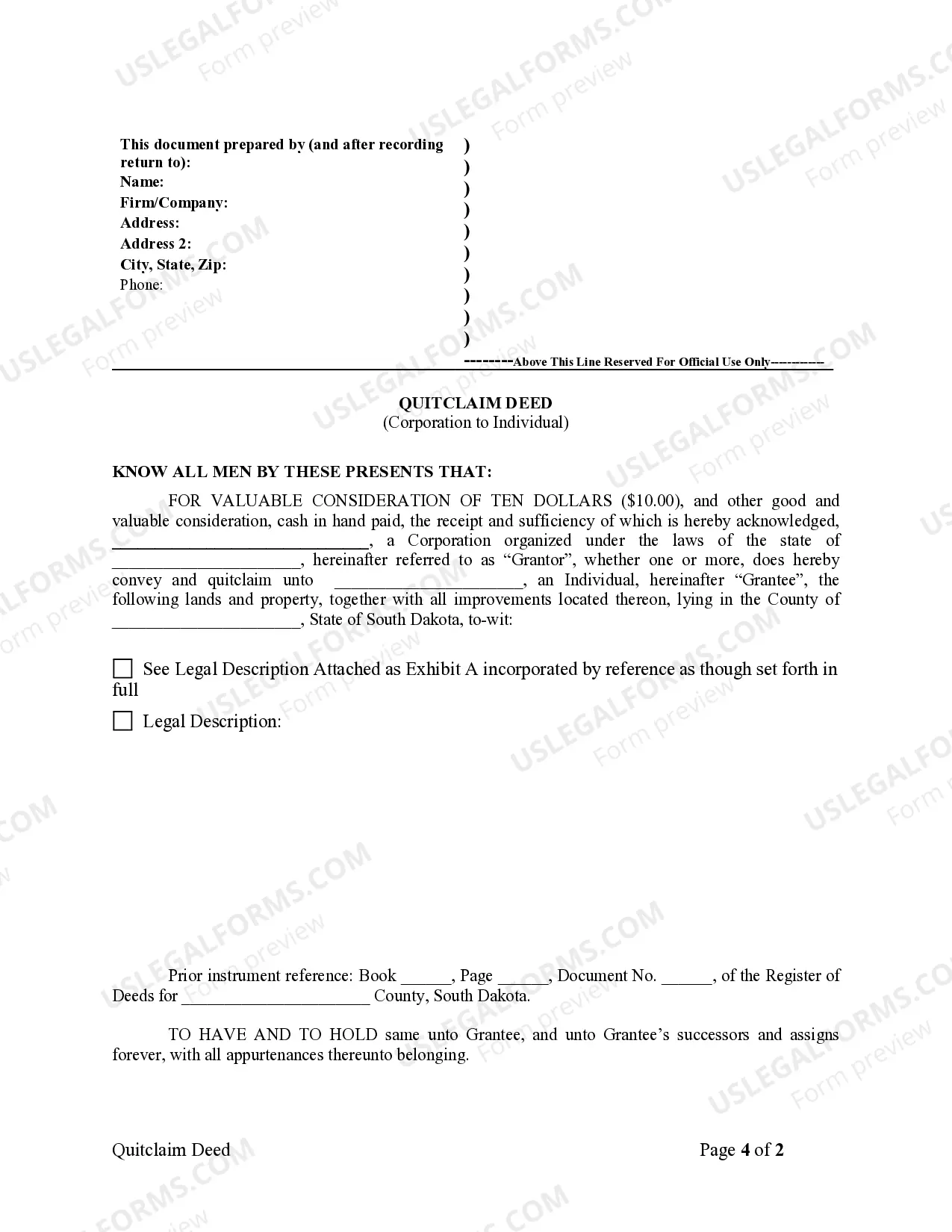
The Quitclaim Deed from Corporation to Individual is a legal document that allows a corporation to transfer its interest in a specific real estate property to an individual without making any guarantees about the title. Unlike other deeds, it does not provide any warranties or assurances regarding the propertyâs condition or ownership history. This form is specifically designed for situations where a corporate entity is relinquishing its claim to a property to an individual, making it essential for simple, quick transfers of ownership.
Key parts of this document
- Grantor and Grantee Information: Identifies the corporation as the grantor and the individual as the grantee.
- Property Description: A description of the property being transferred.
- Date of Transfer: The date when the transfer will take effect.
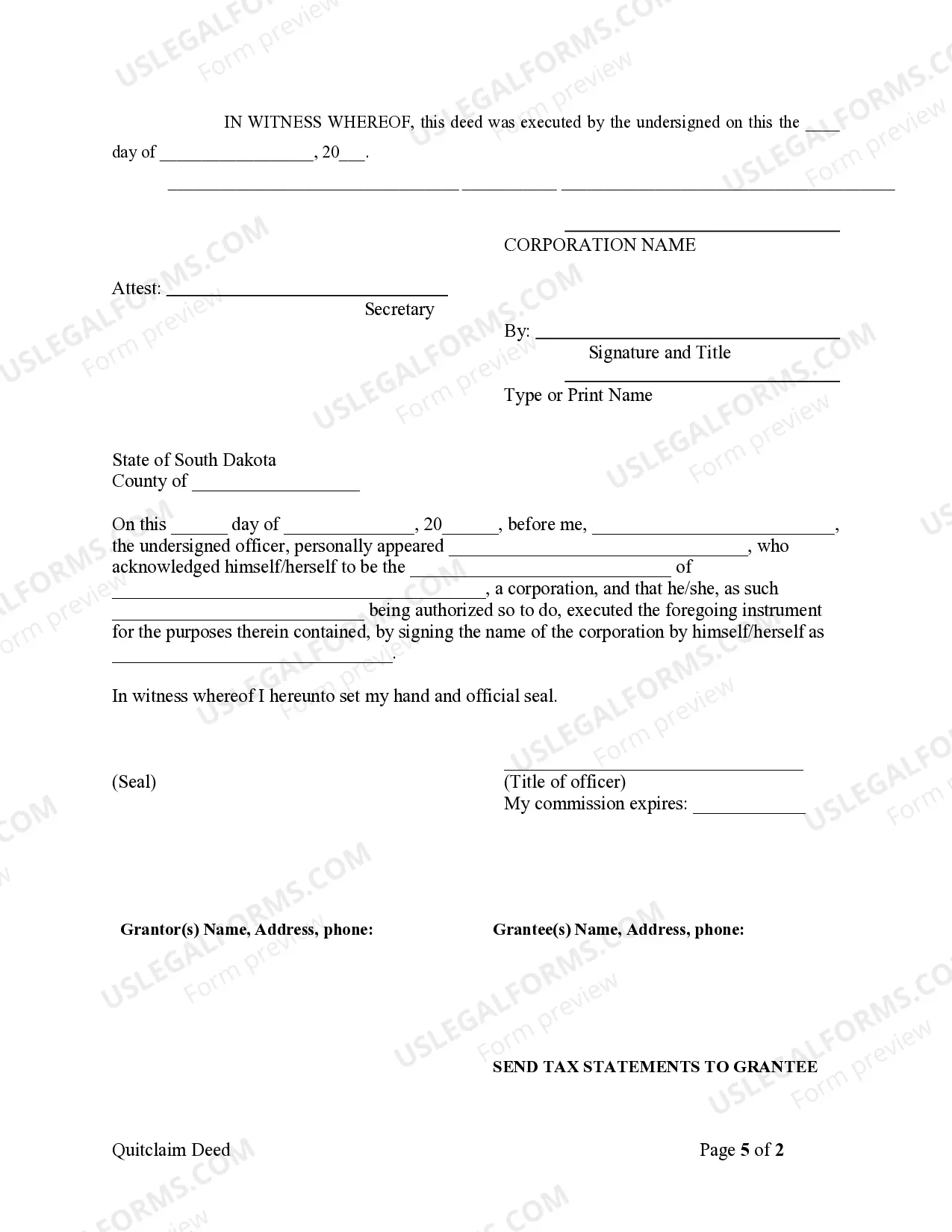
- Signature Lines: Required signatures from authorized representatives of the corporation and the grantee.
- Exhibit A: Reference to a legal description of the property.





Situations where this form applies
This form is useful in scenarios where a corporation wishes to transfer property ownership to an individual without involving a sale or a formal closing process. Common situations include business restructuring, property donations to employees, or simply relinquishing a non-essential asset. It is a straightforward way to facilitate the transfer of property rights with minimal legal complexity.
Who should use this form
- Corporations looking to transfer property to an individual.
- Individuals receiving property from a corporate entity.
- Legal representatives managing asset transfers for corporations.
- Real estate professionals assisting corporate clients in property transactions.
How to complete this form
- Identify the grantor and grantee by entering the corporation's name and the individualâs full name.
- Provide a detailed description of the property being transferred.
- Enter the date of the transaction.
- Obtain the necessary signatures from the corporation's authorized representative and the grantee.
- Attach any required documents, such as the legal description of the property mentioned in Exhibit A.
Notarization guidance
This form does not typically require notarization unless specified by local law. Always check jurisdiction requirements to ensure compliance and validity of the deed.
Get your form ready online
Our built-in tools help you complete, sign, share, and store your documents in one place.
Make edits, fill in missing information, and update formatting in US Legal Forms—just like you would in MS Word.
Download a copy, print it, send it by email, or mail it via USPS—whatever works best for your next step.
Sign and collect signatures with our SignNow integration. Send to multiple recipients, set reminders, and more. Go Premium to unlock E-Sign.
If this form requires notarization, complete it online through a secure video call—no need to meet a notary in person or wait for an appointment.
We protect your documents and personal data by following strict security and privacy standards.

Make edits, fill in missing information, and update formatting in US Legal Forms—just like you would in MS Word.

Download a copy, print it, send it by email, or mail it via USPS—whatever works best for your next step.

Sign and collect signatures with our SignNow integration. Send to multiple recipients, set reminders, and more. Go Premium to unlock E-Sign.

If this form requires notarization, complete it online through a secure video call—no need to meet a notary in person or wait for an appointment.

We protect your documents and personal data by following strict security and privacy standards.
Typical mistakes to avoid
- Failing to properly identify the grantor and grantee, which could lead to confusion in property ownership.
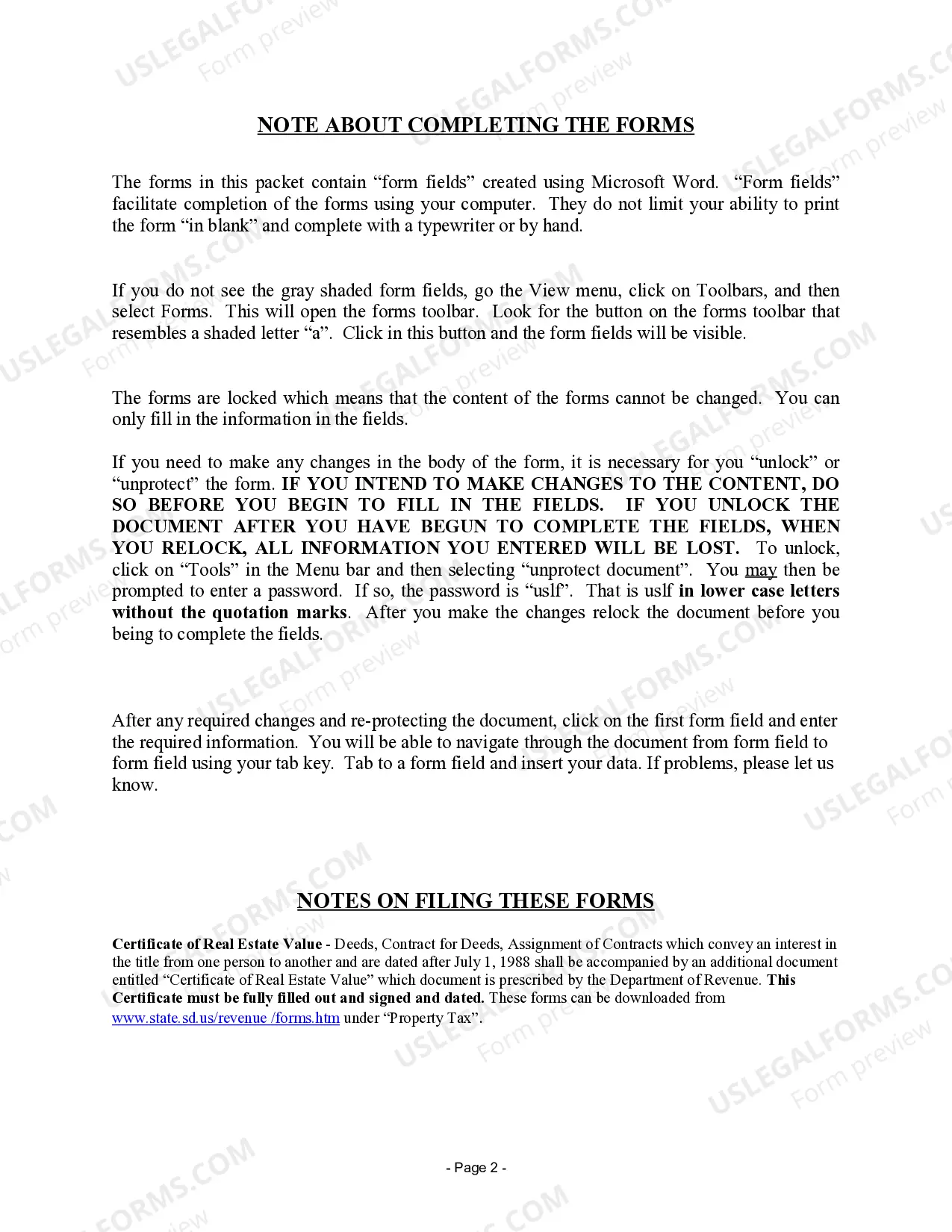
- Omitting the legal description of the property, which is crucial for accurate title transfer.
- Not having the appropriate signatures from corporate representatives, which may render the deed invalid.
- Neglecting to check local filing requirements after completion of the form.
Advantages of online completion
- Convenience: Easily download the form in your preferred format from any device.
- Editability: Fill in the form electronically for clear and legible information.
- Reliability: Ensure compliance with current legal standards as the forms are drafted by licensed attorneys.
- Time-saving: Avoid delays associated with traditional paper-based formats.
Legal use & context
- Used to transfer property without warranties, which can expedite transactions.
- Legally binding upon proper execution and recording.
- Does not guarantee clear title; it simply transfers interest as it exists.
What to keep in mind
- A Quitclaim Deed transfers property ownership without warranties.
- It is primarily used in straightforward property transfers from corporations to individuals.
- Ensure to complete and file the deed according to local regulations.
Looking for another form?

Form popularity
FAQ
Quitclaim deeds are most often used to transfer property between family members.Examples include when an owner gets married and wants to add a spouse's name to the title or deed, or when the owners divorce and one spouse's name is removed from the title or deed.
Step 1: Download the SD quitclaim deed form. Step 2: List information about the grantor, who is the person selling or giving away the property. Step 3: List information about the grantee, the person receiving the property.
A person who signs a quitclaim deed to transfer property they do not own results in no title at all being transferred since there is no actual ownership interest. The quitclaim deed only transfers the type of title you own.
But you might be wondering if an owner can transfer a deed to another person without a real estate lawyer. The answer is yes. Parties to a transaction are always free to prepare their own deeds.A quitclaim deed, for example, is far simpler than a warranty deed.
The drawback, quite simply, is that quitclaim deeds offer the grantee/recipient no protection or guarantees whatsoever about the property or their ownership of it. Maybe the grantor did not own the property at all, or maybe they only had partial ownership.
Once you sign a quitclaim deed and it has been filed and recorded with the County Clerks Office, the title has been officially transferred and cannot be easily reversed. In order to reverse this type of transfer, it would require your spouse to cooperate and assist in adding your name back to the title.
Quitclaim deeds are most often used to transfer property between family members. Examples include when an owner gets married and wants to add a spouse's name to the title or deed, or when the owners get divorced and one spouse's name is removed from the title or deed.
Transfer property quickly and easily using this simple legal form. You can use a quitclaim deed to:transfer property you own by yourself into co-ownership with someone else. change the way owners hold title to the property.
Yes, you can use a Quitclaim Deed to transfer a gift of property to someone. You must still include consideration when filing your Quitclaim Deed with the County Recorder's Office to show that title has been transferred, so you would use $10.00 as the consideration for the property.