What is Probate?
Probate refers to the legal process of validating a will and administering an estate. It typically involves various documents to ensure proper distribution of assets. Explore state-specific templates for your needs.
Probate involves managing a deceased person's estate. Attorney-drafted templates make the process quick and straightforward.

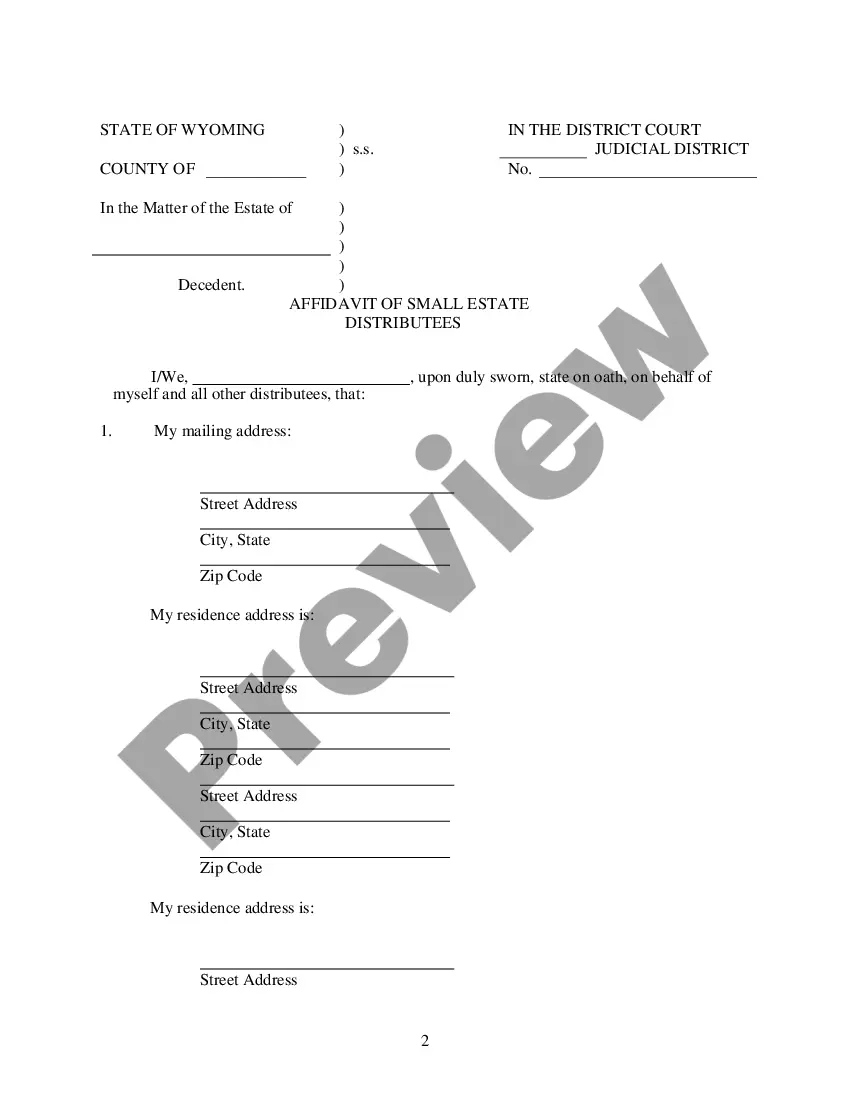
Use this affidavit to validate claims to a decedent's estate valued under $200,000 without going through probate.
File to claim assets from a small estate when no personal representative is needed.
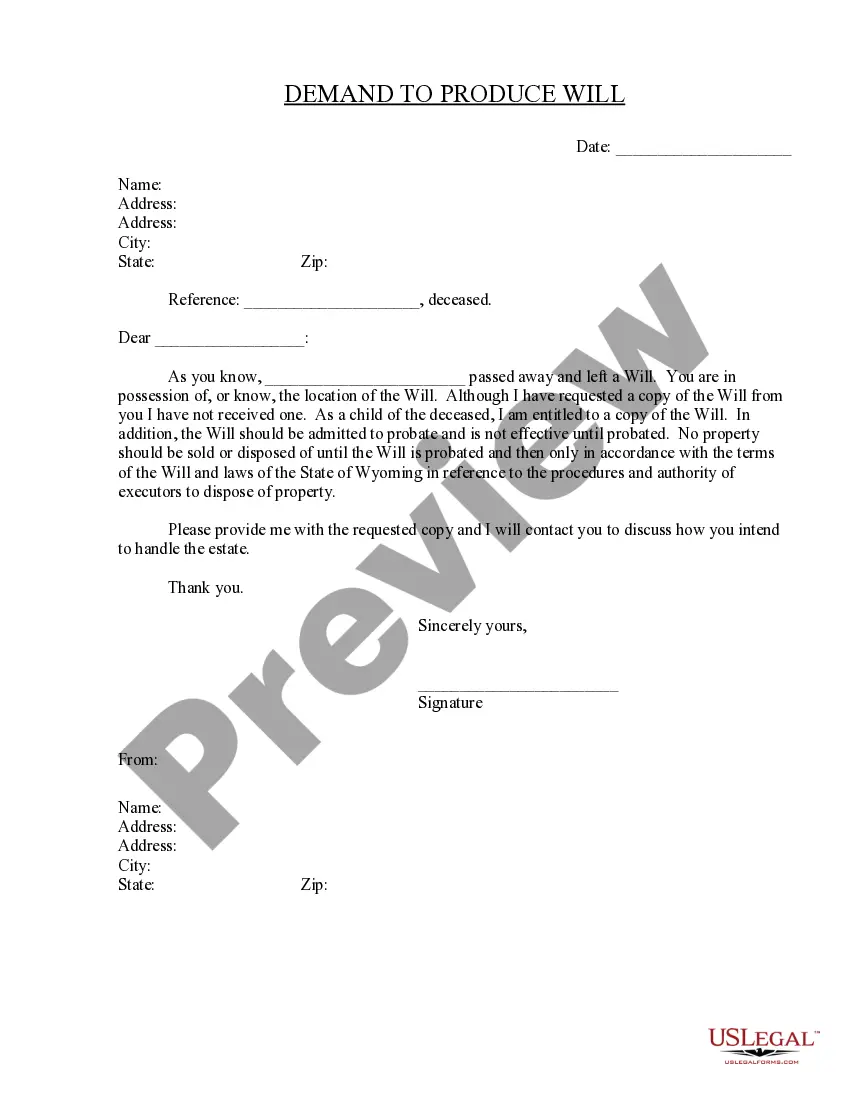
Request a copy of a deceased person's Will to understand estate proceedings and your entitlements.
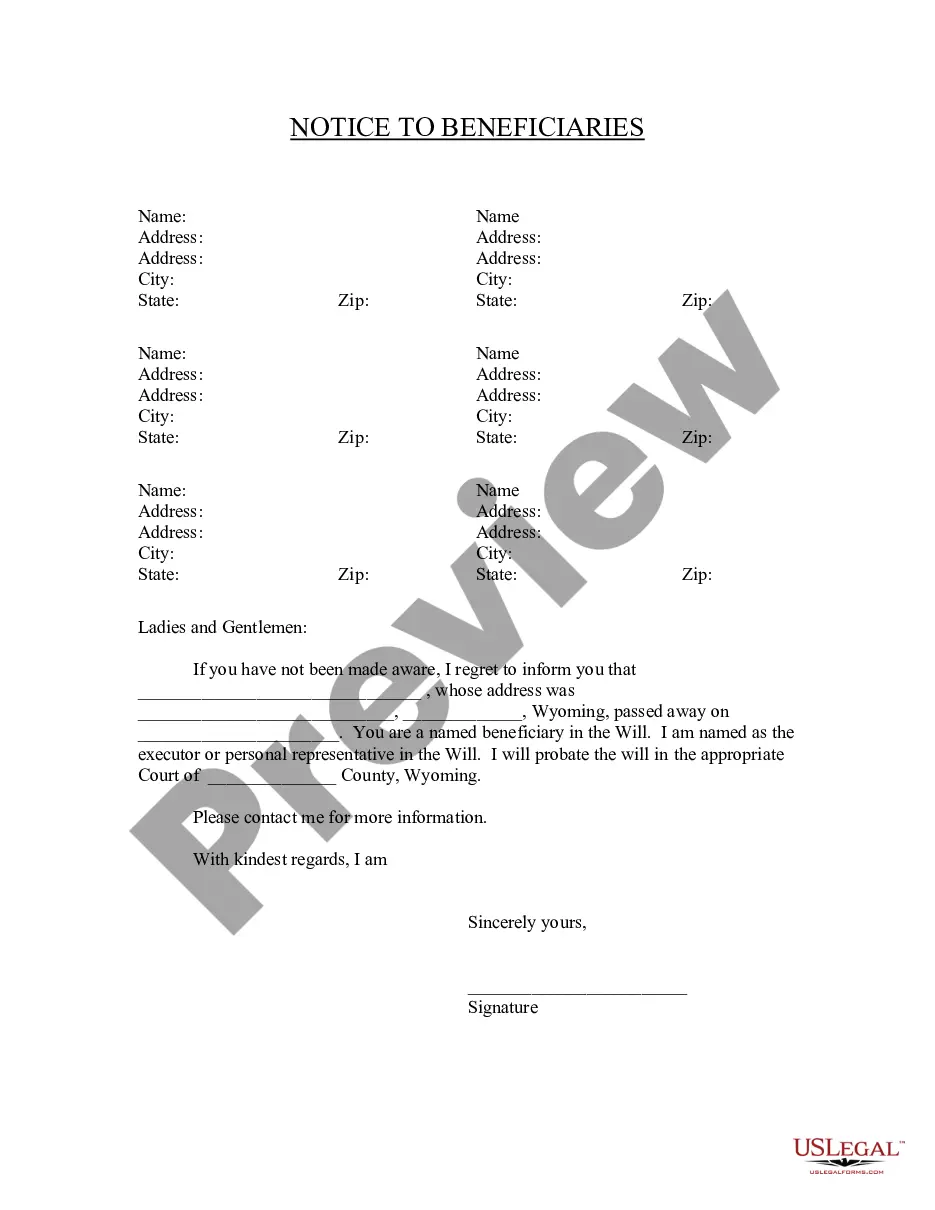
Notify beneficiaries about their status in a deceased person's will, ensuring they receive important information regarding their inheritance.
Claim child support reductions when the noncustodial parent has physical custody for extended periods.
Respond to objections regarding a claim for abatement to protect your rights during dispute resolution.
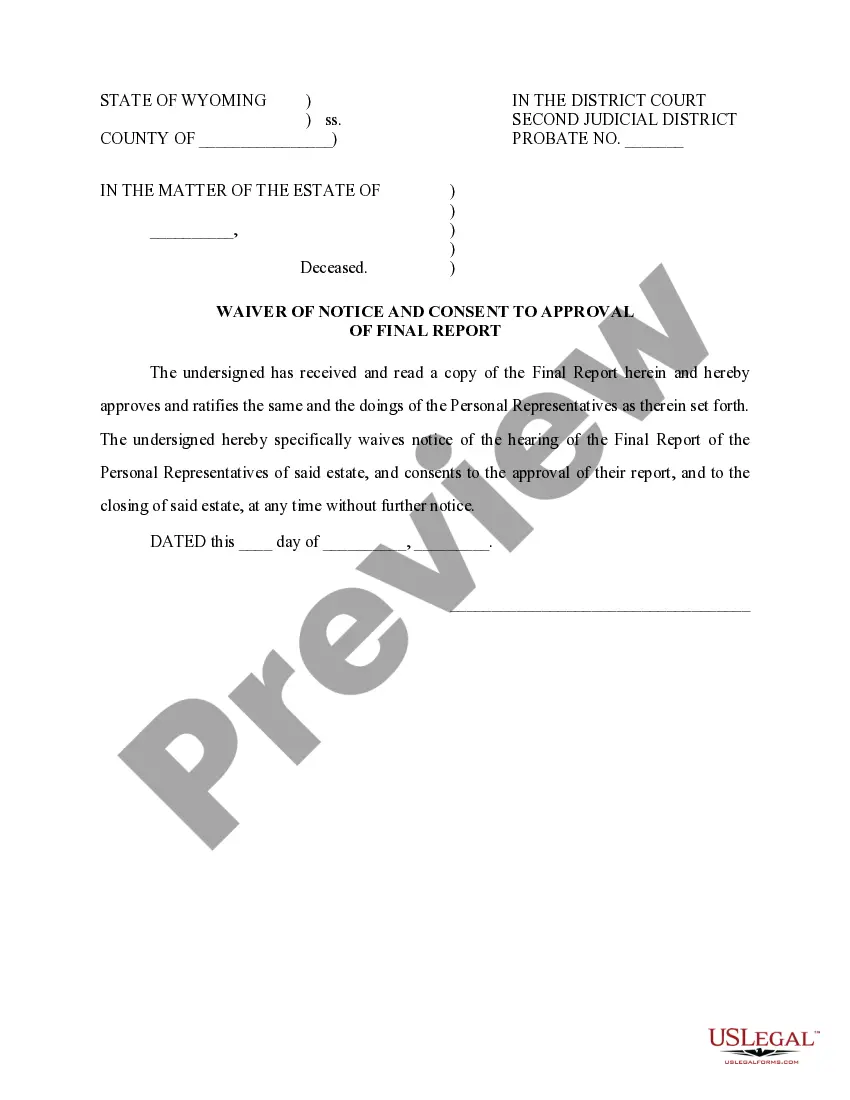
Easily approve a personal representative's final report and waive notice of a hearing, streamlining the estate closing process.
Keep track of a conservatorship's activities and financial status with this essential report, ensuring compliance with legal requirements and protection for the individual under care.
Document the current status and care of a person under guardianship, ensuring compliance with court requirements.
Request a reduction in child support due to changes in circumstances, ensuring fair financial obligations are met.
Probate is necessary for distributing a deceased person's assets.
Not all assets go through probate, such as joint accounts or life insurance.
The probate process typically requires court approval at various stages.
Creditors must be notified during probate to settle debts.
Probate can take several months to complete, depending on the estate's complexity.
Begin your probate journey with these simple steps.
A trust can help manage assets during your lifetime, while a will handles distribution after death.
If no action is taken, the court will appoint a representative to manage the estate.
Review your estate plan every few years or after significant life events.
Beneficiary designations can override your will, ensuring assets go directly to named individuals.
Yes, you can designate separate individuals for financial and healthcare decisions.