What is Probate?
Probate refers to the legal process of settling an estate after someone passes away. This often involves validating a will and distributing assets. Explore our state-specific templates for efficient management.
Probate involves managing a deceased person's estate. Attorney-drafted templates make the process quick and straightforward.

Used to claim assets in small estates valued under $15,000 without going through probate, ensuring a smoother transfer for heirs.
Request a copy of a deceased person's will, essential for estate management and understanding inheritance rights.
Need temporary authority for a person's care? This document enables you to appoint a temporary guardian for someone in urgent need of support.
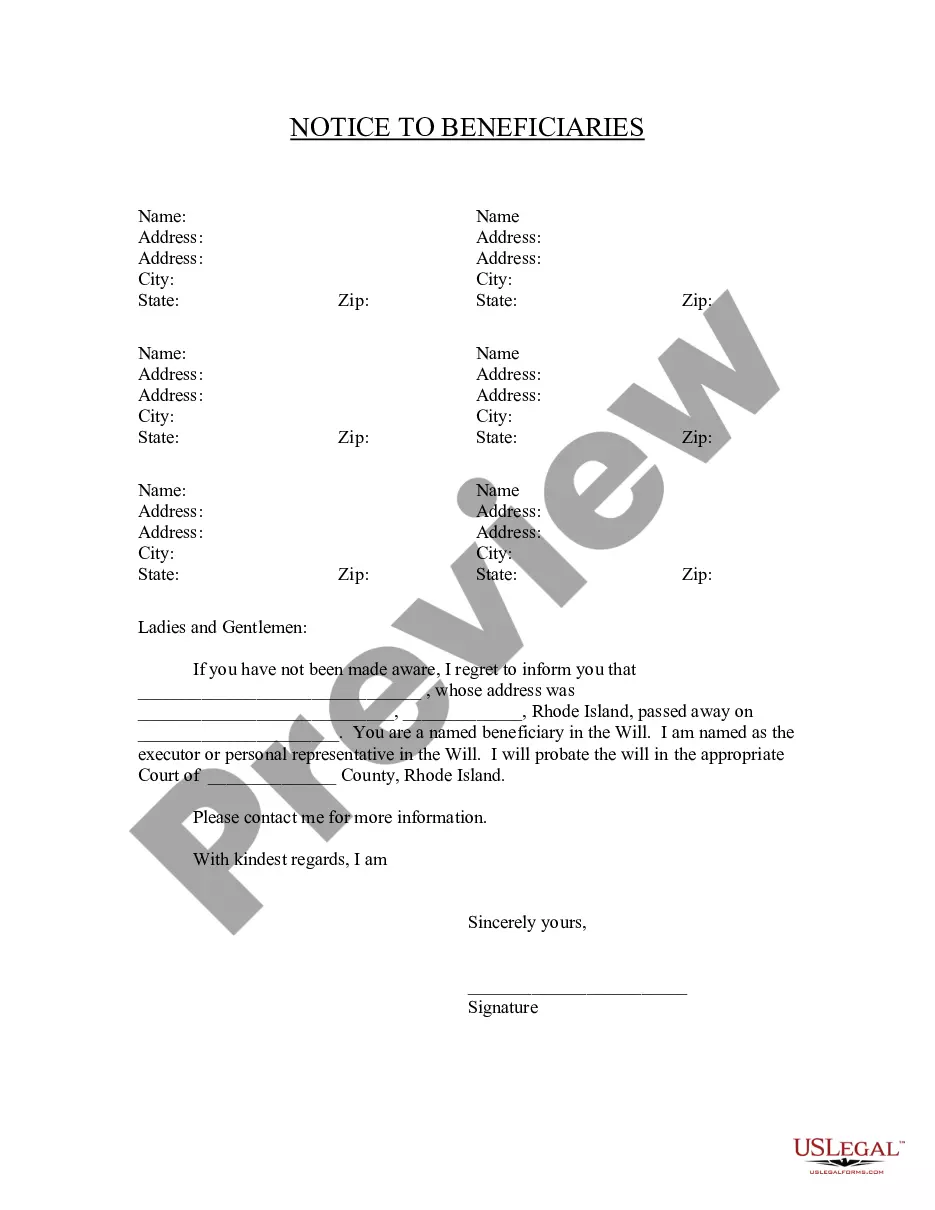
Notify beneficiaries named in a will about their status and provide essential details for next steps.
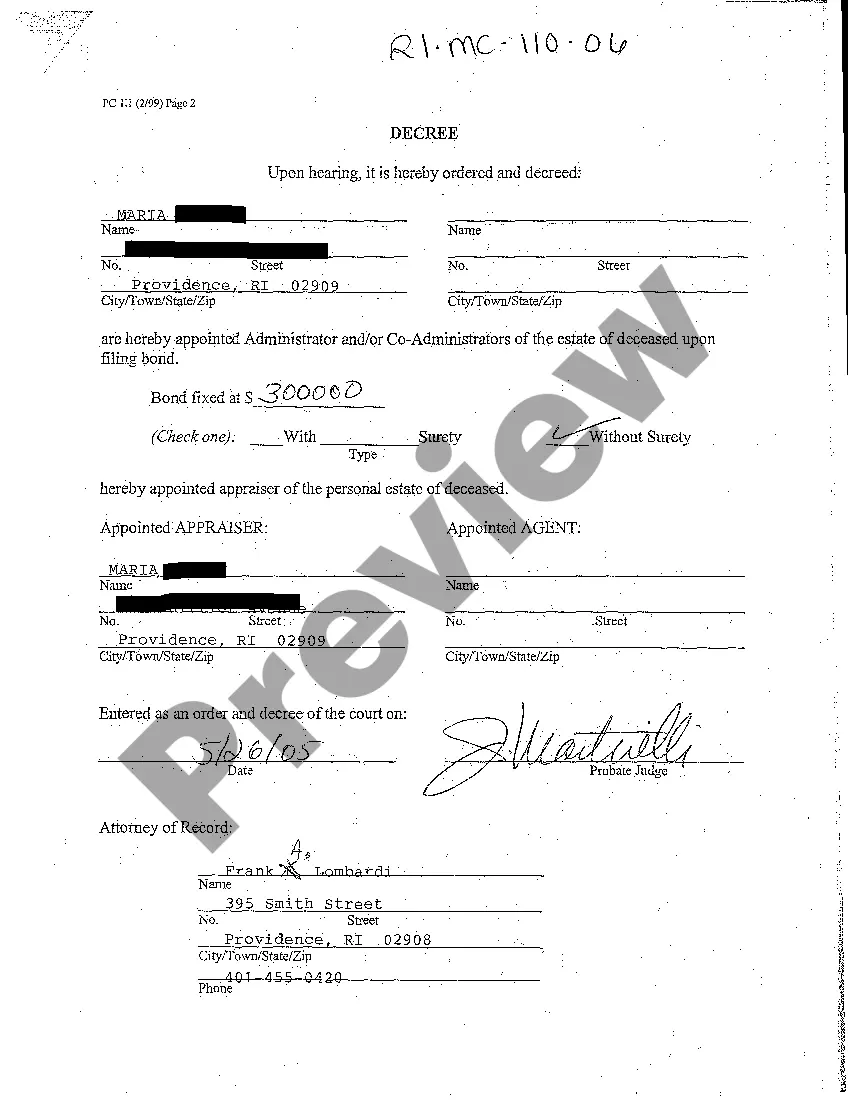
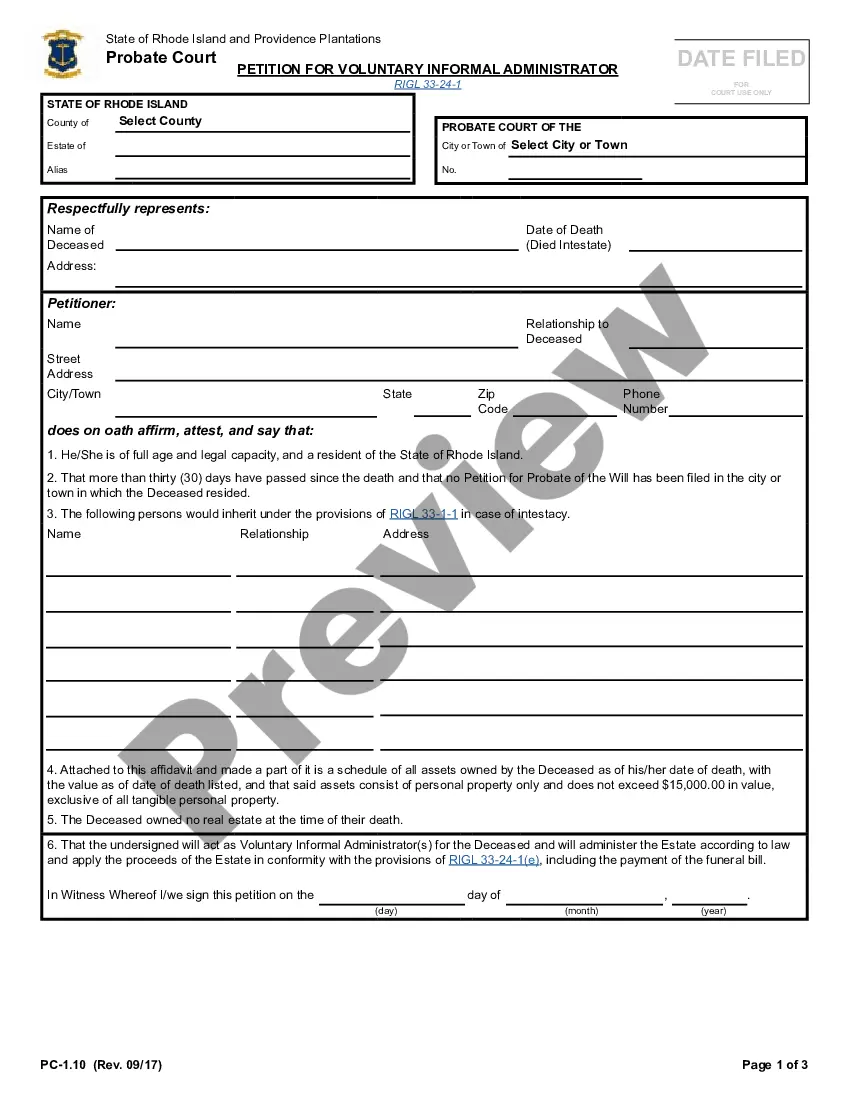
Use this petition to request court approval for appointing an administrator to a deceased person's estate.
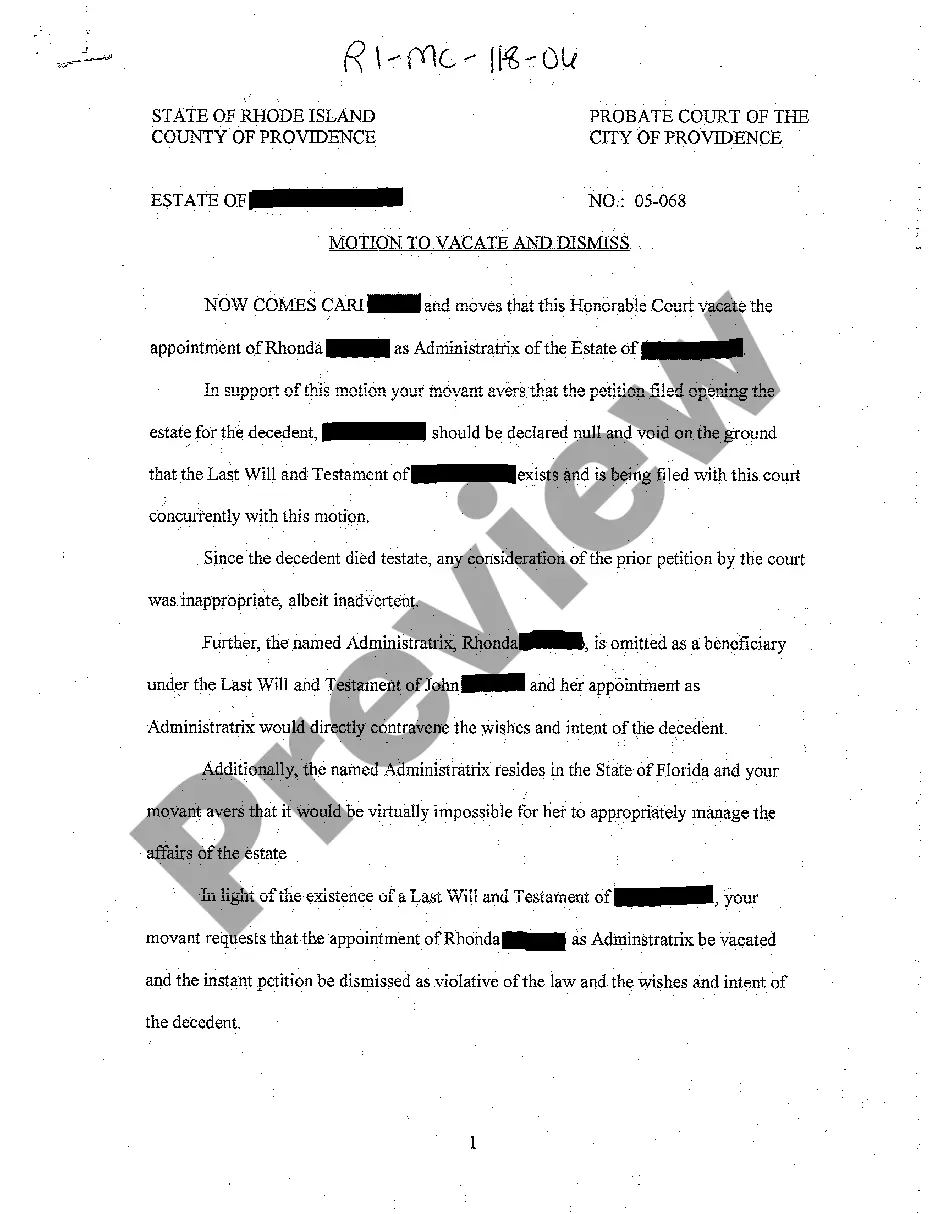
Use this to request a commissioner’s appointment for managing a solvent estate, ensuring proper administration of assets.
Probate is necessary to validate a will in most cases.
Not all assets go through probate; some can transfer directly.
Probate can take several months or longer, depending on complexity.
All debts and taxes must be settled before estate distribution.
Probate records are typically public documents.
Begin quickly with these simple steps.
A trust can provide benefits like avoiding probate, but a will is still essential.
If no will exists, state laws determine asset distribution, which may not reflect your wishes.
It's wise to review your estate plan every few years or after major life events.
Beneficiary designations override wills for designated assets, so ensure they align.
Yes, you can appoint separate agents for financial and medical matters.