What is Probate?
Probate is the legal process for validating a will and distributing assets. These documents help manage estate administration. Explore state-specific templates for your needs.
Probate involves validating wills and settling estates. Our attorney-drafted templates are quick and easy to use.

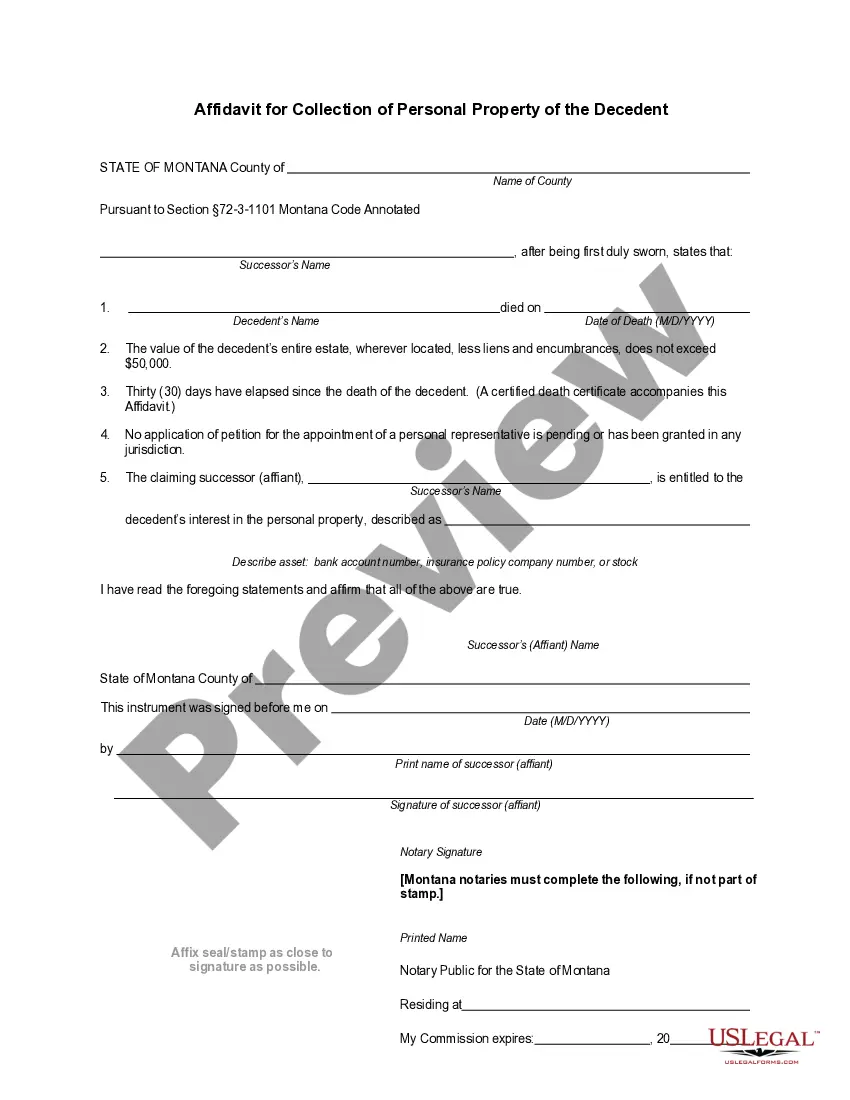
Handle small estates under $50,000 smoothly without formal probate proceedings. Ideal for heirs or successors seeking to claim property.
Navigate the estate administration process for small estates efficiently with this package of essential legal forms.
Request a copy of a deceased person's Will to ensure your rights as an heir are protected.
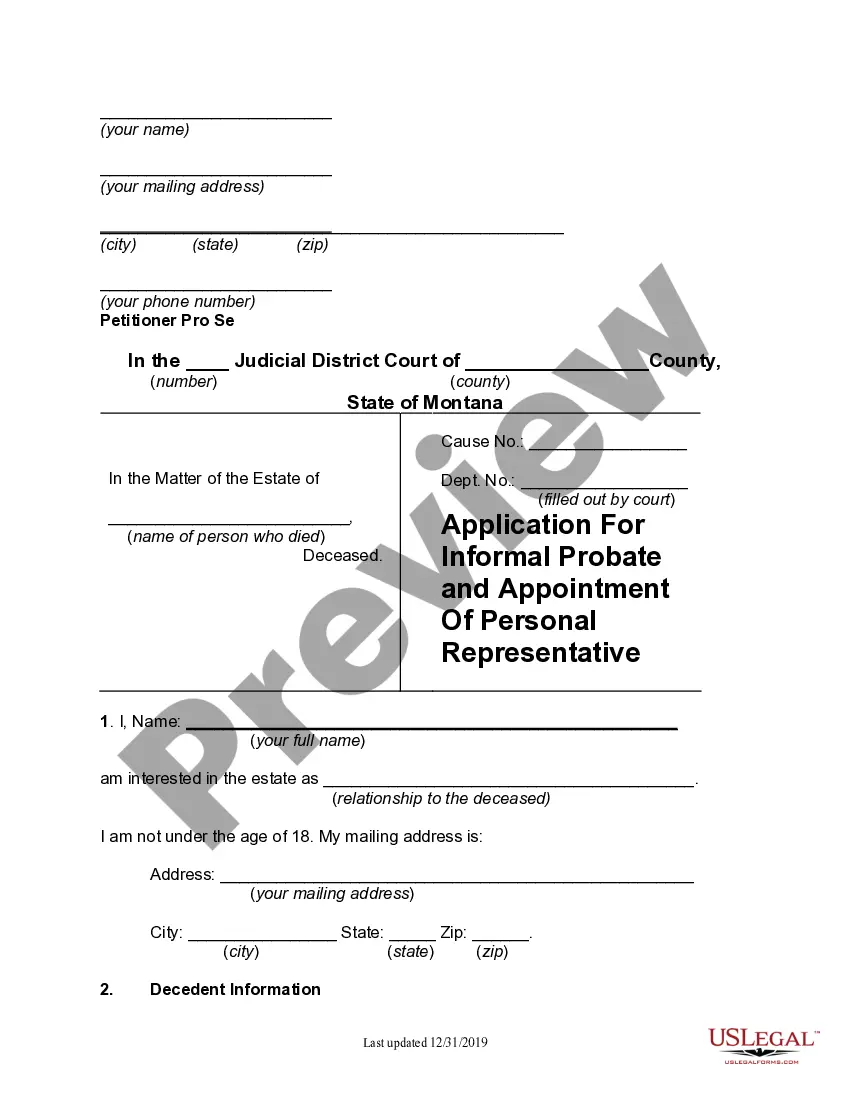
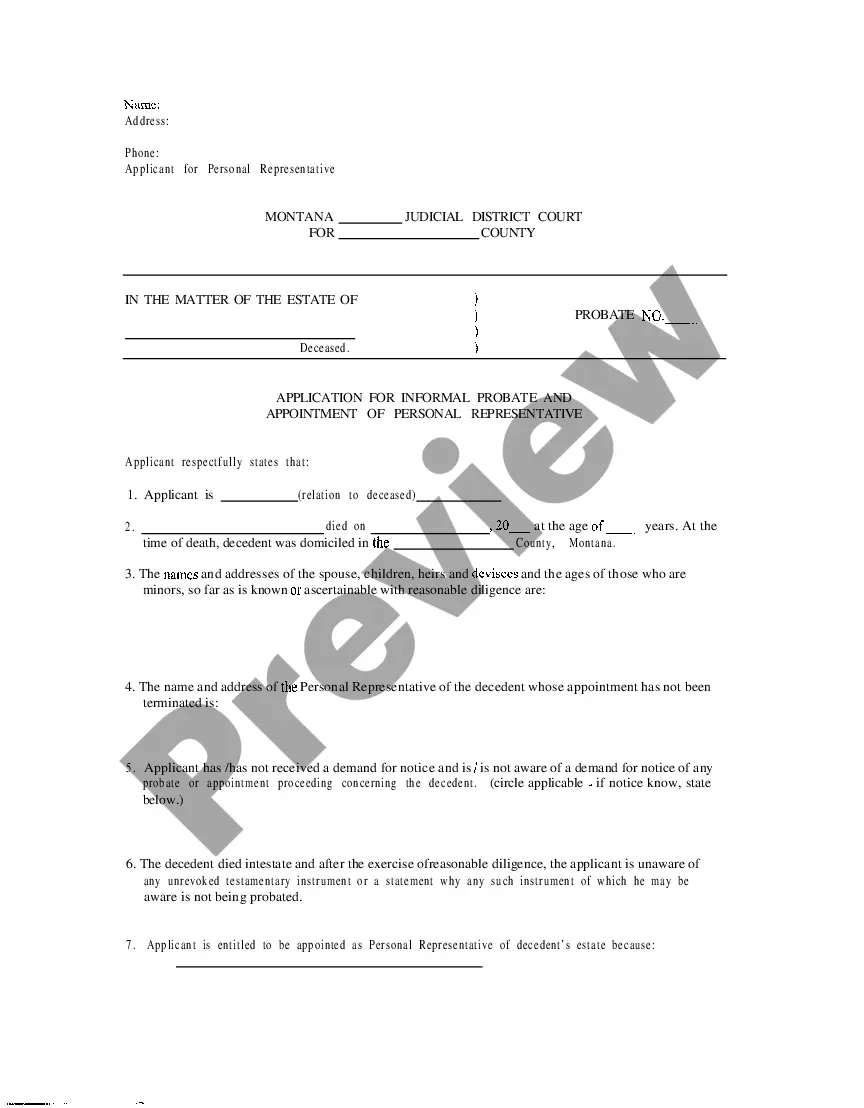
Use this application to initiate informal probate and appoint a personal representative for an estate without a formal court proceeding.
Use this application to initiate informal probate and appoint a personal representative for an estate without formal court proceedings.
Notify beneficiaries of their status in a will, ensuring they are informed about their inheritance and the probate process.
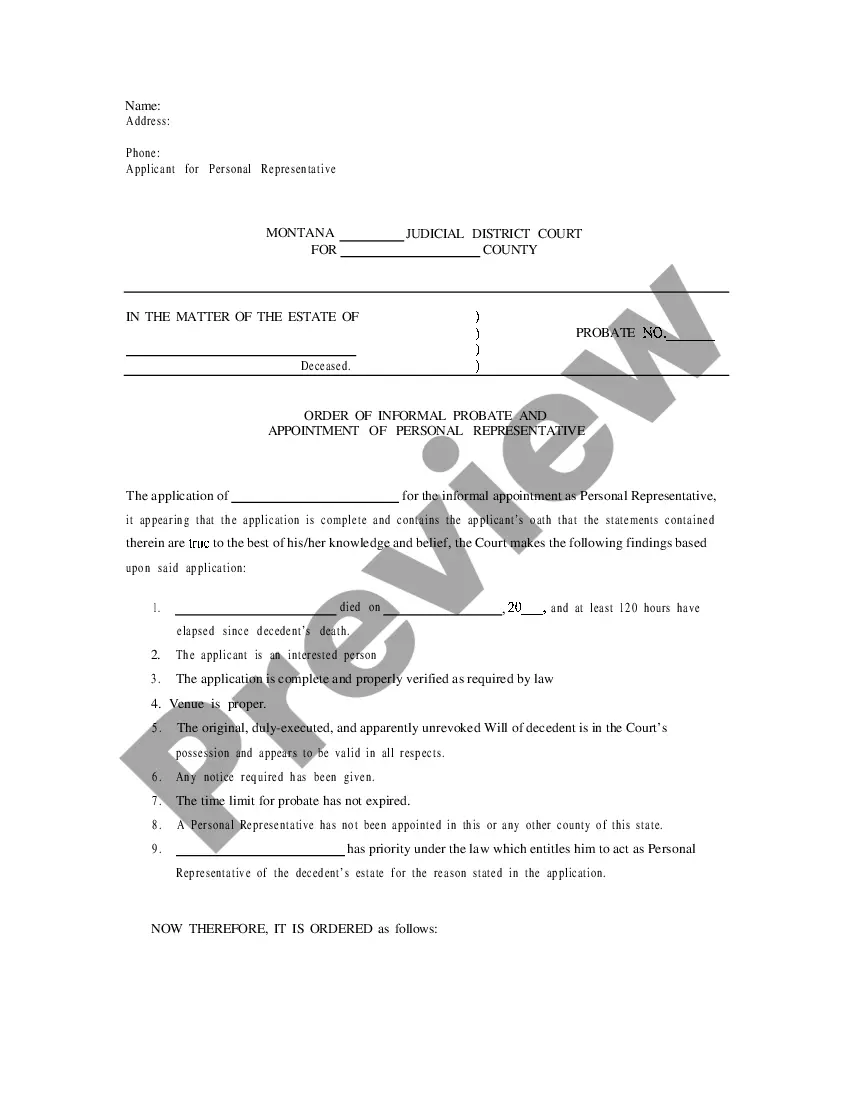
Obtain court approval to appoint a personal representative for an estate. Essential for managing assets and settling affairs following a death.
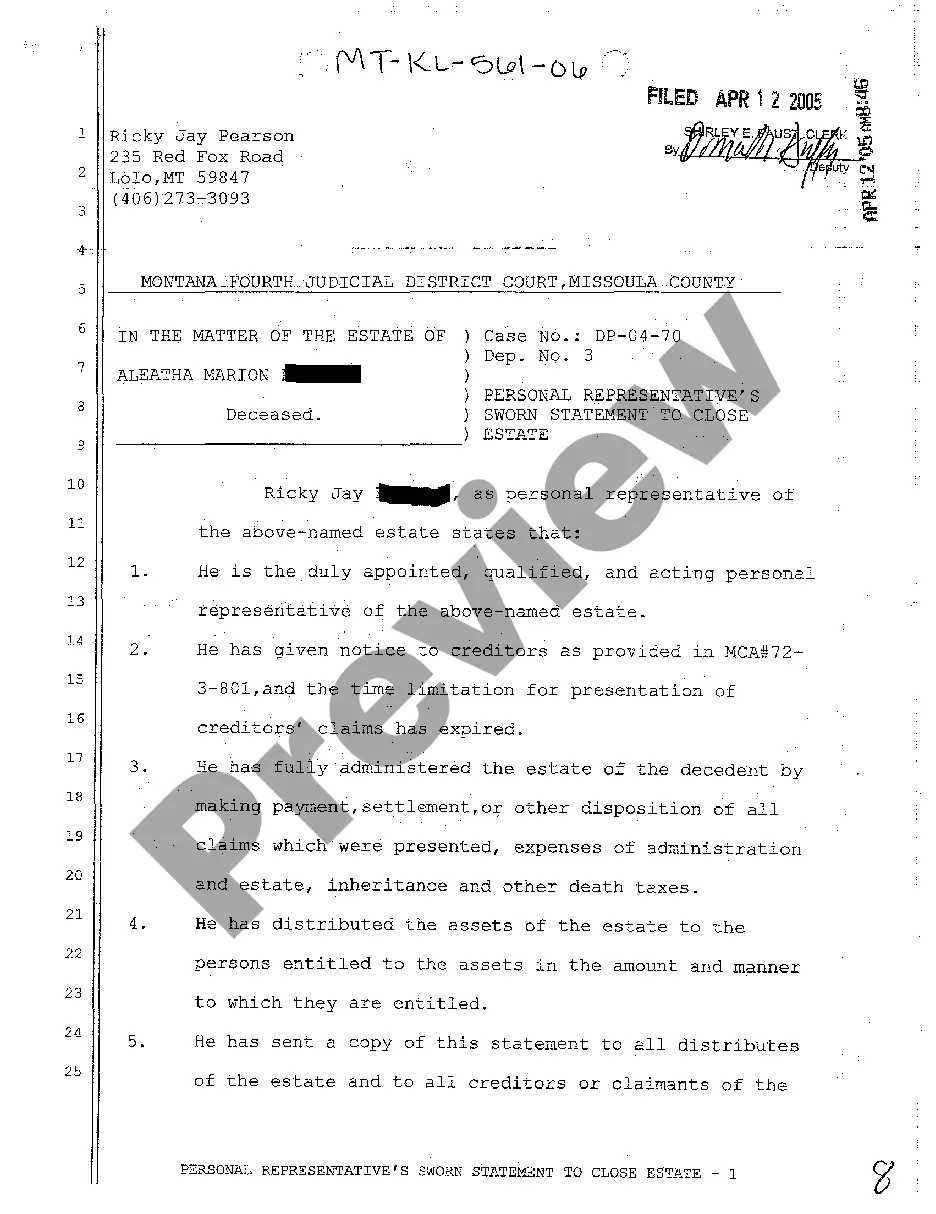
Ensure proper distribution of estate assets to beneficiaries after settling debts and taxes.
Probate ensures the distribution of assets according to a will.
Not all assets require probate to transfer ownership.
Probate processes may vary by state.
An executor manages the estate's distribution and obligations.
Beneficiaries can challenge a will in probate court.
Probate can be simplified with clear documents and instructions.
Many states require certain documents to be notarized.
Begin with these simple steps.
A trust is not necessary if a will meets your needs, but it can provide added benefits.
If no estate plan exists, state laws will determine asset distribution.
Review your estate plan regularly, especially after major life events.
Beneficiary designations typically override instructions in a will or trust.
Yes, you can appoint separate agents for financial and health matters.