What is Probate?
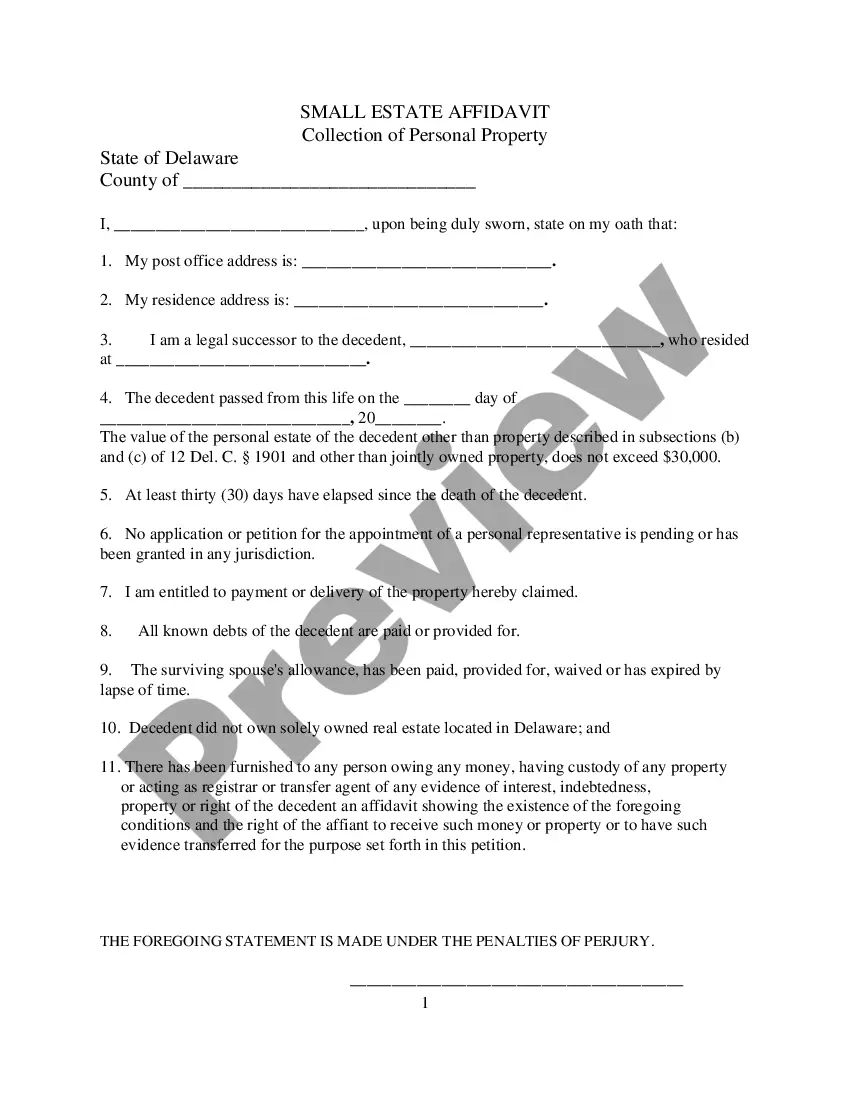
Probate is the legal process for administering a deceased person's estate. It involves validating the will and settling debts. Explore Delaware-specific templates for your needs.
Probate in Delaware involves managing an estate after death. Our attorney-drafted templates are quick and user-friendly.

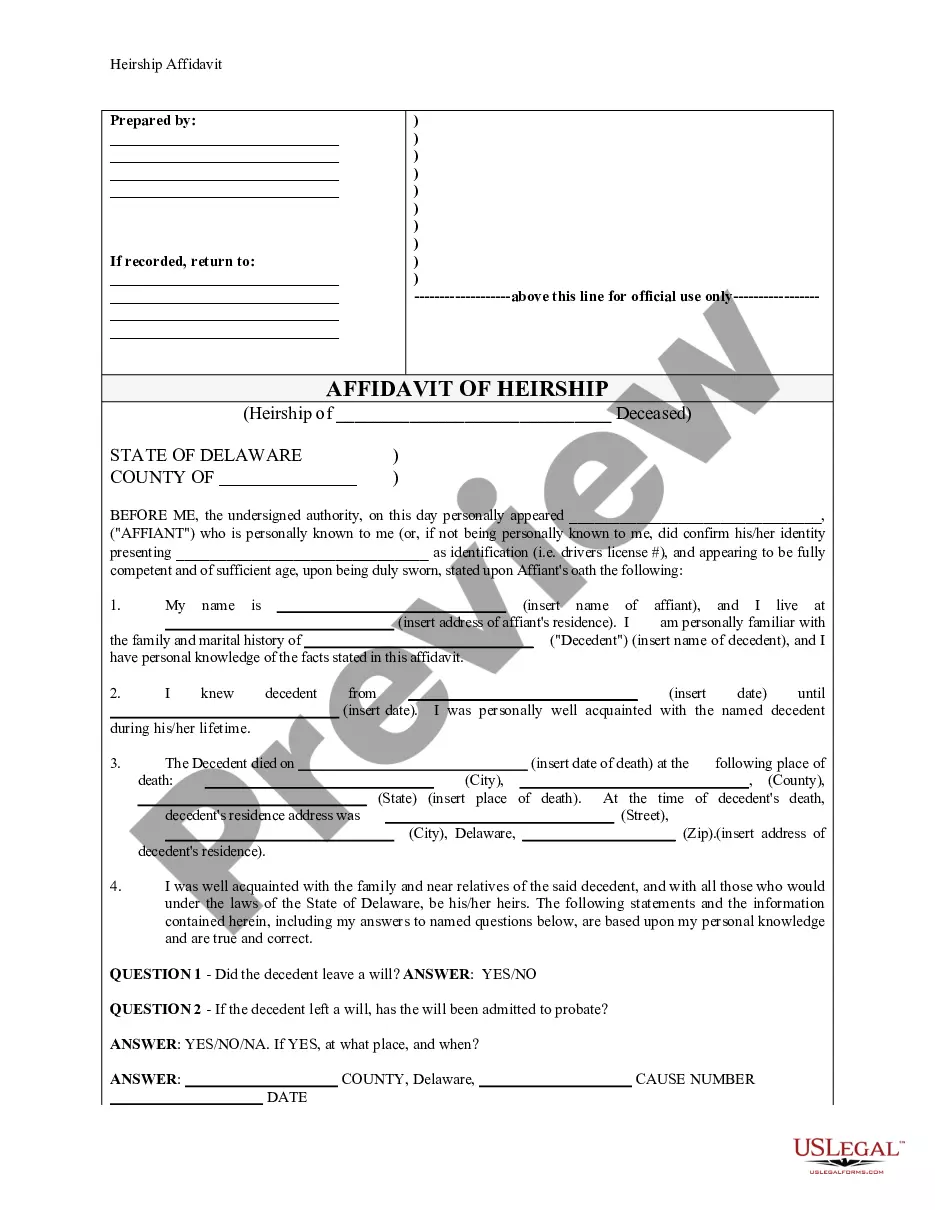
Establish the heirs of a deceased person with this sworn statement, crucial for settling estates without formal probate.
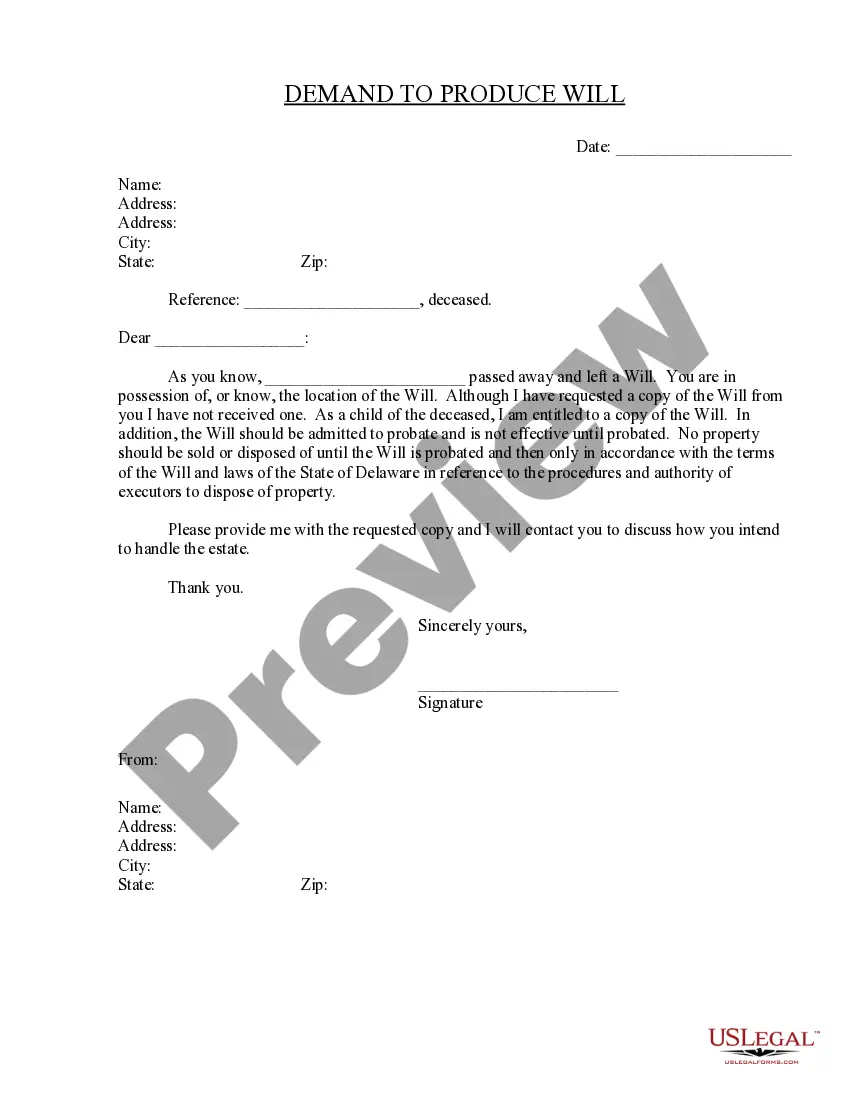
Request a copy of a deceased person's will when it's not provided, ensuring your rights as an heir are respected.
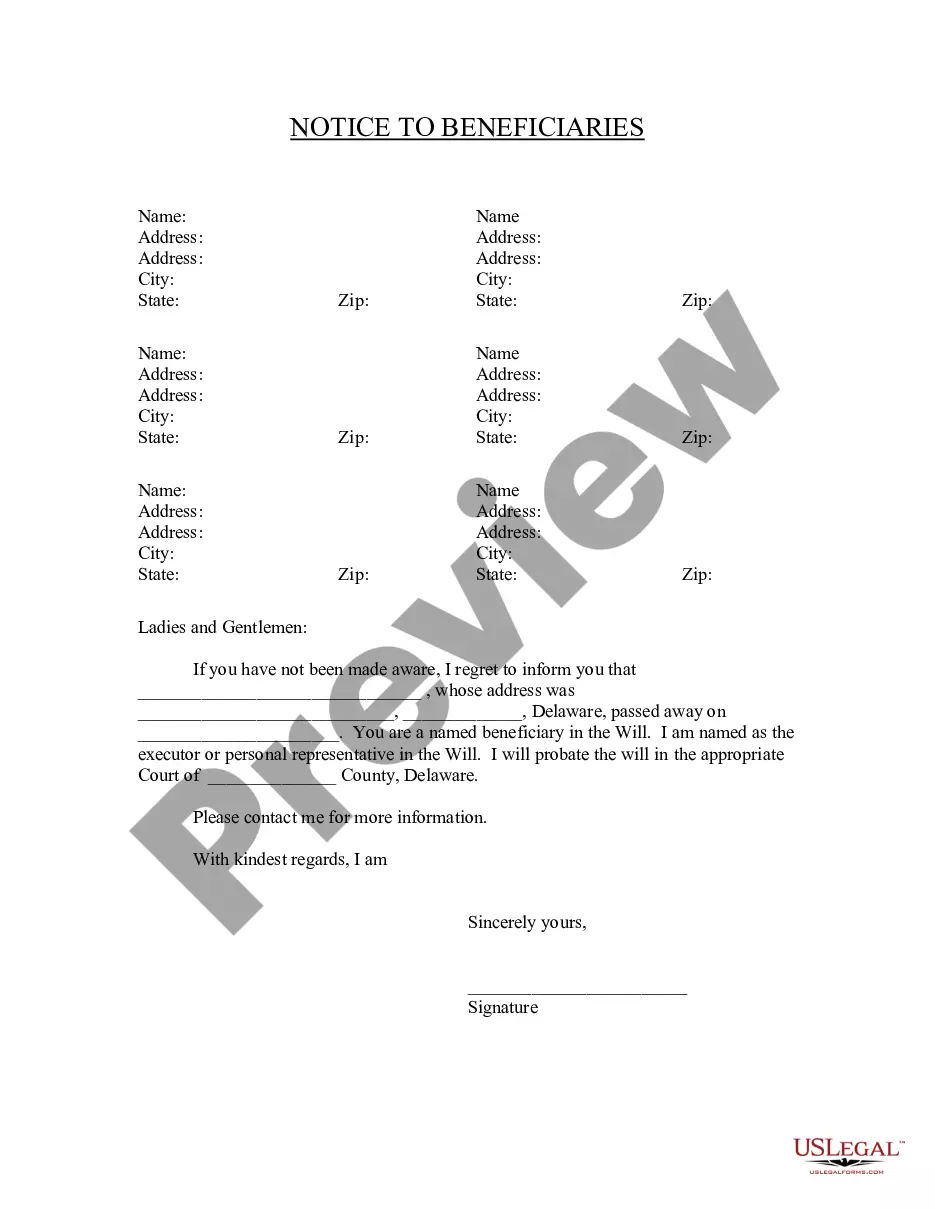
Notify beneficiaries about their status in a will, ensuring they are informed of inheritance rights after a death.
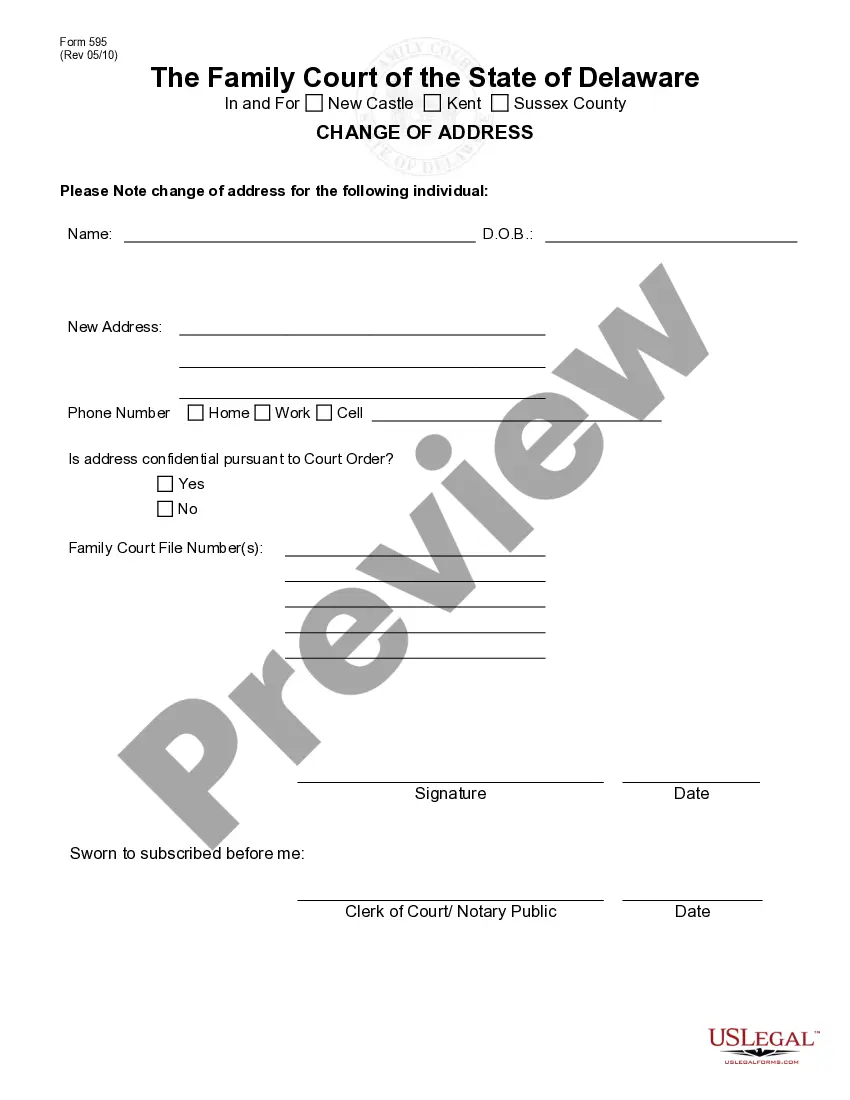
Notify important parties of your new address to maintain communication and services effectively.
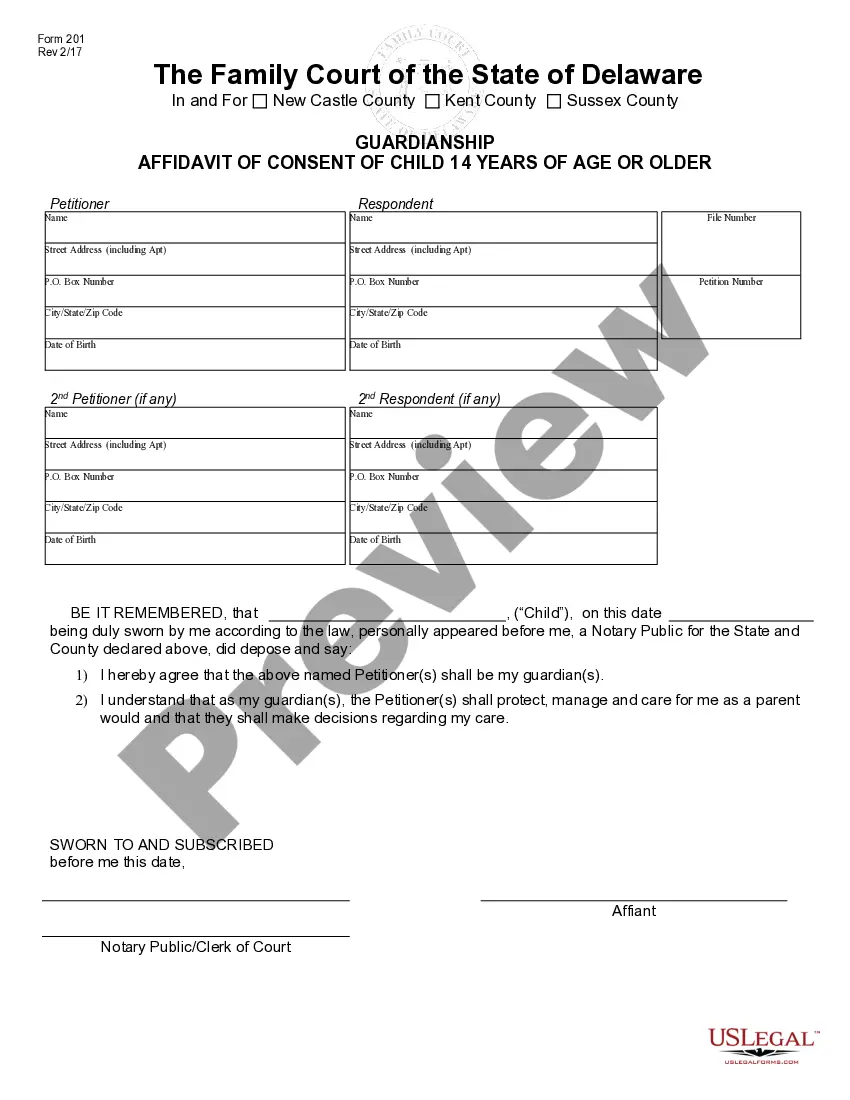
Essential for obtaining consent from a child aged 14 or older in legal guardianship matters.
Use this document to initiate legal proceedings against another party, ensuring they are officially notified of the claims against them.
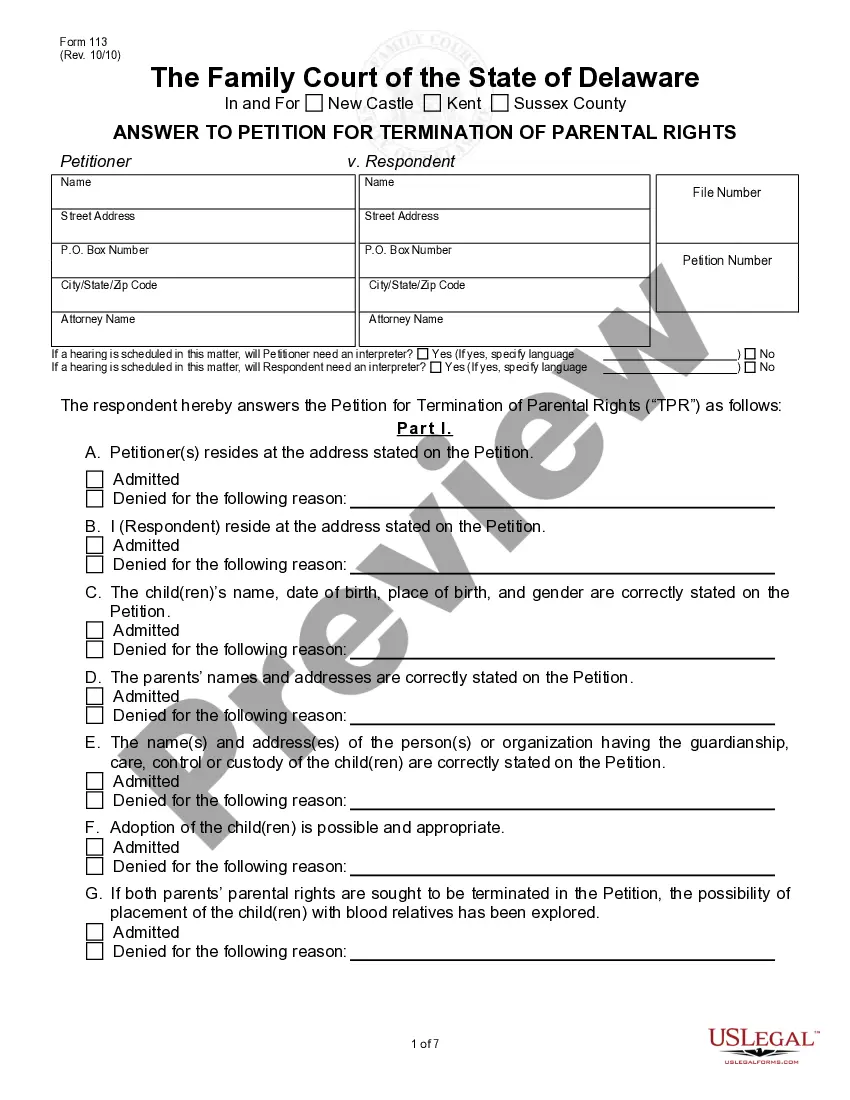
Respond to a petition seeking to terminate parental rights, asserting your position and any relevant agreements.
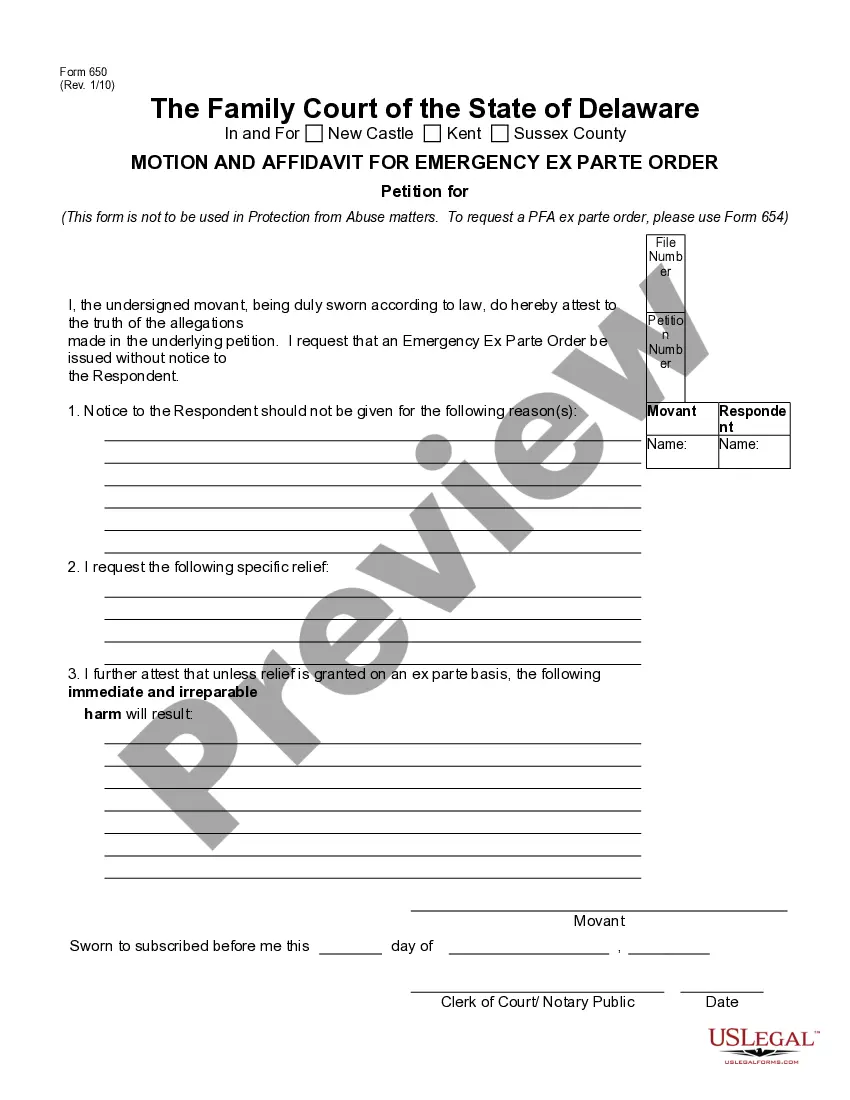
Utilize this form to request urgent legal relief without prior notice, crucial for protecting rights or preventing harm in immediate situations.
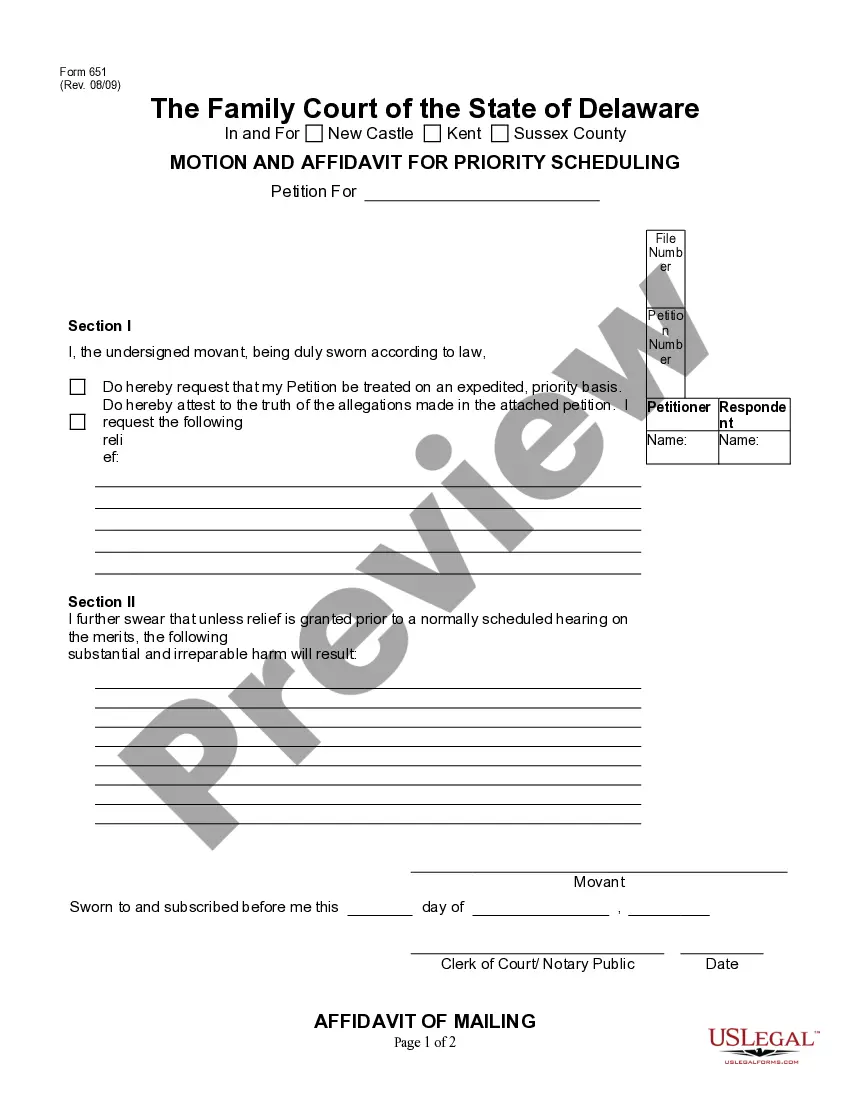
Expedite court hearings by requesting priority scheduling, ensuring timely resolution of urgent legal matters.
Probate is necessary for settling most estates.
Many documents require notarization or witnesses.
Intestate succession laws apply when there is no will.
Creditors have a right to be paid before heirs receive assets.
Probate can be a lengthy process depending on the estate's complexity.
Begin your probate process in just a few steps.
A trust can provide additional benefits, such as avoiding probate.
If no estate plan exists, state laws dictate how assets are distributed.
Review your plan regularly, especially after major life events.
Beneficiary designations can override your will, so ensure they align.
Yes, you can appoint separate agents for financial and healthcare matters.