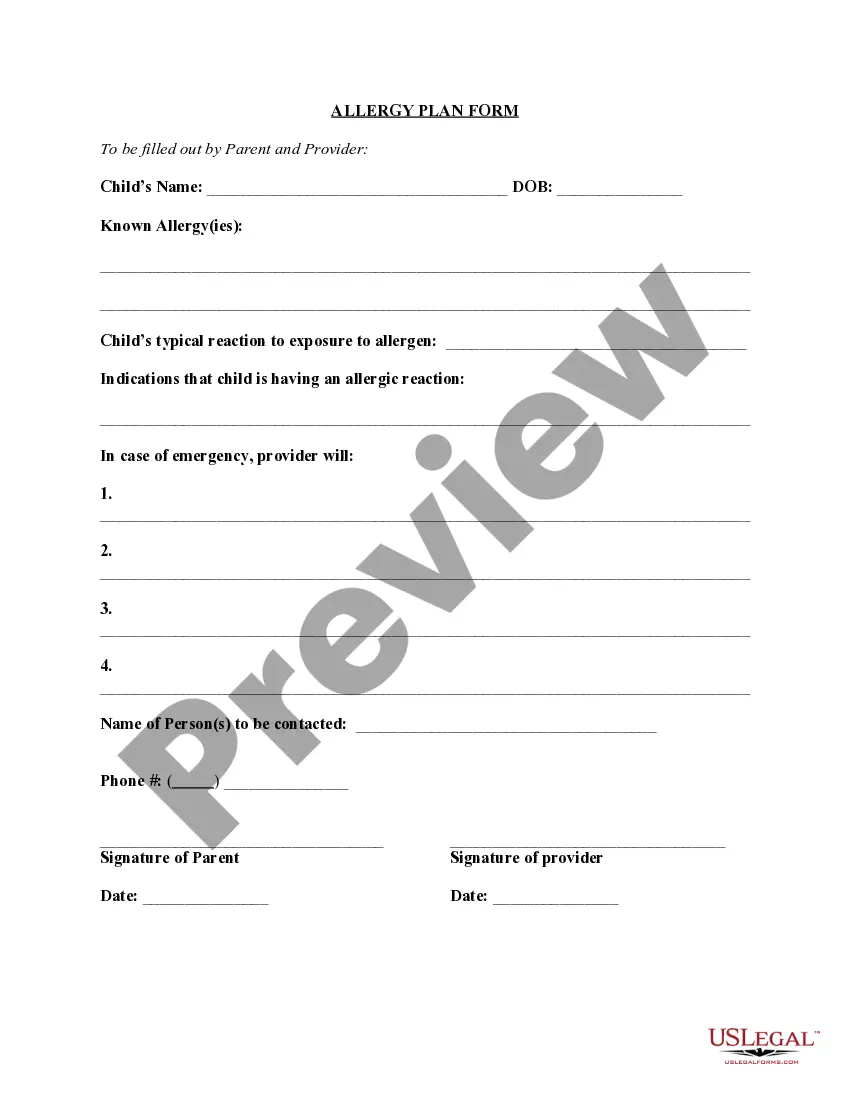
Minnesota Personal Planning Forms
Organize your Minnesota personal planning documents with confidence. Our attorney-drafted templates make it simple to protect your wishes and your family.

Similar documents: key differences
- Will vs. Living Trust — a will takes effect at death and goes through probate, while a living trust transfers assets privately and immediately.
- Durable Power of Attorney vs. Healthcare Directive — a power of attorney covers financial and legal decisions, while a healthcare directive focuses on medical care preferences.
- Living Will vs. Healthcare Proxy — a living will states your medical wishes in writing, while a healthcare proxy names a person to speak for you.
- Revocable Trust vs. Irrevocable Trust — a revocable trust can be changed or cancelled during your lifetime, while an irrevocable trust generally cannot.
- General Power of Attorney vs. Durable Power of Attorney — a general power of attorney expires if you become incapacitated, while a durable version remains in effect.
- Will vs. Beneficiary Designation — a will governs most assets through probate, while a beneficiary designation transfers certain accounts directly and overrides the will.
Search for more forms
Common Minnesota Personal Planning Forms documents
- Last Will and Testament — directs how your property and assets are distributed after your death.
- Durable Power of Attorney — appoints a trusted person to manage your financial and legal affairs if you become unable to.
- Healthcare Directive — records your medical treatment preferences and names someone to make healthcare decisions on your behalf.
- Living Trust — transfers assets to a trustee to be managed and distributed without going through probate.
- Estate Planning Worksheet — gathers key information about your assets, beneficiaries, and wishes in one organized place.
- Emergency Contact and Information Form — keeps vital personal, medical, and financial details accessible for family or caregivers.
- Beneficiary Designation Form — specifies who receives specific accounts or assets outside of a will.
FAQs
An attorney is not required, but your documents must meet Minnesota's signing and witnessing requirements to be valid. Attorney-drafted templates provide a reliable starting point that reflects current state law.
Minnesota's intestacy laws will determine how your assets are distributed, which may not match your wishes. Having a valid will ensures your property goes to the people you choose.
Yes. Most personal planning documents, including wills and revocable living trusts, can be updated or revoked at any time while you have mental capacity. It is a good habit to review them after major life changes.
A healthcare directive records your medical treatment preferences and may name a healthcare agent for medical decisions. A power of attorney covers financial and legal matters and names an agent for those responsibilities. Many people use both.
Minnesota generally recognizes documents validly executed in another state, but requirements vary. If you have moved to Minnesota, it is worth reviewing your existing documents to confirm they meet state standards.
Key legal points
- Minnesota requires a will to be signed by the testator and witnessed by two individuals who are not beneficiaries.
- A durable power of attorney in Minnesota must be signed before a notary public to be legally effective.
- Minnesota's Healthcare Directive law allows you to name a healthcare agent and record your treatment preferences in a single document.
- Living trusts in Minnesota are not required to be filed with any court, keeping your estate distribution private.
- Minnesota follows the Uniform Probate Code, which can streamline estate administration when proper documents are in place.
- A power of attorney becomes void at death — it does not replace a will or trust for asset distribution.
- Minnesota law allows a healthcare agent to make most medical decisions on your behalf, including end-of-life care, if you are incapacitated.
- Regularly reviewing and updating your personal planning documents after major life events — marriage, divorce, or the birth of a child — helps ensure they reflect your current wishes.
- Properly signed and notarized documents reduce the likelihood of legal challenges from family members or other parties.
How to get started
Start organizing your personal planning documents in minutes.
- Search the library to find the personal planning template that fits your situation.
- Preview the form to confirm it covers the provisions you need before committing.
- Subscribe to unlock full access to the complete document library.
- Fill in your details using the guided online editor — no software download needed.
- Download, print, or share your completed document when you are ready to sign.
Practical tip
Minnesota residents should store signed originals of all personal planning documents in a fireproof location and share copies — or their whereabouts — with your named agents and trusted family members.