Pennsylvania Mutual Wills containing Last Will and Testaments for Man and Woman living together not Married with No Children
About this form
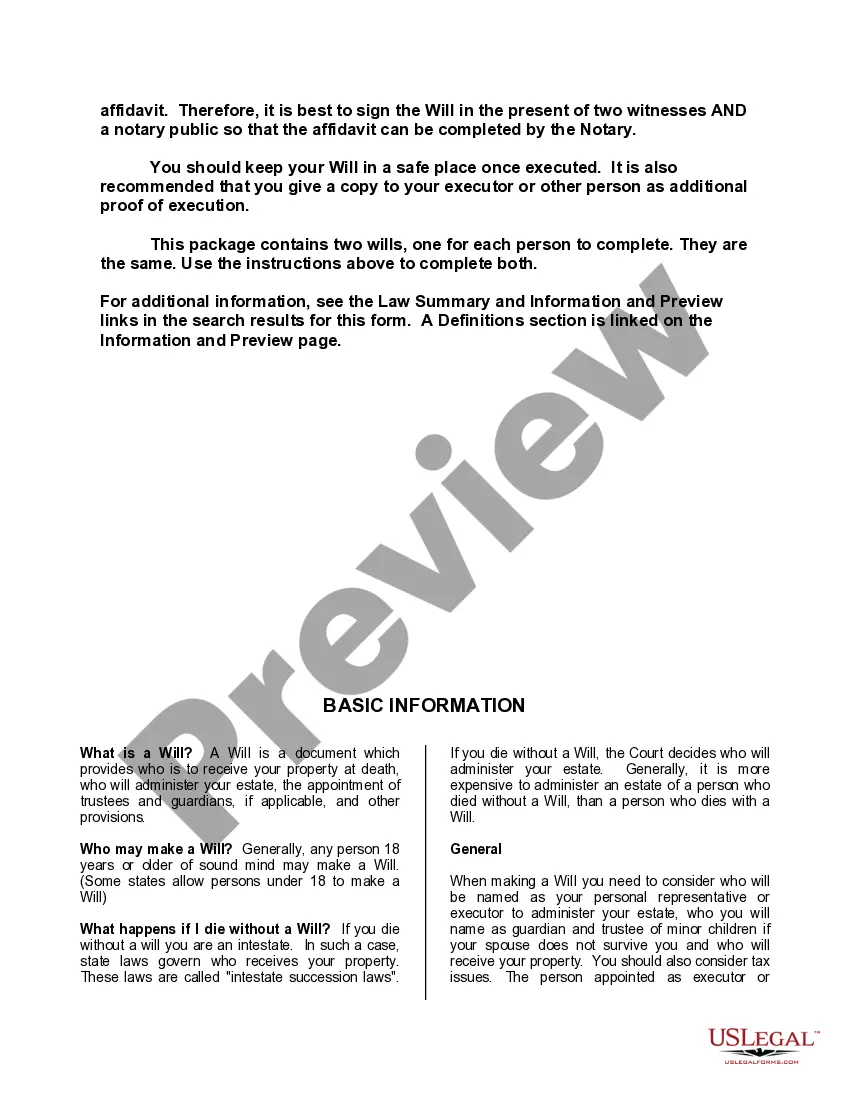
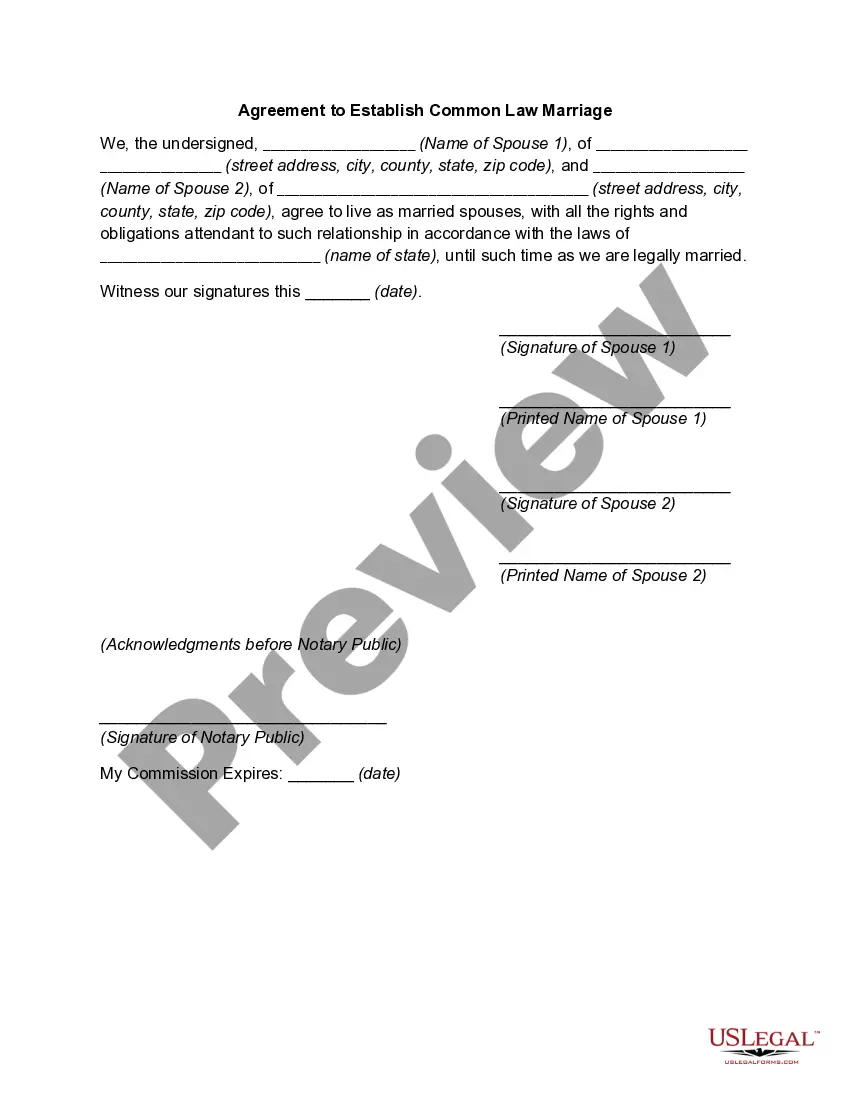
This form package includes Mutual Wills containing Last Will and Testaments designed for a man and woman living together who are not married and have no children. The purpose of this legal document is to allow both parties to leave property to each other, ensuring clarity in estate planning despite not being legally married. This mutual will template differs from standard wills as it reflects the unique relationship and intentions of unmarried partners.
Key parts of this document
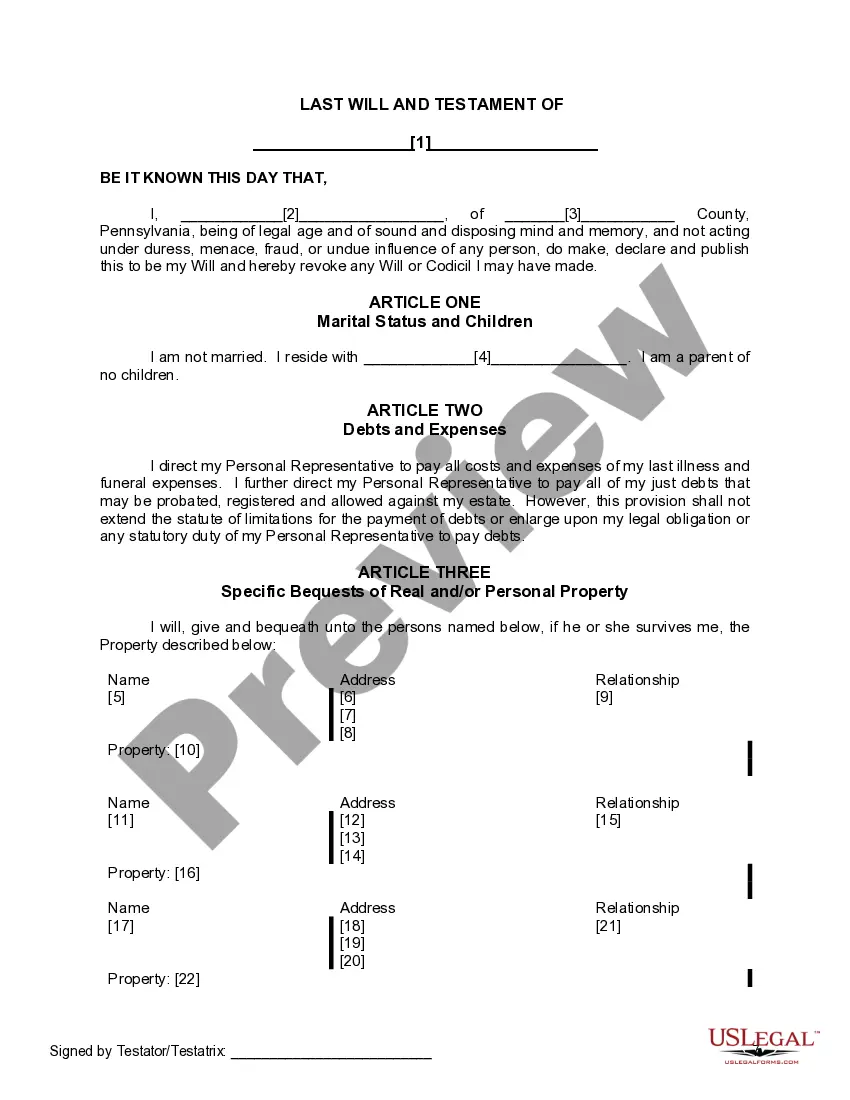
- Declaration of the testators' identity and relationship.
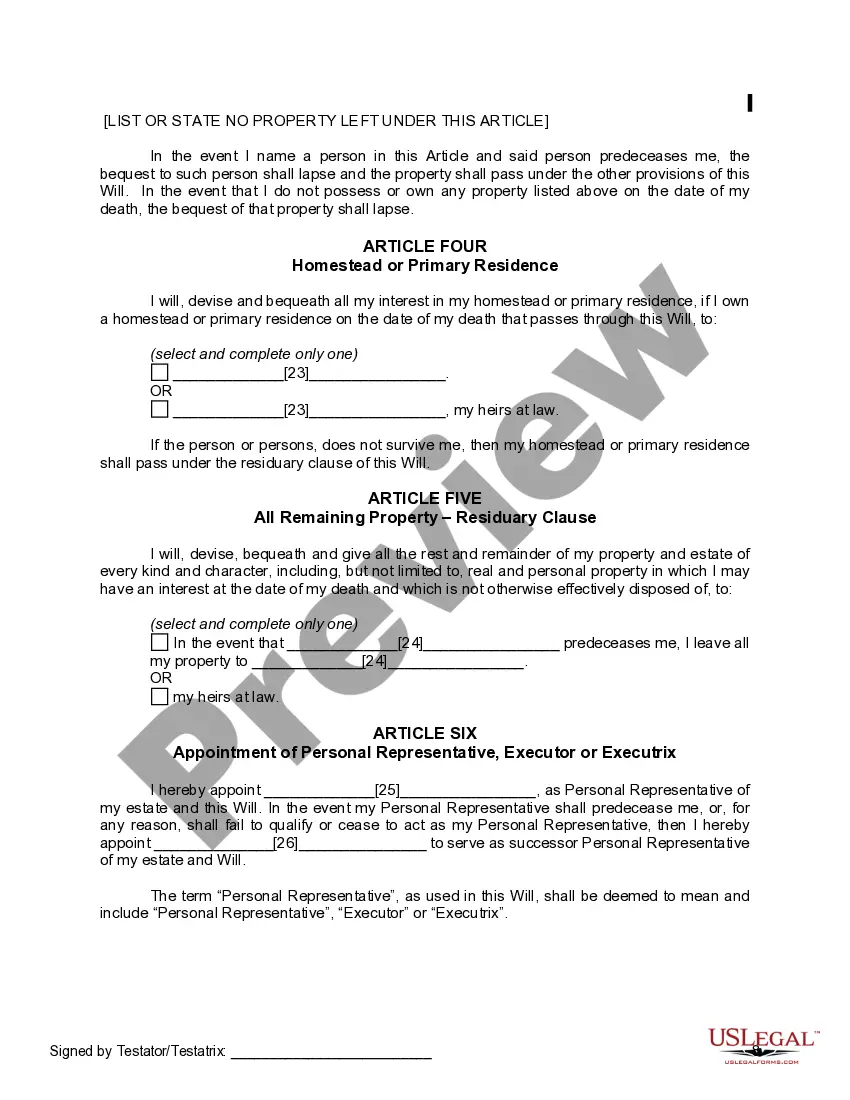
- Specific bequests of property to chosen individuals.
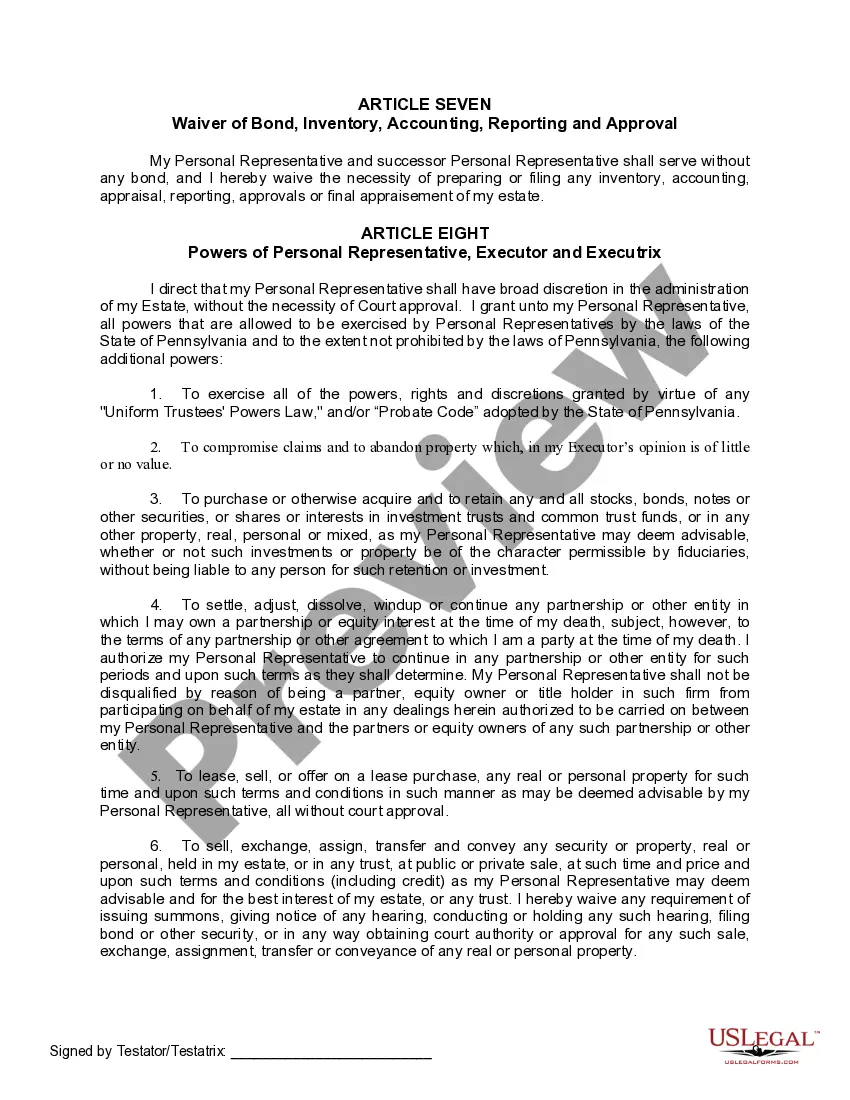
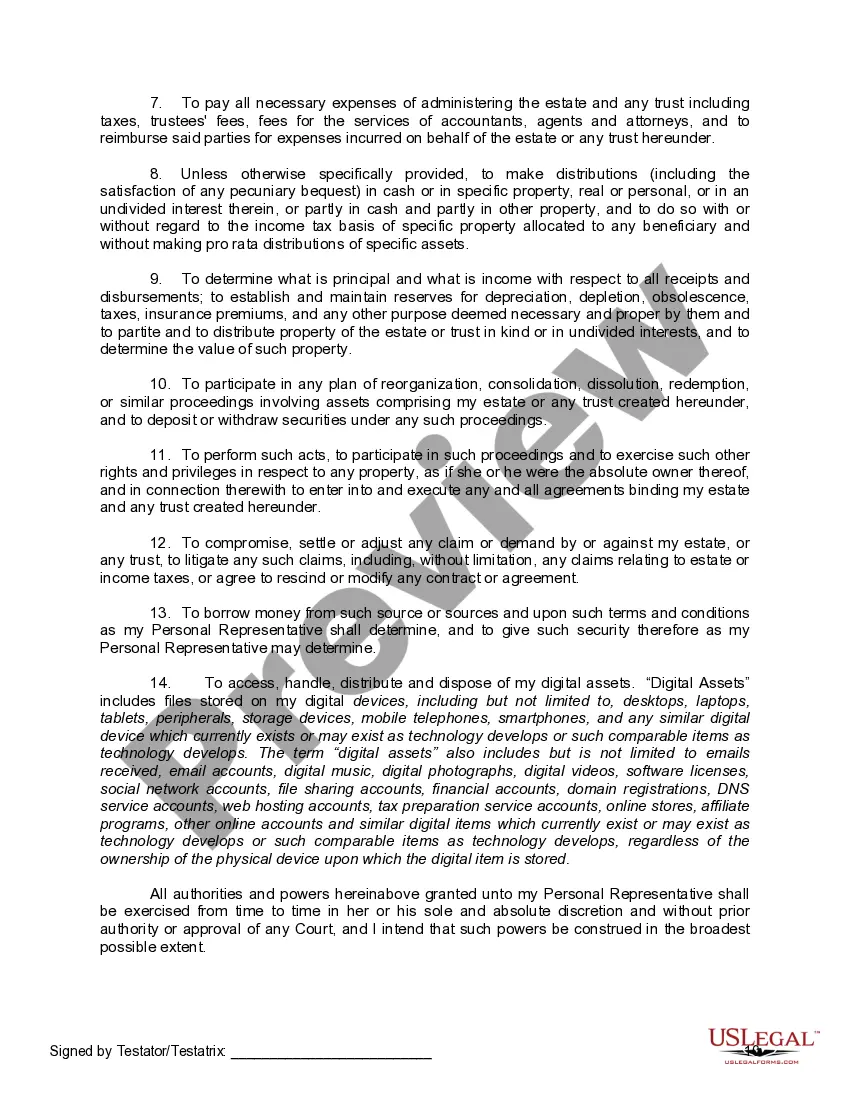
- Designation of a personal representative to manage the estate.
- Clauses outlining the responsibilities for debts and funeral expenses.
- Residuary clause for any remaining property not specifically bequeathed.
- Self-proving affidavit options to streamline probate processes.



Common use cases
This form is ideal for unmarried couples who want to ensure that their assets are passed to each other upon death. Use this mutual will if you and your partner wish to outline your intentions clearly, especially if you do not have children and want to avoid disputes among other family members or heirs.
Who this form is for
- Unmarried couples living together.
- Partners who want to leave property to each other.
- Individuals without children who want to specify their beneficiaries.
- Anyone looking to prepare a legally enforceable will without additional legal expenses.
Instructions for completing this form
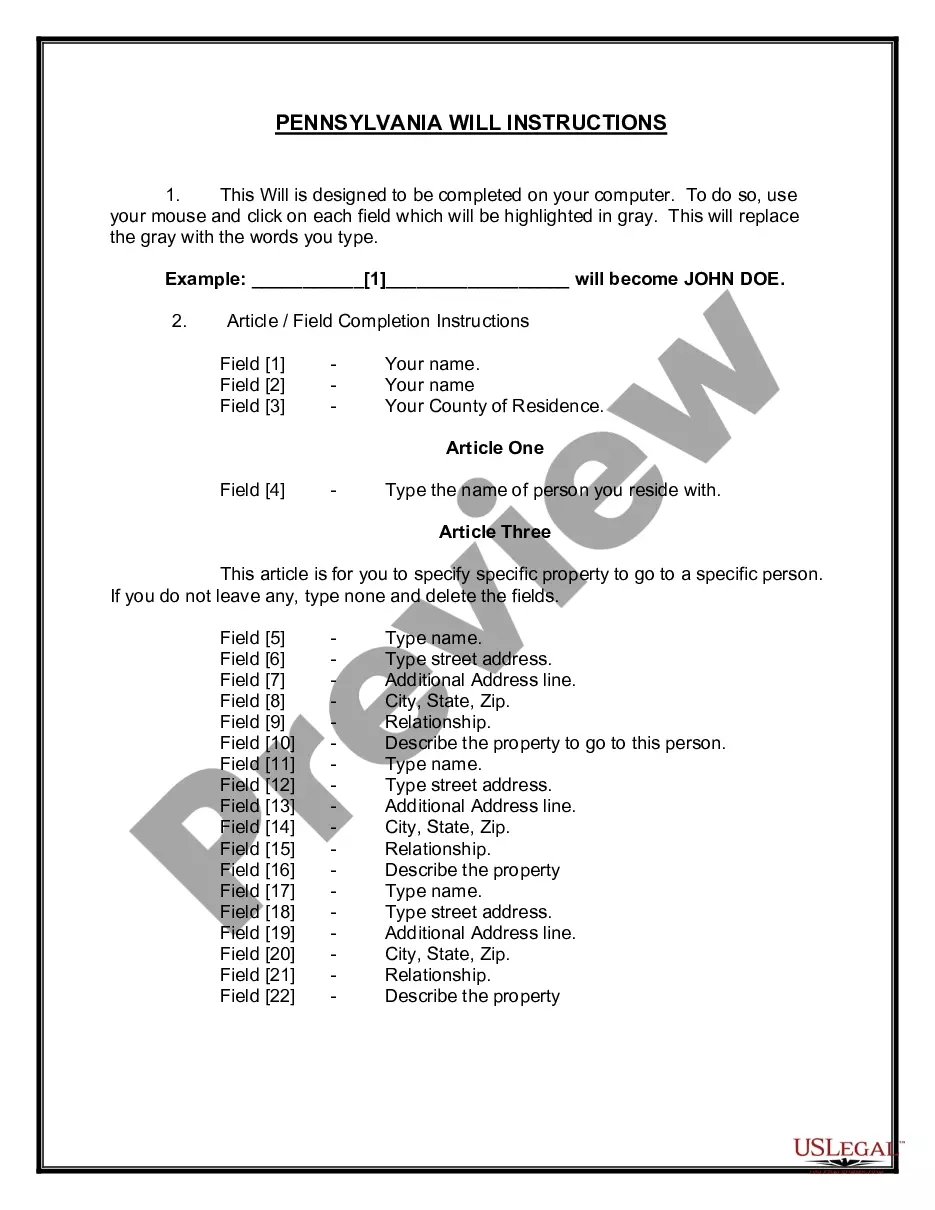
- Enter your name and the name of the person you live with in the designated fields.
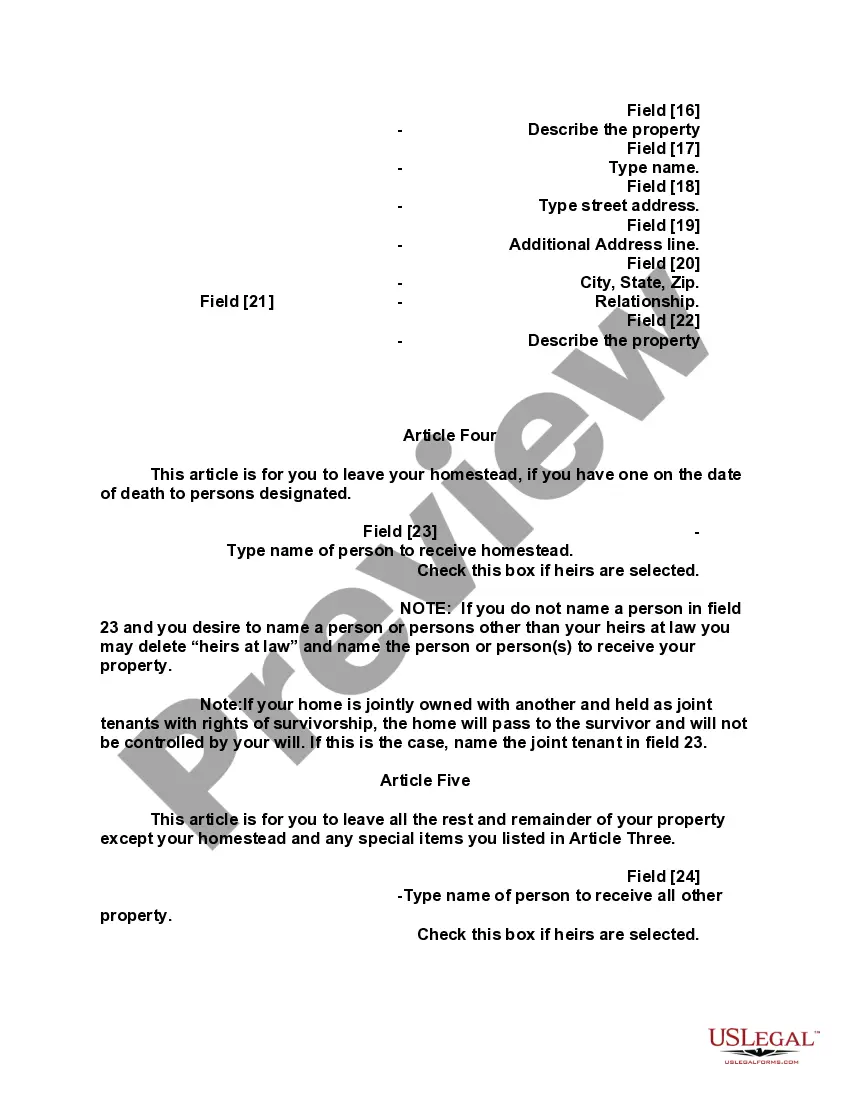
- Specify any specific property you wish to bequeath to individuals or indicate "none" if applicable.
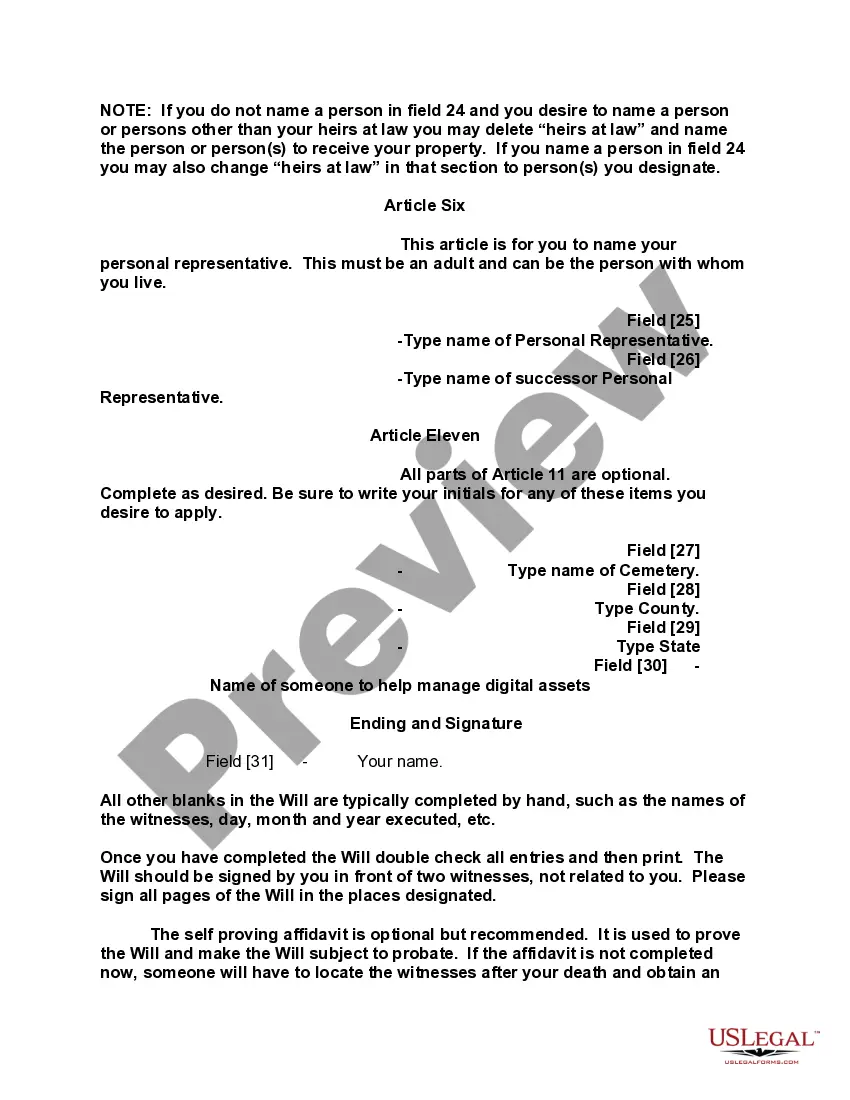
- Designate your personal representative and any successor representatives.
- Complete the self-proving affidavit if you wish to simplify the probate process.
- Review all entries for accuracy, print the wills, and sign them in front of two unrelated witnesses.
Is notarization required?
This document requires notarization to meet legal standards. US Legal Forms provides secure online notarization powered by Notarize, allowing you to complete the process through a verified video call, available 24/7.
Get your form ready online
Our built-in tools help you complete, sign, share, and store your documents in one place.
Make edits, fill in missing information, and update formatting in US Legal Forms—just like you would in MS Word.
Download a copy, print it, send it by email, or mail it via USPS—whatever works best for your next step.
Sign and collect signatures with our SignNow integration. Send to multiple recipients, set reminders, and more. Go Premium to unlock E-Sign.
If this form requires notarization, complete it online through a secure video call—no need to meet a notary in person or wait for an appointment.
We protect your documents and personal data by following strict security and privacy standards.

Make edits, fill in missing information, and update formatting in US Legal Forms—just like you would in MS Word.

Download a copy, print it, send it by email, or mail it via USPS—whatever works best for your next step.

Sign and collect signatures with our SignNow integration. Send to multiple recipients, set reminders, and more. Go Premium to unlock E-Sign.

If this form requires notarization, complete it online through a secure video call—no need to meet a notary in person or wait for an appointment.

We protect your documents and personal data by following strict security and privacy standards.
Mistakes to watch out for
- Failing to sign the wills in front of two witnesses.
- Not designating a personal representative or successor.
- Ignoring the self-proving affidavit, which may complicate the probate process.
- Leaving fields blank or not indicating "none" where appropriate.
Benefits of using this form online
- Convenient digital completion from any location, saving time.
- Editable templates allow easy updates as circumstances change.
- Access to state-specific instructions ensures compliance with local laws.
- Cost-effective solution compared to hiring an attorney for basic estate planning needs.
Legal use & context
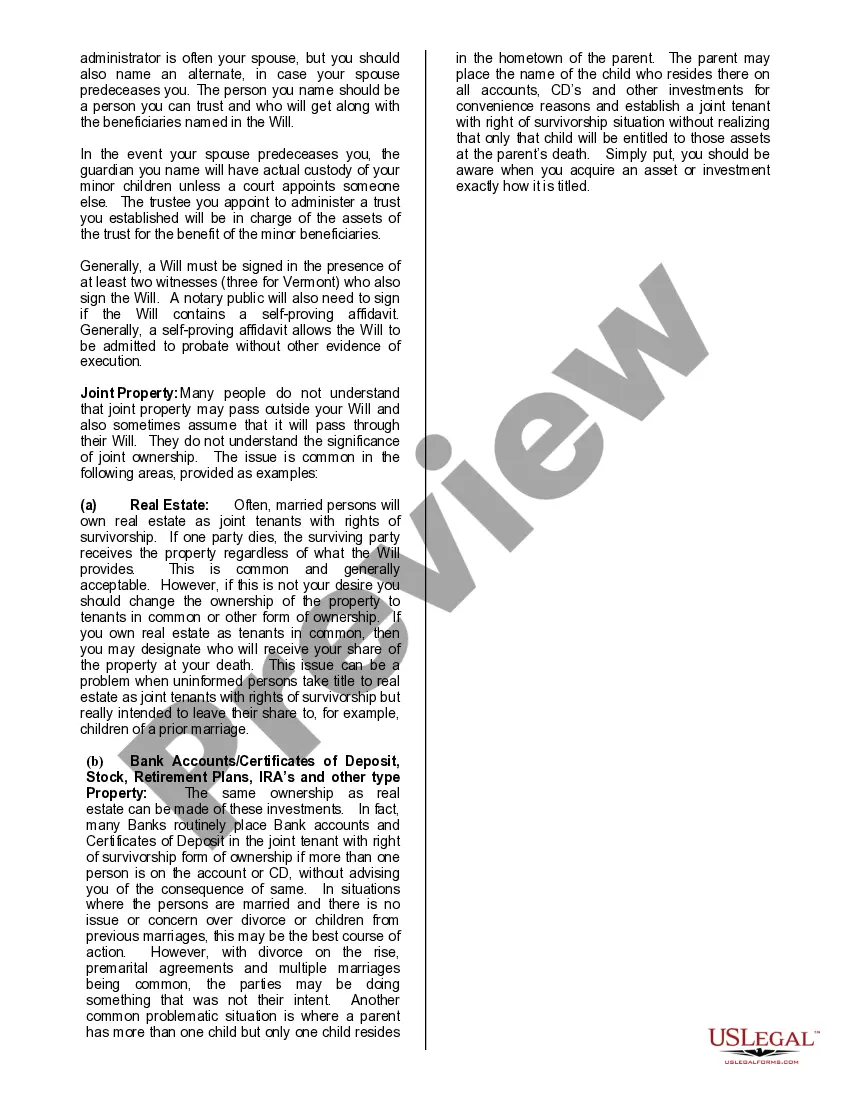
- This mutual will is legally binding if executed correctly in accordance with Pennsylvania law.
- It can help prevent disputes among surviving partners and heirs by clearly outlining intentions.
- Not having a will can lead to the state deciding the distribution of assets, which may not align with your wishes.
Key takeaways
- This mutual will allows unmarried couples to secure their wishes regarding property distribution.
- Proper execution, including signatures and notarization, is crucial for legal validity.
- Regular updates may be necessary to reflect changes in circumstances or wishes.
Looking for another form?

Form popularity
FAQ
If a spouse acquired an inheritance, even during a marriage, this asset is considered separate from a marital or nonmarital asset. Pennsylvania divorce law considers an inheritance a nonmarital asset only if the funds are kept in a separate account and are not used to purchase jointly owned property.
The reality is, however, that both you and your spouse should each have your own will, and it should be planned as soon as possible. Some couples think that they can have one joint will together, but this is not a sound approach.
Pennsylvania estate planning advisors and attorneys agree that joint and mutual wills are usually not in a married couple's best interest.
Tip 1: You absolutely need a will It's important for couples without kids to have wills because they don't have natural heirs to inherit their wealth. Generally speaking, if you die without a will, your assets will go to your spouse.Then your spouse's will would determine who gets what.
An adult can make a valid will without notifying their wife or husband. Not telling a spouse would be unusual, but not illegal.
To create a valid will in Pennsylvania, the will creator (testator) must be 18 years of age and must possess a sound mind. Possessing a sound mind means that the testator is mentally competent and fully understands what property they own and who they are conveying their property to.
Like most wills, a joint will lets the will-makers name who will get their property and assets after they die. Joint wills are usually created by married couples.After one spouse has died, all the couple's property will be left to the surviving spouse; and.
A joint will is a legal document executed by two (or more) people, which merges their individual wills into a single, combined last will and testament. Like most wills, a joint will lets the will-makers name who will get their property and assets after they die. Joint wills are usually created by married couples.