Oregon Letter from Tenant to Landlord containing Notice of termination for landlord's noncompliance with possibility to cure
What is this form?
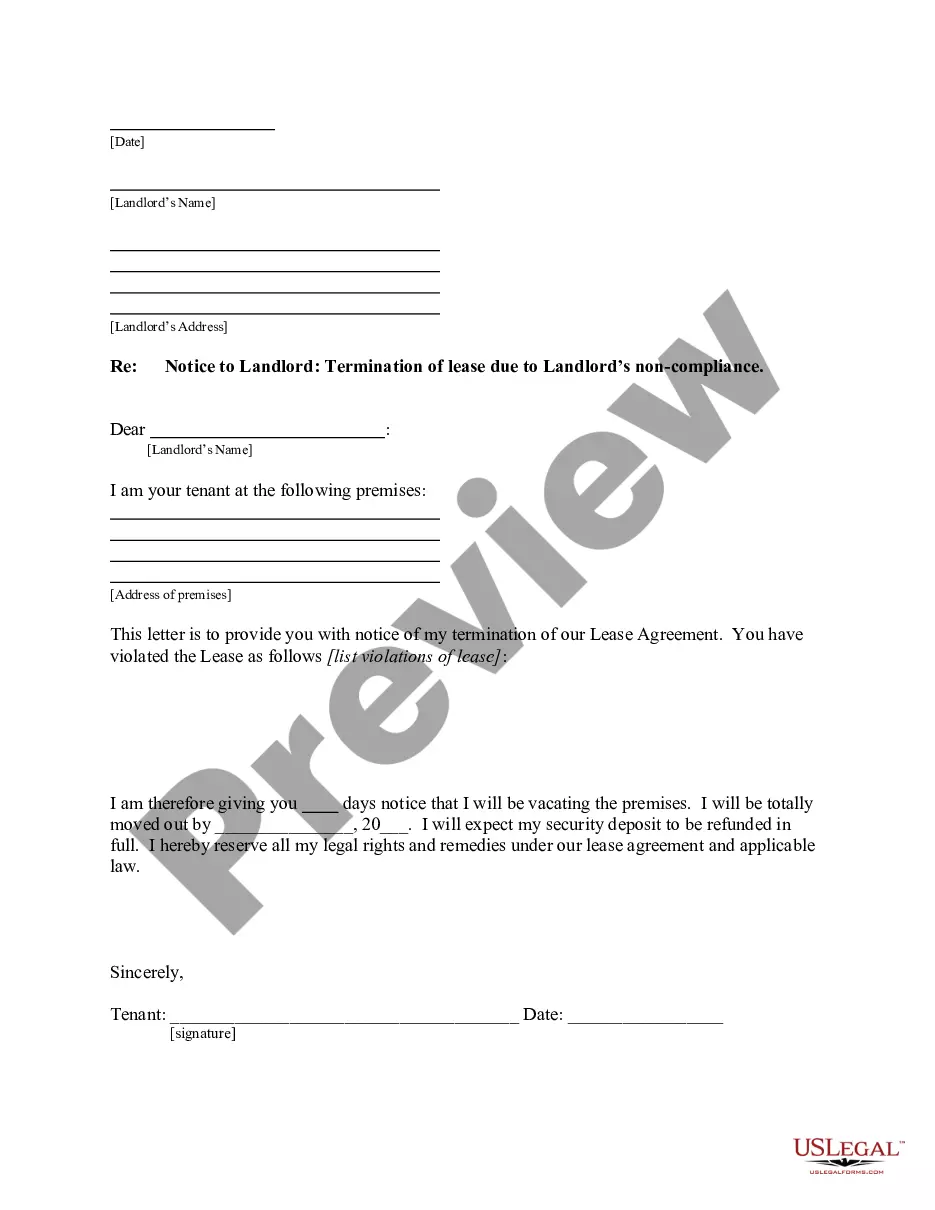
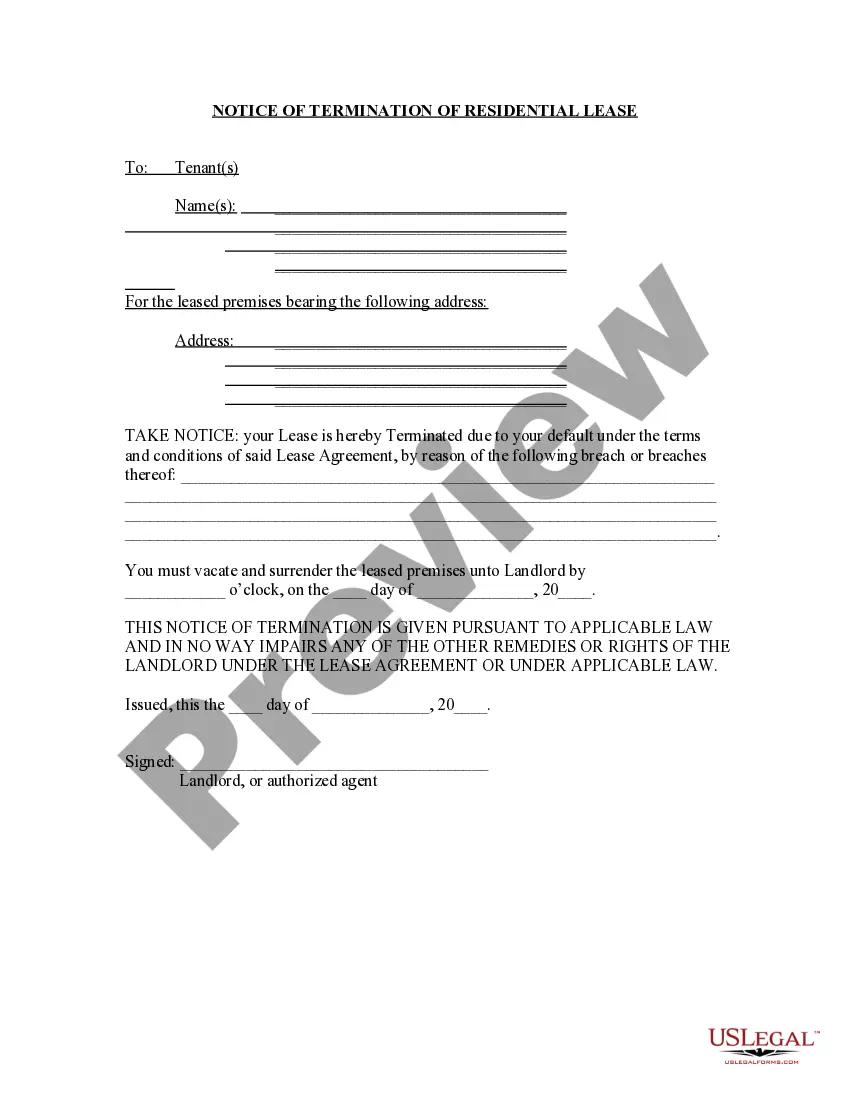
This form is a Letter from Tenant to Landlord containing Notice of termination for landlord's noncompliance with possibility to cure. It serves as a formal notification to the landlord regarding their failure to comply with the lease agreement. Unlike other tenant notices, this letter emphasizes the landlord's breaches and provides an opportunity for them to rectify the situation before the tenant vacates the property.
Form components explained
- Tenant's name and signature: Identifies the party sending the notice.
- Date: Establishes when the notice is effective.
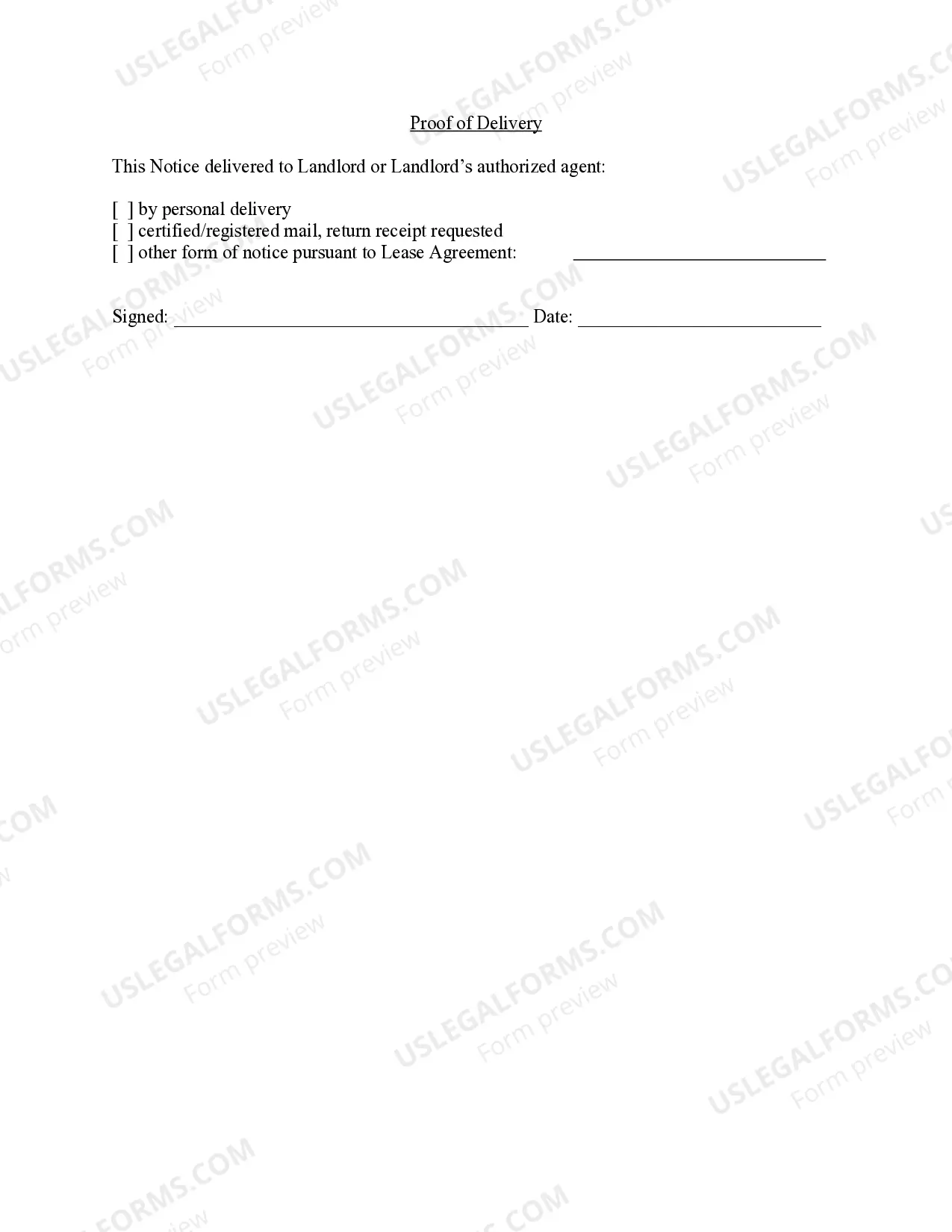
- Proof of delivery options: Details how the notice was delivered to the landlord.
- Reason for termination: States the landlord's noncompliance with the lease agreement.



Situations where this form applies
You should use this form when you, as a tenant, intend to vacate the rental property due to the landlord's failure to meet the obligations outlined in the lease. This form is appropriate when the landlord has not made necessary repairs, failed to provide essential services, or otherwise breached the lease terms, allowing them an opportunity to cure the issue.
Who needs this form
- Residential tenants experiencing landlord noncompliance.
- Tenants seeking to document their notice of termination formally.
- Individuals looking for a structured way to allow landlords time to correct their breaches.
Instructions for completing this form
- Identify the parties involved: Include your name as the tenant.
- Specify the property: Clearly indicate the address of the rental unit.
- Detail the breach: Clearly state how the landlord has failed to comply with the lease.
- Enter the date: Record the date of the notice.
- Add your signature: Sign the form to validate it.
- Choose proof of delivery: Select between personal delivery or certified mail for the notice.
Does this form need to be notarized?
This form does not typically require notarization unless specified by local law. However, confirm your state's regulations to ensure compliance.
Get your form ready online
Our built-in tools help you complete, sign, share, and store your documents in one place.
Make edits, fill in missing information, and update formatting in US Legal Forms—just like you would in MS Word.
Download a copy, print it, send it by email, or mail it via USPS—whatever works best for your next step.
Sign and collect signatures with our SignNow integration. Send to multiple recipients, set reminders, and more. Go Premium to unlock E-Sign.
If this form requires notarization, complete it online through a secure video call—no need to meet a notary in person or wait for an appointment.
We protect your documents and personal data by following strict security and privacy standards.

Make edits, fill in missing information, and update formatting in US Legal Forms—just like you would in MS Word.

Download a copy, print it, send it by email, or mail it via USPS—whatever works best for your next step.

Sign and collect signatures with our SignNow integration. Send to multiple recipients, set reminders, and more. Go Premium to unlock E-Sign.

If this form requires notarization, complete it online through a secure video call—no need to meet a notary in person or wait for an appointment.

We protect your documents and personal data by following strict security and privacy standards.
Avoid these common issues
- Failing to provide specific details about the lease violation.
- Not signing the notice, which may render it invalid.
- Neglecting to keep proof of delivery for your records.
Benefits of completing this form online
- Convenience of downloading and completing the form at your own pace.
- Reliable templates drafted by licensed attorneys, ensuring compliance with legal standards.
- Editability allows for customization to your specific situation.
Legal use & context
- This notice serves as a formal record of the tenant's intent to terminate the lease.
- It provides the landlord an opportunity to remedy the breach, which may affect legal proceedings.
- Ensure timely delivery to avoid complications with lease obligations.
Quick recap
- A notice of termination allows tenants to formally notify landlords of lease violations.
- Use this form to document and initiate the process of vacating the premises.
- Be aware of your state-specific regulations concerning tenant rights and landlord responsibilities.
Looking for another form?


Form popularity
FAQ
If the tenant refuses, you are permitted to send them a notice to agree or quit the property. The tenant refusing you access constitutes a breach in the lease agreement, so they could be evicted if they continue to deny access.
Leaving without giving notice Your tenancy won't have ended and you'll still have to pay your rent until you end your tenancy in the right way. You might also have to pay other bills - for example, council tax. Your landlord can get a court order to make you pay the rent you owe.
While tenants cannot unreasonably deny access to a landlord, landlords must also follow all of the state and local rules regarding access to tenants' apartments. Roughly half of states have rules governing landlord entry into tenants' apartments.
Yes, your tenant is within their rights to refuse you access to the property. In a lot of cases, tenants will refuse because the date and time isn't convenient for them and will suggest an alternative date or ask you to rearrange. However, some tenants will persistently try to obstruct you from entering the property.
If you refuse access, the landlord/agent can apply to the Tribunal for an order that authorises them or any other person to enter the premises.
If the landlord/agent wants to end your agreement at the end of the fixed term, they must give you at least 30 days notice that includes the last day of the term. If the landlord/agent applies for a termination order, the Tribunal must terminate the agreement.
Pay any delinquent rent that is due to the landlord within the allotted time of the notice. Move out of the premises within the allotted time of the notice. File an answer with the judicial court. File a motion to stay with the court.
If you don't move out by the day in the notice, the landlord can ask the NSW Civil and Administrative Tribunal (NCAT) for a termination order. A termination order means the rental agreement is ended. The order will state the day when you must give vacant possession that is, you move out and return the keys.
Be calm, objective, and rational. Keep written records of everything. Teach tenants how they should treat you. Try to get your tenants on your side. Ask the terrible tenants to leave. Begin the eviction process.