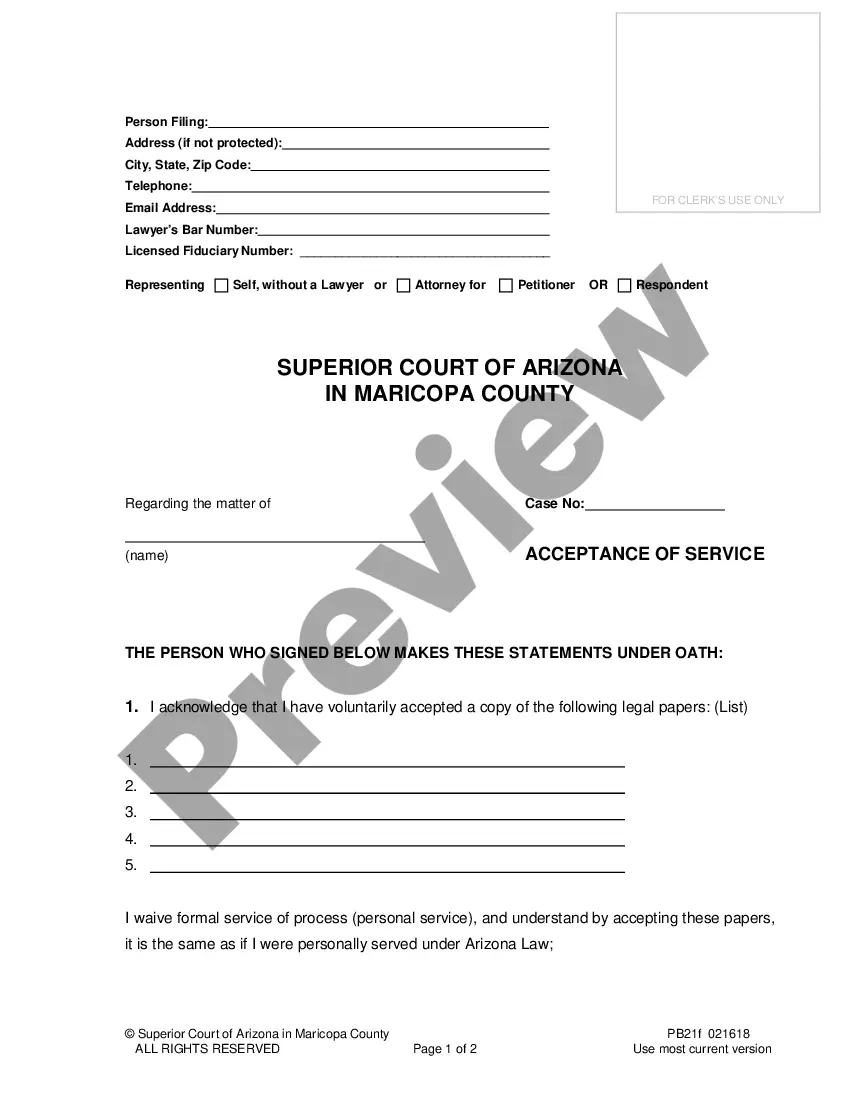
Oklahoma Amendment to Lease or Rental Agreement
Overview of this form
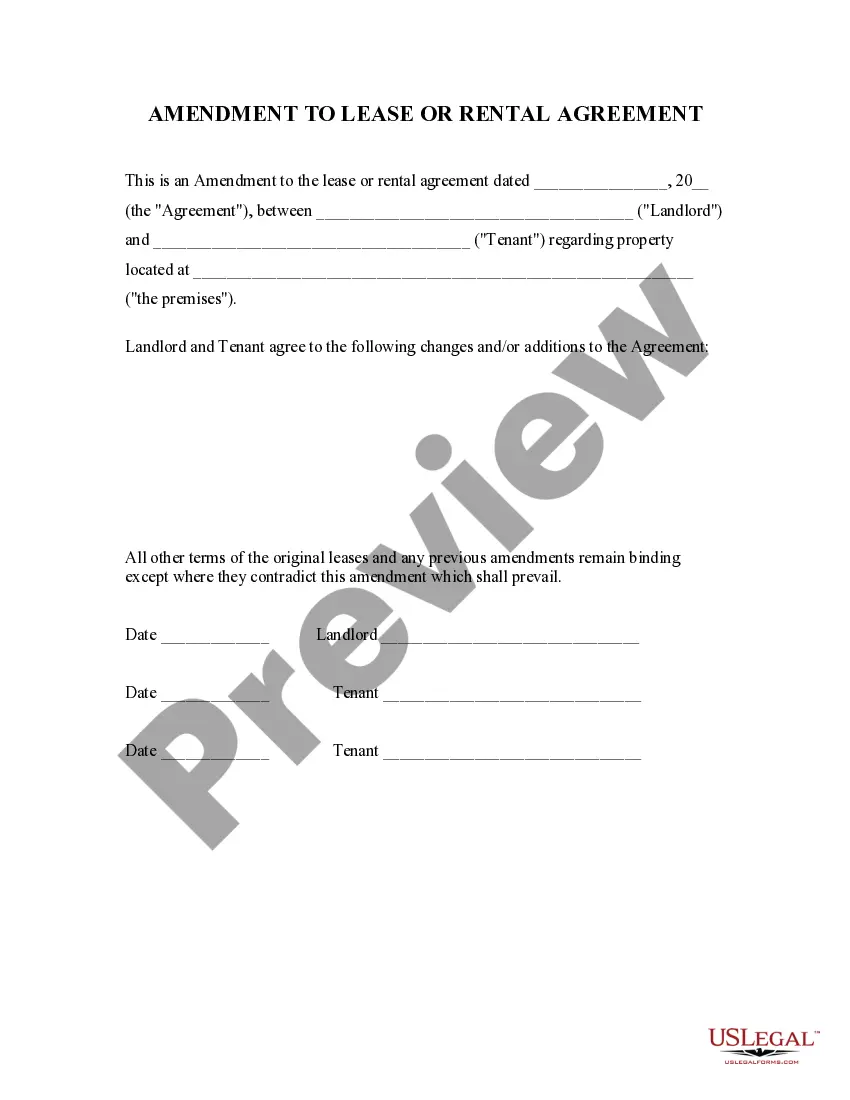
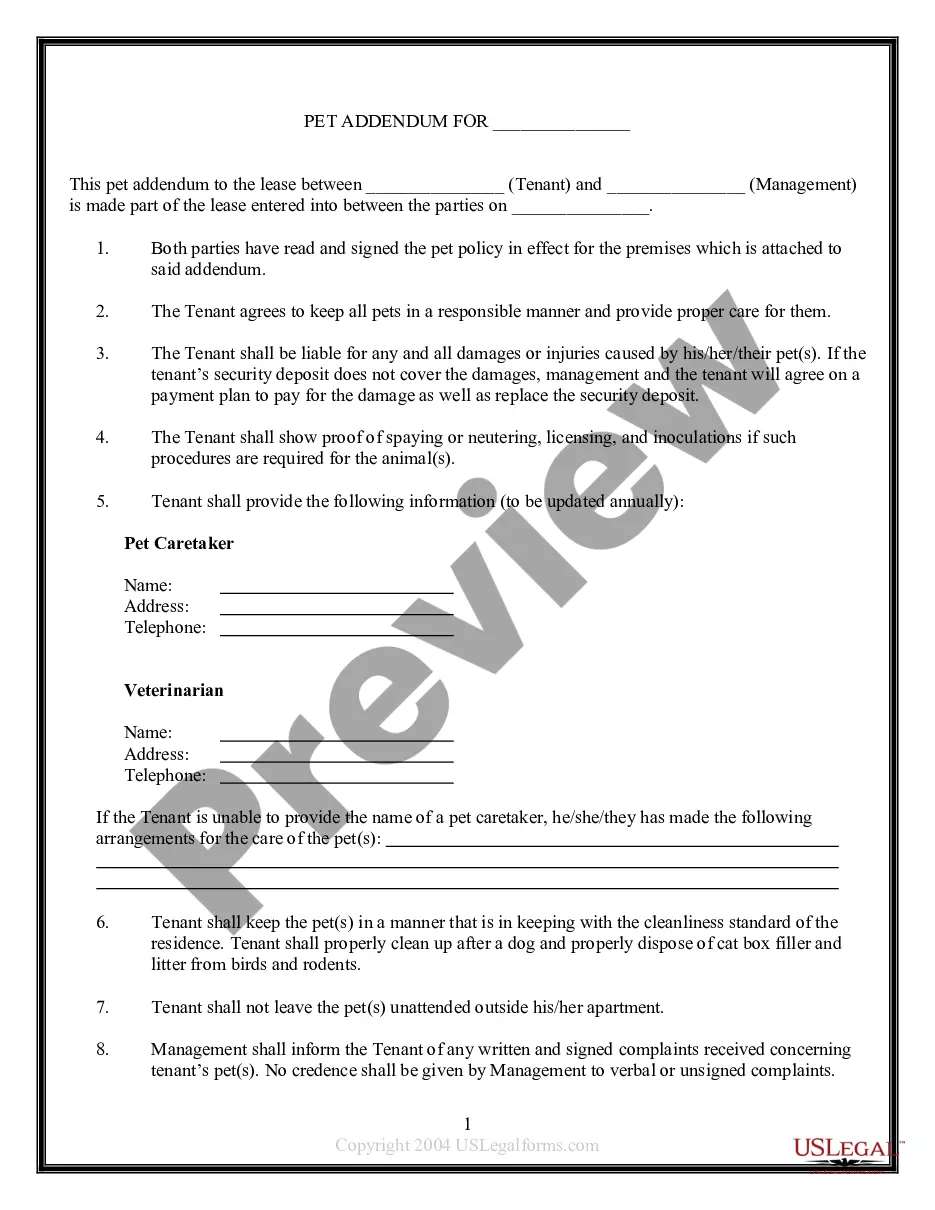
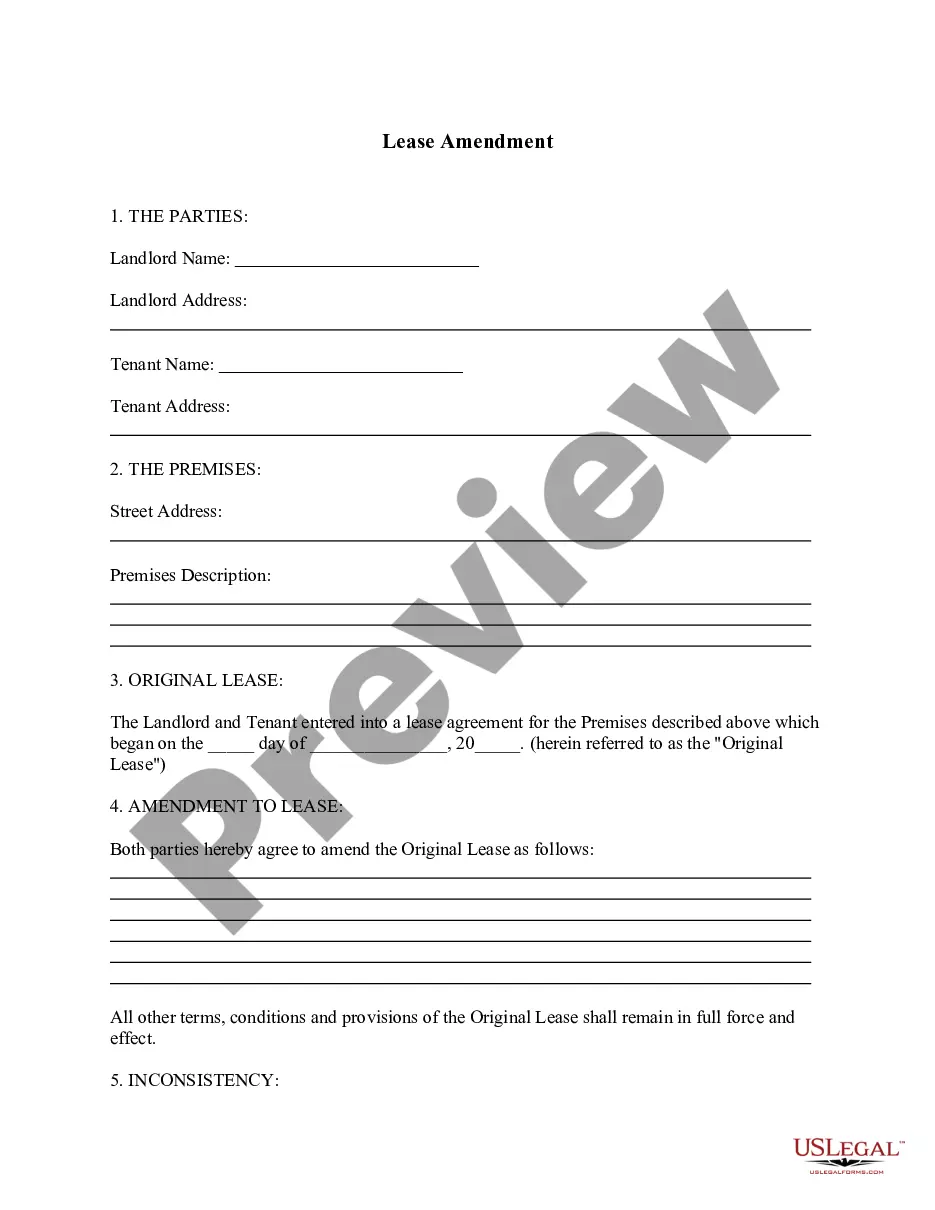
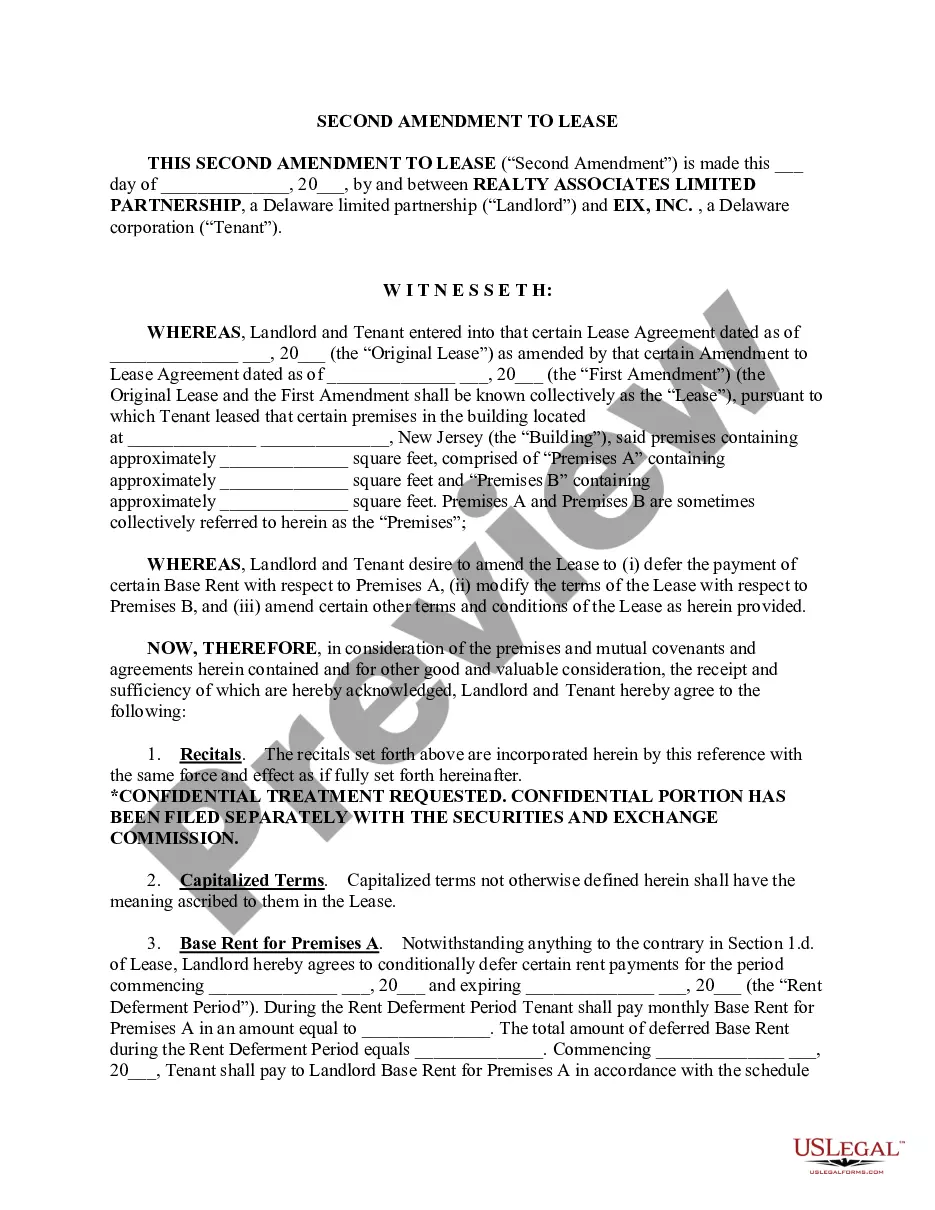
The Amendment to Lease or Rental Agreement is a legal document used to formally modify the terms of an existing rental agreement between a landlord and tenant. This amendment allows both parties to record changes clearly, ensuring that any agreed-upon modifications are legally recognized. Unlike verbal agreements, which can lead to disputes, this written amendment provides clarity and security for both parties involved.
Key components of this form
- Date of the original lease or rental agreement
- Names and contact information of the landlord and tenant
- Property address being rented
- Specific changes to the terms of the rental agreement
- Signatures of both the landlord and tenant
- Date of the amendment's execution
When this form is needed
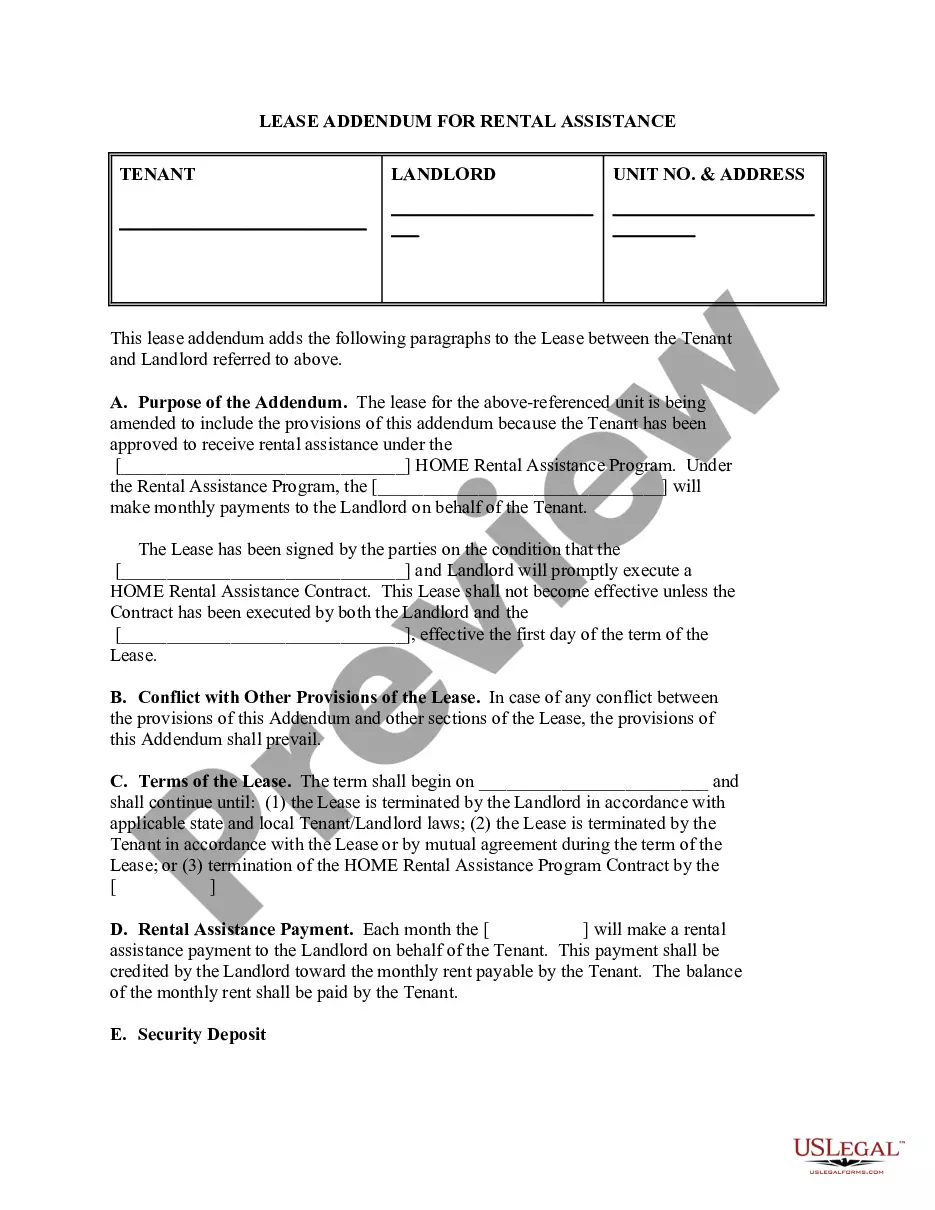
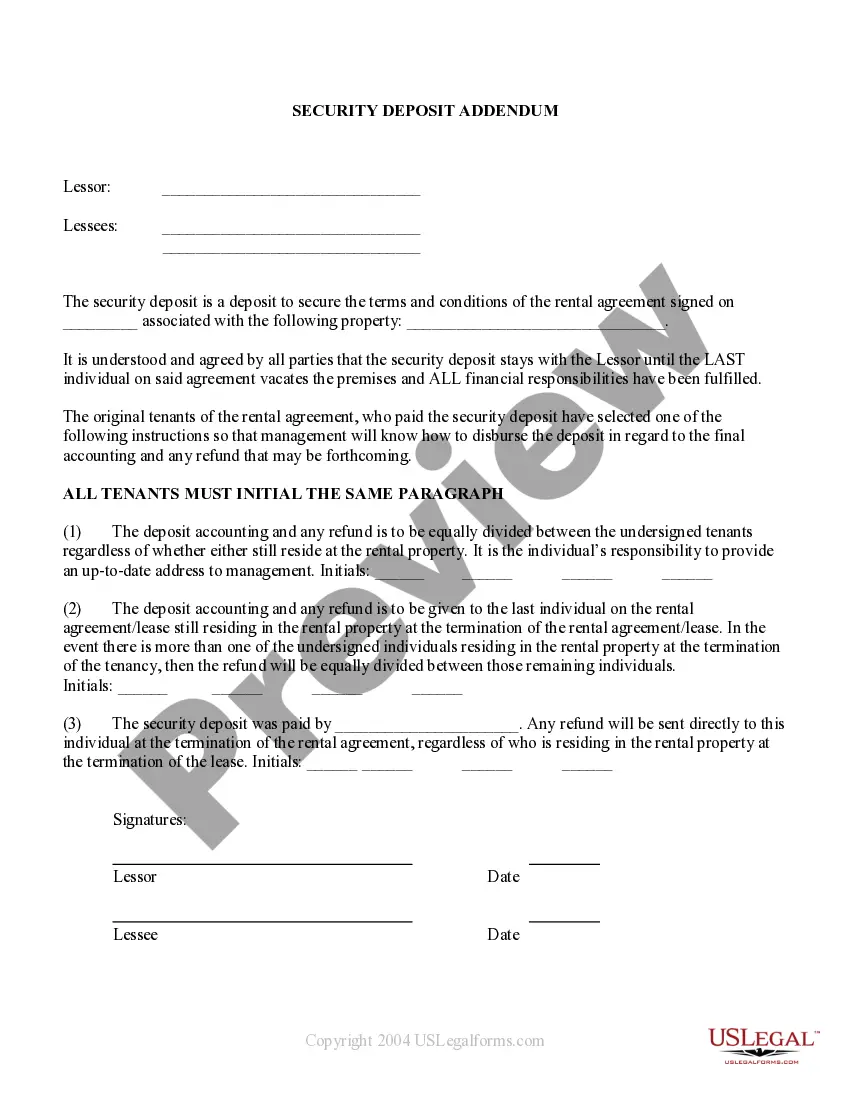
Use the Amendment to Lease or Rental Agreement form in any situation where modifications to the existing lease terms are necessary. Common scenarios include adjusting rental rates, extending the lease duration, changing pet policies, or adding new tenants. Having these modifications documented helps prevent misunderstandings in the future.
Who can use this document
- Landlords who wish to modify an existing lease agreement.
- Tenants who want to ensure that changes to their rental agreement are legally recognized.
- Property management companies handling lease agreements on behalf of landlords.
How to complete this form
- Identify the original lease date and enter the date in the designated field.
- Fill in the names of both the landlord and tenant as they appear in the original agreement.
- Specify the property address related to the lease or rental agreement.
- Clearly outline the changes being agreed upon in detail.
- Have both parties sign and date the amendment to validate it.
Does this form need to be notarized?
This form does not typically require notarization unless specified by local law. It is recommended to check local regulations to confirm any additional requirements for validity.
Get your form ready online
Our built-in tools help you complete, sign, share, and store your documents in one place.
Make edits, fill in missing information, and update formatting in US Legal Forms—just like you would in MS Word.
Download a copy, print it, send it by email, or mail it via USPS—whatever works best for your next step.
Sign and collect signatures with our SignNow integration. Send to multiple recipients, set reminders, and more. Go Premium to unlock E-Sign.
If this form requires notarization, complete it online through a secure video call—no need to meet a notary in person or wait for an appointment.
We protect your documents and personal data by following strict security and privacy standards.

Make edits, fill in missing information, and update formatting in US Legal Forms—just like you would in MS Word.

Download a copy, print it, send it by email, or mail it via USPS—whatever works best for your next step.

Sign and collect signatures with our SignNow integration. Send to multiple recipients, set reminders, and more. Go Premium to unlock E-Sign.

If this form requires notarization, complete it online through a secure video call—no need to meet a notary in person or wait for an appointment.

We protect your documents and personal data by following strict security and privacy standards.
Typical mistakes to avoid
- Failing to write down all agreed changes clearly, which can lead to misunderstandings.
- Not signing the amendment by all parties involved.
- Neglecting to date the amendment document.
Benefits of using this form online
- Convenience of downloading and editing the form from anywhere.
- Access to templates drafted by licensed attorneys, ensuring legal compliance.
- Ability to save and store a digital copy for easy reference.
Quick recap
- The Amendment to Lease or Rental Agreement helps document changes to rental terms clearly and legally.
- Both parties should agree to and sign the amendment to ensure it is enforceable.
- Any changes should be detailed clearly to avoid future disputes.
Looking for another form?
Form popularity
FAQ
In Oklahoma, if a tenant does not pay rent on time, the landlord must provide the tenant with a written notice that gives the tenant five days to pay the rent. If the landlord does not receive the rent within the five days, then the landlord can proceed with an eviction lawsuit.
Although renters must abide by the Homeowners' Association rules, they still have rights under the law. The property owner must also follow their home state's Landlord-Tenant Laws that include the Fair Housing Act and Fair Credit Reporting Act.
The Tenant Doesn't Make Enough Income. The Tenant Smokes. The Tenant Has a Pet. The Tenant's Income Isn't Verified. The Tenant Has Been Convicted of a Crime. The Tenant Does Not Have Rental History. The Tenant Has a History of Damaging Property and Not Paying Rent. The Tenant Provides False Information.
Adding an Addendum An addendum must include the basic elements of any landlord/tenant agreement. You should include the date, the address of the rental property and the names of each party just as you would in the original lease.
A: Except in the case of a single family residence, your landlord must keep all common areas used by more than one tenant safe and clean; keep your premises in a safe, livable condition; keep all electrical, plumbing, sanitary, heating, ventilation, air-conditioning and other facilities and appliances supplied by the
A lease is automatically void when it is against the law, such as a lease for an illegal purpose. In other circumstances, like fraud or duress, a lease can be declared void at the request of one party but not the other.
A lease and addendum are esentially the same thing, 'the lease'. The addendum is part of the lease, it does not stand on it's own. If the lease and addendum say different things, but one does not supercede the other, it's ambigious, and the least restrictive clause stands.
Tenants also have certain rights under federal, state, and some local laws. These include the right to not be discriminated against, the right to a habitable home, and the right to not be charged more for a security deposit than is allowed by state law, to name just a few.
Mostbut not allstates require the lease to be in writing to be considered valid. Among the states that require written leases, valid ones must include a description of the property.Additionally, a lease must include the amount of rent that is due. It must show when rent is due, and how it should be paid.