Oklahoma Motion for Inclusion in Child Visitation Custody
What this document covers
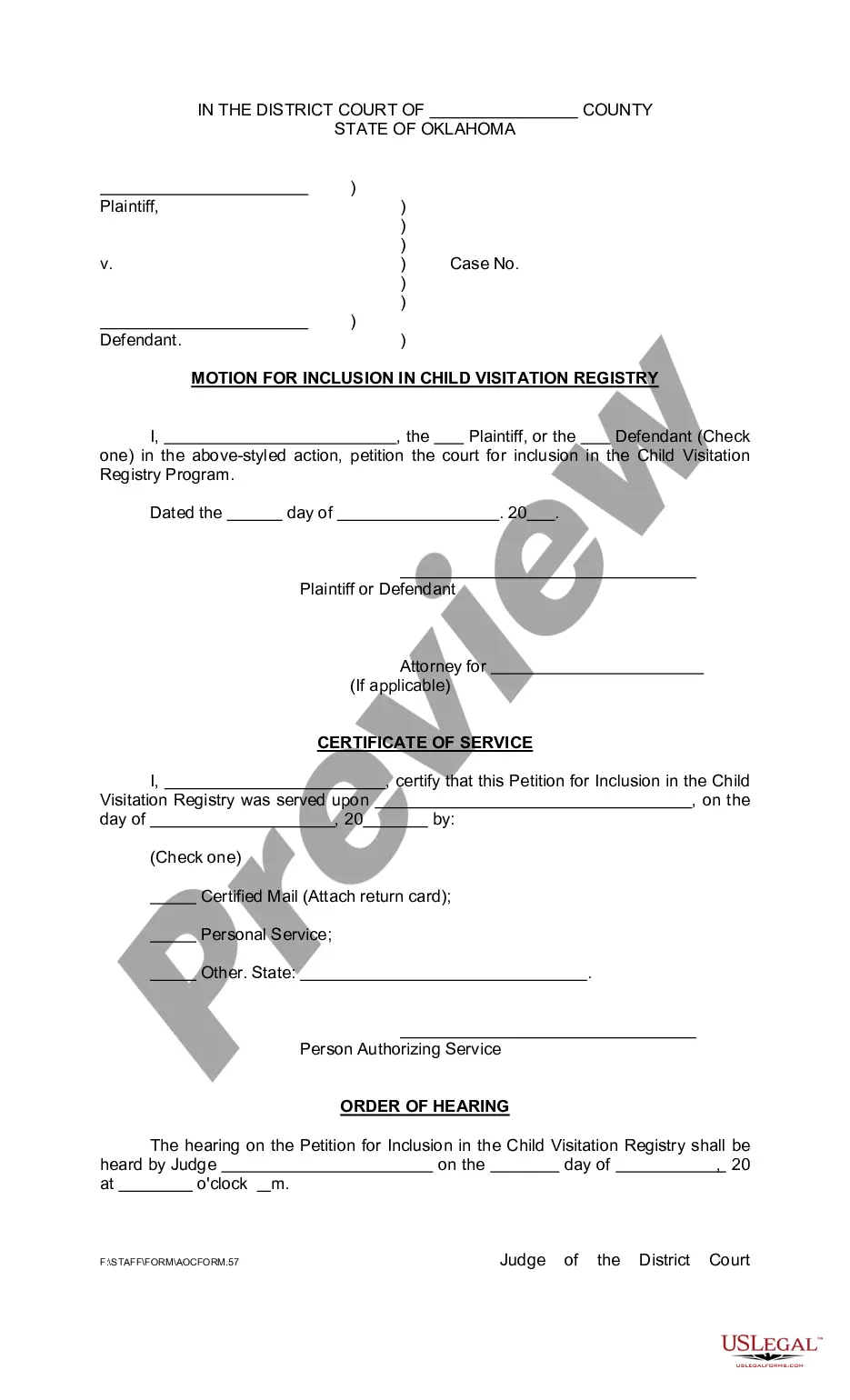
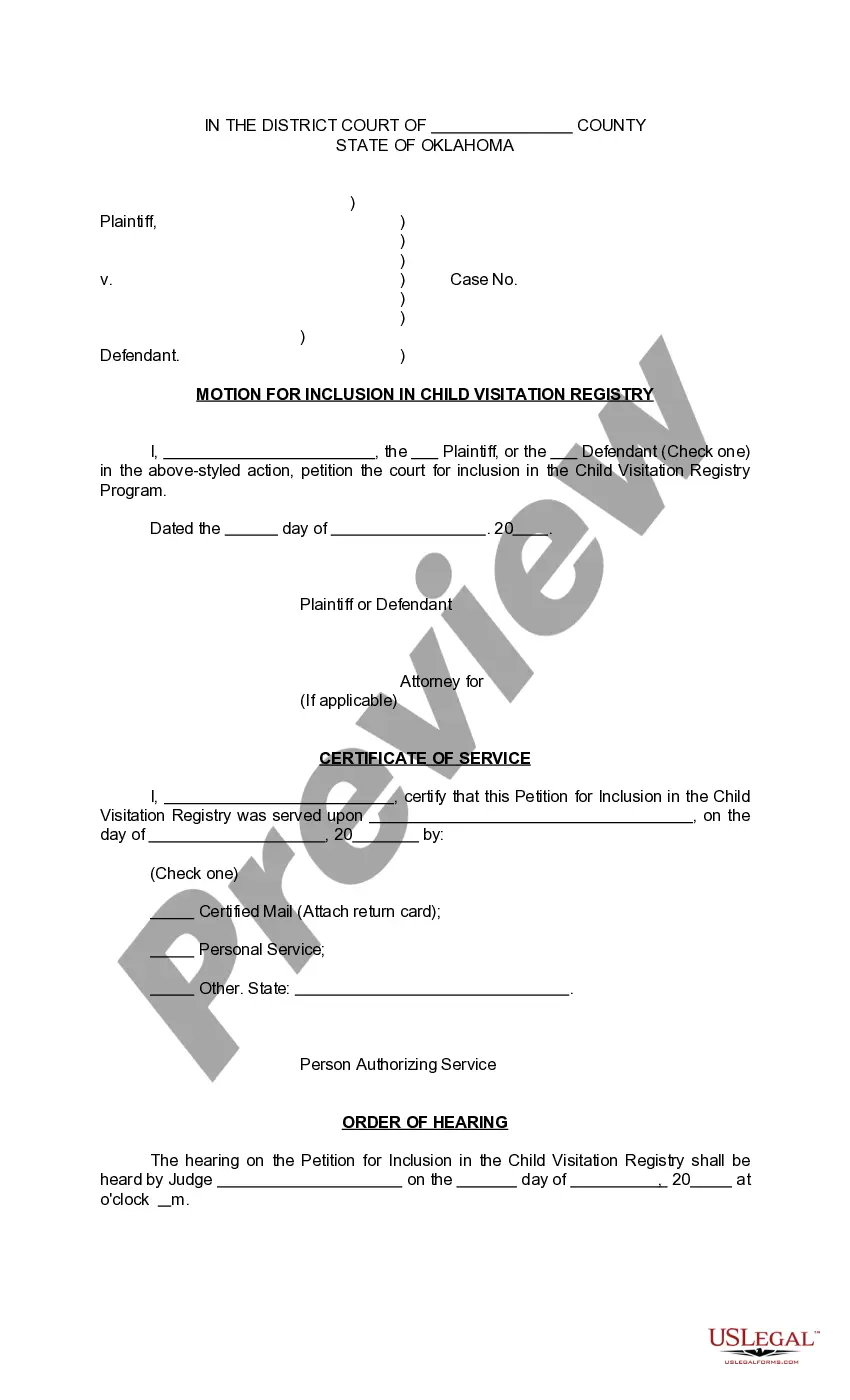
The Motion for Inclusion in Child Visitation Custody is a legal document used to request the inclusion of parties in the Child Visitation Registry Program. This motion is essential for establishing a structured visitation schedule for children involved in custody disputes, ultimately promoting the childâs best interests. Unlike other forms related to child custody, this specific motion focuses on registering the parents or guardians with a designated visitation program to ensure tailored compliance with visitation orders.
What’s included in this form
- Identification of the plaintiff or defendant in the case.
- Petition details outlining the request for inclusion in the Child Visitation Registry.
- Certificate of Service, confirming the delivery of the motion to all relevant parties.
- Order of Hearing, stating the details of the court hearing and the judge presiding.
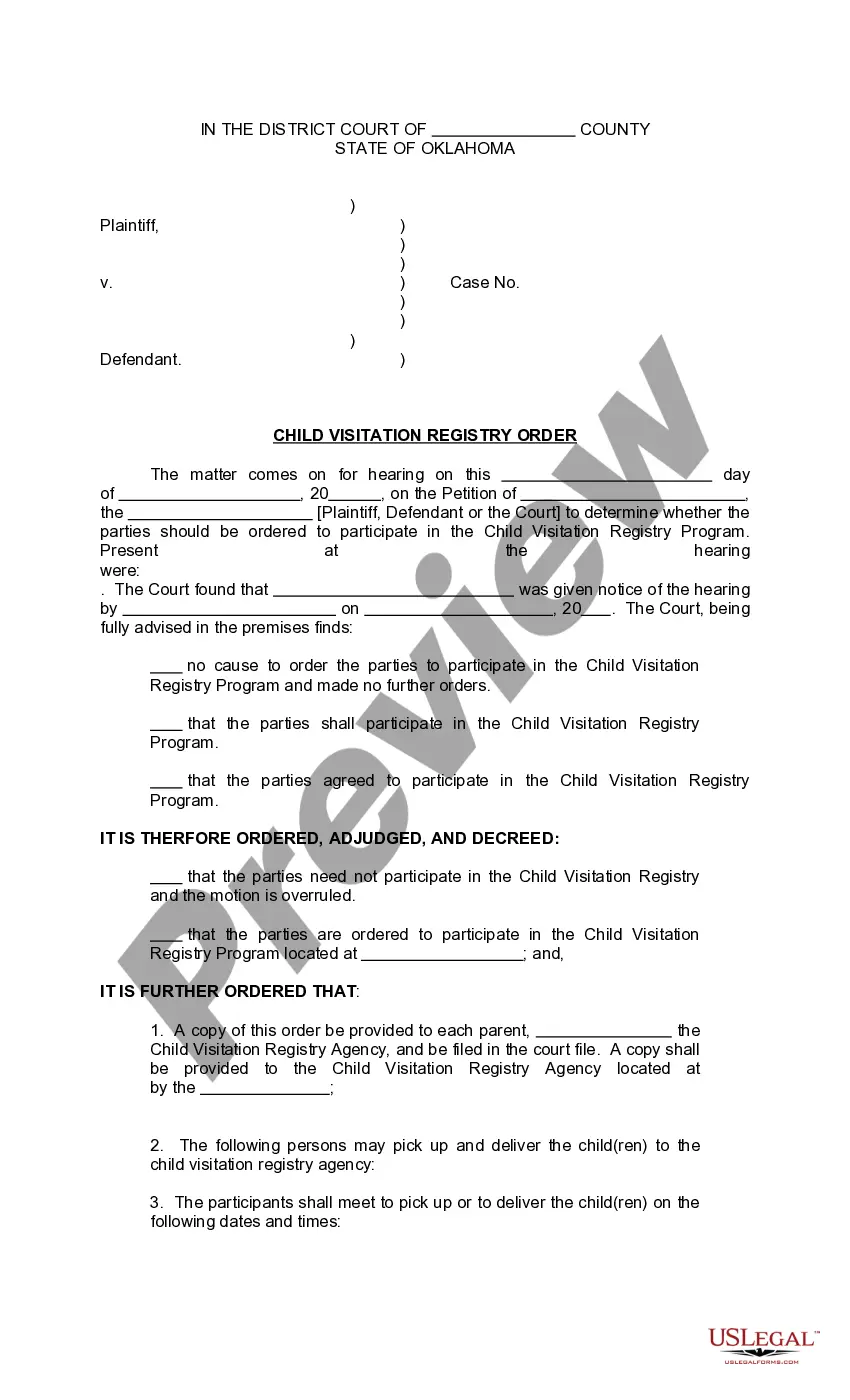
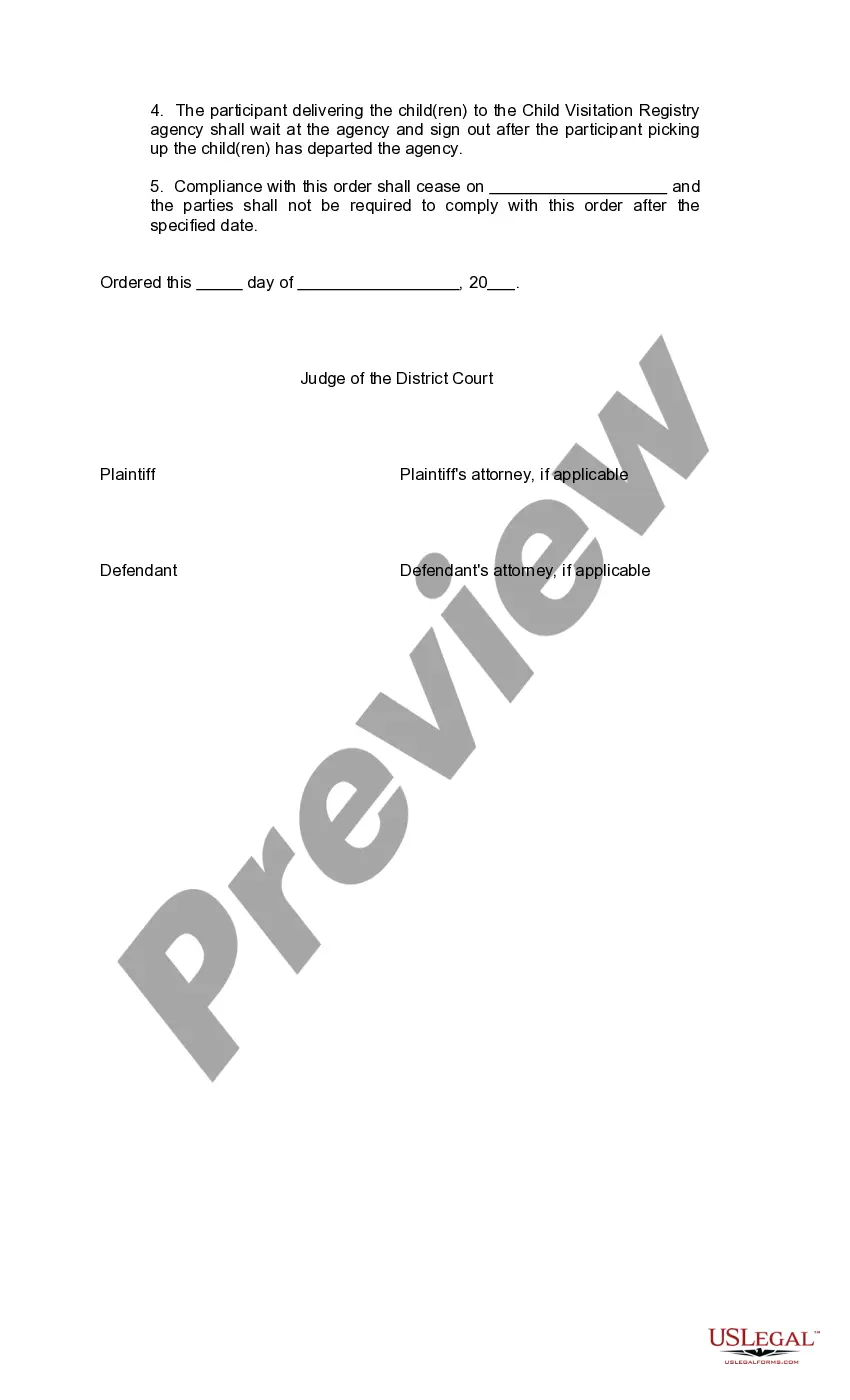
- Child Visitation Registry Order sections, specifying participant obligations and registry details.

When this form is needed
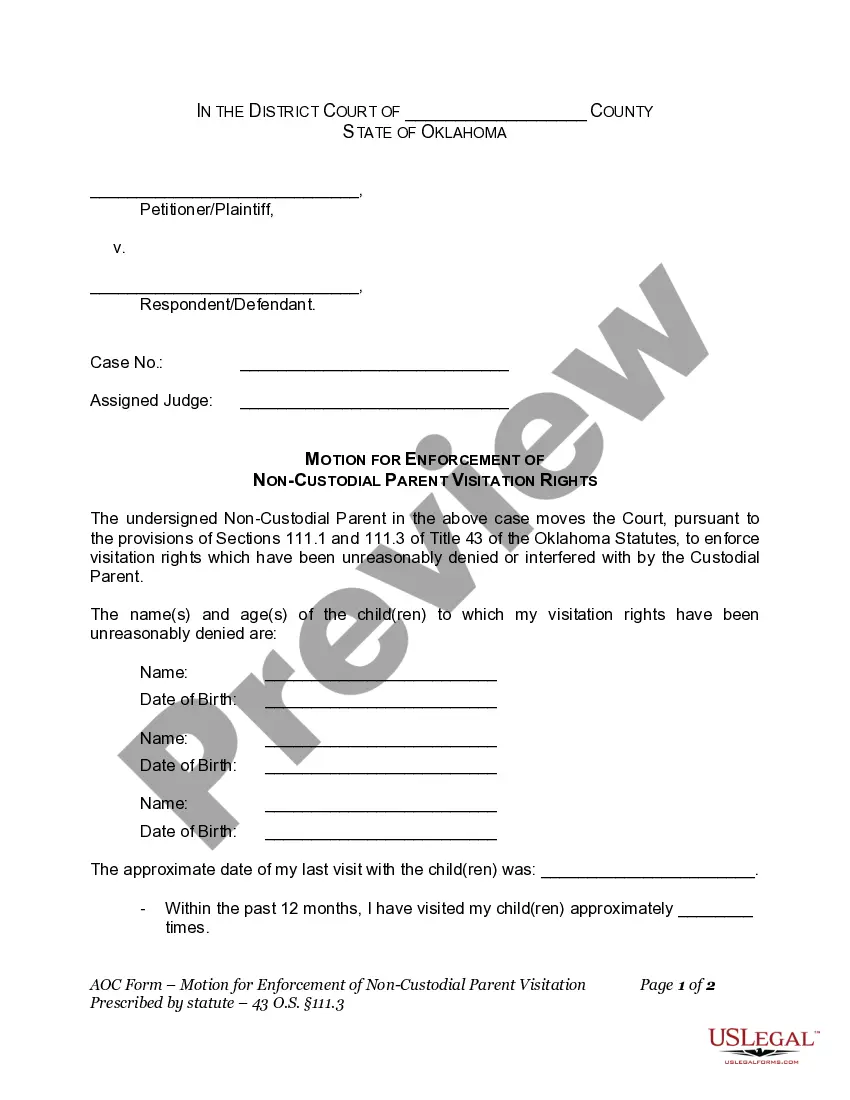
This form should be used when parents or guardians wish to formalize a visitation arrangement through the Child Visitation Registry Program. It is commonly needed in cases of divorce, separation, or when establishing visitation rights for non-custodial parents. The motion helps ensure that both parties adhere to established visitation schedules, fostering a more stable environment for the child.
Who should use this form
This form is intended for:
- Parents seeking to include themselves in the Child Visitation Registry.
- Guardians of children involved in visitation disputes.
- Legal representatives who are assisting clients with custody arrangements.
How to complete this form
Follow these steps to complete the Motion for Inclusion in Child Visitation Custody:
- Identify and check whether you are the plaintiff or defendant at the top of the form.
- Enter the case number and the date of the motion.
- Provide the signatory information, including signatures of both parties if applicable.
- Ensure the Certificate of Service is filled out, indicating how and when the parties were notified.
- Complete the Order of Hearing section with dates and times for court proceedings.
Notarization guidance
This form does not typically require notarization unless specified by local law. It is important to verify any specific requirements in Oklahoma before submission.
Get your form ready online
Our built-in tools help you complete, sign, share, and store your documents in one place.
Make edits, fill in missing information, and update formatting in US Legal Forms—just like you would in MS Word.
Download a copy, print it, send it by email, or mail it via USPS—whatever works best for your next step.
Sign and collect signatures with our SignNow integration. Send to multiple recipients, set reminders, and more. Go Premium to unlock E-Sign.
If this form requires notarization, complete it online through a secure video call—no need to meet a notary in person or wait for an appointment.
We protect your documents and personal data by following strict security and privacy standards.

Make edits, fill in missing information, and update formatting in US Legal Forms—just like you would in MS Word.

Download a copy, print it, send it by email, or mail it via USPS—whatever works best for your next step.

Sign and collect signatures with our SignNow integration. Send to multiple recipients, set reminders, and more. Go Premium to unlock E-Sign.

If this form requires notarization, complete it online through a secure video call—no need to meet a notary in person or wait for an appointment.

We protect your documents and personal data by following strict security and privacy standards.
Common mistakes to avoid
- Failing to accurately indicate whether you are the plaintiff or defendant.
- Not providing a complete Certificate of Service, which may lead to delays.
- Omitting necessary signatures from all parties involved in the motion.
- Forgetting to fill in the date and time details of the hearing.
Advantages of online completion
- Access to professionally drafted templates by licensed attorneys.
- Convenience of completing the form from anywhere at any time.
- Easy editability to tailor the form to your specific circumstances.
- Quick download and printing options.
Legal use & context
Using this motion legally requires adherence to state guidelines concerning child custody and visitation. This form serves as a means to record and protect custody agreements, ensuring that both parties follow the court's directives under the Child Visitation Registry Program.
Summary of main points
- The Motion for Inclusion in Child Visitation Custody is vital for formalizing visitation in Oklahoma.
- Accurate completion of the form is crucial for ensuring legal compliance.
- Ensure that all parties involved are informed and sign the required sections.
- Utilizing this form online streamlines the process and provides access to expert resources.
Looking for another form?
Form popularity
FAQ
§ 11.405 Interference with custody. (a) Custody of children. A person commits a misdemeanor if he or she knowingly or recklessly takes or entices any child under the age of 18 from the custody of his or her parent, guardian or other lawful custodian, when he or she has no privilege to do so.
§ 11.405 Interference with custody.A person commits a misdemeanor if he or she knowingly or recklessly takes or entices any child under the age of 18 from the custody of his or her parent, guardian or other lawful custodian, when he or she has no privilege to do so.
That the defendant's conduct was extreme or outrageous; That the defendant either intended or recklessly disregarded the causing of emotional distress; That the plaintiff actually suffered severe or extreme emotional distress; and. That the defendant's conduct actually or proximately caused the distress.
1 attorney answer The age would be 18 when a person can choose what they want to do with visitation. At age 12 a child can state a preference, but it is ultimately up to courts.
Keep meticulous records. Note conversations with the other parent, keep printouts of text messages and emails, call logs, and any disruptions to parenting time. Private interview with the judge. It is possible to request that the judge interview your daughter in private. Work with a child custody evaluator.
Parental interference occurs when one parent disrupts custody or visitation order or agreement. This can happen in a direct fashion, such as when a parent physically keeps a child from seeing his or her other parent, but it can also be indirect in nature.When parental interference occurs, legal action is justified.
The Oklahoma legislature has enacted a law that states that if a parent has been convicted of domestic abuse within the last five years or is living with someone who has been convicted of domestic abuse in the last five years, they are presumed to be unfit to have custody of the child.
When can my child decide which parent to live with? In Oklahoma, a minor child can express a preference as to where he or she chooses to live at the age of twelve (12).
That could mean that the child has his or her own bedroom and possibly bathroom in order to get dressed in private.A judge will look at each situation differently, however, depending upon the circumstances. Space is often a consideration, though.