Oklahoma Letter from Tenant to Landlord for Failure of Landlord to comply with building codes affecting health and safety or resulting in untenantable condition - demand for remedy
What is this form?
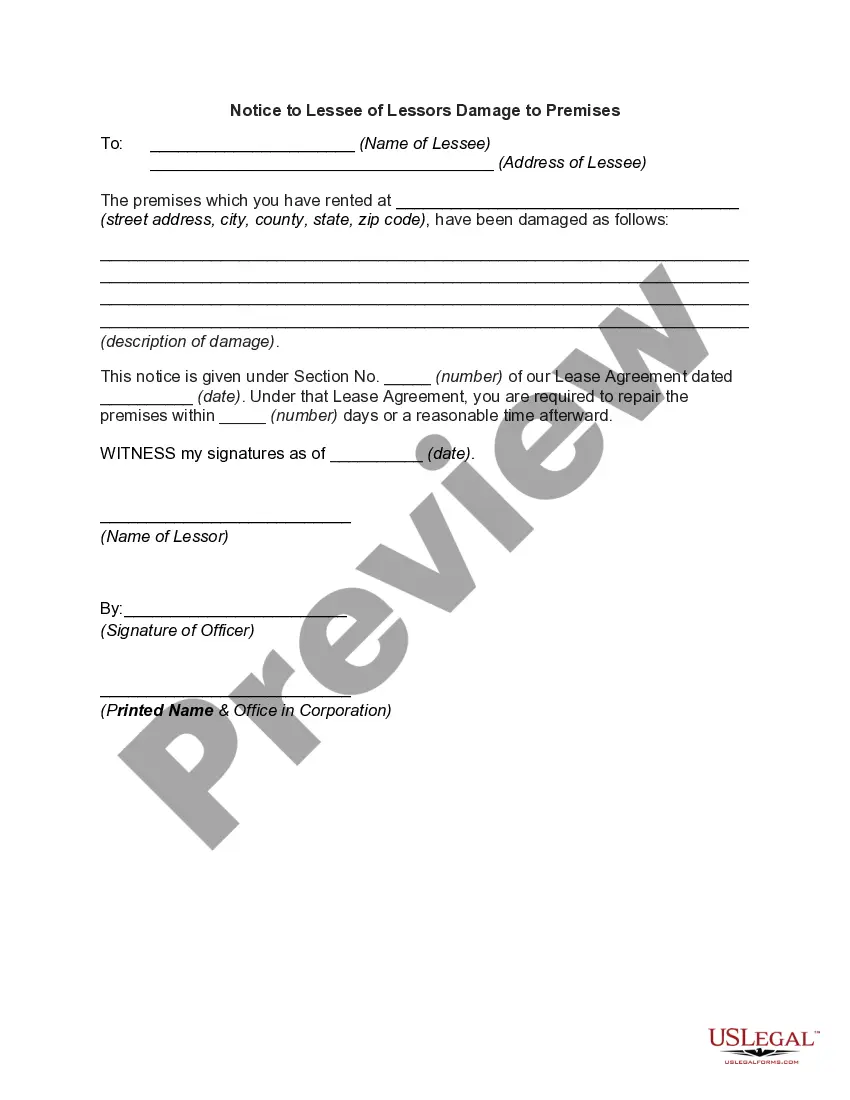
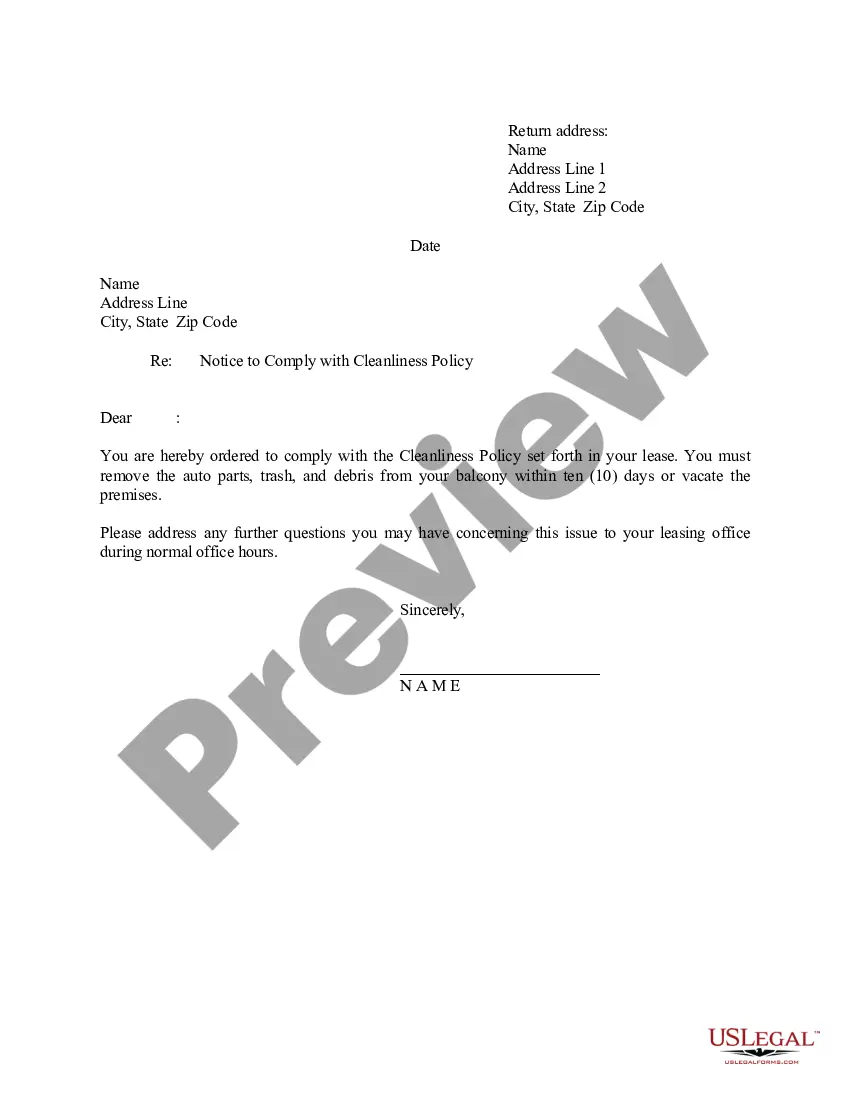
This form is a demand letter from a tenant to a landlord addressing the landlord's failure to comply with building codes that affect health and safety. It specifically requires the landlord to remedy conditions making the leased premises untenantable within ten days. This letter serves as a formal communication and differs from standard lease agreements by focusing on safety and health compliance issues.
What’s included in this form
- Identification of the tenant and landlord
- Description of specific building code violations
- Demand for repairs to be completed within a specified timeframe
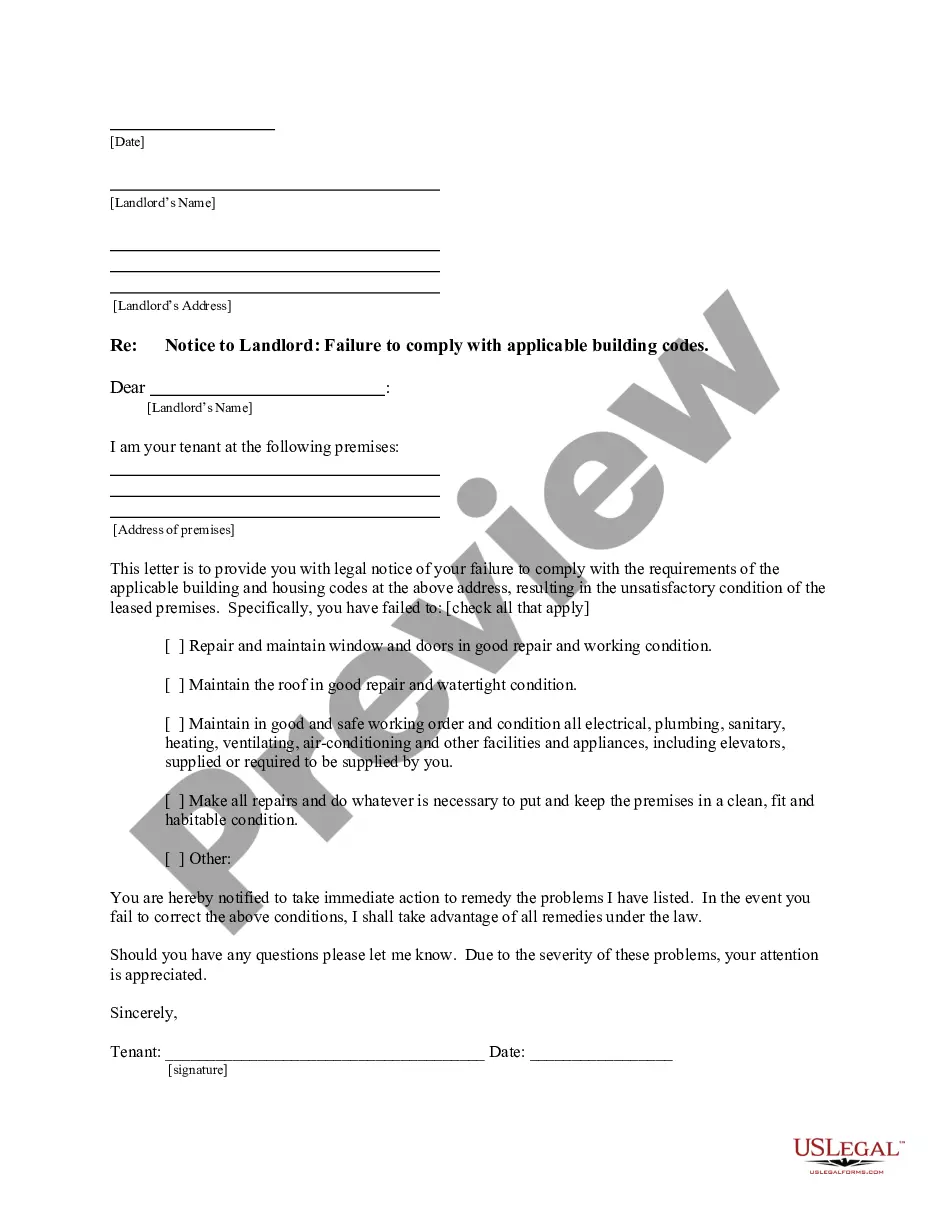
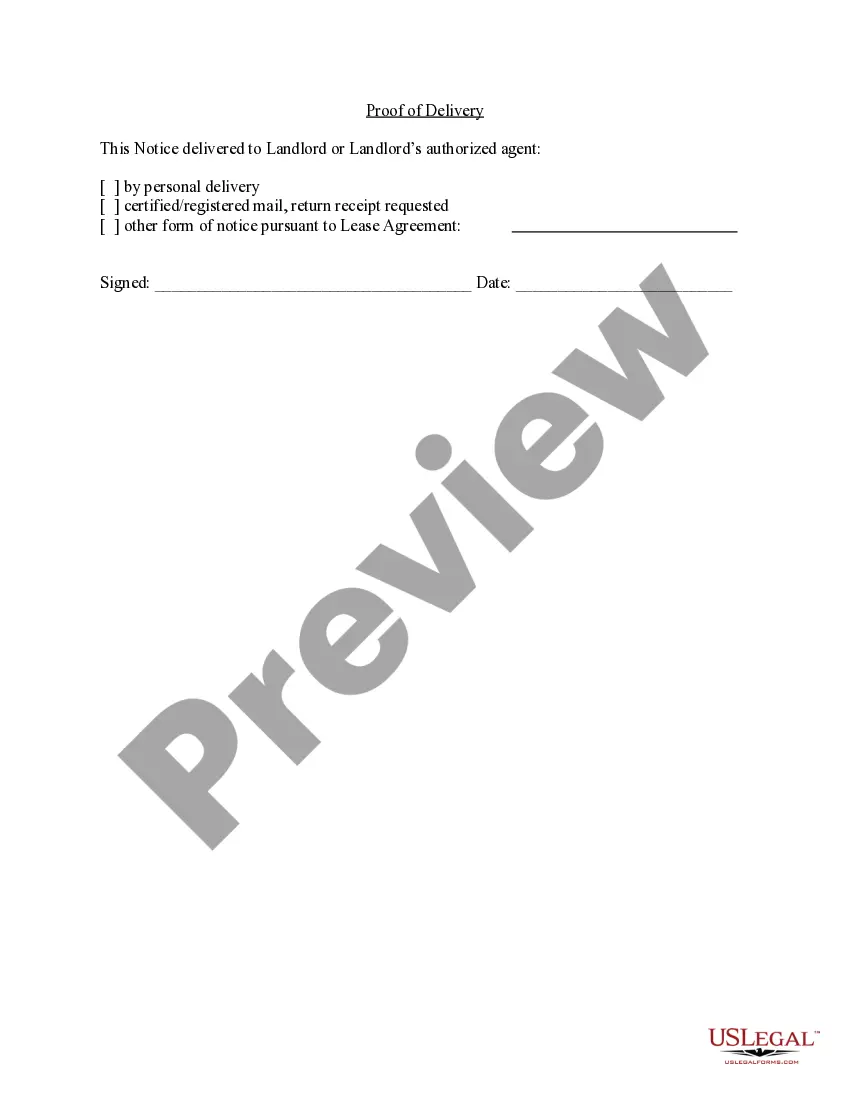
- Provision for proof of delivery to the landlord or their authorized agent
- Space for the tenant's signature and date


Common use cases
Use this form when the landlord has neglected their responsibility to maintain the property in a safe and habitable condition. It is appropriate in situations where repairs affecting health and safety are needed and where the tenant wishes to formally notify the landlord of these issues while demanding a resolution within a set period.
Intended users of this form
- Tenants experiencing unsafe or unhealthy living conditions
- Individuals who have previously communicated issues with the landlord
- Renters seeking a formal method to address compliance with building codes
Instructions for completing this form
- Identify the names and addresses of both the tenant and landlord.
- Clearly outline the specific building code violations that need correction.
- Specify a deadline for the landlord to make the necessary repairs (typically ten days).
- Consider the method of delivery and document proof of delivery to the landlord.
- Sign and date the letter before sending it to the landlord.
Notarization requirements for this form
This form does not typically require notarization unless specified by local law. It is recommended to consult local regulations for specific requirements.
Get your form ready online
Our built-in tools help you complete, sign, share, and store your documents in one place.
Make edits, fill in missing information, and update formatting in US Legal Forms—just like you would in MS Word.
Download a copy, print it, send it by email, or mail it via USPS—whatever works best for your next step.
Sign and collect signatures with our SignNow integration. Send to multiple recipients, set reminders, and more. Go Premium to unlock E-Sign.
If this form requires notarization, complete it online through a secure video call—no need to meet a notary in person or wait for an appointment.
We protect your documents and personal data by following strict security and privacy standards.

Make edits, fill in missing information, and update formatting in US Legal Forms—just like you would in MS Word.

Download a copy, print it, send it by email, or mail it via USPS—whatever works best for your next step.

Sign and collect signatures with our SignNow integration. Send to multiple recipients, set reminders, and more. Go Premium to unlock E-Sign.

If this form requires notarization, complete it online through a secure video call—no need to meet a notary in person or wait for an appointment.

We protect your documents and personal data by following strict security and privacy standards.
Common mistakes
- Failing to include specific details about the code violations.
- Not providing a clear deadline for repairs.
- Neglecting to obtain proof of delivery for the letter.
- Using vague language instead of clearly detailing the issues.
Why complete this form online
- Convenient access to download and customize the form at any time.
- Easily editable to fit the specific details of your situation.
- Reliable templates drafted by licensed attorneys, ensuring legal compliance.
Legal use & context
- This letter serves as a formal notice and can be used to support future legal action if repairs are not made.
- It reinforces the tenant's rights under local housing regulations regarding repairs and habitability.
Main things to remember
- This form allows tenants to formally request necessary repairs from their landlord.
- Timely submission is crucial to hold the landlord accountable.
- Proper documentation, including proof of delivery, reinforces the tenant's position.
Looking for another form?

Form popularity
FAQ
A rented home is 'unfit for habitation' when conditions or safety issues are so bad that it's not reasonable for you to live there. This could be because the poor conditions: affect your health seriously. put you at risk of physical harm or injury.
Mold, Mildew, and Water Leaks Not all water leaks amount to a major issue or immediately make a property uninhabitable.This falls into the category of environmental hazards, which can also include exposure to lead paint dust (common in older properties) or asbestos insulation.
The first step is to follow the rules set out in the Oklahoma Landlord-Tenant Act. For repairs, give your landlord a written notice of the problem to trigger your legal rights. After that, the landlord has 14 days to fix the problem. But, they cannot be forced to make the repairs.
Uninhabitable conditions can include dangerous ones, such as holes in the floor, unsafe or exposed wiring, or non-working air conditioning in dangerously hot summer months. Gross infestations of roaches, fleas or other pests are also uninhabitable conditions.
Landlords and Rental Complaints In Federal Housing: To report a landlord, call toll-free 1-800-685-8470 / TTY 1-800-432-2209.
The legal definition of an unsanitary living condition can vary from state-to-state and even county-to-county. However, generally speaking, these definitions might include but are not limited to: excessive dirt or filth in the home. improper building construction or poor maintenance of living quarters.
In California, habitability includes the following specific warranties: A dwelling also may be considered uninhabitable (unlivable) if it substantially lacks any of the following: Effective waterproofing and weather protection of roof and exterior walls, including unbroken windows and doors.
A: Except in the case of a single family residence, your landlord must keep all common areas used by more than one tenant safe and clean; keep your premises in a safe, livable condition; keep all electrical, plumbing, sanitary, heating, ventilation, air-conditioning and other facilities and appliances supplied by the
All occupants over the age of 18 will submit an application and must meet all criteria specified for the primary applicant. Application fees, in the amount of $45 per occupant over 18, cover the cost and administration for running individual background, credit, and rental checks.