Tenant's Questions and Answers in Holdover Eviction Cases for Courts Outside New York City

Notarization guidance
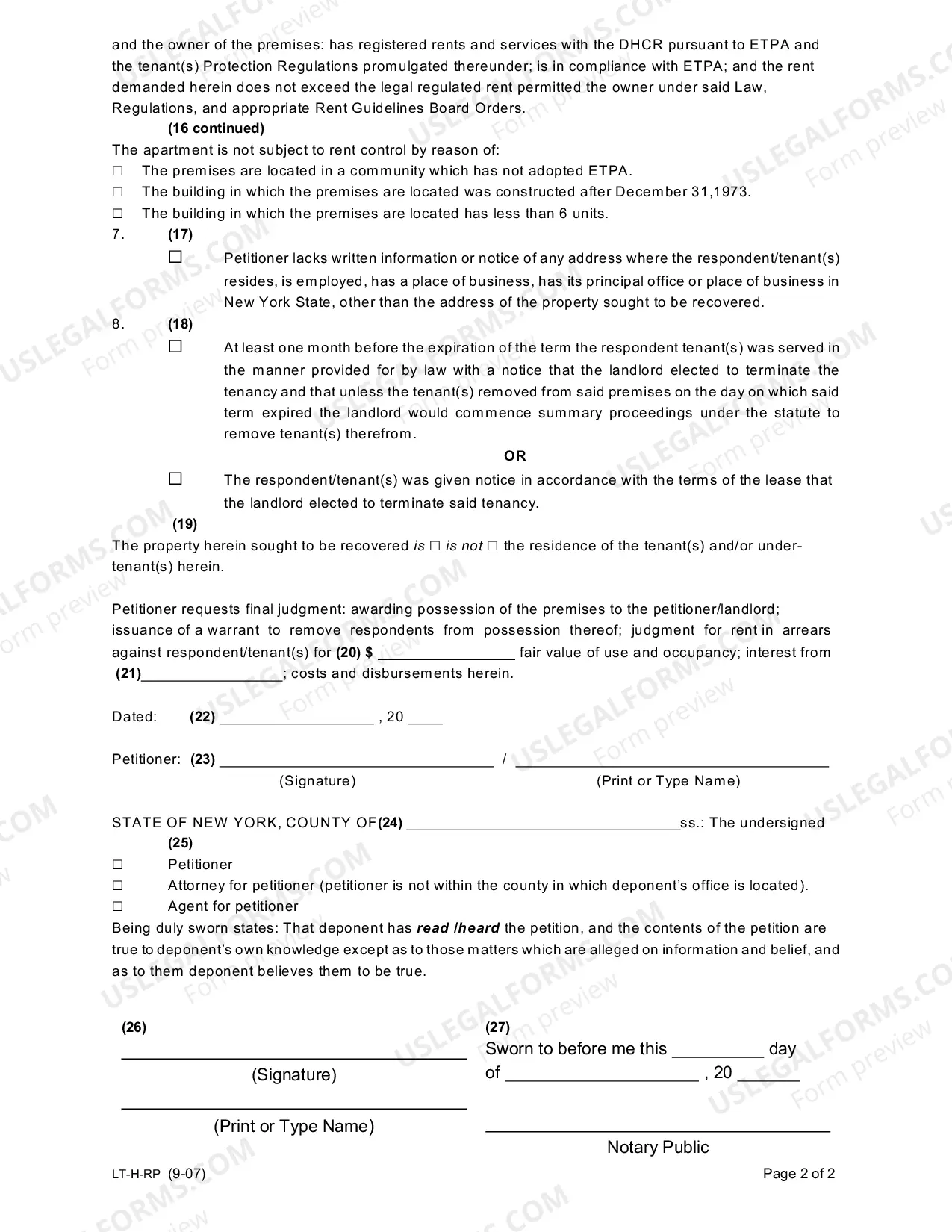
This form does not typically require notarization to be legally valid. However, some jurisdictions or document types may still require it. US Legal Forms provides secure online notarization powered by Notarize, available 24/7 for added convenience.
Get your form ready online
Our built-in tools help you complete, sign, share, and store your documents in one place.
Make edits, fill in missing information, and update formatting in US Legal Forms—just like you would in MS Word.
Download a copy, print it, send it by email, or mail it via USPS—whatever works best for your next step.
Sign and collect signatures with our SignNow integration. Send to multiple recipients, set reminders, and more. Go Premium to unlock E-Sign.
If this form requires notarization, complete it online through a secure video call—no need to meet a notary in person or wait for an appointment.
We protect your documents and personal data by following strict security and privacy standards.

Make edits, fill in missing information, and update formatting in US Legal Forms—just like you would in MS Word.

Download a copy, print it, send it by email, or mail it via USPS—whatever works best for your next step.

Sign and collect signatures with our SignNow integration. Send to multiple recipients, set reminders, and more. Go Premium to unlock E-Sign.

If this form requires notarization, complete it online through a secure video call—no need to meet a notary in person or wait for an appointment.

We protect your documents and personal data by following strict security and privacy standards.
Looking for another form?


Form popularity
FAQ
If you want to evict a month-to-month renter with no lease in place, you must give 30-days notice before you ask for eviction.
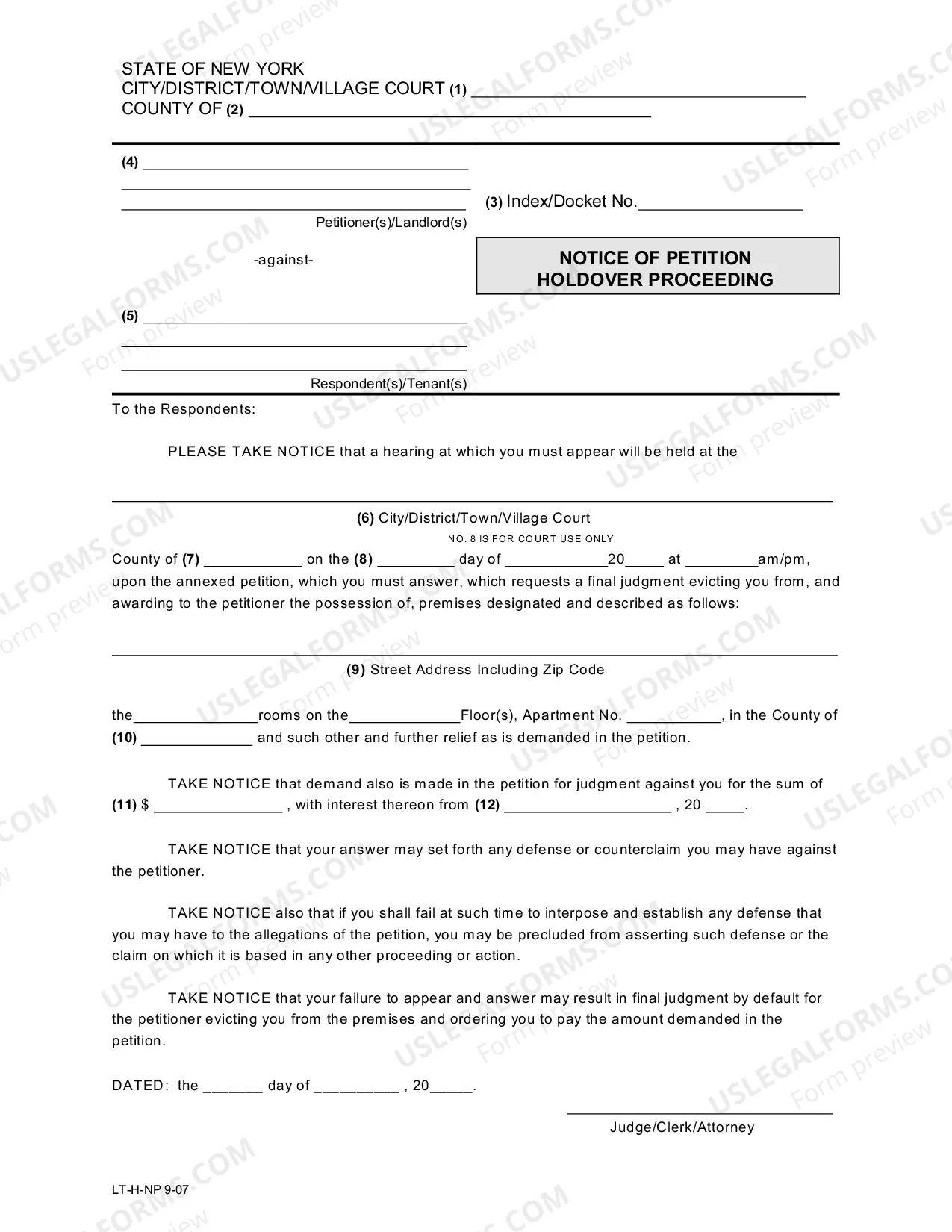
To begin the eviction lawsuit for nonpayment of rent, the landlord must file a petition with the district court or housing court of the county in which the rental unit is located. The court will assign a date for a hearing before a judge, and the tenant will be notified of the proceedings.
You must give the court clerk a warrant of eviction to be signed. After, you must hire and pay a marshal, sheriff, or constable to deliver a notice of eviction to the tenant. The notice of eviction tells the tenant that they have seventy-two hours to leave before they will be forcibly removed from the unit.
The notice must state that the tenant has 14 days to pay rent or move out of the rental unit. If the tenant does not pay the rent or move out of the rental unit within the 14 days, the landlord can begin eviction proceedings against the tenant (see N.Y. Real Prop. Acts § 711(2)).
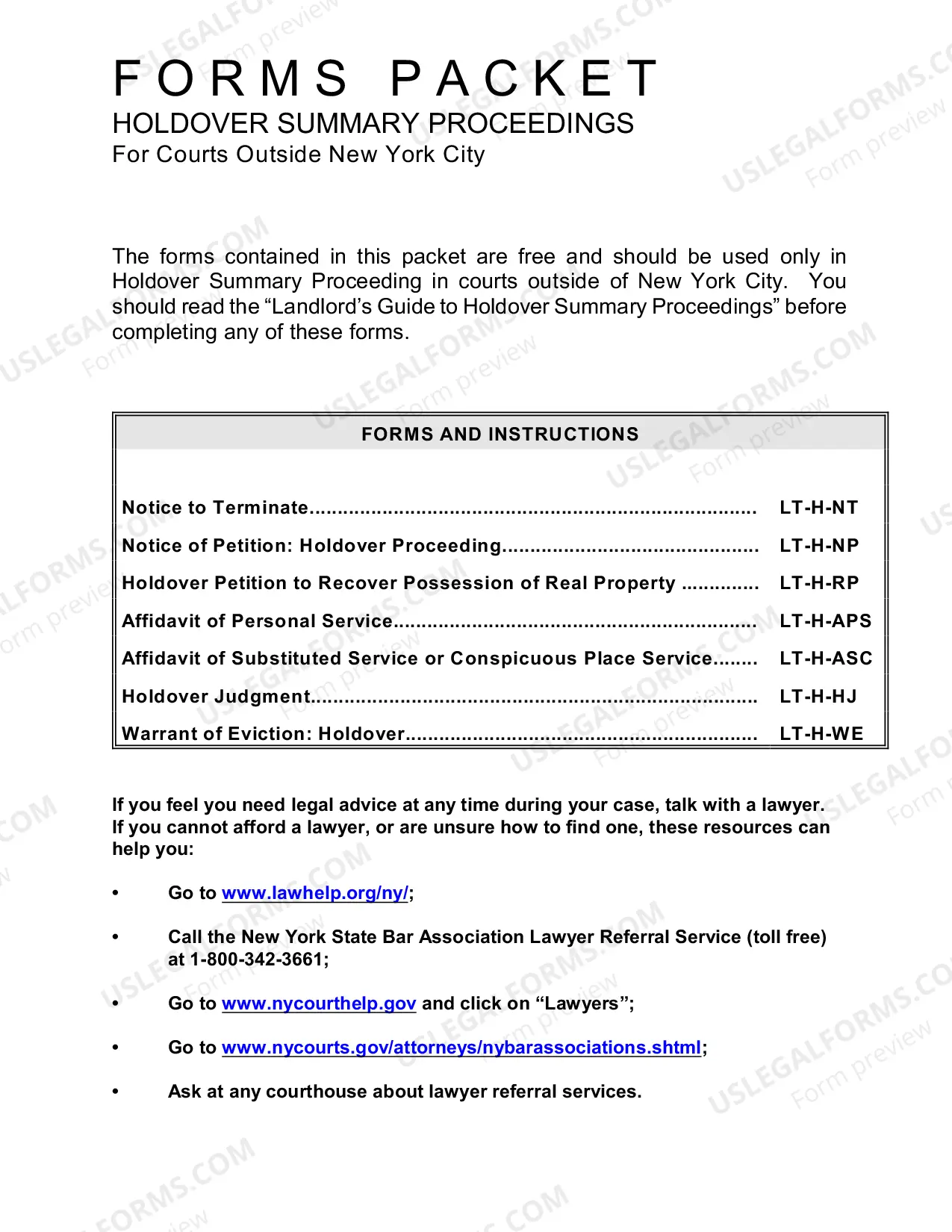
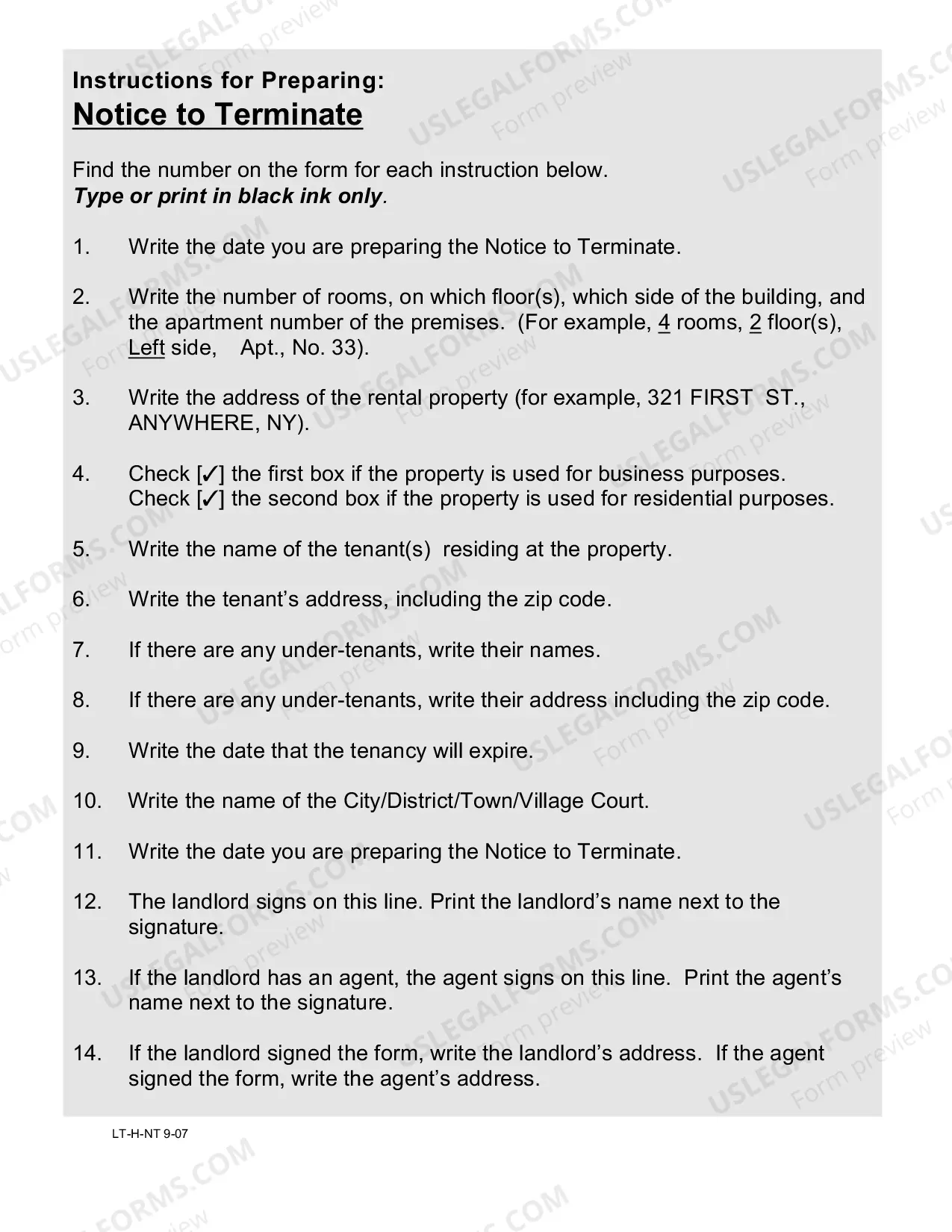
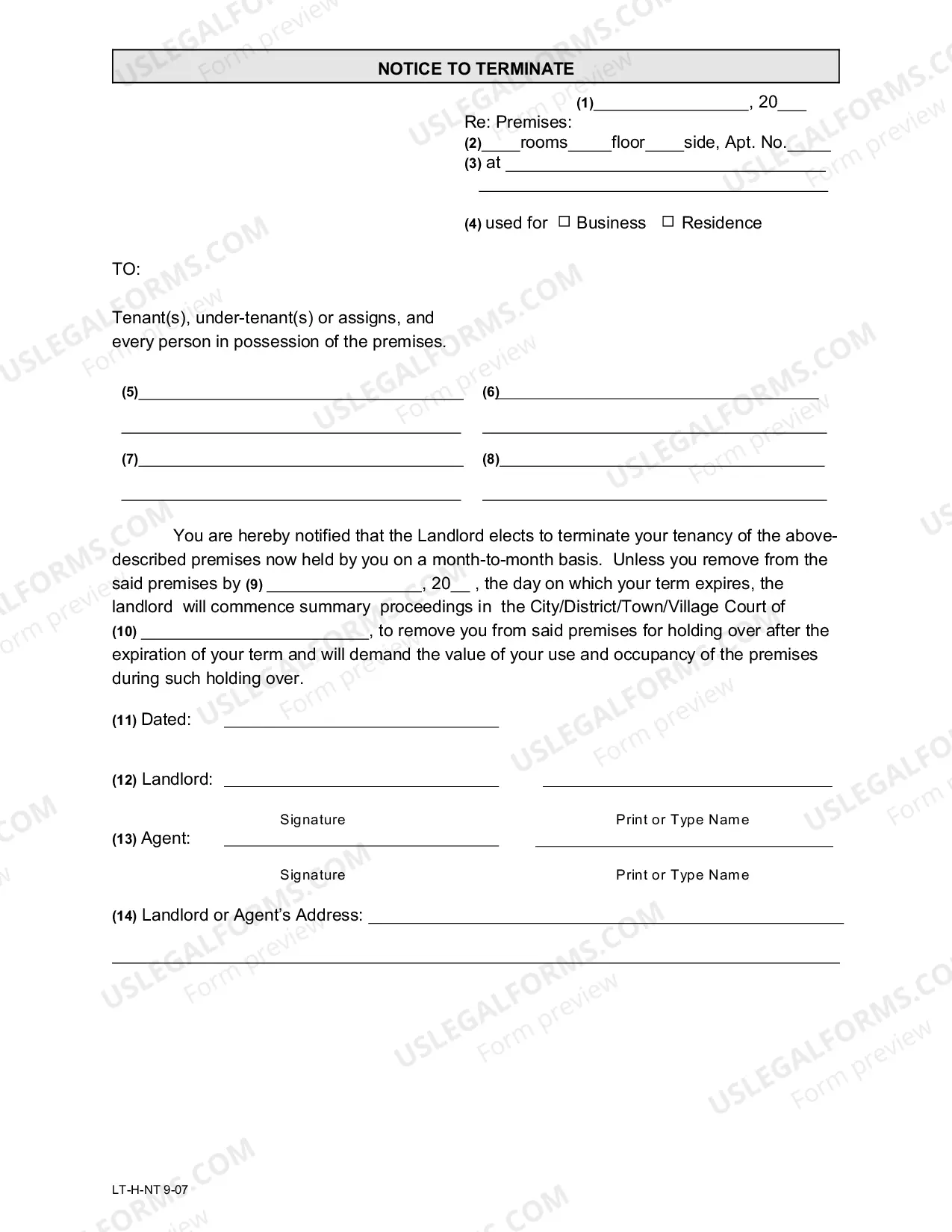
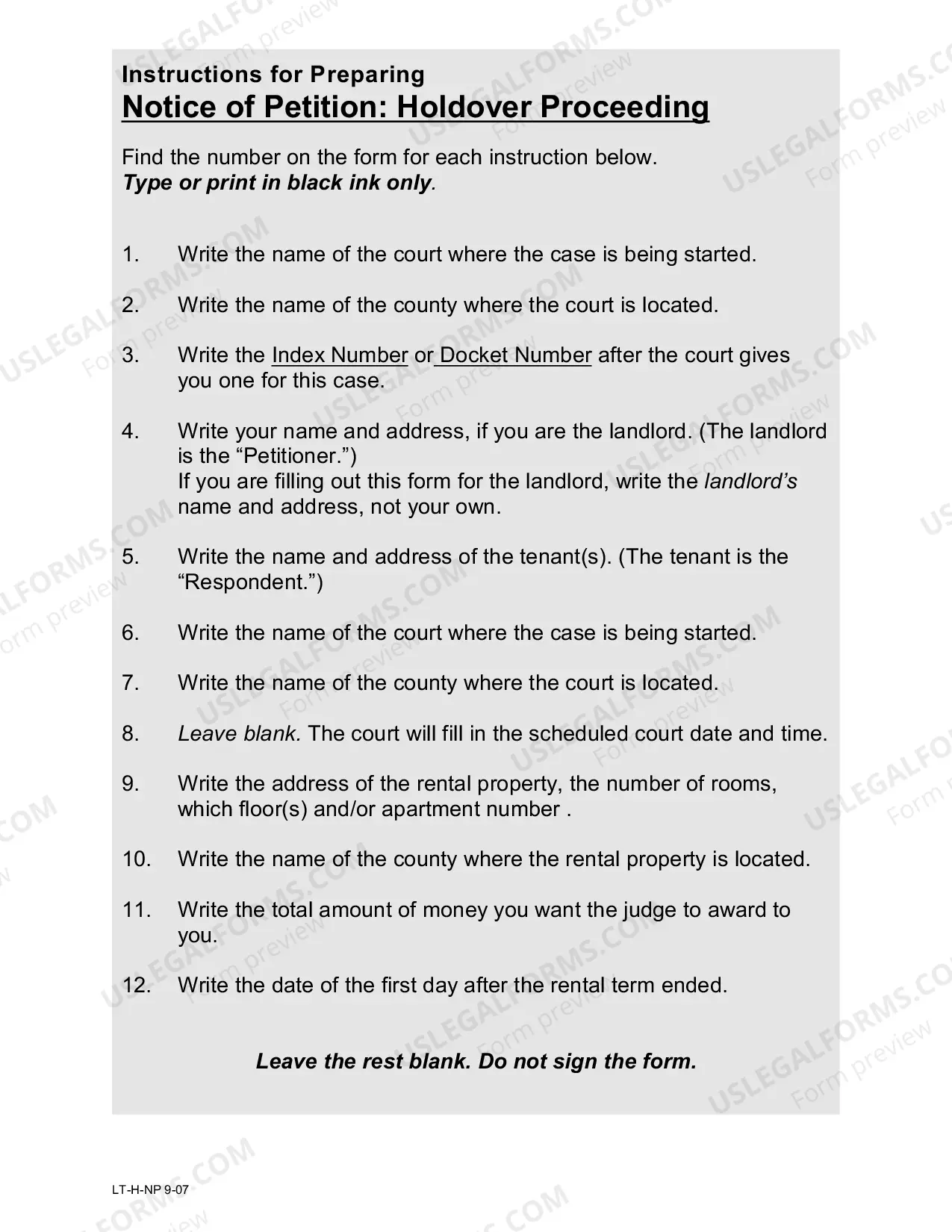
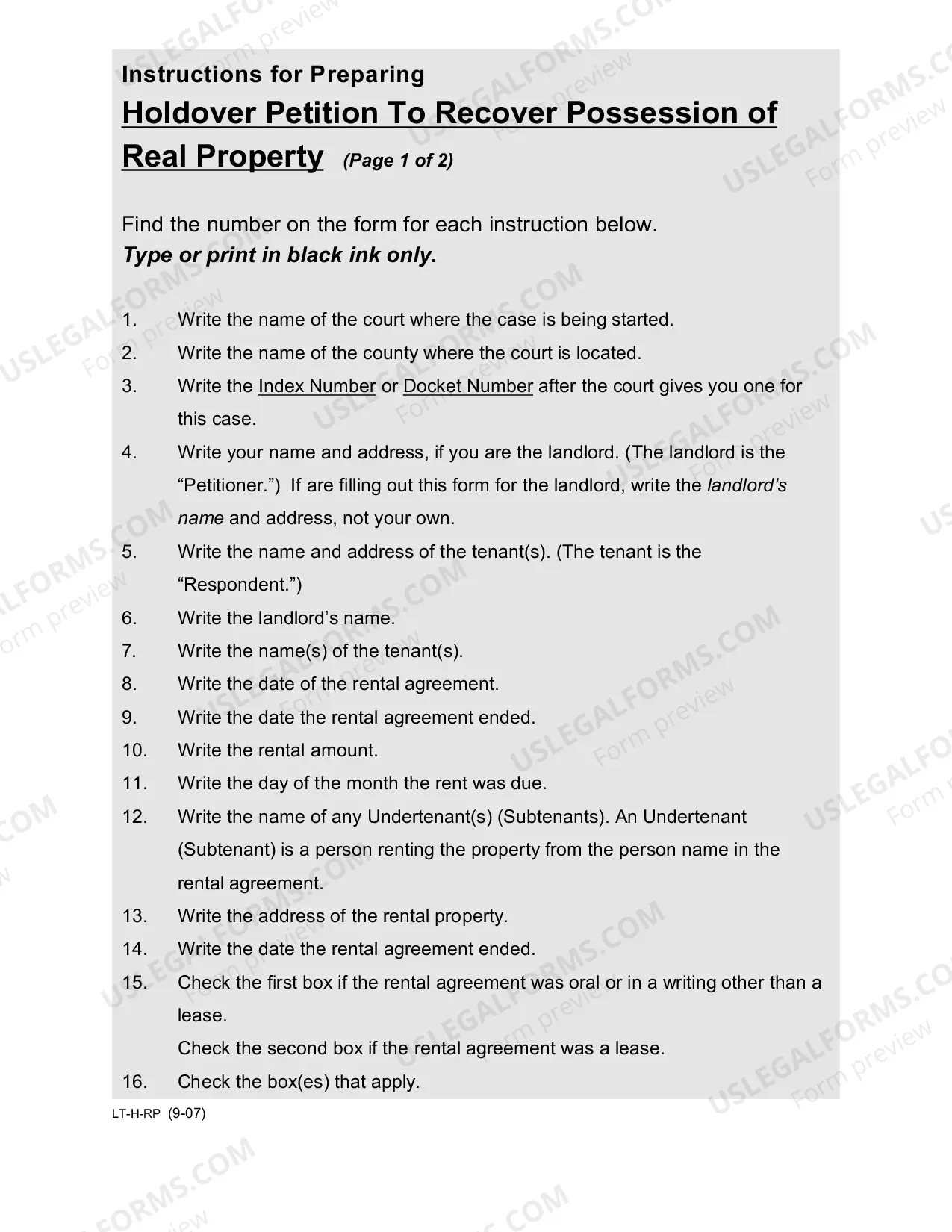
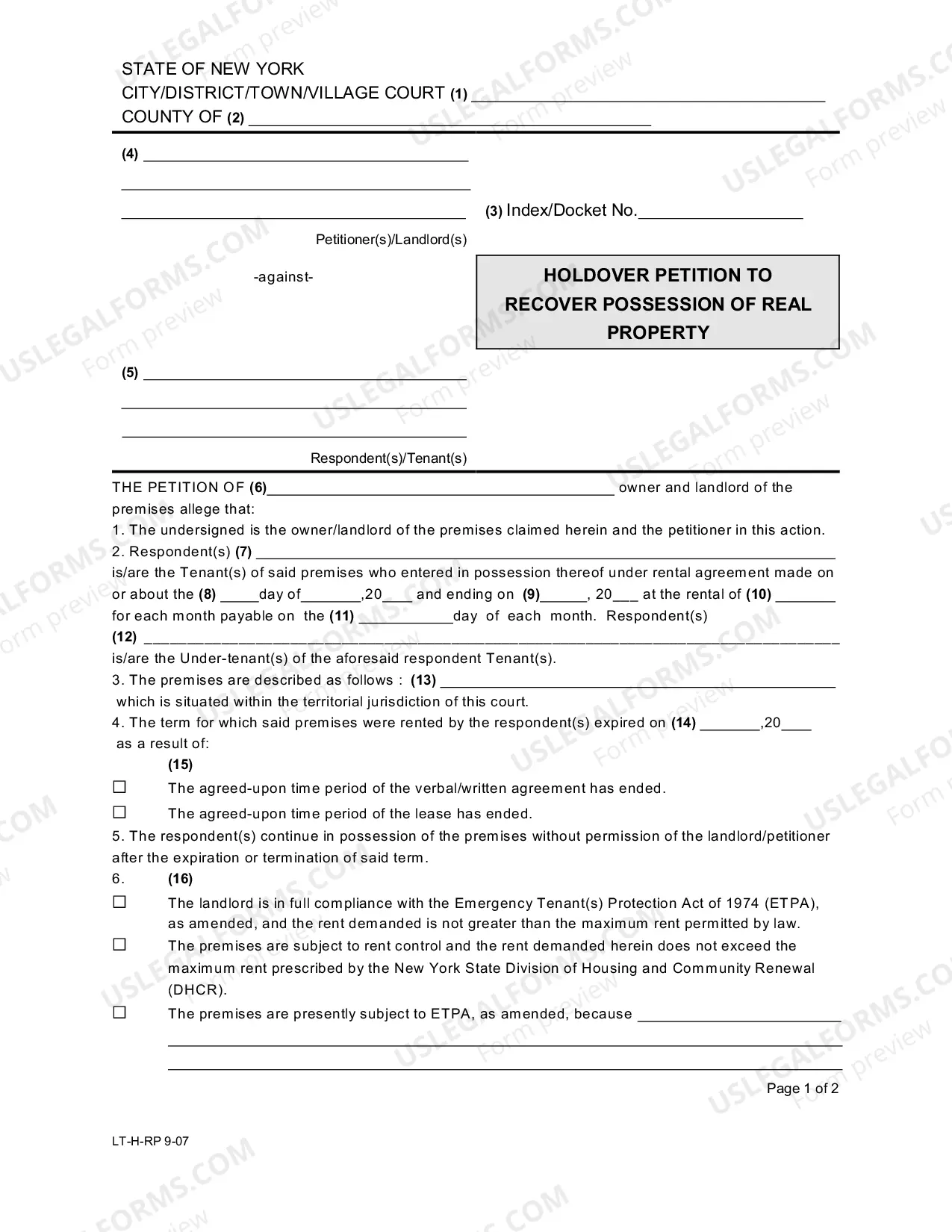
To remove a tenant from a property, a landlord must initiate a holdover proceeding, which essentially is an eviction case that is not based on missed rent payments. This is a process that is usually handled in eviction or small claims courts.
The notice must state that the tenant has 14 days to pay rent or move out of the rental unit. If the tenant does not pay the rent or move out of the rental unit within the 14 days, the landlord can begin eviction proceedings against the tenant (see N.Y.
The process for evicting a holdover tenant in New York is known as a "holdover summary proceeding." 3 It's similar in some ways to a regular eviction proceeding (albeit more complicated) and involves the landlord asking the court's permission to evict the tenant, serving the appropriate court documents to the tenant,
No. The landlord must go to court, must win the case, and then must pay a fee to have a law enforcement officer properly evict you.