New Mexico Revocation of Health Care Directive
Overview of this form
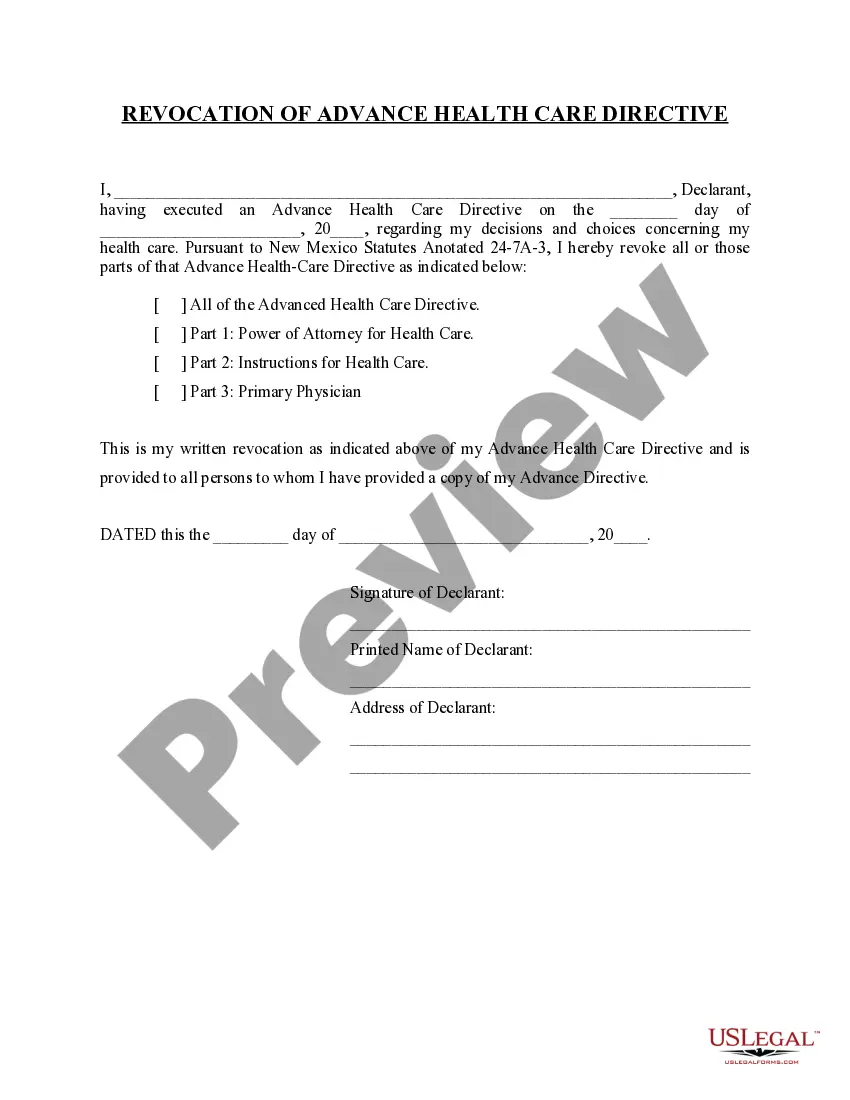
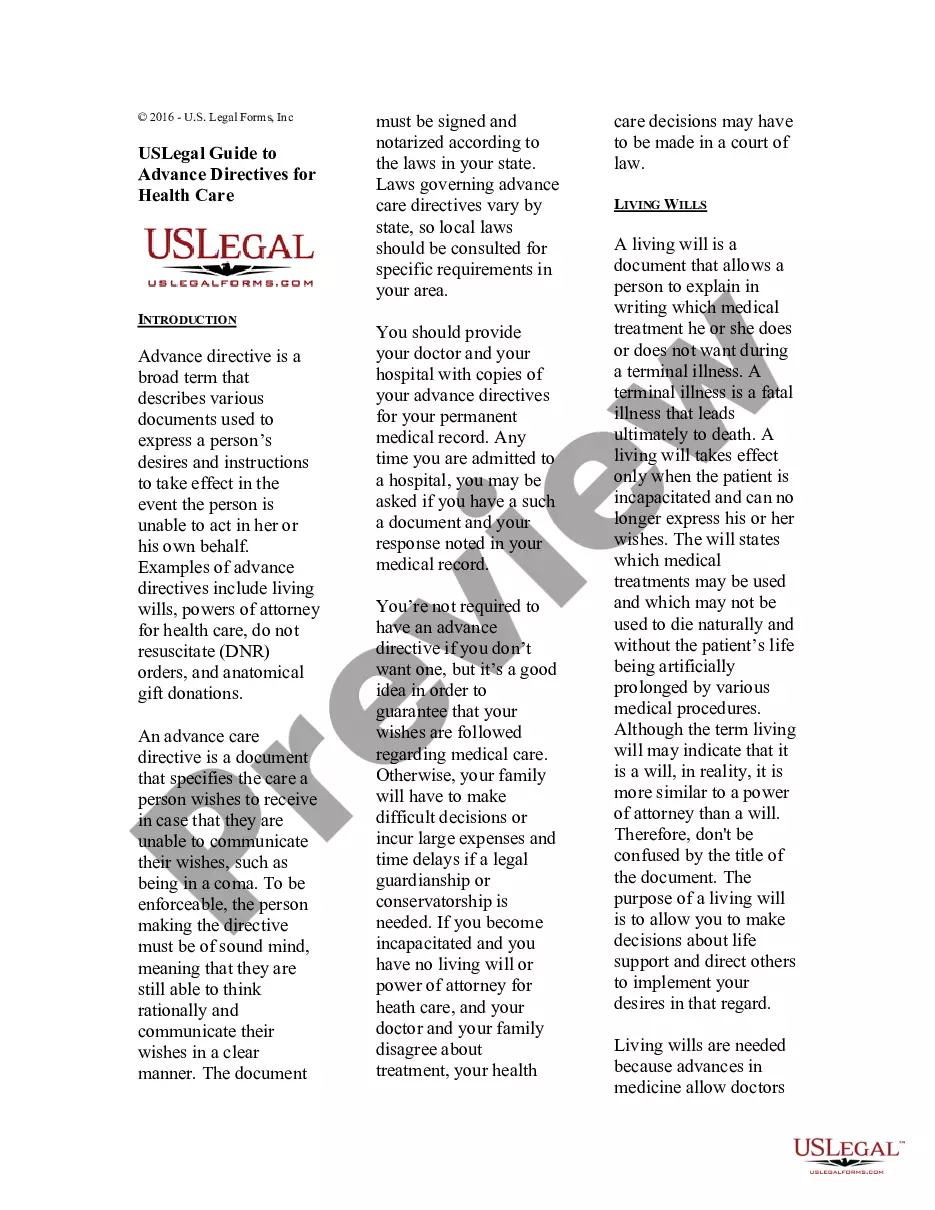
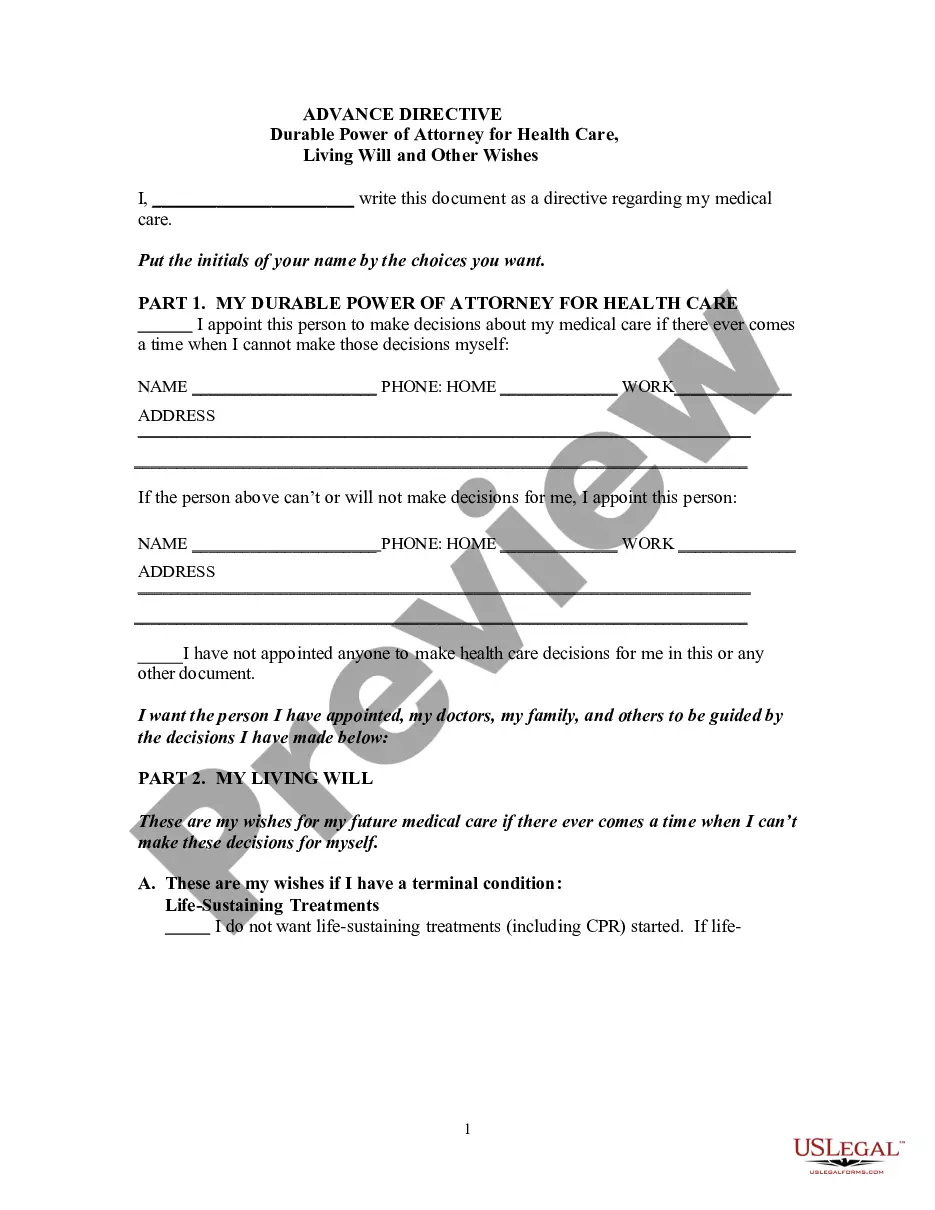
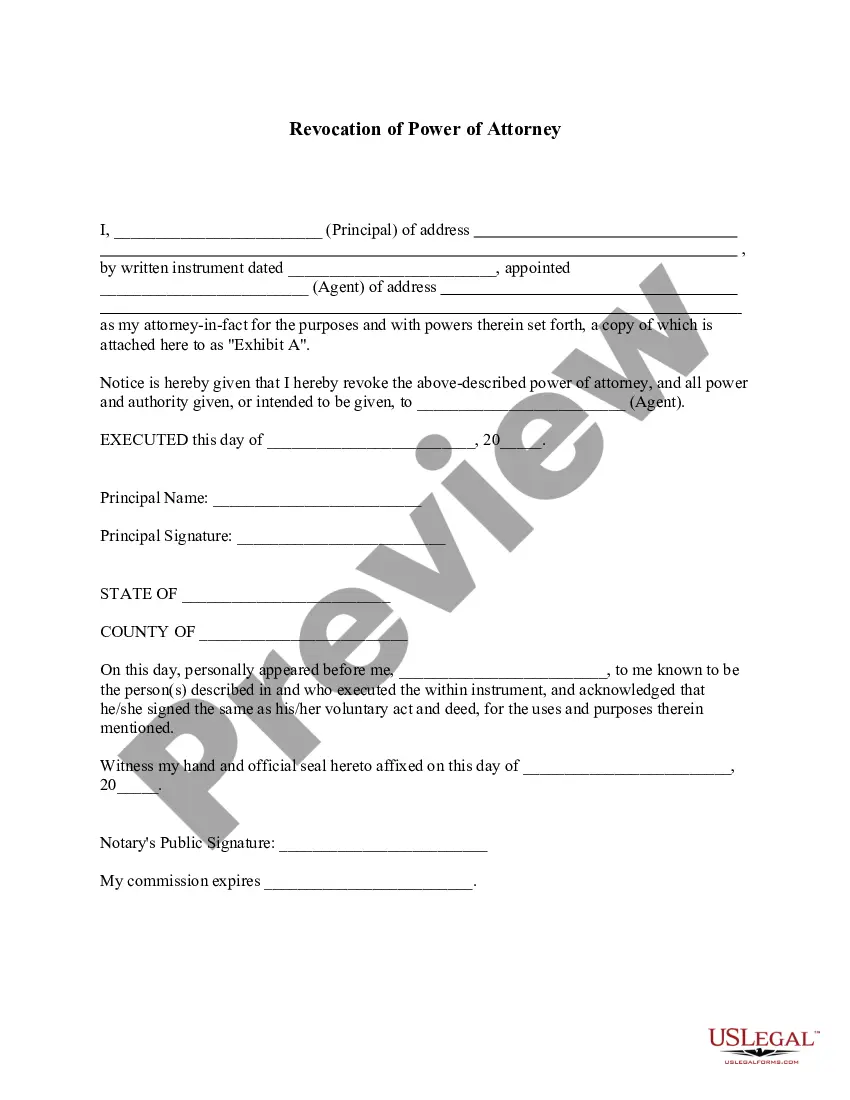
The Revocation of Health Care Directive is a legal document that allows you to withdraw or modify your previous Advanced Health Care Directive. This form is essential for individuals who want to change their health care decisions or terminate the appointment of an agent responsible for making health care decisions on their behalf. It ensures that your current wishes regarding medical treatment are clearly communicated, differing from the Advanced Health Care Directive it revokes.
Form components explained
- Declarant's name and signature to verify the revocation
- Date of original Advanced Health Care Directive
- Options to revoke all or parts of the directive
- Specific sections to revoke: Power of Attorney for Health Care, Instructions for Health Care, Primary Physician
- Address of the Declarant to maintain records of residency
When this form is needed
This form should be used when an individual wishes to revoke or modify their existing Advanced Health Care Directive. It is particularly useful in situations such as a change in personal circumstances, alterations in health care preferences, or when the appointed agent is no longer able to serve in that capacity. Using this form ensures that medical professionals and family members are aware of your updated health care decisions.
Who this form is for
- Individuals who have previously executed an Advanced Health Care Directive
- Persons who wish to change their health care preferences
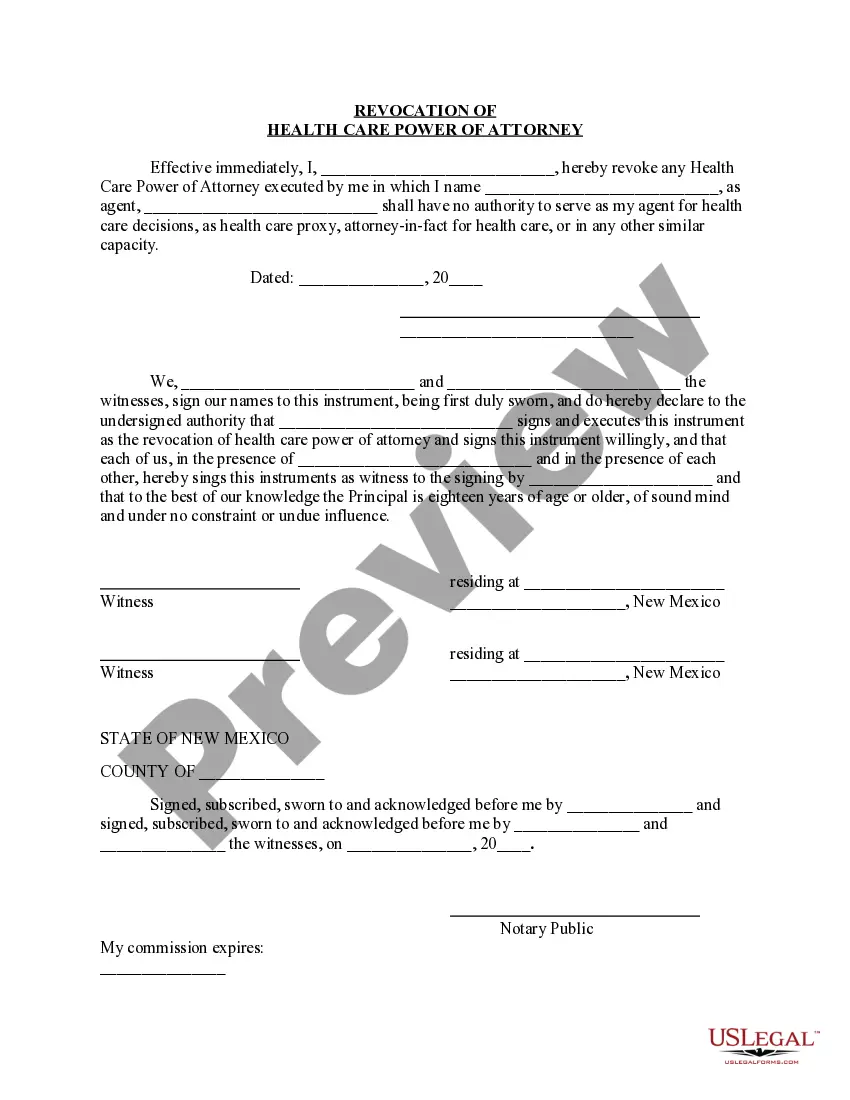
- Individuals who want to revoke the appointment of an agent for health care decisions
- Anyone needing to communicate updated health care instructions to healthcare providers
Instructions for completing this form
- Write your full name as the Declarant at the beginning of the form.
- Specify the date on which the original Advanced Health Care Directive was executed.
- Indicate whether you wish to revoke all or specific parts of the directive.
- Sign and date the revocation form in the designated area.
- Provide your printed name and address for identification purposes.
Notarization requirements for this form
This form does not typically require notarization unless specified by local law. However, it must be witnessed by two individuals who can attest that you are revoking the directive voluntarily.
Get your form ready online
Our built-in tools help you complete, sign, share, and store your documents in one place.
Make edits, fill in missing information, and update formatting in US Legal Forms—just like you would in MS Word.
Download a copy, print it, send it by email, or mail it via USPS—whatever works best for your next step.
Sign and collect signatures with our SignNow integration. Send to multiple recipients, set reminders, and more. Go Premium to unlock E-Sign.
If this form requires notarization, complete it online through a secure video call—no need to meet a notary in person or wait for an appointment.
We protect your documents and personal data by following strict security and privacy standards.

Make edits, fill in missing information, and update formatting in US Legal Forms—just like you would in MS Word.

Download a copy, print it, send it by email, or mail it via USPS—whatever works best for your next step.

Sign and collect signatures with our SignNow integration. Send to multiple recipients, set reminders, and more. Go Premium to unlock E-Sign.

If this form requires notarization, complete it online through a secure video call—no need to meet a notary in person or wait for an appointment.

We protect your documents and personal data by following strict security and privacy standards.
Mistakes to watch out for
- Failing to sign and date the revocation form.
- Not clearly indicating which parts of the directive are being revoked.
- Forget to provide the address, which may cause issues in identification.
- Using the form without consulting with a healthcare professional or attorney if unsure about revocation implications.
Why use this form online
- Immediate access to the latest version of the legal form.
- Convenient download and print capabilities from home or office.
- Edit and customize the form to accurately reflect your wishes.
- Secure storage for future reference or updates.
Looking for another form?







Form popularity
FAQ
The living will. Durable power of attorney for health care/Medical power of attorney. POLST (Physician Orders for Life-Sustaining Treatment) Do not resuscitate (DNR) orders. Organ and tissue donation.
A person can also revoke their Advance Directive orally, by telling their healthcare provider that they no longer want either the entire document or any parts of it enforced.
Advance care directives are legally enforceable in NSW. Although NSW does not have specific legislation on advance care directives, the Supreme Court has said that valid advance care directives must be respected (as an extension to a person's right to determine their own medical treatment).
A person can change an Individual Healthcare Instruction by writing a new Advance Directive with the changes in it that she wants to make.A person can also revoke their Advance Directive orally, by telling their healthcare provider that they no longer want either the entire document or any parts of it enforced.
Some states combine a declaration and a durable power of attorney into a single form, called an "advance health care directive."If someone disputes the validity of your health care directive, it may be challenged in court.
An advance directive, alone, may not be sufficient to stop all forms of life-saving treatment.You retain the right to override the decisions or your representative, change the terms of your living will or POA, or completely revoke an advance directive.
When a patient who lacks decision-making capacity has no advance directive and there is no surrogate available and willing to make treatment decisions on the patient's behalf, or no surrogate can be identified, the attending physician should seek assistance from an ethics committee or other appropriate resource in
An advance directive, alone, may not be sufficient to stop all forms of life-saving treatment.You retain the right to override the decisions or your representative, change the terms of your living will or POA, or completely revoke an advance directive.