New Jersey Letter from Tenant to Landlord for Failure of Landlord to comply with building codes affecting health and safety or resulting in untenantable condition - demand for remedy
About this form
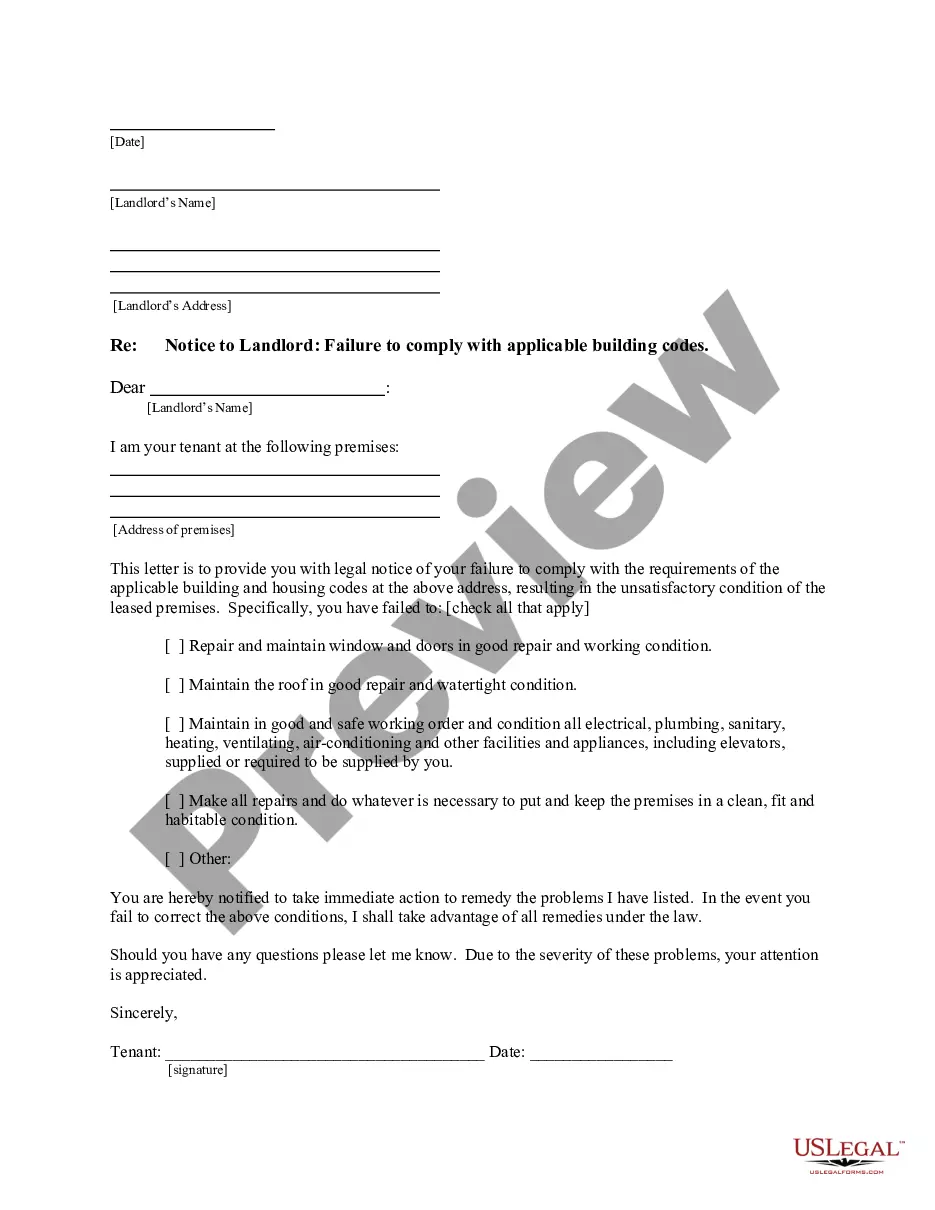
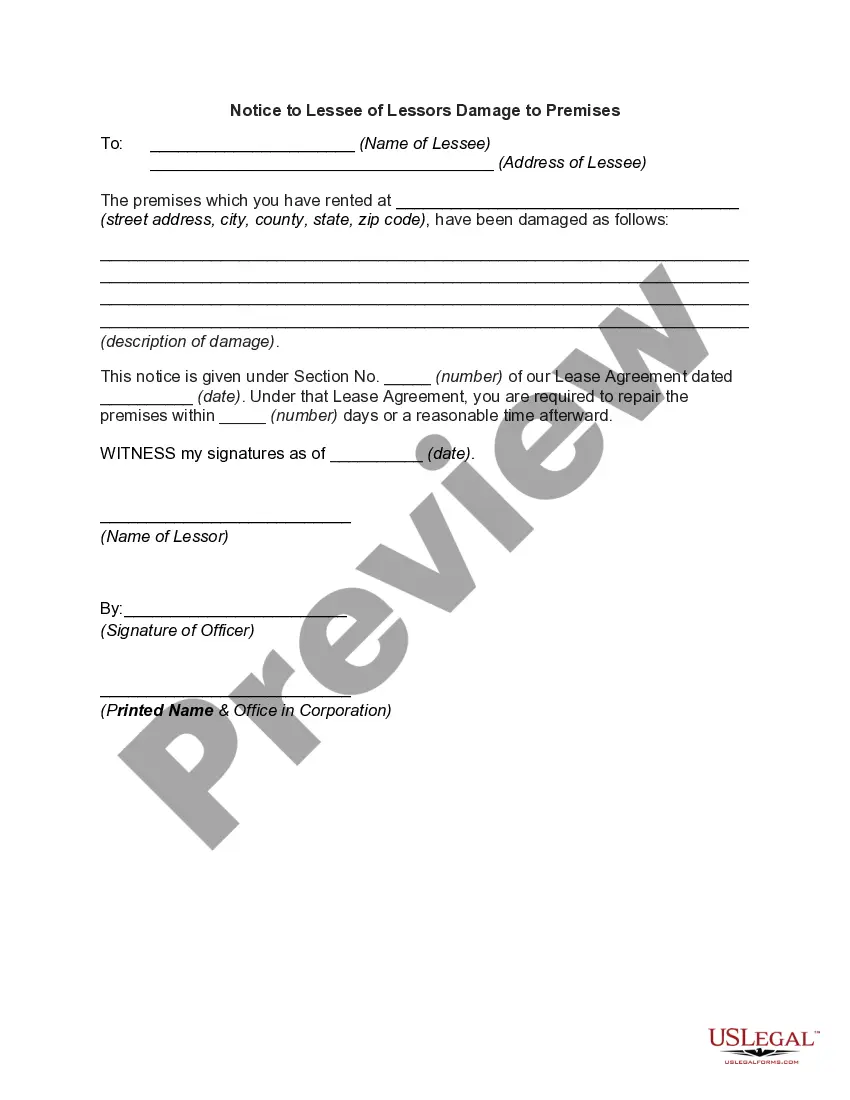
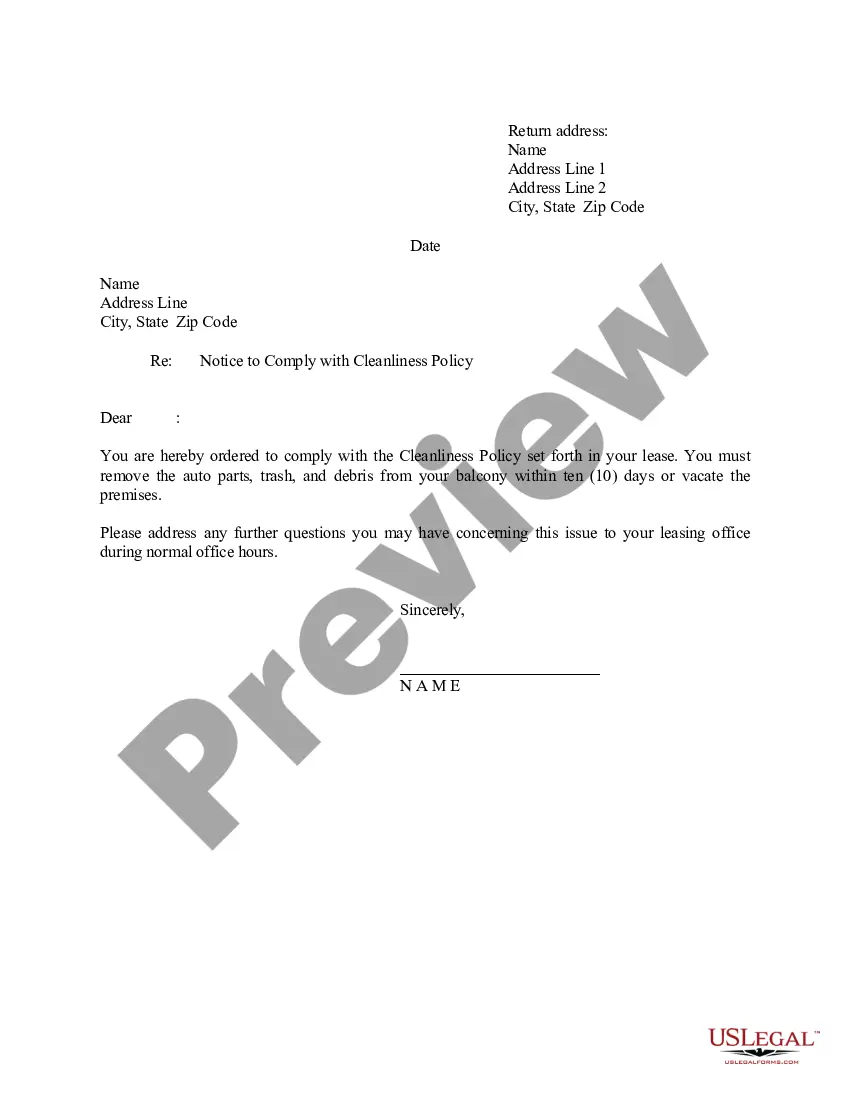
This Letter from Tenant to Landlord for Failure of Landlord to comply with building codes is a demand letter that requests necessary repairs to unsafe or unhealthy living conditions in a rental property. This form is essential for tenants who need to formally notify their landlord about issues that violate building codes or render the premises untenantable. Unlike other lease-related forms, this letter focuses specifically on safety and code compliance issues requiring immediate attention from the landlord.
Form components explained
- Identification of tenant and landlord.
- Specific issues affecting health and safety.
- Demand that repairs be completed within ten days.
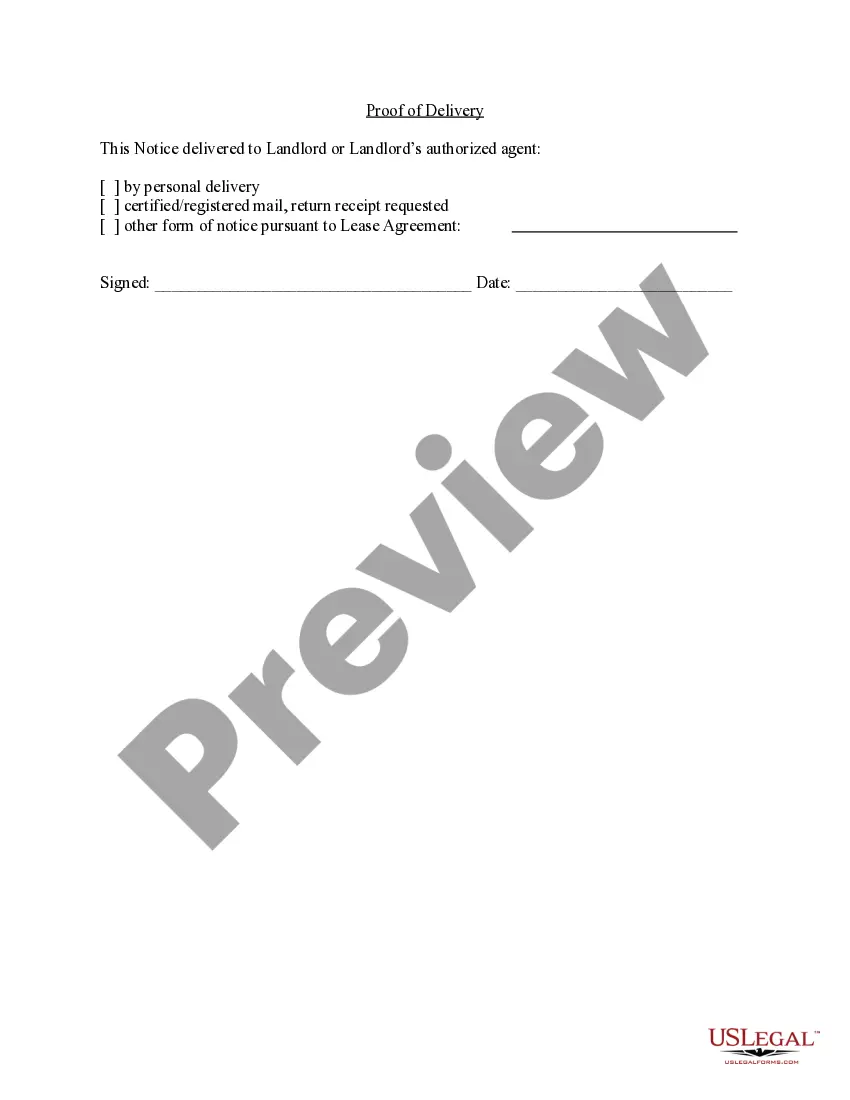
- Proof of delivery section for verification of notice given.


Situations where this form applies
Use this form when you notice serious issues in your rental property that affect your health and safety, such as broken windows, leaks, or structural damages. It is an appropriate step if your landlord has failed to address these concerns after previous discussions. This letter serves as a formal notice, providing your landlord with a clear timeline for remediation before further action may be necessary.
Who needs this form
- Tenants residing in properties that are in disrepair and pose health risks.
- Individuals who have notified their landlord about repairs but received no response.
- Renters seeking to document issues for possible legal action or mediation.
Instructions for completing this form
- Identify the parties involved, including the tenant's and landlord's names and addresses.
- Describe the specific health and safety issues that need to be addressed.
- Set a deadline for repairs, typically ten days from the date of the letter.
- Include the date and signature of the tenant for authenticity.
- Document how the letter was delivered to create a record of notification.
Is notarization required?
Notarization is not commonly needed for this form. However, certain documents or local rules may make it necessary. Our notarization service, powered by Notarize, allows you to finalize it securely online anytime, day or night.
Get your form ready online
Our built-in tools help you complete, sign, share, and store your documents in one place.
Make edits, fill in missing information, and update formatting in US Legal Forms—just like you would in MS Word.
Download a copy, print it, send it by email, or mail it via USPS—whatever works best for your next step.
Sign and collect signatures with our SignNow integration. Send to multiple recipients, set reminders, and more. Go Premium to unlock E-Sign.
If this form requires notarization, complete it online through a secure video call—no need to meet a notary in person or wait for an appointment.
We protect your documents and personal data by following strict security and privacy standards.

Make edits, fill in missing information, and update formatting in US Legal Forms—just like you would in MS Word.

Download a copy, print it, send it by email, or mail it via USPS—whatever works best for your next step.

Sign and collect signatures with our SignNow integration. Send to multiple recipients, set reminders, and more. Go Premium to unlock E-Sign.

If this form requires notarization, complete it online through a secure video call—no need to meet a notary in person or wait for an appointment.

We protect your documents and personal data by following strict security and privacy standards.
Common mistakes
- Not providing sufficient detail about the health and safety issues.
- Failing to set a clear deadline for repairs.
- Not keeping a copy of the letter or proof of delivery.
- Using vague language instead of specifying the required repairs.
Why use this form online
- Convenient access to a legally drafted form tailored to your needs.
- Editable templates allow you to personalize the letter quickly.
- Reliable formats ensure compliance with various state laws.
Legal use & context
- This demand letter serves as a formal notification to the landlord, establishing a record of the tenant's request for necessary repairs.
- Failure to address these issues within the given timeframe may provide grounds for further legal action.
- It is essential for tenants to keep a copy of this communication for their records.
Main things to remember
- The form is a serious notice aimed at ensuring tenants live in safe and healthy conditions.
- Timely delivery and proper completion of the form are crucial for legal protection.
- Understanding your rights as a tenant can empower you in advocating for your living conditions.
Looking for another form?
Form popularity
FAQ
Tenants that break a rental lease in New Jersey can lose their security deposit, as well suffer damages for a landlord's lost rental income.
Notice to Terminate the Lease A month-to-month tenant must give written notice of lease termination at least one full month prior to moving. Most yearly leases require a 60 to 90 day notice from the tenants in order to terminate the lease.
If making a formal complaint to your landlord doesn't solve your problem you might be able to complain to your local council. Your local council can only help with complaints about: repairs that cause a risk to your health and safety not being done (e.g faulty electrical wiring not being fixed) illegal eviction.
Start a written record. The problems with my landlord started almost immediately after I moved in. Check your lease agreement. If your landlord agreed to something in your lease, he has to follow it. Send written requests. Decide if you have a case. Seek legal assistance. File a civil lawsuit. Fight discrimination.
Review Your Lease Before You Sign. Research Local Laws. Keep Records. Pay Your Rent. Maintain Respectful Communication. Seek an Agreeable Solution. Request Repairs in Writing. What Do You Think?
State law regulates several rent-related issues, including late fees, the amount of notice (at least 30 days in New Jersey) landlords must give tenants to raise the rent and how much time (30 days in New Jersey) a tenant has to pay overdue rent or move before a landlord can file for eviction.
If you think your landlord is violating the Fair Housing Act, you can get that landlord in trouble by filing a complaint at HUD.gov. Your remedy for breach of quiet enjoyment is to terminate the lease and move or sue in small claims court.
Introduce the problem clearly. Begin your letter by stating specifically why you are writing. Provide a brief description of the specific problem, then detail any efforts you have made prior to the letter to notify your landlord of the problem or to fix the problem yourself.
For other tenant/landlord affairs information, residents may contact the NJ Department of Community Affairs, Division of Codes & Standards, Landlord/Tenant Divsion by phone 609-292-7899, on their website at www.nj.gov/dca or by mail at P.O. Box 805, Trenton NJ 08625.