Nebraska Landlord Notices for Eviction / Unlawful Detainer Forms Package
What this form package covers
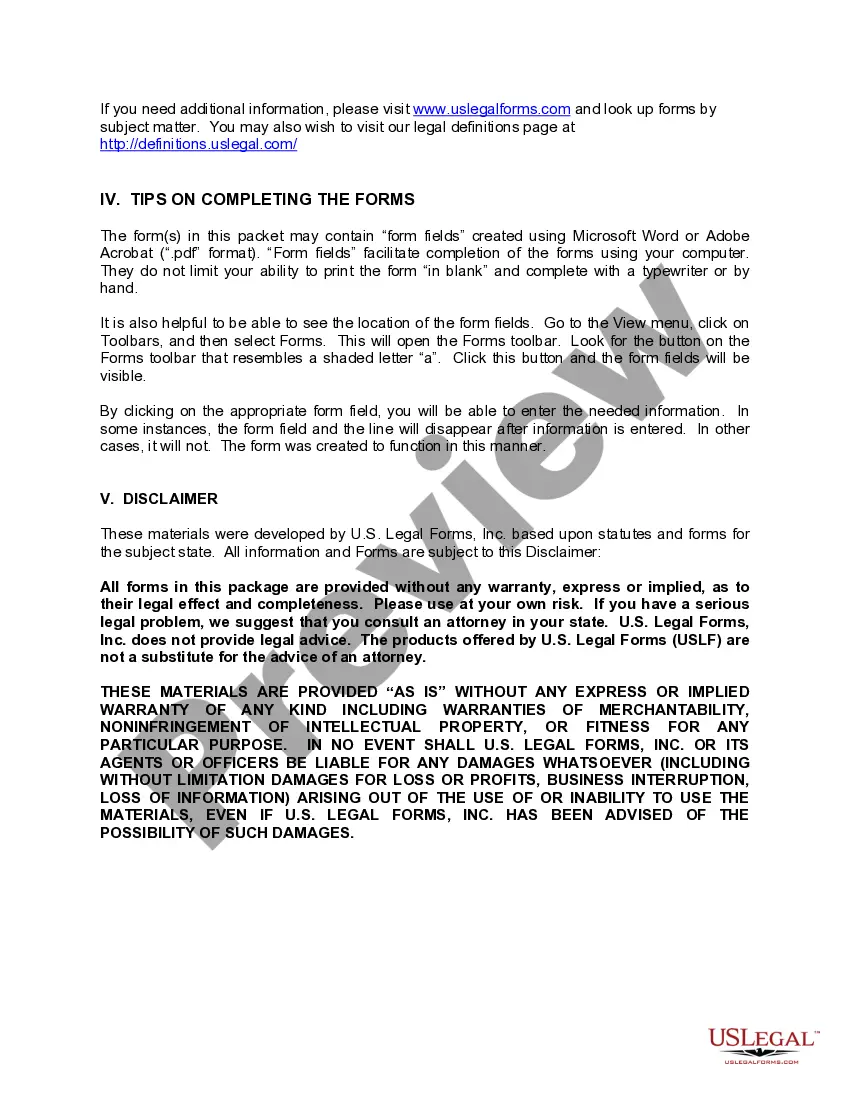
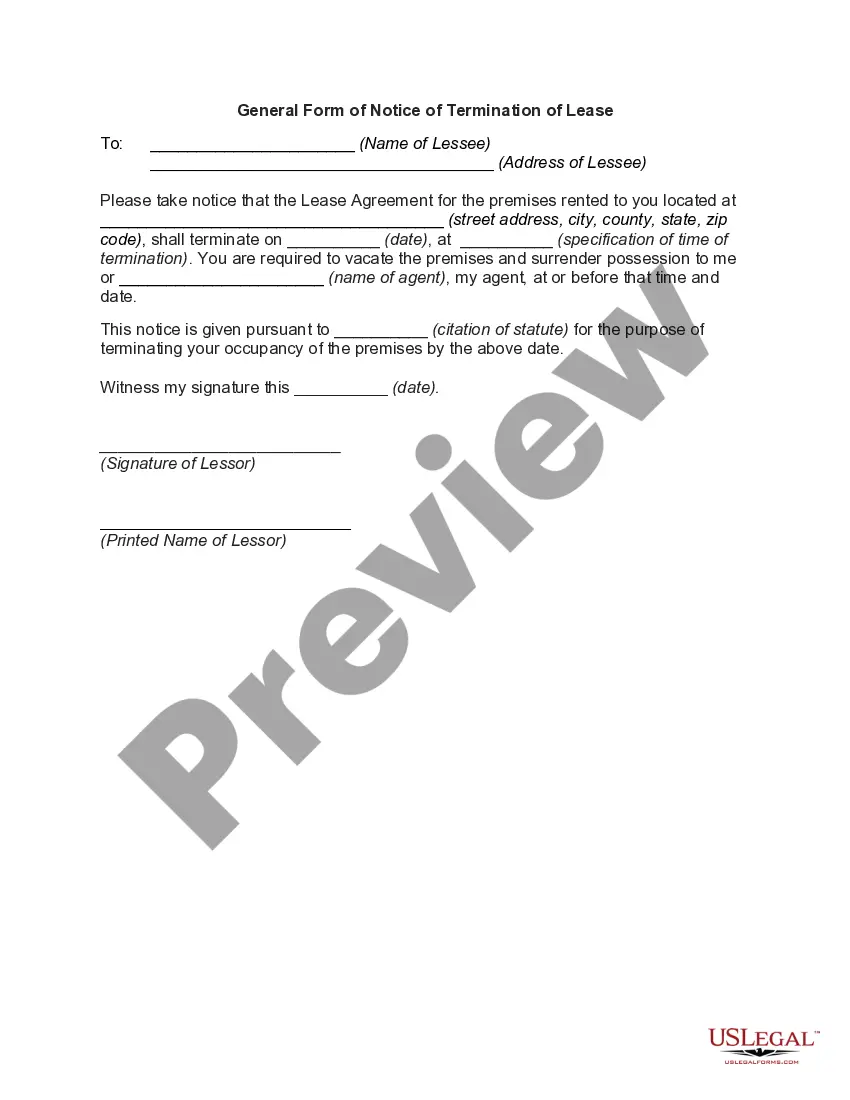
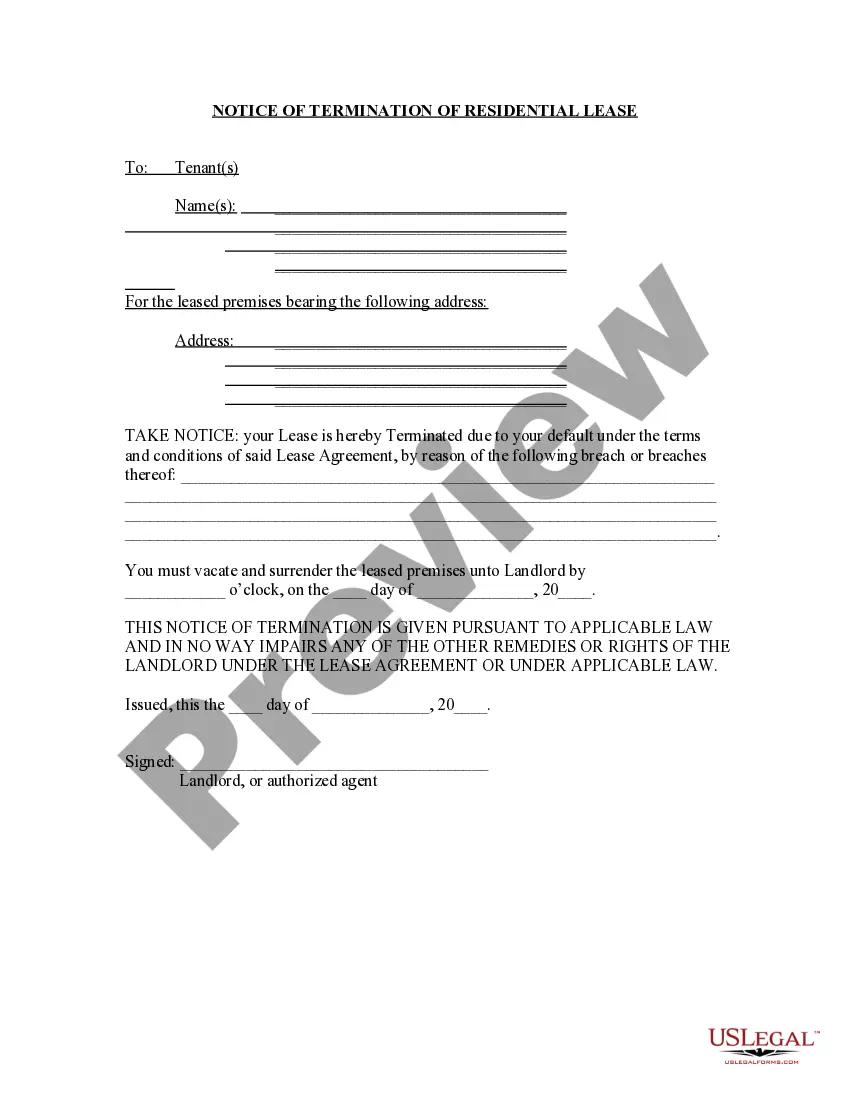
The Nebraska Landlord Notices for Eviction / Unlawful Detainer Forms Package contains essential notices that landlords must provide to tenants before filing an eviction complaint in court. This package includes a variety of notices tailored for both residential and non-residential properties, empowering landlords to effectively navigate the eviction process while complying with state laws. With these forms, landlords have the tools they need to ensure their rights are protected and the legal framework is followed during tenant eviction proceedings.
What’s included in this form package
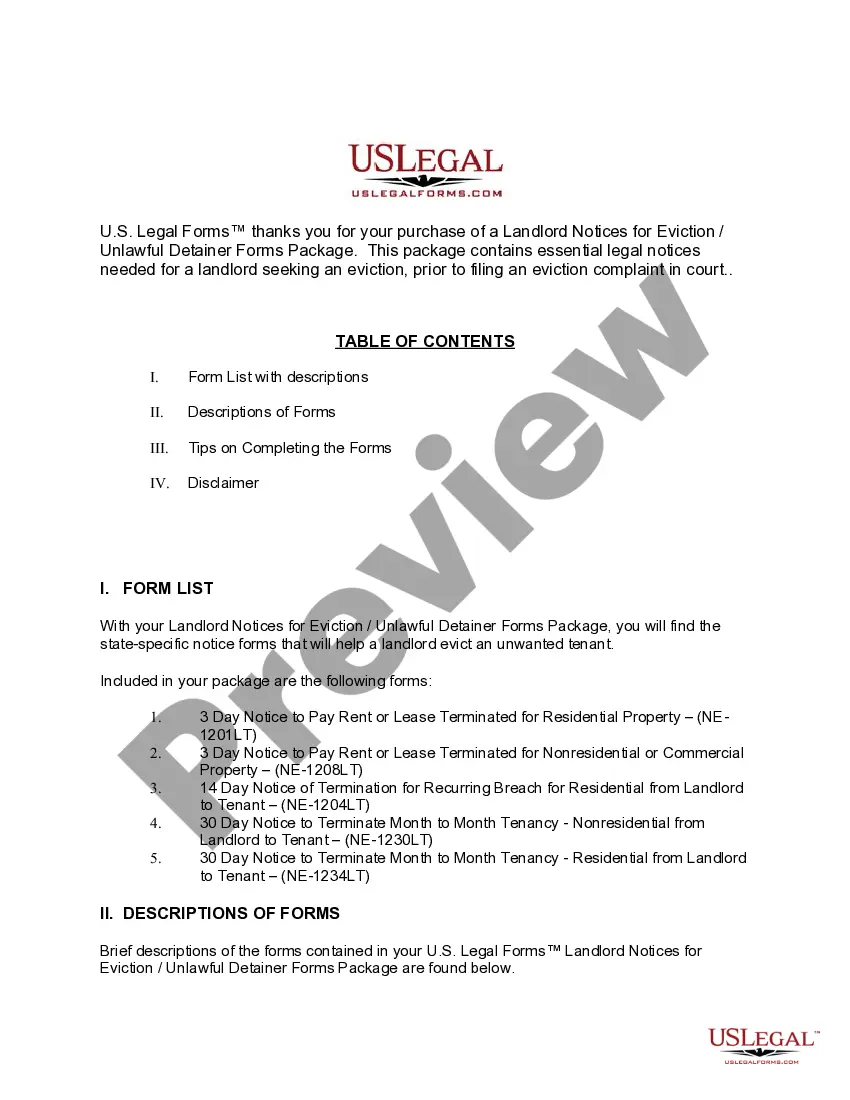
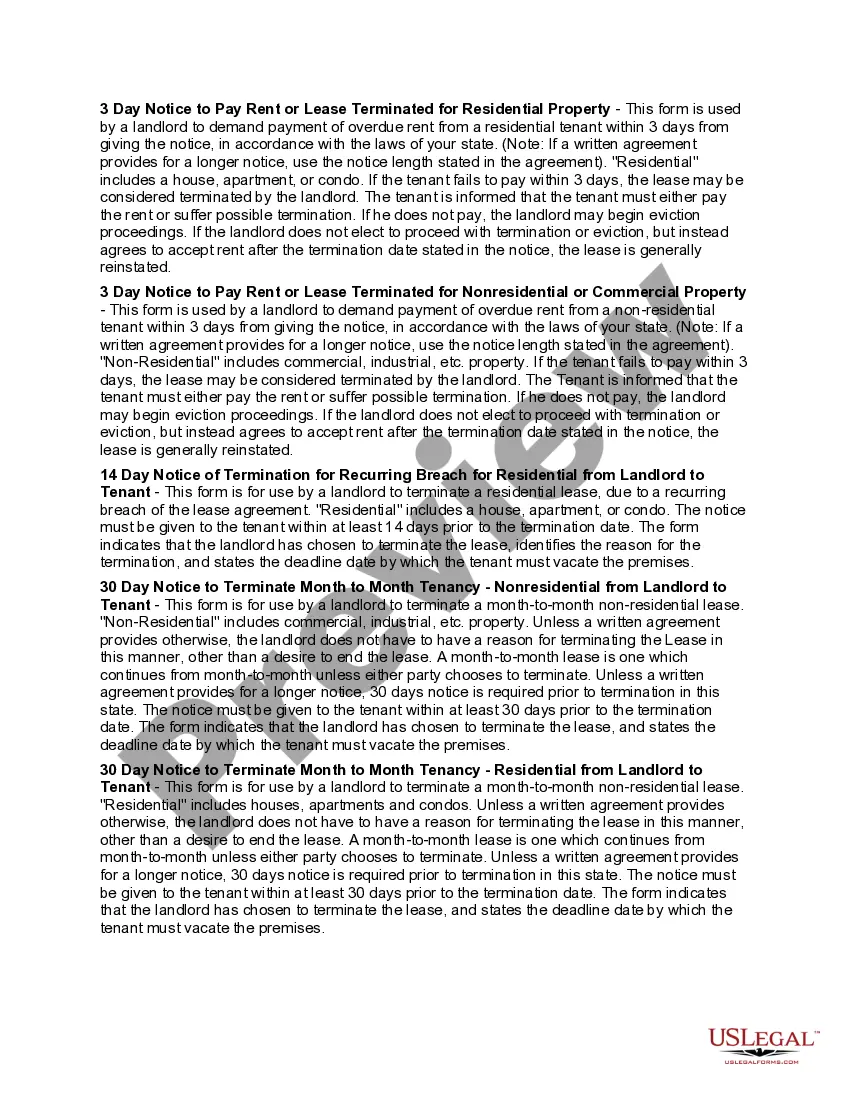
- 7 Day Notice to Pay Rent or Lease Terminated for Residential Property
- 14 Day Notice of Termination for Recurring Breach for Residential from Landlord to Tenant
- 3 Day Notice to Pay Rent or Lease Terminated for Nonresidential or Commercial Property
- 30 Day Notice to Terminate Month to Month Tenancy - Nonresidential from Landlord to Tenant
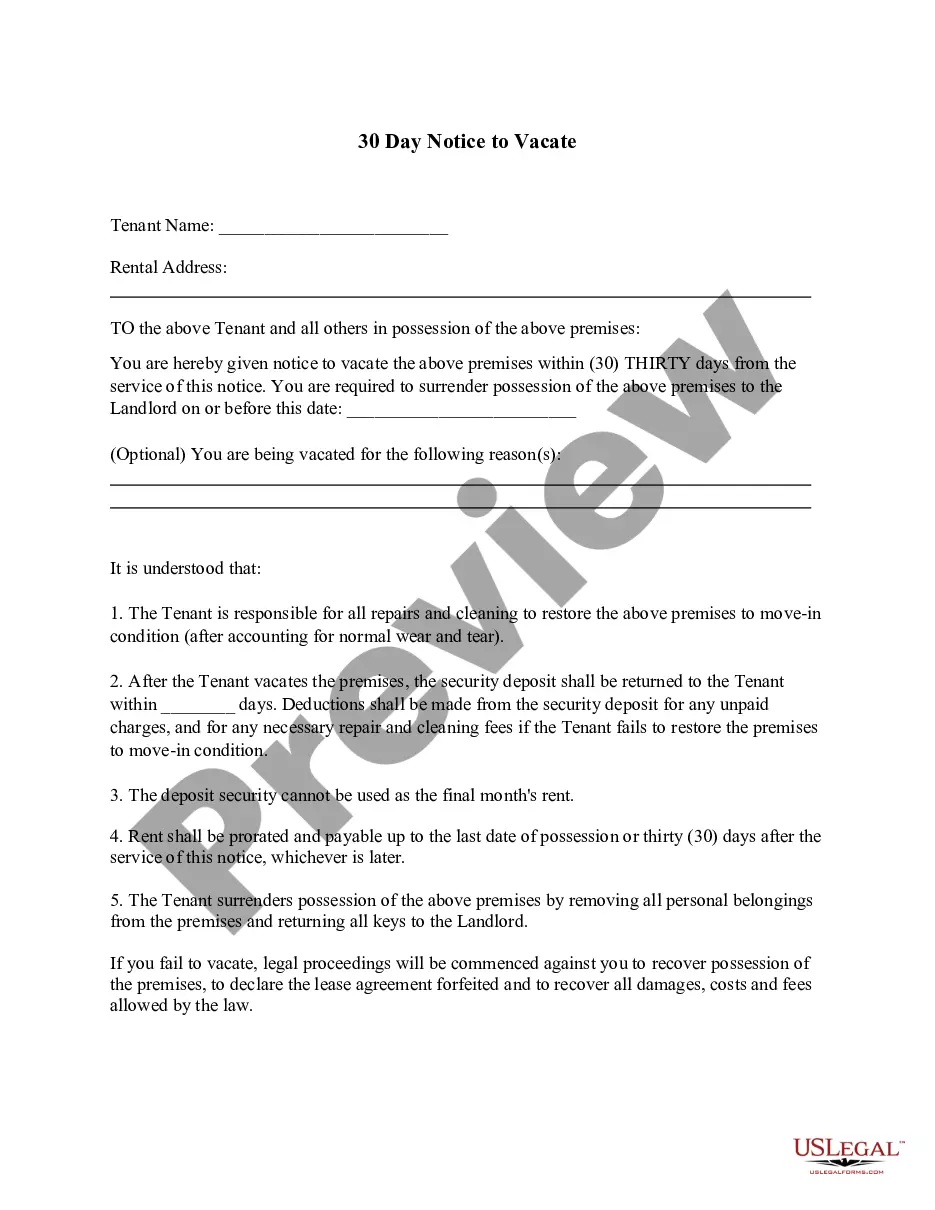
- 30 Day Notice to Terminate Month to Month Tenancy - Residential from Landlord to Tenant


Common use cases
This form package is useful in circumstances such as:
- When a residential tenant fails to pay rent and the landlord wishes to initiate eviction.
- In cases of recurring lease breaches that require a formal notice of termination.
- For landlords needing to terminate month-to-month leases, whether residential or commercial, for any reason.
- When landlords need to formally notify tenants of their intention to end a lease.
Who should use this form package
- Residential landlords managing rental properties such as houses, apartments, or condos.
- Commercial property owners or landlords of non-residential leases.
- Individuals seeking to manage tenant relationships legally and professionally.
- Property management companies handling multiple tenants.
Instructions for completing these forms
- Review the included forms to identify which notice applies to your situation.
- Fill in the form fields with the necessary tenant and property information.
- Specify the dates for payment, termination, or notice as required by the selected form.
- Ensure you sign the notice before delivering it to the tenant.
- Keep a copy of the notice for your records, along with proof of delivery to the tenant.
Do forms in this package need to be notarized?
Forms in this package typically do not require notarization. However, certain states or document types may still need it. US Legal Forms provides online notarization powered by Notarize, available 24/7 for your convenience.
Get your form ready online
Our built-in tools help you complete, sign, share, and store your documents in one place.
Make edits, fill in missing information, and update formatting in US Legal Forms—just like you would in MS Word.
Download a copy, print it, send it by email, or mail it via USPS—whatever works best for your next step.
Sign and collect signatures with our SignNow integration. Send to multiple recipients, set reminders, and more. Go Premium to unlock E-Sign.
If this form requires notarization, complete it online through a secure video call—no need to meet a notary in person or wait for an appointment.
We protect your documents and personal data by following strict security and privacy standards.

Make edits, fill in missing information, and update formatting in US Legal Forms—just like you would in MS Word.

Download a copy, print it, send it by email, or mail it via USPS—whatever works best for your next step.

Sign and collect signatures with our SignNow integration. Send to multiple recipients, set reminders, and more. Go Premium to unlock E-Sign.

If this form requires notarization, complete it online through a secure video call—no need to meet a notary in person or wait for an appointment.

We protect your documents and personal data by following strict security and privacy standards.
Common mistakes
- Failing to provide the correct notice period as defined by Nebraska law.
- Not properly delivering the notice to the tenant.
- Using an incorrect form for residential versus non-residential properties.
- Neglecting to sign the notice before serving it to the tenant.
- Forgetting to keep a copy of the notice for personal records.
Advantages of online completion
- Convenient access to state-specific legal forms from any location.
- Forms are editable, allowing landlords to customize them according to their needs.
- Reliable legal language created by licensed attorneys to ensure compliance.
- Instant download capability, enabling immediate use when needed.
Legal use & context
- These forms are legally recognized in Nebraska and are designed for eviction scenarios.
- Properly completed notices may be enforceable in local courts, provided they adhere to state law.
- Use of these forms can help prevent legal disputes by ensuring compliance with notice requirements.
Looking for another form?

Form popularity
FAQ
Know Your Rights. It goes without saying, but take some time to know your rights as a tenant. Keep Good Records. Make Sure Notice is Proper. Service of the Unlawful Detainer. Talking to an Attorney. Managing Partner Lipton Legal Group, A PC Beverly Hills, CA.
Know Your Rights. It goes without saying, but take some time to know your rights as a tenant. Keep Good Records. Make Sure Notice is Proper. Service of the Unlawful Detainer. Talking to an Attorney. Managing Partner Lipton Legal Group, A PC Beverly Hills, CA.
Step 1: Serve the Tenant with an Eviction Notice. Step 2: File a Complaint with the Court. Step 3: Attend The Court Hearing. Step 4: Receive a Writ of Restitution. Step 5: Get Your Property Back.
If you file an eviction (unlawful detainer) case and you decide you do not want to move forward, you can ask the court to dismiss the case.You included more than one tenant in your eviction case but have decided you only want to evict one or some of them, so you dismiss the case as to the others.
Courts commonly refer to eviction actions as "forcible entry and detainer" or "unlawful detainer" actions. The legal theory is that the landlord alleges the tenant unlawfully continues to have use and possession of the rental property, and the landlord seeks the assistance of the court to have the tenant removed.
Address the Tenant(s) Named in the Residential Lease. List the Lease Information. Notify the Tenant of the Eviction. Give a Reason for the Eviction. Serve the Eviction Notice to the Tenant(s)
A landlord cannot legally evict you without a court order, whether or not you have a lease.) How long does it take for a landlord to evict a tenant? A landlord can evict a tenant only by going through a formal eviction proceeding, which can take a few weeks from start to finish.
Address the Tenant(s) Named in the Residential Lease. List the Lease Information. Notify the Tenant of the Eviction. Give a Reason for the Eviction. Serve the Eviction Notice to the Tenant(s)