Nebraska Letter from Tenant to Landlord containing Notice to landlord to cease retaliatory decrease in services
About this form
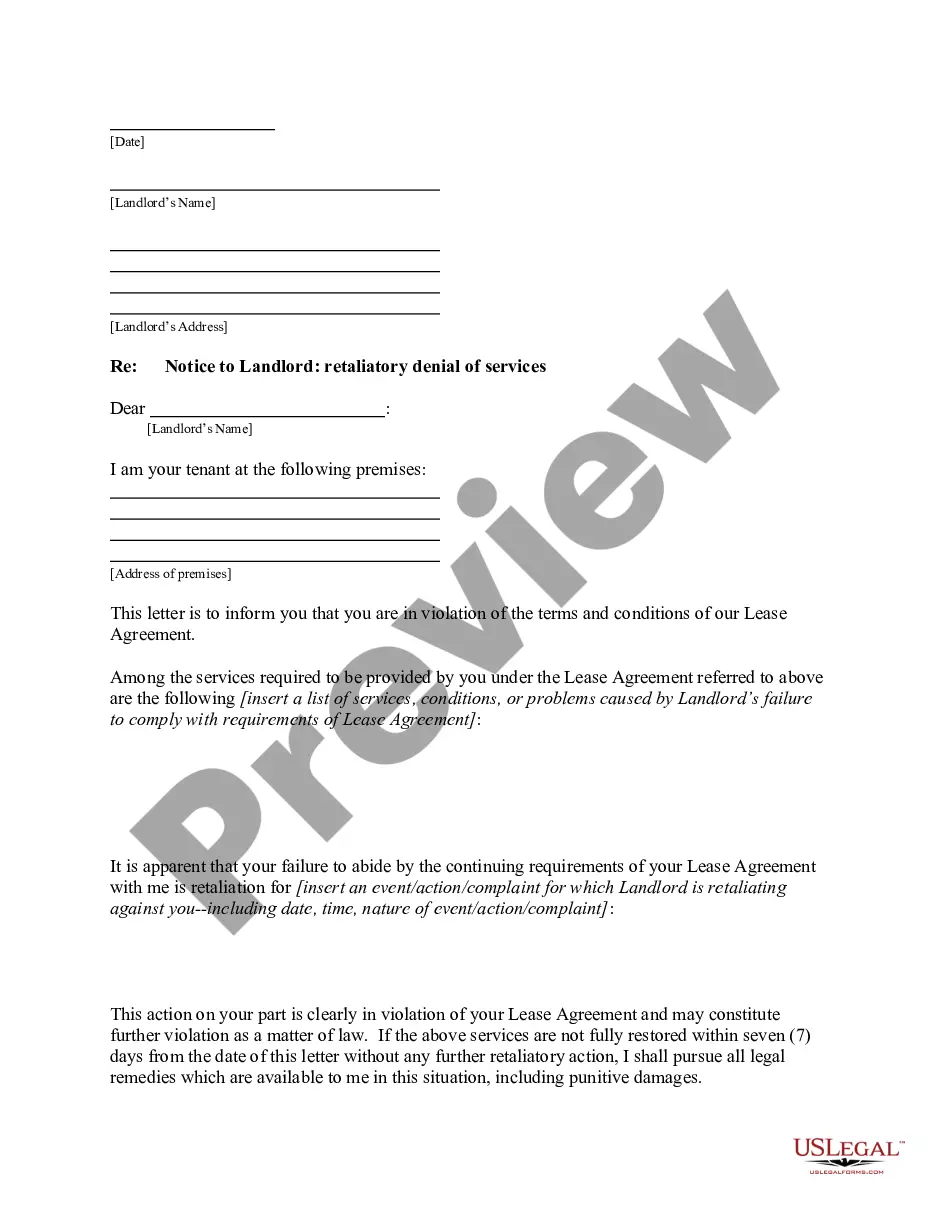
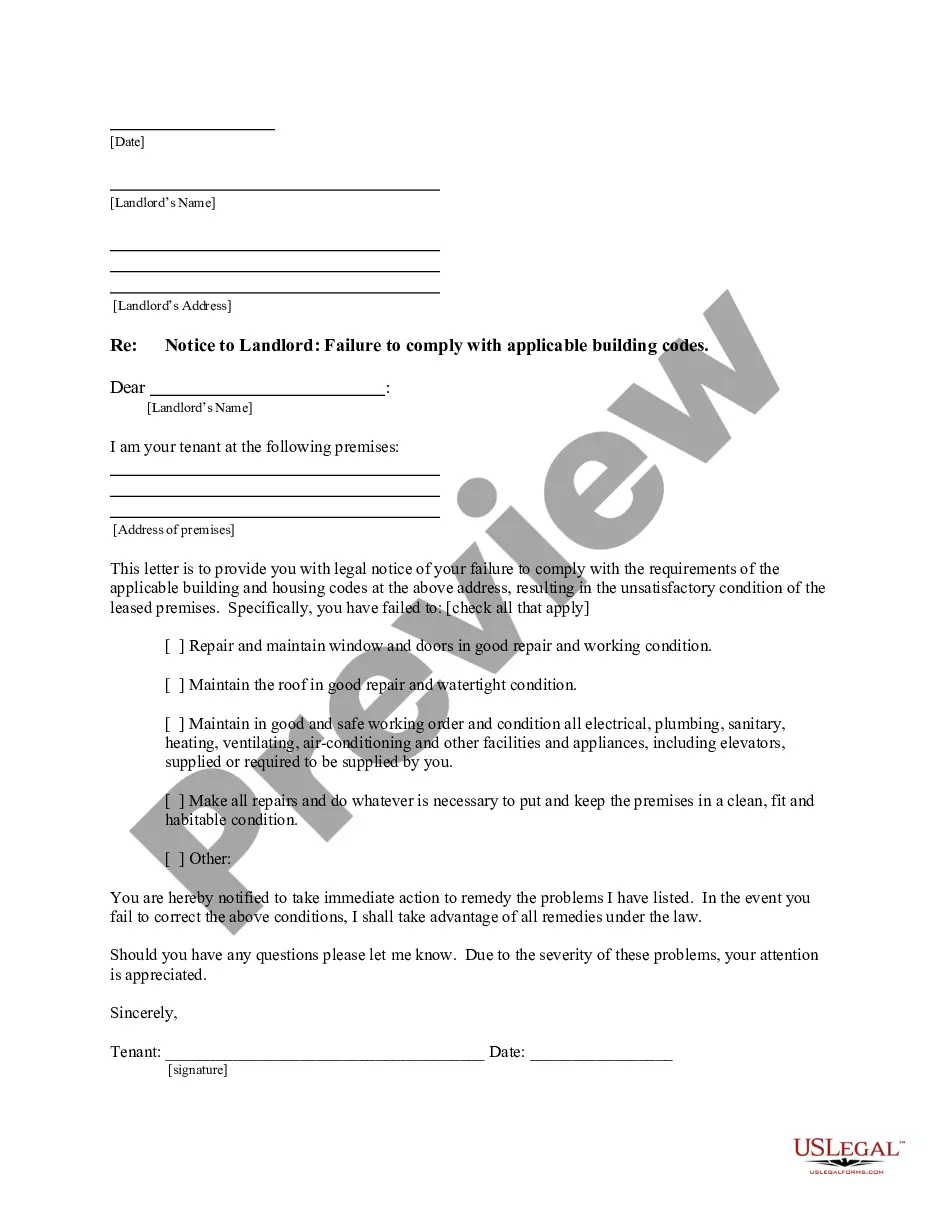
This form is a Letter from Tenant to Landlord containing Notice to landlord to cease retaliatory decrease in services. It addresses situations where a landlord may be providing fewer services due to actions taken by the tenant, which may be considered retaliatory and in breach of the lease agreement. This letter serves to formally notify the landlord of this issue and seek resolution, differing from other landlord-tenant correspondence by its focus on retaliation.
Key components of this form
- Introduction stating the tenant's position and the landlord's alleged actions.
- List of specific services or conditions denied to the tenant.
- Statement informing the landlord of the breach of the lease agreement.
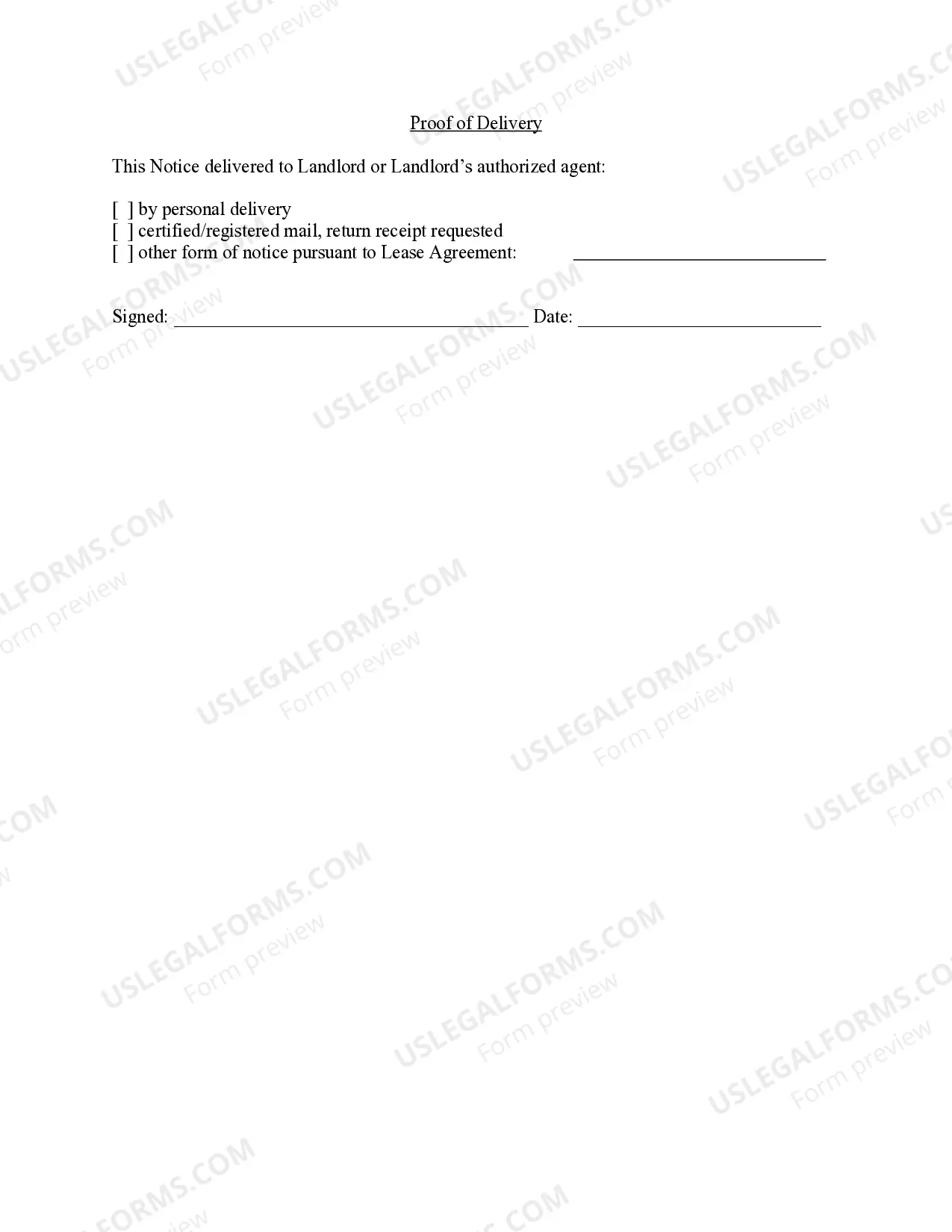
- Proof of delivery options for notifying the landlord.
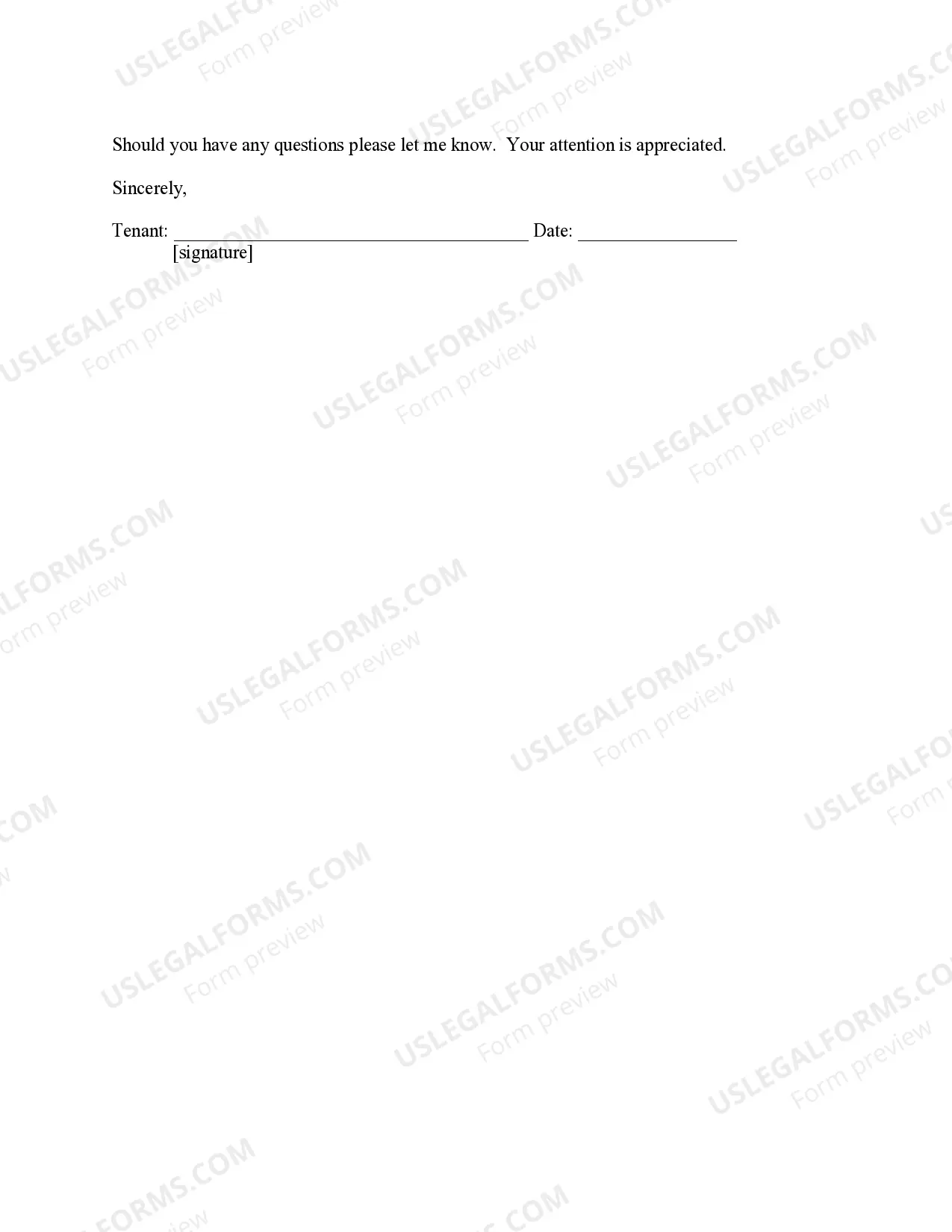
- Signature and date fields for tenant verification.


Common use cases
This form should be used when a tenant believes that their landlord is retaliating against them by reducing necessary services as a response to a complaint or legal action taken by the tenant. This may include situations where the landlord has stopped providing heating, water, or other essential services in an effort to discourage tenant claims or complaints.
Who can use this document
- Tenants experiencing service reduction from their landlord due to previous complaints.
- Individuals seeking to document and formally address retaliatory actions by their landlord.
- Renters concerned about their rights under the lease agreement and housing laws.
Instructions for completing this form
- Identify the tenant and landlord, including names and addresses.
- List the services that are being denied by the landlord.
- Specify the date of the letter and sign it for official notification.
- Choose the method of delivery to the landlord and retain proof of delivery.
Does this form need to be notarized?
This form does not typically require notarization unless specified by local law. It is primarily intended as a written notice. Tenants should always verify with local regulations to ensure compliance.
Get your form ready online
Our built-in tools help you complete, sign, share, and store your documents in one place.
Make edits, fill in missing information, and update formatting in US Legal Forms—just like you would in MS Word.
Download a copy, print it, send it by email, or mail it via USPS—whatever works best for your next step.
Sign and collect signatures with our SignNow integration. Send to multiple recipients, set reminders, and more. Go Premium to unlock E-Sign.
If this form requires notarization, complete it online through a secure video call—no need to meet a notary in person or wait for an appointment.
We protect your documents and personal data by following strict security and privacy standards.

Make edits, fill in missing information, and update formatting in US Legal Forms—just like you would in MS Word.

Download a copy, print it, send it by email, or mail it via USPS—whatever works best for your next step.

Sign and collect signatures with our SignNow integration. Send to multiple recipients, set reminders, and more. Go Premium to unlock E-Sign.

If this form requires notarization, complete it online through a secure video call—no need to meet a notary in person or wait for an appointment.

We protect your documents and personal data by following strict security and privacy standards.
Mistakes to watch out for
- Failing to include the specific services or conditions that are being withheld.
- Not delivering the notice properly, which can lead to disputes about notification.
- Signing the letter without properly dating it, making it hard to track timelines.
Benefits of using this form online
- Easy and quick access to a legally vetted template tailored to your needs.
- Editable fields allow for personalization to your specific situation.
- Reliable source created by licensed attorneys to ensure accuracy and compliance.
Legal use & context
The tenant protection laws vary by state, but generally, this letter can serve as evidence should disputes escalate to legal proceedings. It is vital for tenants to understand their rights regarding retaliation, which can provide additional leverage in negotiating with landlords.
Key takeaways
- This form helps tenants address and formally document any retaliatory actions by a landlord.
- It is important to provide specific examples of decreased services for clarity.
- Understanding state laws regarding tenant rights is crucial for effective use.
Looking for another form?






Form popularity
FAQ
Nebraska Eviction is 3 Days or 30 Days And it must state that the tenant may halt the eviction process by paying the rent or curing the violation within the notice period.
When a lease ends, a tenant may choose to move, continue to pay rent as a month-to-month tenant, or sign a new lease. If a tenant continues to pay rent after a lease ends, in most states the terms of the expired lease carry over into a month-to-month tenancy.
Kansas Eviction Process Timeline Issuance/Service of Summons and Complaint at least 3 days prior to the eviction hearing. Court Hearing and Ruling on the Eviction 3-28 days, depending on whether a follow-up hearing is held. Issuance of Writ of Restitution A few hours to a few days.
The 14-day/30-day notice must say how the tenant is breaching the lease and that the lease will automatically terminate 30 days (or more) from the date of the notice unless the tenant fixes the problem within 14 days of the date of the notice.
Write a letter to your landlord stating that you are aware of your rights as a tenant, that s/he is in clear violation of the law, and that you want the situation remedied with no further harassment. Keep a copy of the letter; it will be good evidence if you have to take the landlord to court later.
Dear (Name of landlord or manager), This letter constitutes my written (number of days' notice that you need to give based on your lease agreement)-day notice that I will be moving out of my apartment on (date), the end of my current lease. I am leaving because (new job, rent increase, etc.)
Today's Date. Landlord's Name. Property Address and Unit Number. State Your Desire to Move Out of the Apartment. Include Desired Move-Out Date. That You Expect the Return of Your Security Deposit Under State Law. A Forwarding Address Where Your Security Deposit Can Be Sent.
The landlord had a duty to reasonably maintain the property; The landlord knew or should have known of the dangerous condition; The landlord breached their duty by failing to repair/fix the dangerous condition;
When writing to your landlord, be specific in describing the problems you are having. Do not exaggerate or under-emphasize the extent of the problem. The landlord may show this letter to a judge if your problem is ever litigated.