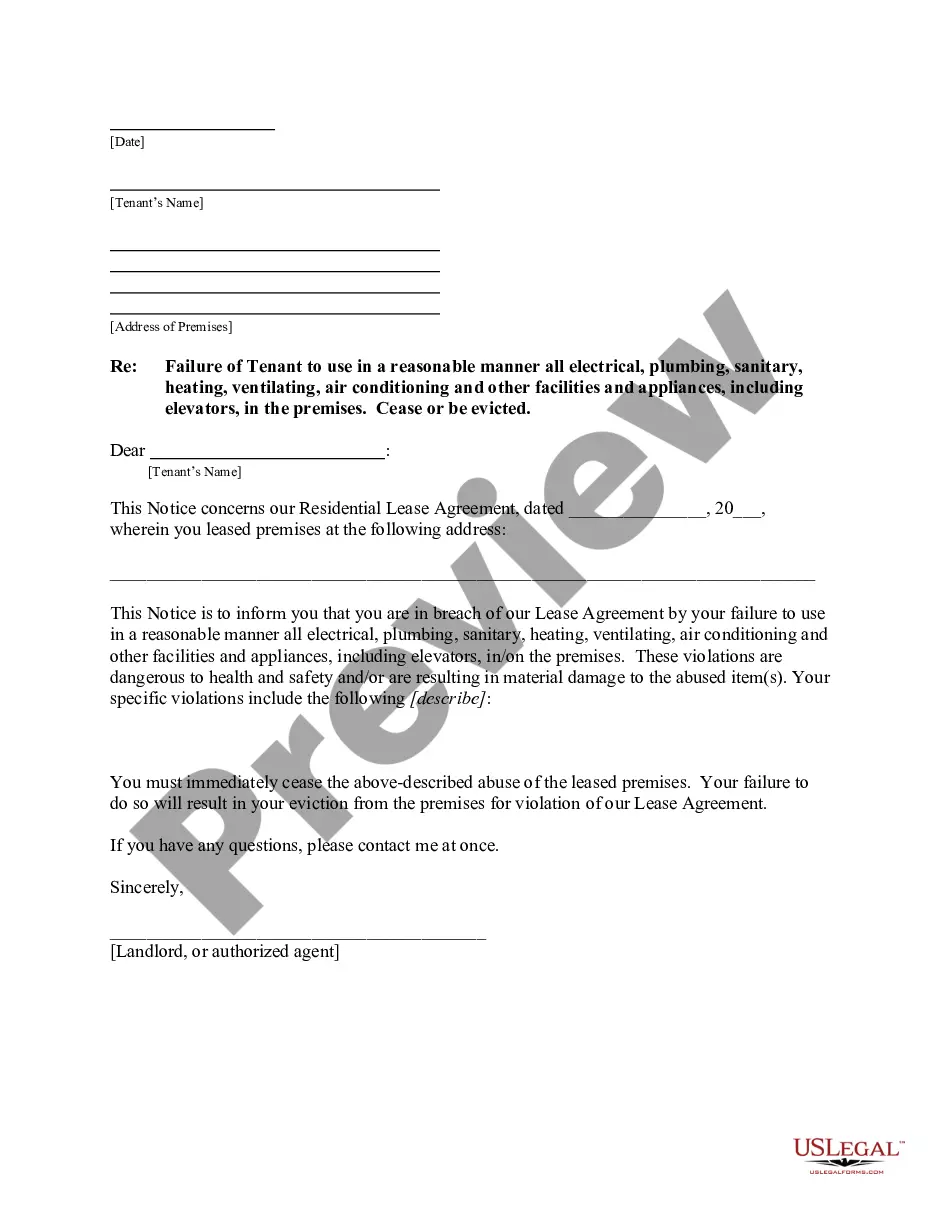
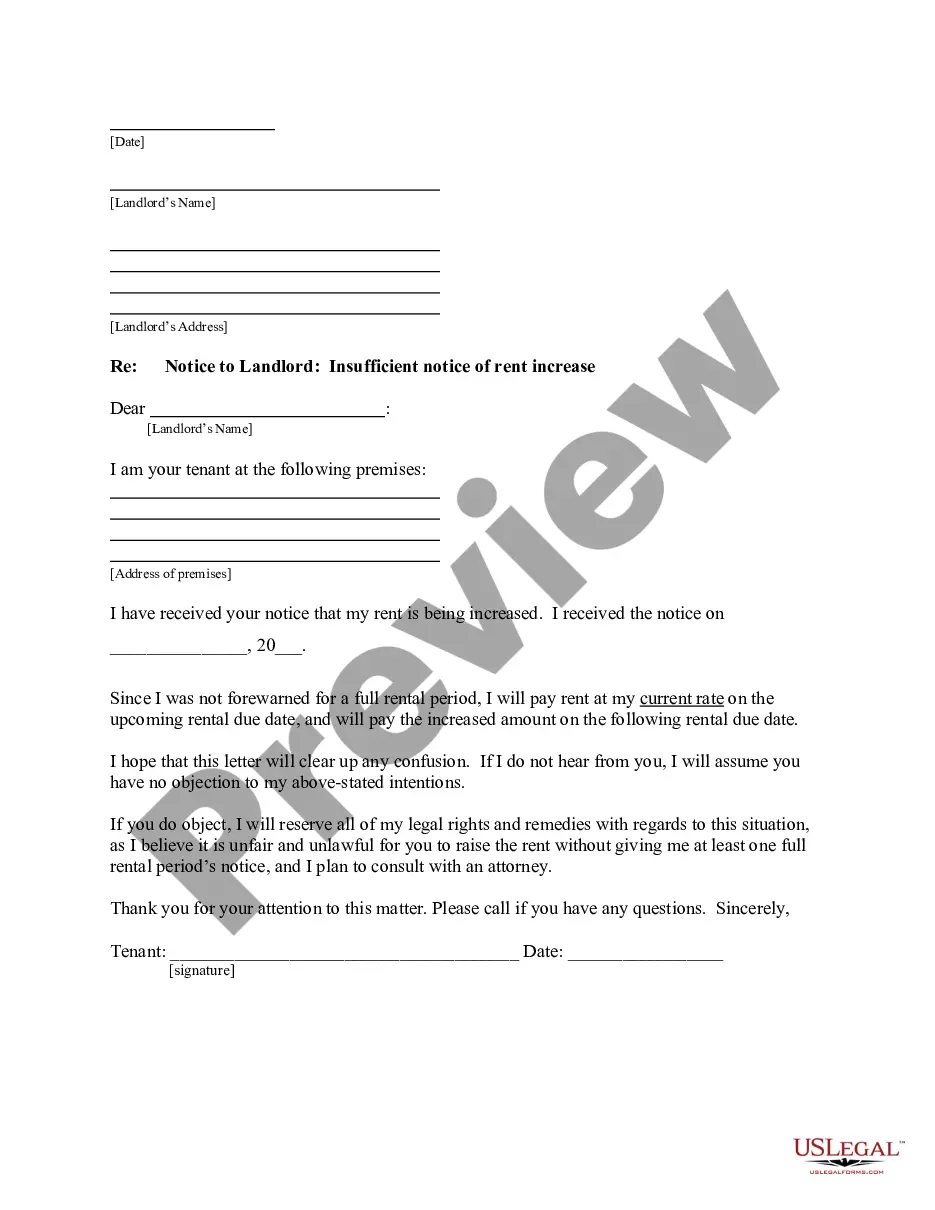
North Carolina Letter from Landlord to Tenant for Failure to use electrical, plumbing, sanitary, heating, ventilating, air conditioning and other facilities in a reasonable manner
Understanding this form
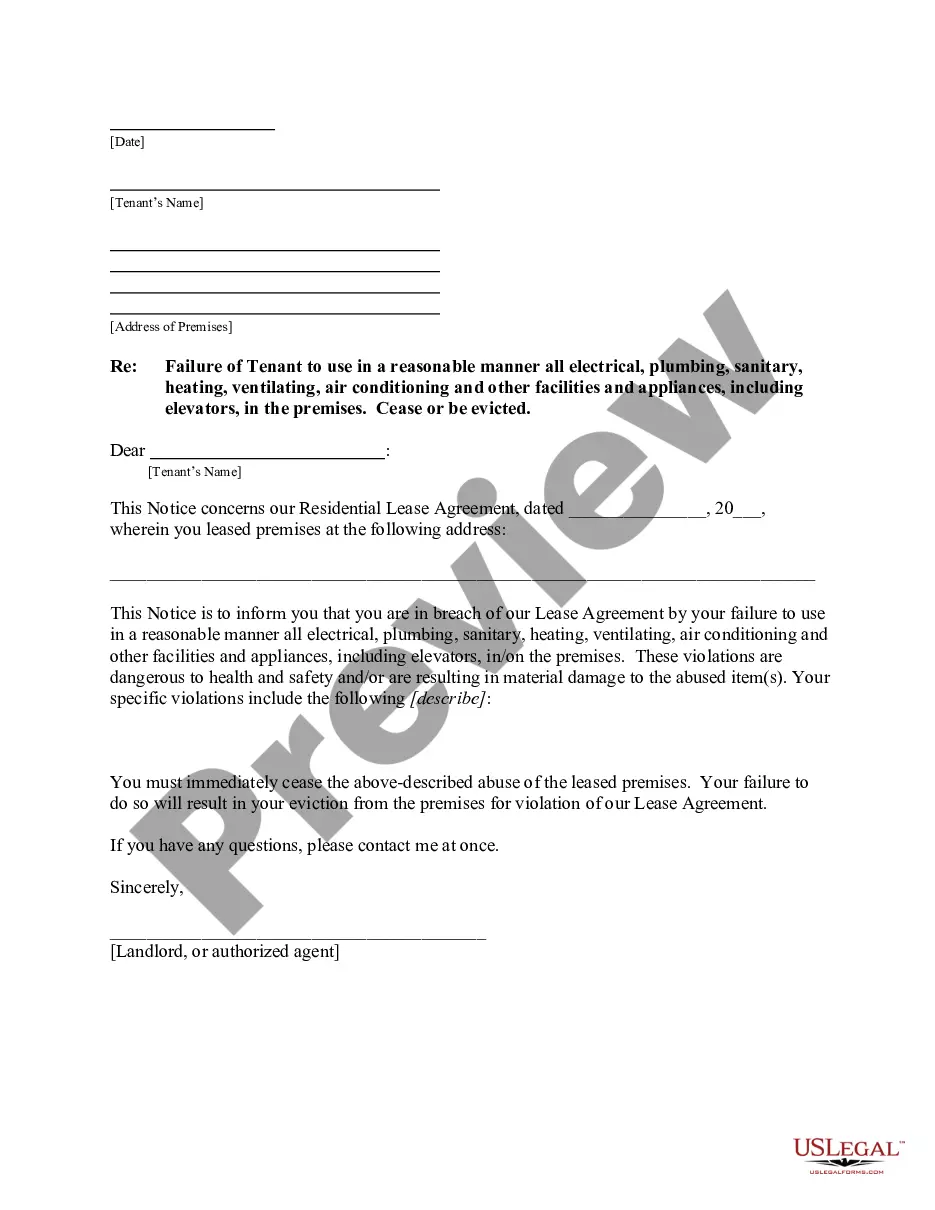
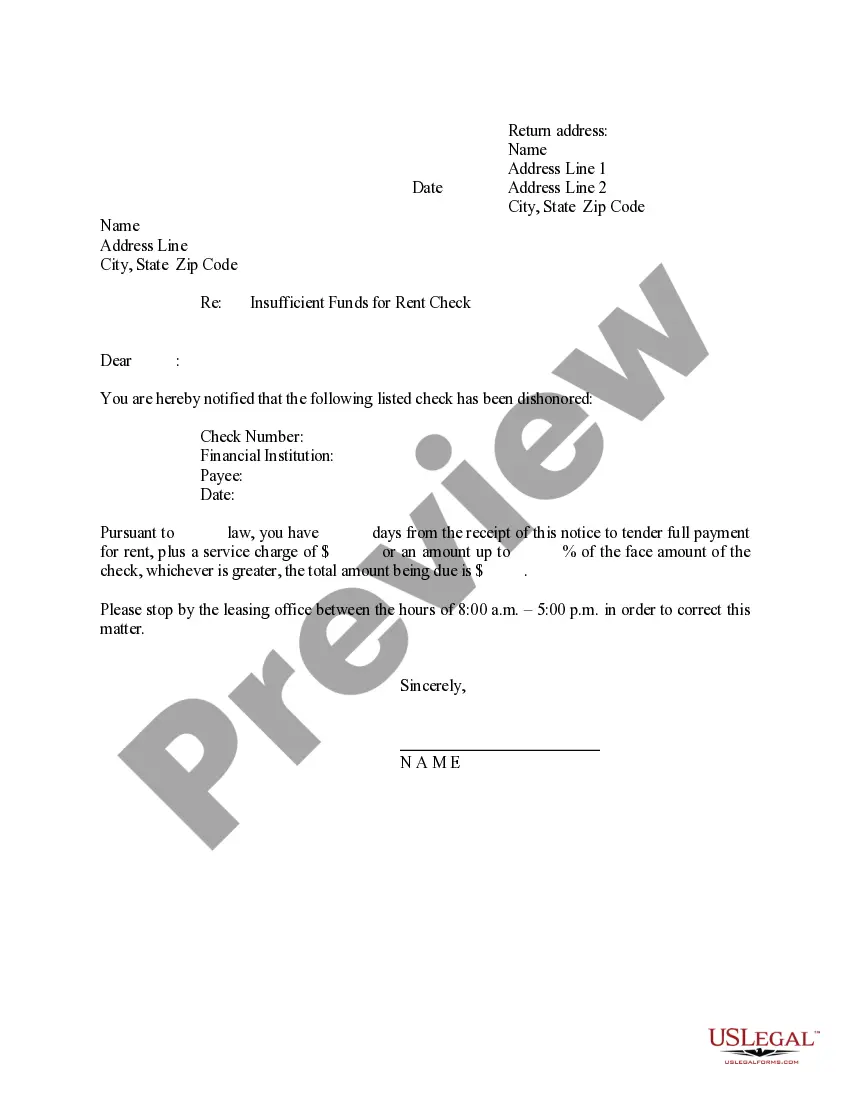
This form is a formal notice from a landlord to a tenant regarding the misuse of essential facilities such as electrical, plumbing, sanitary, heating, and air conditioning systems. It serves as a warning that continued misuse may lead to eviction. This Letter from Landlord to Tenant for Failure to use electrical, plumbing, sanitary, heating, ventilating, air conditioning and other facilities in a reasonable manner is crucial for maintaining safe and appropriate living conditions in rental properties.
Key components of this form
- Identification of the landlord and tenant
- Details of the specific issues related to facility misuse
- Notice that continued misuse may result in eviction
- Signature line for the landlord or authorized agent
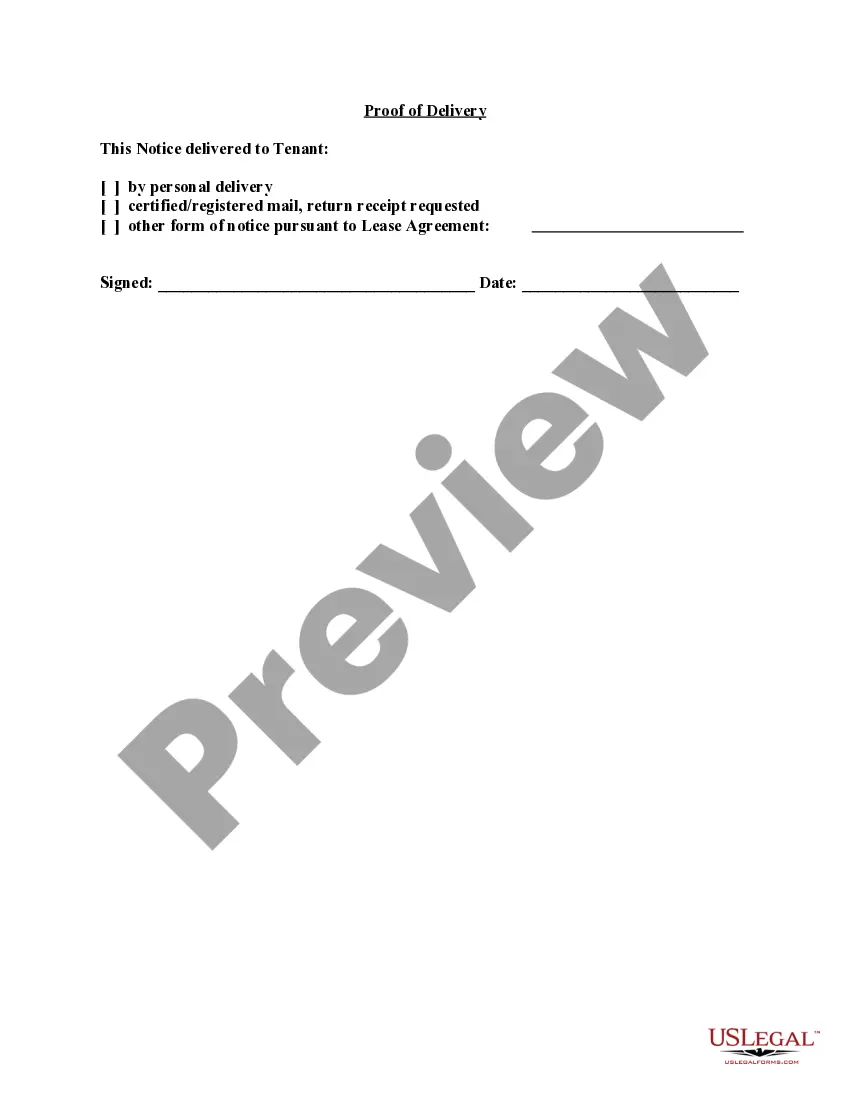
- Proof of delivery options


When this form is needed
This form should be used when a landlord observes that a tenant is not using provided facilities in a reasonable manner, which may violate lease terms. It is appropriate to send this notice before taking further action, such as eviction, to ensure the tenant has been formally warned about the issues at hand.
Who needs this form
- Landlords who have rental agreements with tenants
- Property managers acting on behalf of landlords
- Tenants receiving notices about misuse of facilities
Completing this form step by step
- Identify the parties involved by entering the landlord's and tenant's names.
- Specify the property address to clarify the location of the rental.
- Detail the misuse of facilities, citing specific examples where applicable.
- Sign the notice to validate it and provide contact information for further inquiries.
- Choose a method of delivery for this notice, whether personal delivery or certified mail.
Notarization requirements for this form
Notarization is not commonly needed for this form. However, certain documents or local rules may make it necessary. Our notarization service, powered by Notarize, allows you to finalize it securely online anytime, day or night.
Get your form ready online
Our built-in tools help you complete, sign, share, and store your documents in one place.
Make edits, fill in missing information, and update formatting in US Legal Forms—just like you would in MS Word.
Download a copy, print it, send it by email, or mail it via USPS—whatever works best for your next step.
Sign and collect signatures with our SignNow integration. Send to multiple recipients, set reminders, and more. Go Premium to unlock E-Sign.
If this form requires notarization, complete it online through a secure video call—no need to meet a notary in person or wait for an appointment.
We protect your documents and personal data by following strict security and privacy standards.

Make edits, fill in missing information, and update formatting in US Legal Forms—just like you would in MS Word.

Download a copy, print it, send it by email, or mail it via USPS—whatever works best for your next step.

Sign and collect signatures with our SignNow integration. Send to multiple recipients, set reminders, and more. Go Premium to unlock E-Sign.

If this form requires notarization, complete it online through a secure video call—no need to meet a notary in person or wait for an appointment.

We protect your documents and personal data by following strict security and privacy standards.
Typical mistakes to avoid
- Failing to specify the exact nature of the misuse
- Not signing the form or including contact information
- Using vague language that may not clearly state the tenant's violations
- Neglecting to document the delivery method for future reference
Benefits of using this form online
- Convenience of downloading and customizing the form quickly
- Ability to edit the form to suit specific needs
- Access to professionally drafted templates by licensed attorneys
- Immediate availability without the need for in-person appointments
Looking for another form?

Form popularity
FAQ
It is in fact illegal for a landlord or agent to enter the premises without permission from the tenant. Ultimately, a landlord has no right of entry unless the tenant grants access or the landlord is given permission by the courts.
You should give your landlord access to the property to inspect it or carry out repairs. Your landlord has to give you at least 24 hours' notice and visit at a reasonable time of day, unless it's an emergency and they need immediate access.
No, a landlord cannot just kick you out. They need to follow the formal eviction process provided in your state. If a landlord uses illegal self-help measures, such as changing the locks or throwing out your belongings, you should be able to hold the landlord accountable and remain on the property.
A tenant is someone who is permitted to occupy the property of another person, by signing a lease or rental agreement. The rental agreement empowers the tenant in some ways but also restricts them from taking overall legal ownership of the property.
The big take-away is that in most circumstances a landlord cannot enter a property without agreement from the tenant. And If the landlord ignores the law and enters the property without permission, the tenant may be able to claim damages or gain an injunction to prevent the landlord doing it again.