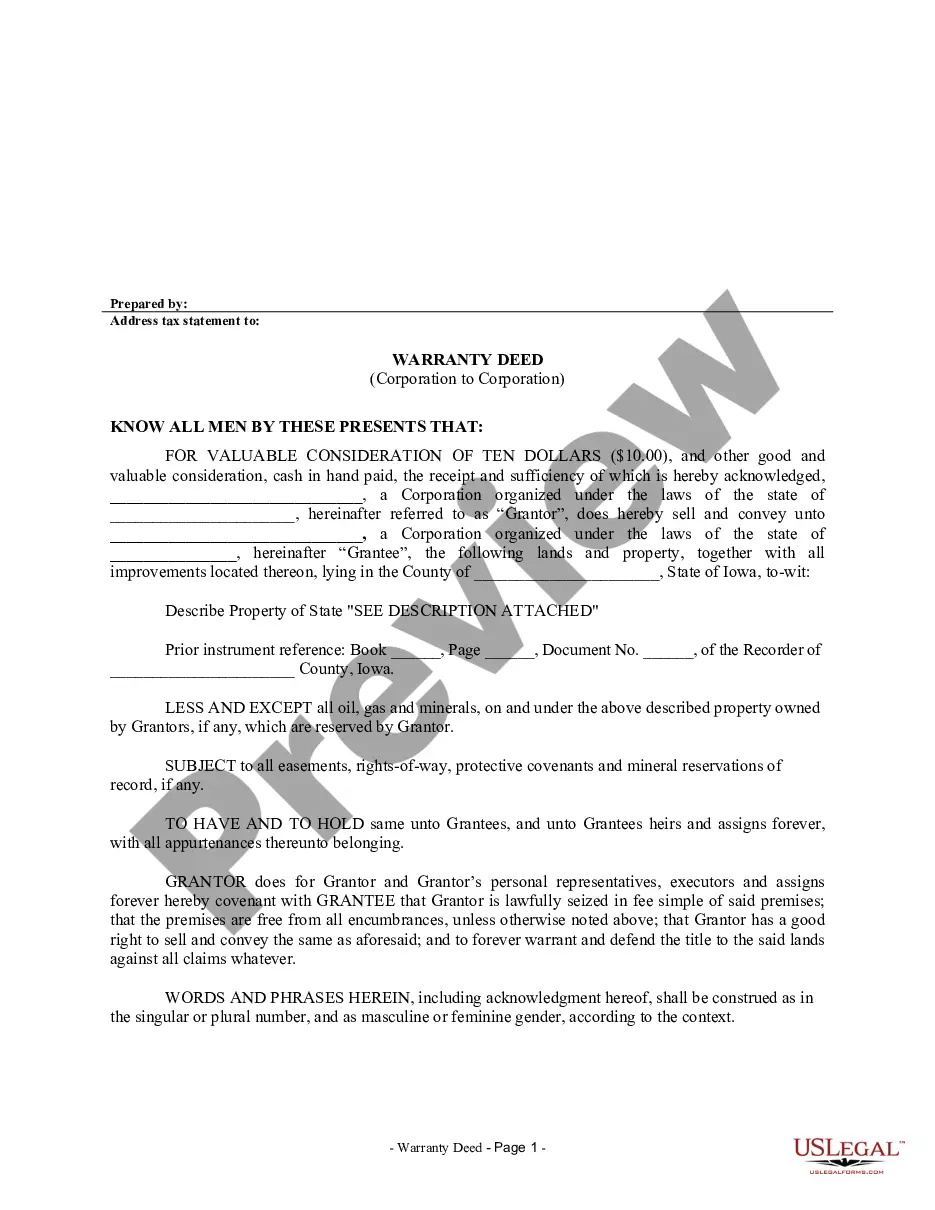
Montana Assignment of Contract for Deed by Seller
Overview of this form
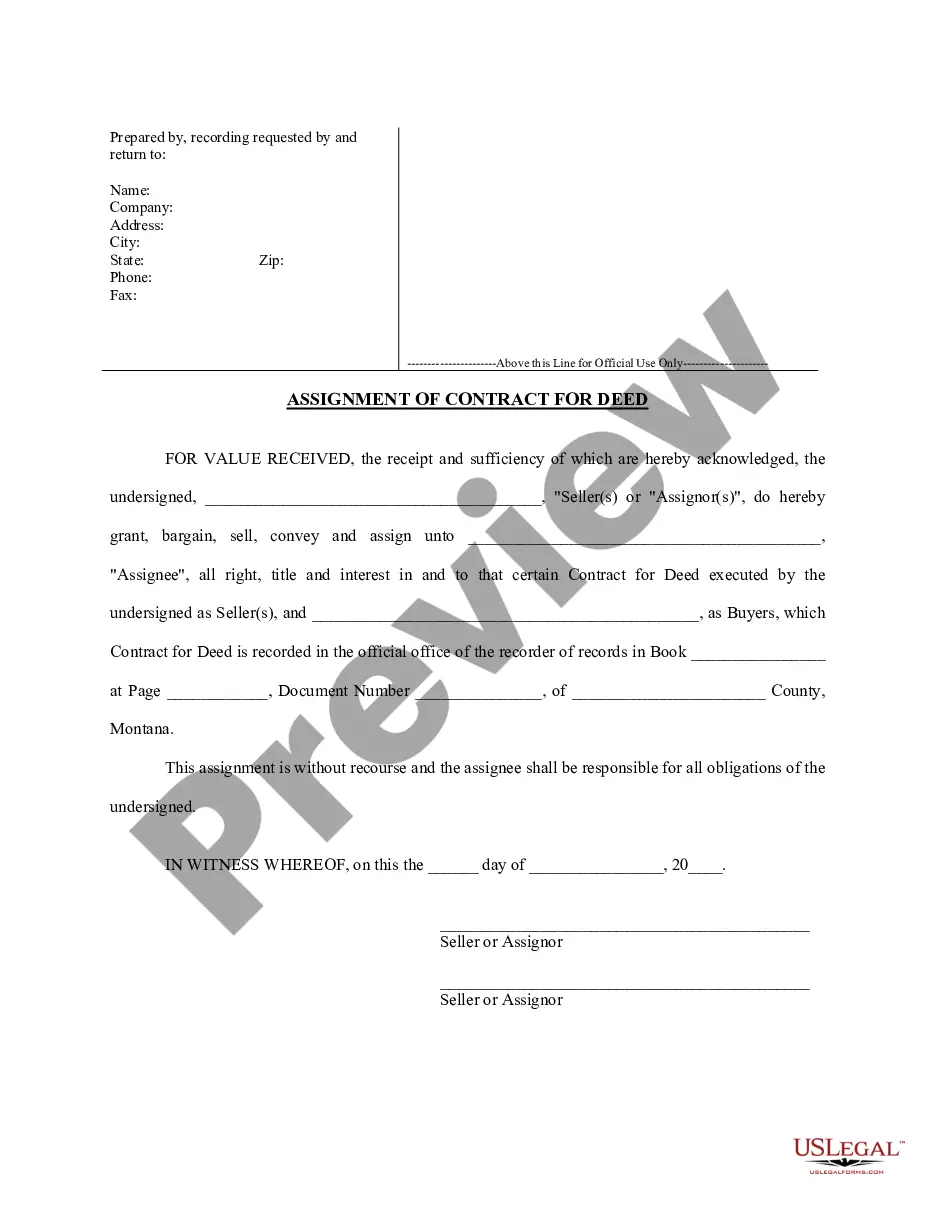
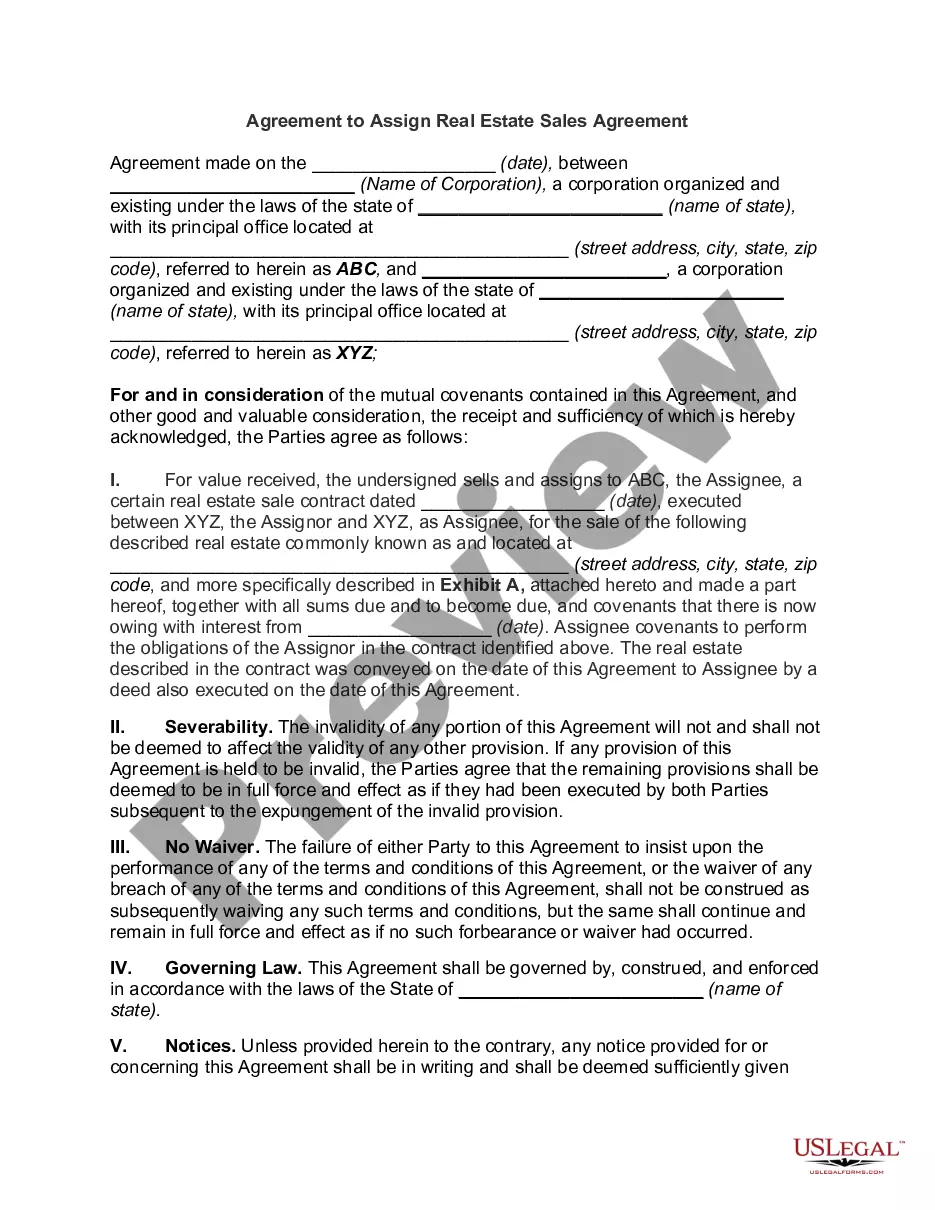
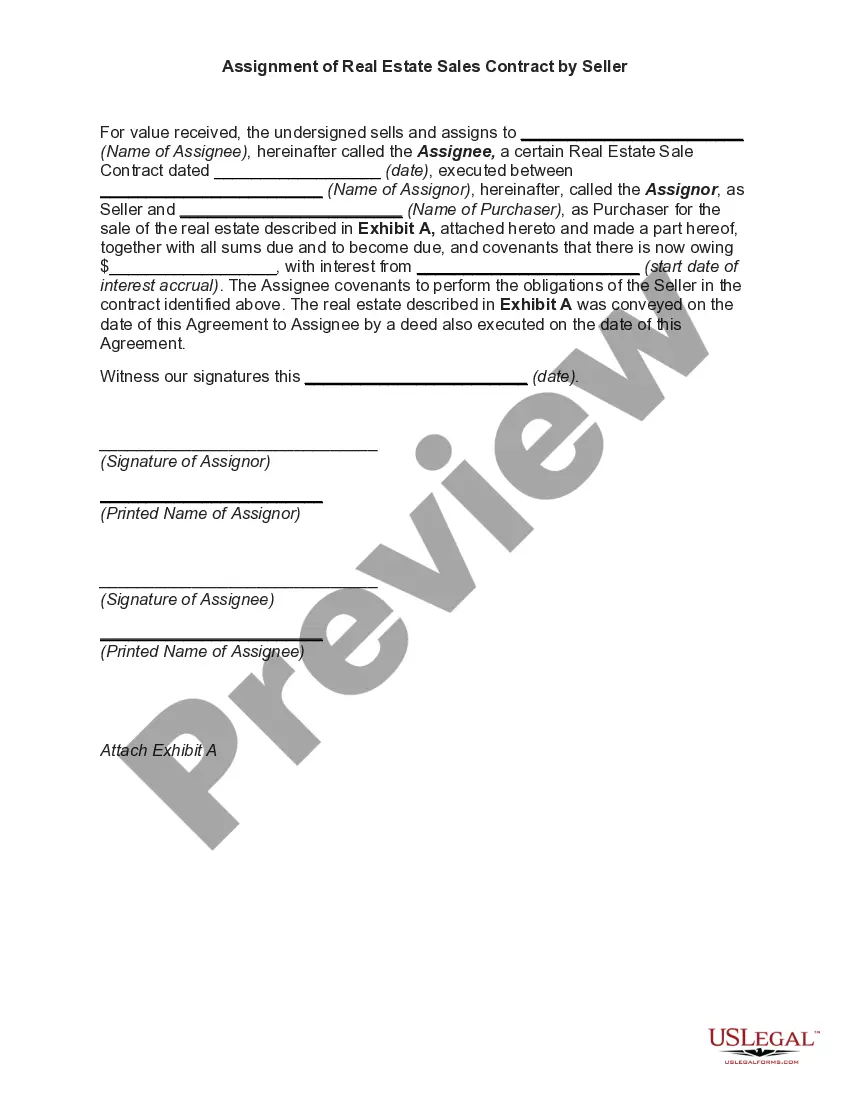
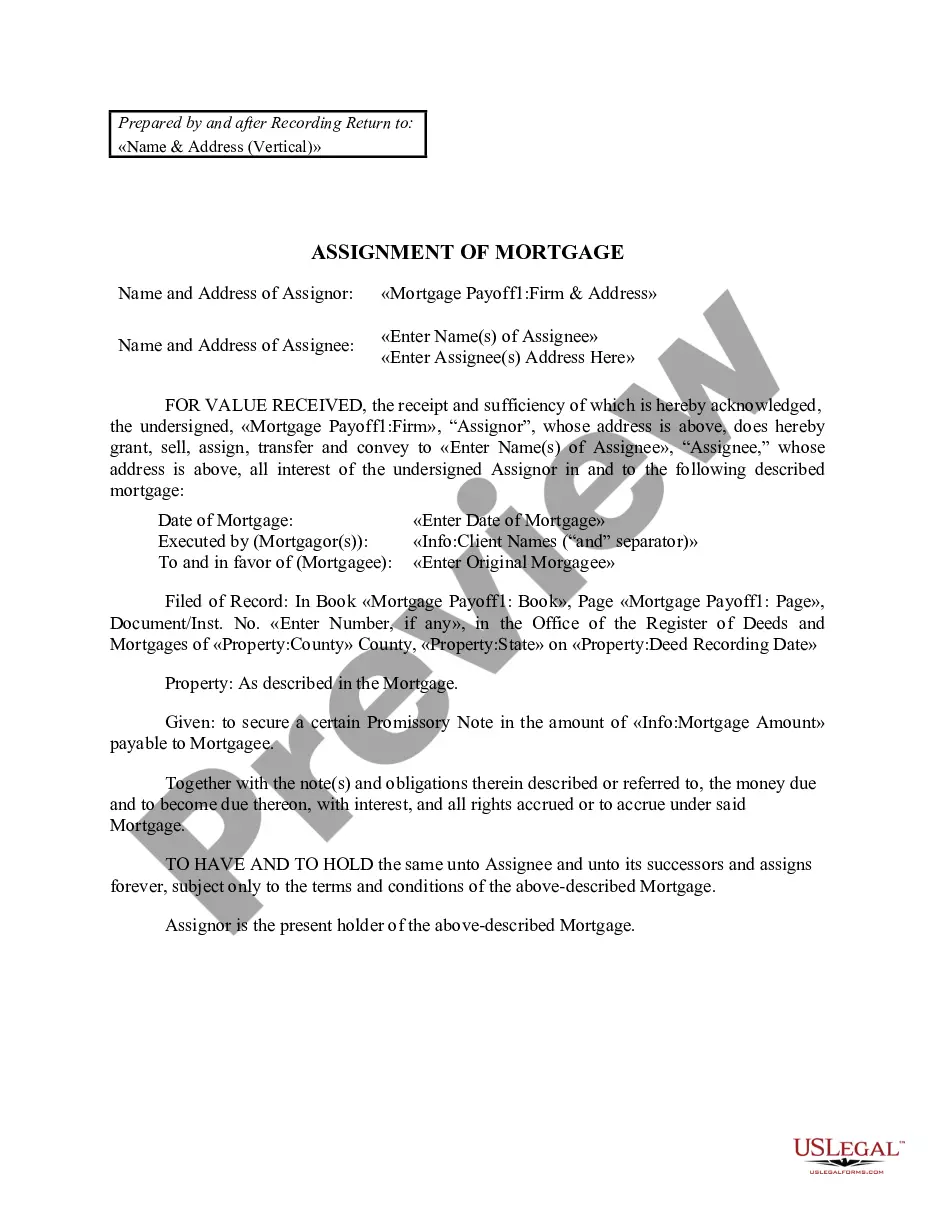
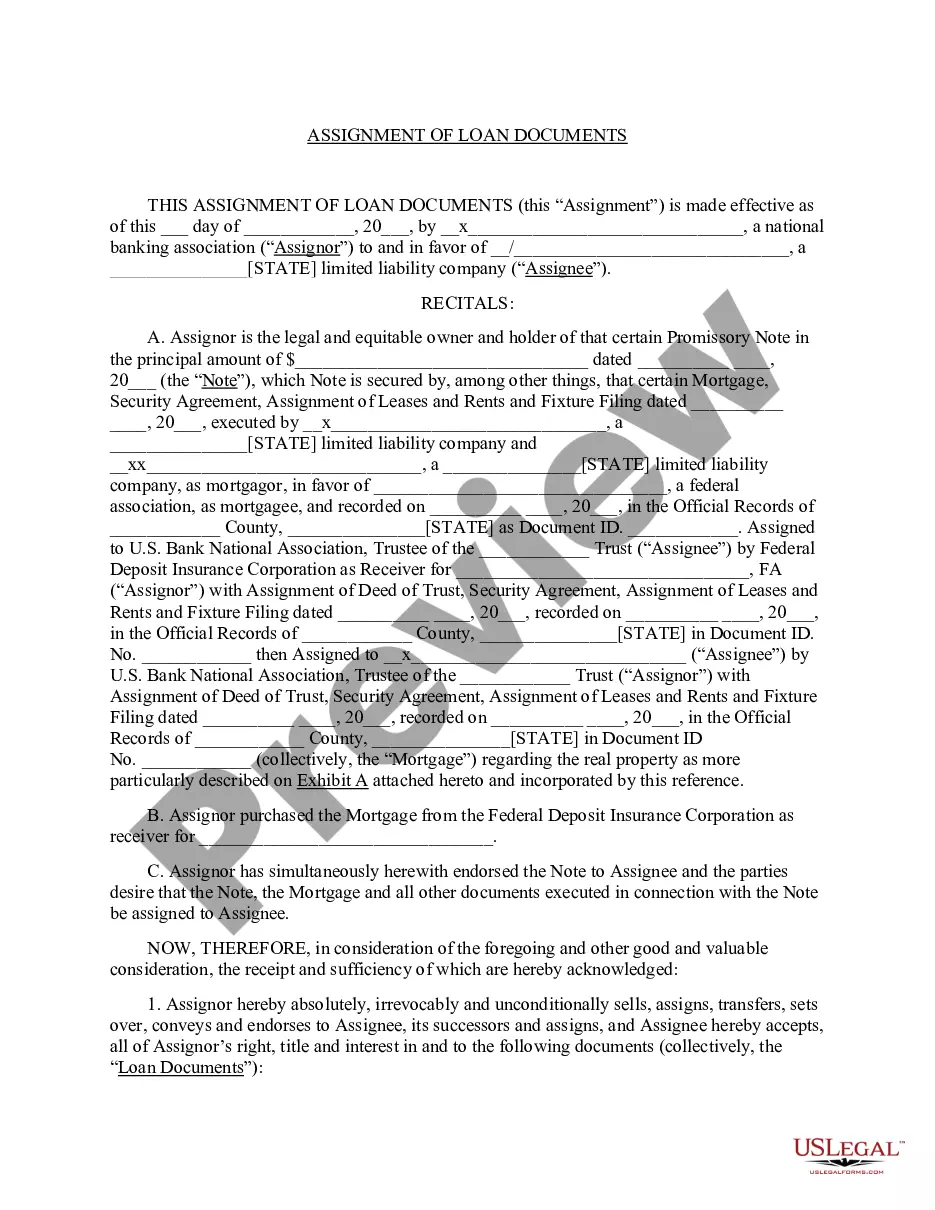
The Assignment of Contract for Deed by Seller is a legal document that allows a seller, who has previously signed a contract for deed, to assign that contract to a third party. This form serves the purpose of transferring the ownership rights and responsibilities under the contract, enabling the assignee to collect future payments from the original purchaser. It is crucial to note that this assignment is without recourse, meaning the seller is not liable for the assignee's performance.
Main sections of this form
- Identification of the seller and assignee.
- Detailed description of the original contract for deed.
- Declaration of the assignment's terms and conditions.
- Signature lines for both the seller and assignee.
- Statement regarding the assignment being without recourse.
Common use cases
This form is typically needed when a seller wishes to transfer their rights in a contract for deed to another party, often in exchange for a discounted cash value. This is common in situations where the seller needs immediate cash or wants to offload their responsibilities under the contract. It can be beneficial in real estate transactions where the seller cannot complete the contract terms or where the original purchaser is unable to fulfill their obligations.
Who this form is for
- Sellers who wish to assign their contract for deed to another party.
- Real estate investors looking to acquire existing contracts for deed.
- Individuals seeking to transfer their financial obligations related to a property purchase.
How to prepare this document
- Identify the parties involved, including the seller and the assignee.
- Provide a clear description of the original contract for deed being assigned.
- Review and insert any relevant terms of the assignment.
- Specify the date when the assignment will take effect.
- Both the seller and assignee should sign and date the document.
Does this form need to be notarized?
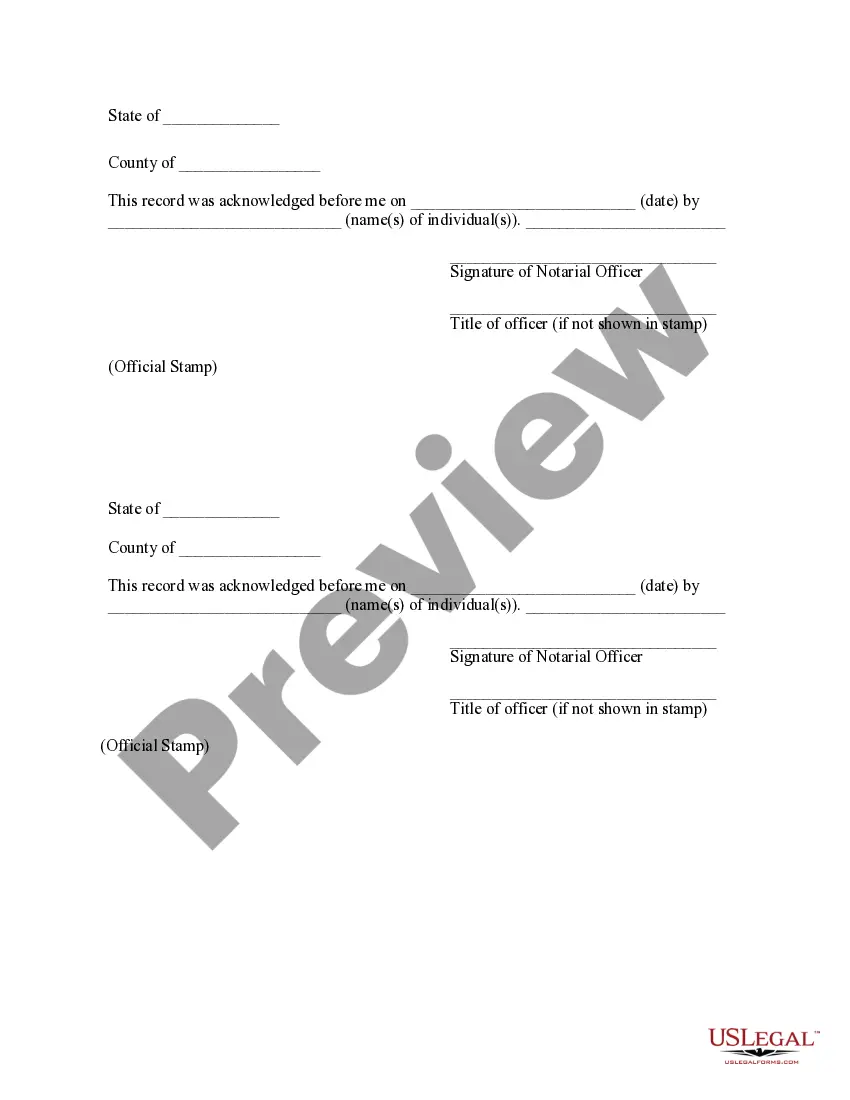
This form does not typically require notarization unless specified by local law. However, obtaining notarization can provide additional legal assurance and help prevent disputes regarding the authenticity of the signatures used on the document.
Get your form ready online
Our built-in tools help you complete, sign, share, and store your documents in one place.
Make edits, fill in missing information, and update formatting in US Legal Forms—just like you would in MS Word.
Download a copy, print it, send it by email, or mail it via USPS—whatever works best for your next step.
Sign and collect signatures with our SignNow integration. Send to multiple recipients, set reminders, and more. Go Premium to unlock E-Sign.
If this form requires notarization, complete it online through a secure video call—no need to meet a notary in person or wait for an appointment.
We protect your documents and personal data by following strict security and privacy standards.

Make edits, fill in missing information, and update formatting in US Legal Forms—just like you would in MS Word.

Download a copy, print it, send it by email, or mail it via USPS—whatever works best for your next step.

Sign and collect signatures with our SignNow integration. Send to multiple recipients, set reminders, and more. Go Premium to unlock E-Sign.

If this form requires notarization, complete it online through a secure video call—no need to meet a notary in person or wait for an appointment.

We protect your documents and personal data by following strict security and privacy standards.
Typical mistakes to avoid
- Failing to accurately describe the original contract for deed.
- Not including all necessary parties in the document.
- Neglecting to sign and date the form correctly.
- Assuming that the assignment is automatically valid without notifying the original purchaser.
Benefits of using this form online
- Convenient access to the form from anywhere at any time.
- Easy customization to fit personal or specific transaction needs.
- Reliability of templates drafted by licensed attorneys.
Looking for another form?

Form popularity
FAQ
The Montana Department of Livestock (MDOL) is a Montana State agency whose operations are funded by state and federal tax dollars. The MDOL is charged with managing livestock: cows, chickens, pigs, sheep and the like.
Business names must be registered with the MT Secretary of State's office (www.sos.mt.gov), or proof of registration with another state must be provided. Per Administrative Rule of Montana 32.18.
Read from the left to the right as ML (M L). Read from the top to the bottom as (bar m). When the brand is enclosed, it is read from the outside to the inside as(circle S).
Horses are branded using both hot-iron and freeze branding. Horses are often branded using a freeze brand as a way to denote ownership.Freeze brands can also be used to denote breed in general, or to identify an animal with a specific breed registry. The brand is usually located on a horse's haunches or neck.
Today, many methods are used to identify a horse, including markings, cowlicks, chestnuts, tattooing, freeze branding, blood typing, DNA typing, and microchip identification.
Hermes Paris The top brand in the clothing industry has a logo which depicts the royal life. The logo of this top brand has the harshness of a horse and equipment.
Brands are read from left to right, from the top down or from the outside to the inside. If a letter or symbol is made backwards from its normal position, it's read as a reverse. A letter partially over on its face or back is said to be tumbling. If a letter lies horizontally on its face or back, it is called lazy.