Michigan Letter from Tenant to Landlord about Insufficient notice of rent increase
What is this form?
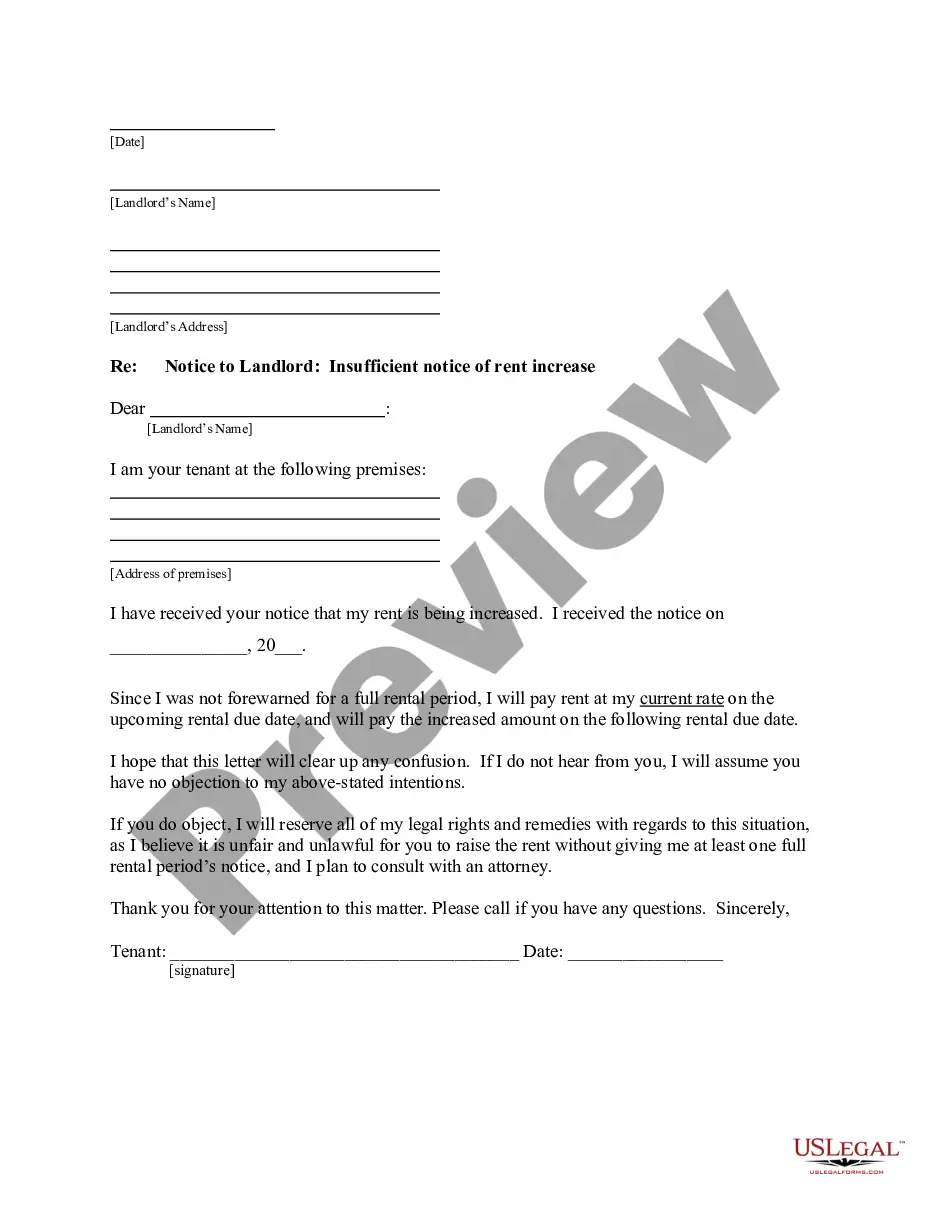
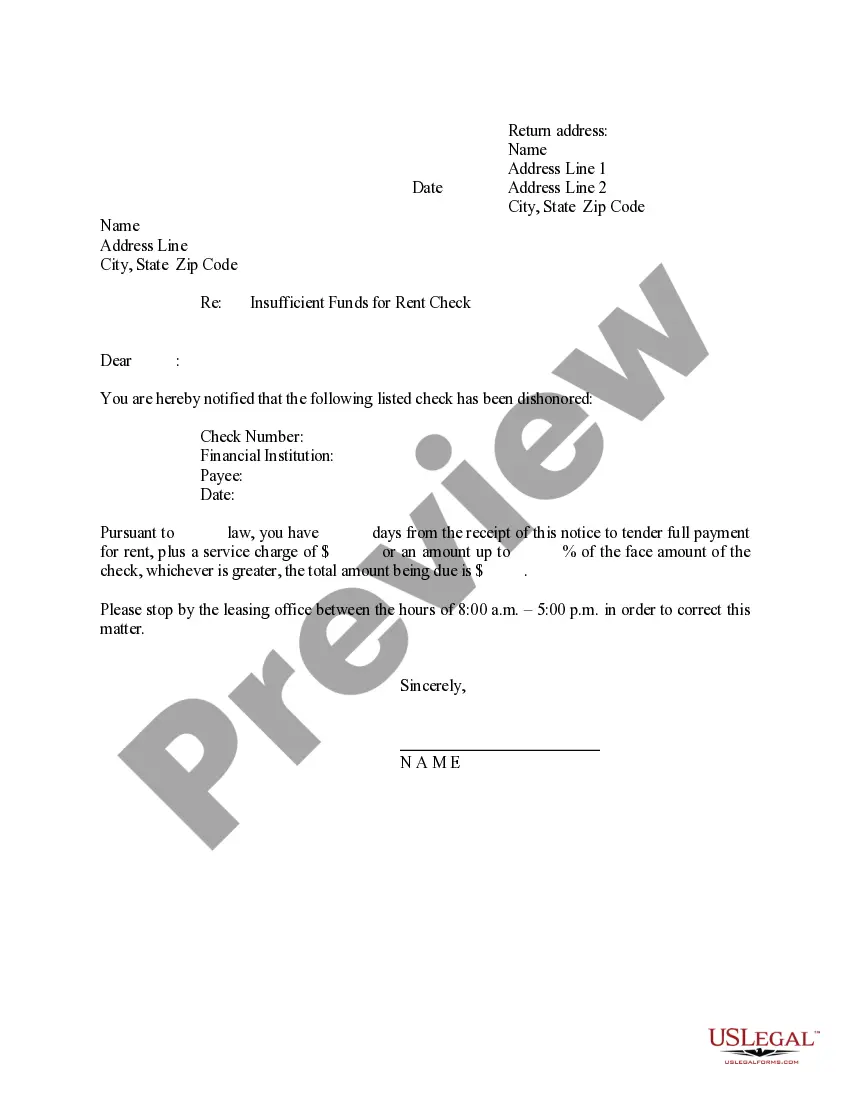
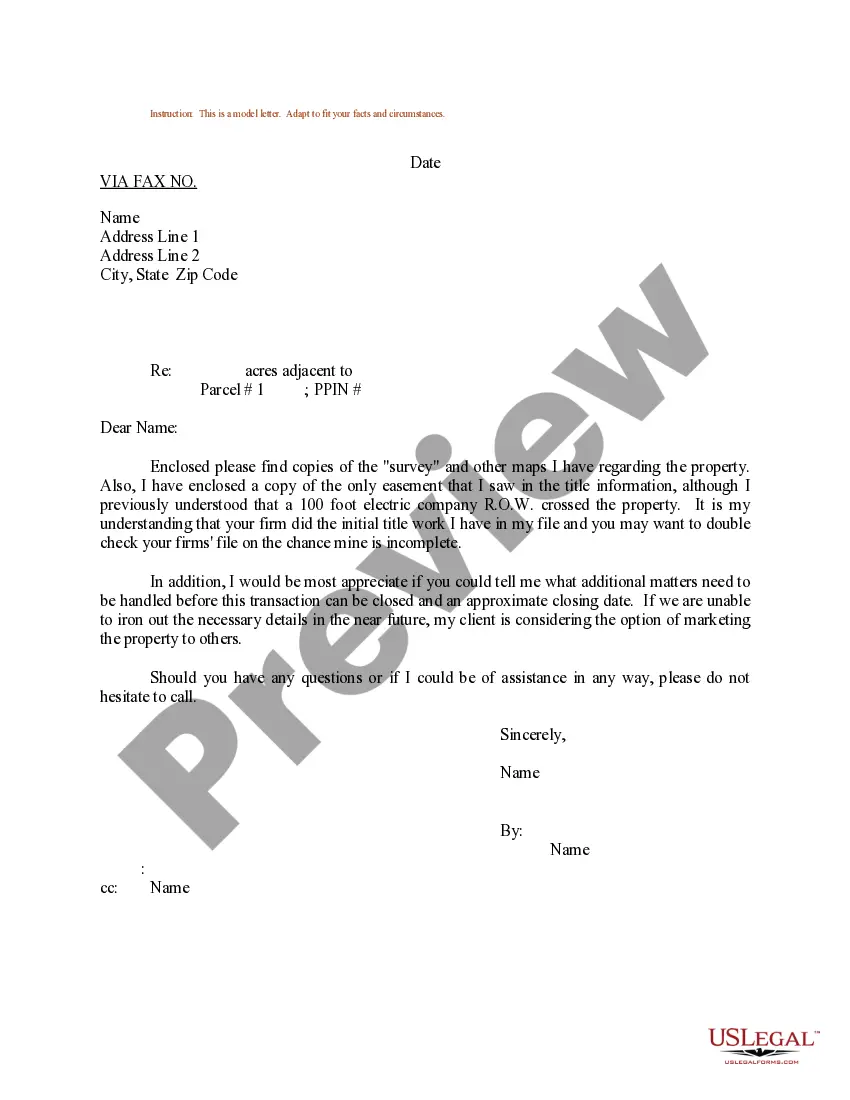
This form is a Letter from Tenant to Landlord about Insufficient Notice of Rent Increase. It serves as a formal notice to the landlord that the tenant did not receive proper advance notification for a rent increase on a month-to-month lease. The tenant is asserting their right to maintain the current rent until the required notice period has elapsed and outlines their intentions regarding future payments. This letter is crucial for ensuring that tenants are protected from improper rent increases while maintaining clear communication with their landlord.
Form components explained
- Sender's details: Name and address of the tenant.
- Date: The date the letter is written.
- Landlord's details: Name and address of the landlord.
- Statement of insufficient notice: A clear assertion stating that the landlord did not provide adequate notice of the rent increase.
- Proposed payment schedule: The tenant's intentions regarding rent payment under current and future rates.
- Legal rights reservation: A declaration that the tenant reserves all legal rights should there be a dispute.
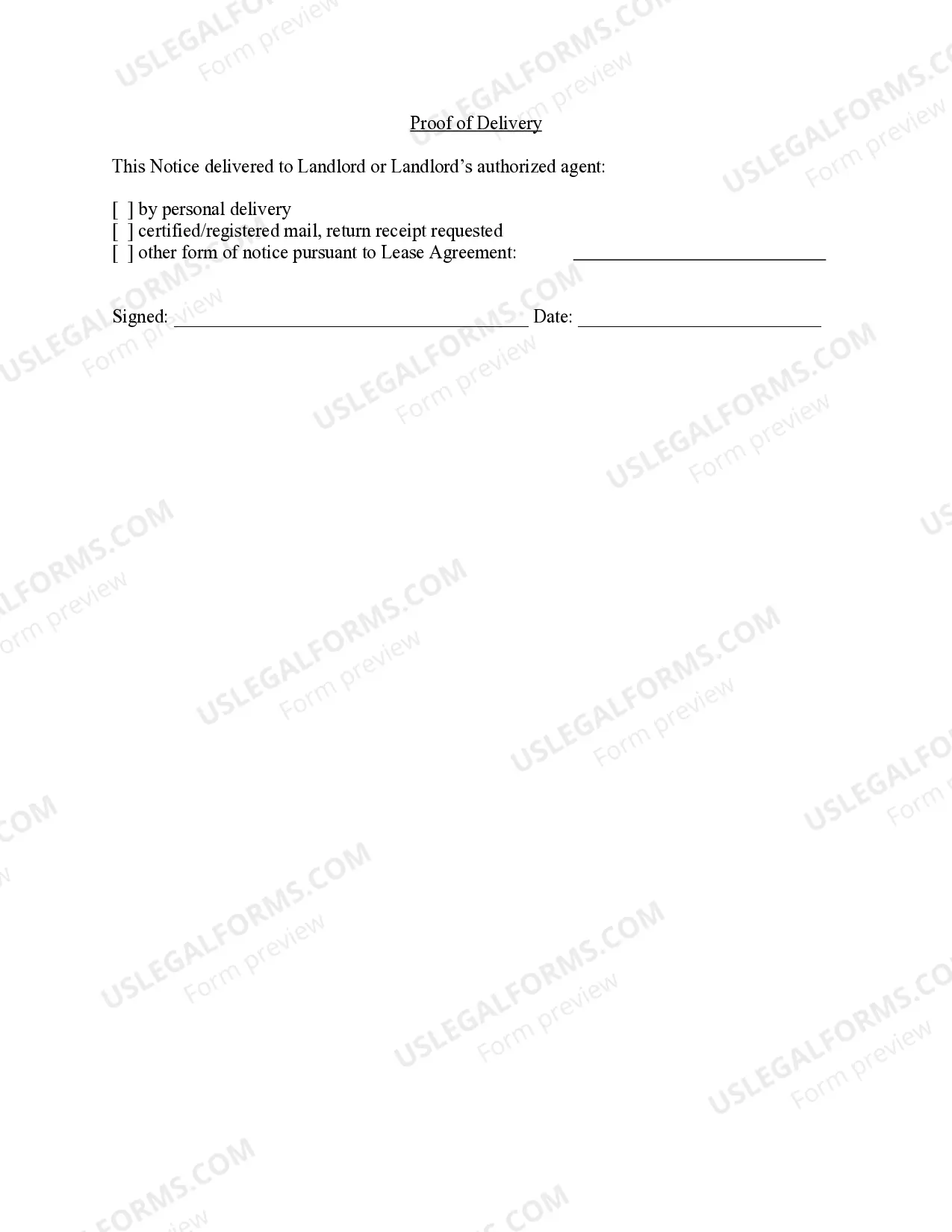
- Proof of delivery: A section to confirm that the letter was delivered to the landlord or their agent.
When to use this document
This form should be used when a tenant receives notification of a rent increase but believes the notice does not comply with local laws regarding the required notice period. It is important in situations where the tenant wants to formally communicate their understanding of the rent increase and assert their rights while avoiding potential misunderstandings with the landlord.
Who needs this form
- Tenants who have received a notice of rent increase with insufficient advance warning.
- Individuals under a month-to-month lease agreement.
- Renters seeking to clarify their rights regarding rent adjustment notifications.
- Tenants who wish to maintain a record of their communication with their landlord regarding rent increases.
Instructions for completing this form
- Identify the parties: Enter your name and address as the tenant, and provide the landlord's name and address.
- Specify the date: Indicate the date you are writing the letter.
- State your concerns: Clearly mention that you did not receive proper notice regarding the rent increase.
- Outline your payment intentions: State that you will pay the current rent amount until the required notice period has lapsed.
- Include your rights: Mention that you reserve all legal rights if your landlord disputes your intention.
- Sign the letter: Provide your signature and include a method for confirming delivery to the landlord.
Does this document require notarization?
This form does not typically require notarization unless specified by local law. Ensure to check any specific requirements in your jurisdiction to confirm.
Get your form ready online
Our built-in tools help you complete, sign, share, and store your documents in one place.
Make edits, fill in missing information, and update formatting in US Legal Forms—just like you would in MS Word.
Download a copy, print it, send it by email, or mail it via USPS—whatever works best for your next step.
Sign and collect signatures with our SignNow integration. Send to multiple recipients, set reminders, and more. Go Premium to unlock E-Sign.
If this form requires notarization, complete it online through a secure video call—no need to meet a notary in person or wait for an appointment.
We protect your documents and personal data by following strict security and privacy standards.

Make edits, fill in missing information, and update formatting in US Legal Forms—just like you would in MS Word.

Download a copy, print it, send it by email, or mail it via USPS—whatever works best for your next step.

Sign and collect signatures with our SignNow integration. Send to multiple recipients, set reminders, and more. Go Premium to unlock E-Sign.

If this form requires notarization, complete it online through a secure video call—no need to meet a notary in person or wait for an appointment.

We protect your documents and personal data by following strict security and privacy standards.
Typical mistakes to avoid
- Failing to include the landlord's correct address.
- Not specifying the date the letter is written.
- Neglecting to sign the letter before sending it.
- Writing unclear intentions regarding rent payments.
Why use this form online
- Convenience of downloading the form instantly from anywhere.
- Editable templates allow for quick customization to fit your situation.
- Reliability, as forms are drafted by licensed attorneys to ensure legal compliance.
Legal use & context
- This letter serves as formal documentation of the tenantâs notice regarding insufficient notice of rent increase.
- It's essential for protecting tenant rights under landlord-tenant law.
- The letter can strengthen the tenant's case if disputes arise regarding rental payments or legality of the increase.
What to keep in mind
- This form is crucial for addressing unauthorized rent increases by landlords.
- Proper completion of the form helps protect a tenantâs rights.
- Understanding state-specific requirements can enhance the effectiveness of the letter.
- Using this form ensures communication with the landlord is clear and documented.
Looking for another form?


Form popularity
FAQ
Tenant's name. Property address. Landlord name and contact information. Date the letter is written. Date the rent increase will take effect. Amount of rent increase. Current cost of rent.
Tenant's name. Property address. Landlord name and contact information. Date the letter is written. Date the rent increase will take effect. Amount of rent increase. Current cost of rent.
The name of your tenant. The date. The property address. The lease expiration date. The date the rent increase will take effect. The amount of the increase. The current rental amount. Date the new rent will be due.
No. There is no Michigan law requiring landlords to provide tenants with notice of rent increases between lease terms. However, landlords cannot raise your rent in the middle of your lease.
Ask the landlord to reconsider their letter to you. Explain the history of your tenancy to date, which should show that you're a good tenant who has paid rent on time. Include comparisons to rent in the area, if it shows that a rent increase would make your rent too high when compared to similar apartments.
In most states, a landlord must give tenants notice at least 30 days before they'll enforce a rent increase. However, in other states like California, the notice can increase to 60 days' notice if the increase is more than 10% of the current rent rate.
Tenant's name. Property address. Landlord's name and contact info. Date the letter was written. Date the rent increase will take effect. Rent increase amount. Current rental amount. Date the new rent will be due.
Remember you're a business. Do your research. Raise the rent all at once or incrementally. Don't negotiate or ask tenants what they think a fair rent increase would be. Be courteous and firm. Find a template you like. Send a formal letter by certified mail. Give the tenant notice.