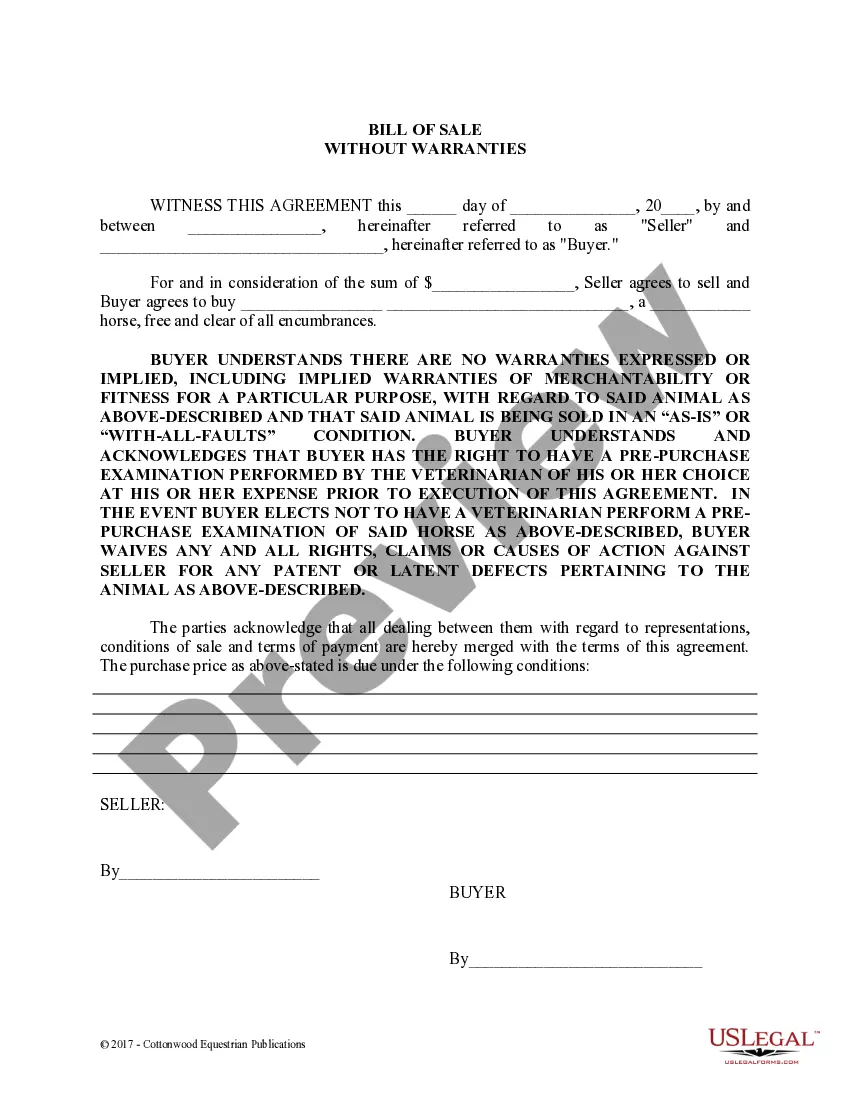
Michigan Quitclaim Deed from Corporation to Corporation
Understanding this form
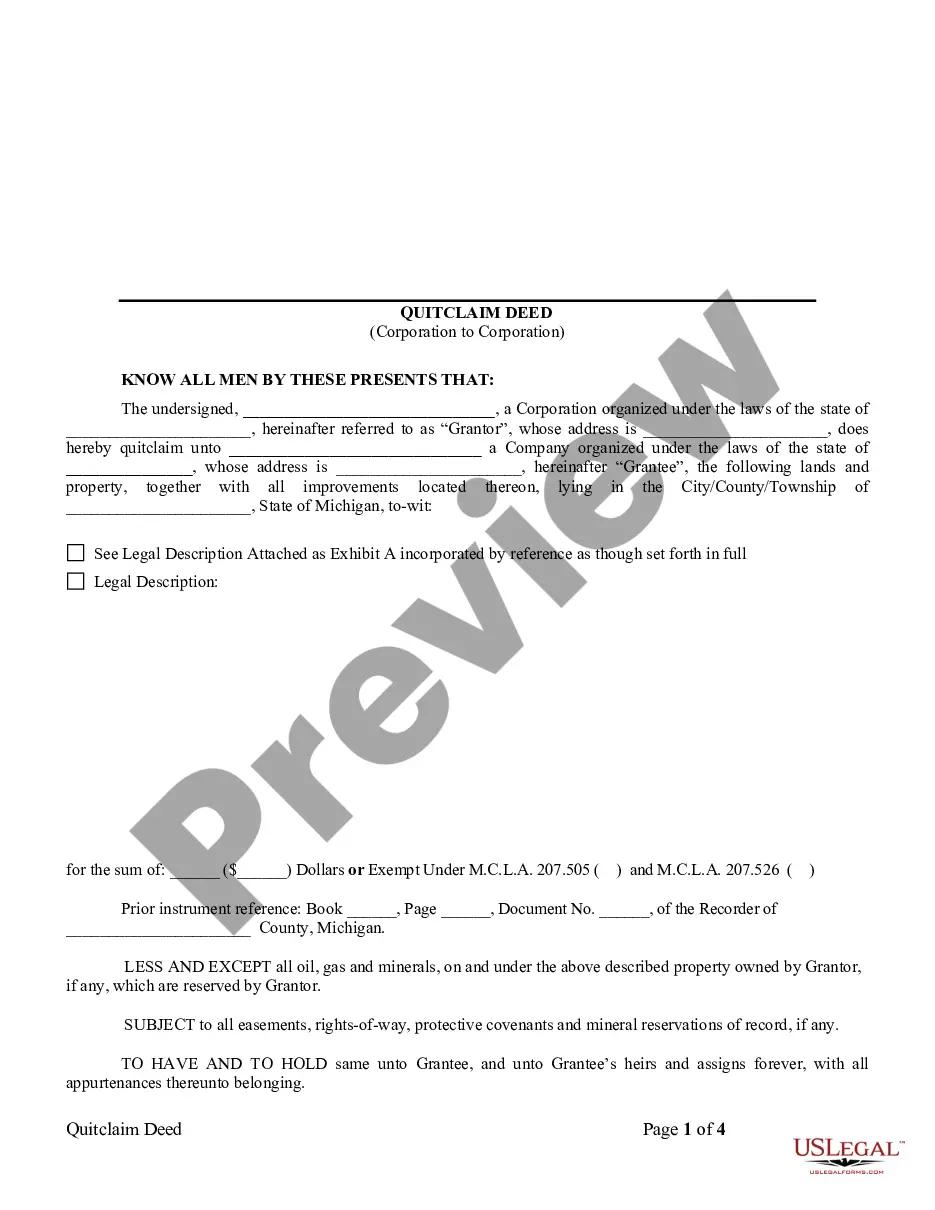
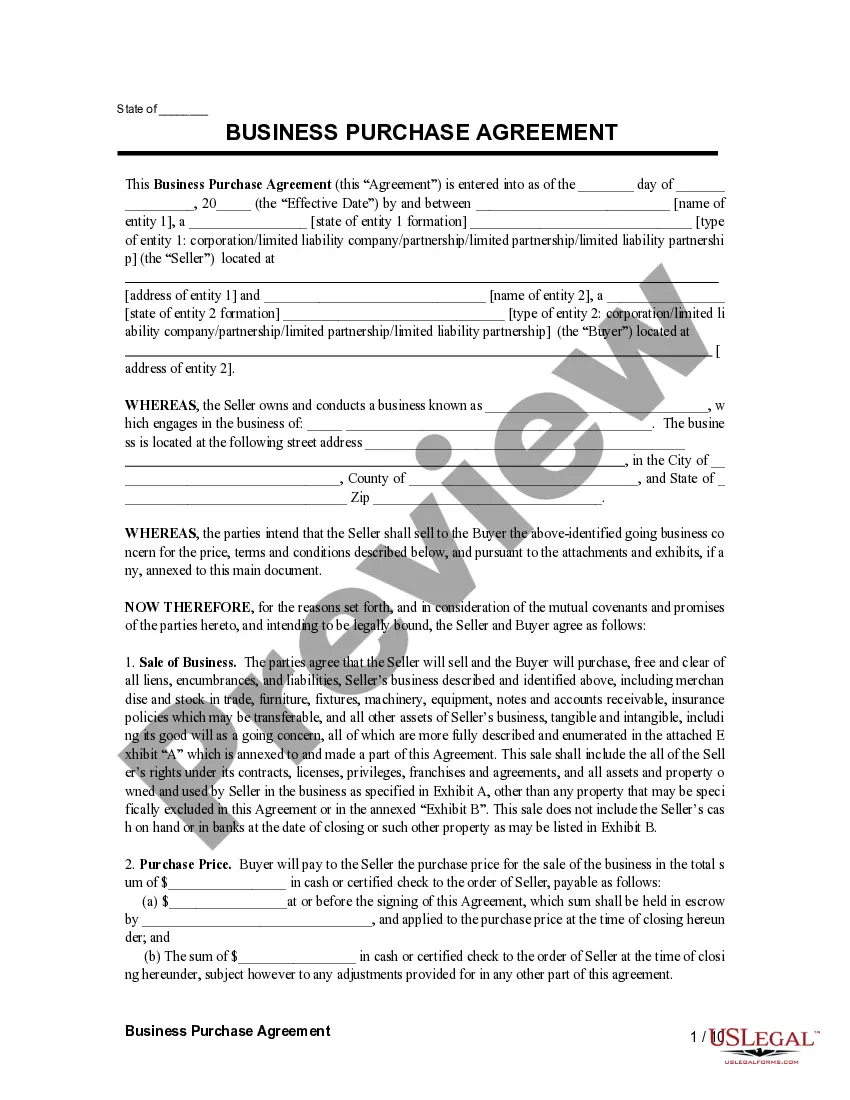
The Quitclaim Deed from Corporation to Corporation is a legal document used to transfer ownership of real property between two corporations. This form allows the Grantor corporation to convey property to the Grantee corporation, specifically relinquishing any claim to the property without providing a warranty. A distinctive feature of this deed is that it excludes any oil, gas, or minerals that might be located beneath the property, which are reserved by the Grantor. This makes it different from other property transfer deeds that may offer warranties or assurances regarding the property title.
Key parts of this document
- Identification of the Grantor and Grantee corporations, including state of incorporation and addresses.
- A detailed legal description of the property being transferred.
- Exclusion of oil, gas, and minerals from the property transfer.
- Provisions for easements, rights-of-way, and covenants that may affect the property.
- Rights granted to the Grantee, including potential divisions of the land under the applicable state law.
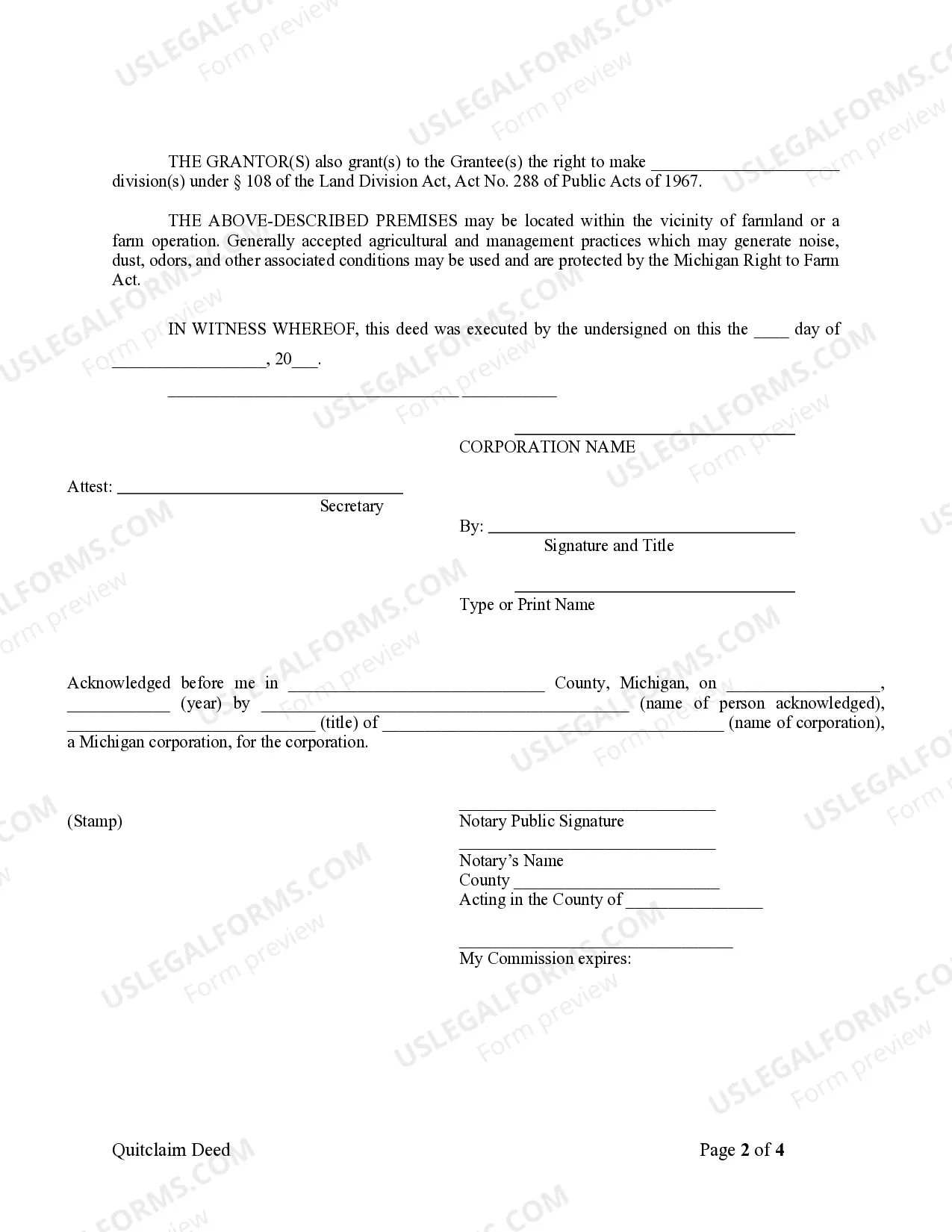
- Acknowledgment section for notarization by an officer of the Grantor corporation.



When this form is needed
This form is commonly used when one corporation intends to transfer the ownership of real estate to another corporation without any warranties regarding the title. Typical scenarios include corporate mergers, property restructuring, or when a corporation wants to divest certain assets. It's particularly useful when the parties agree on the transfer terms but do not require assurances about the absence of title defects.
Who should use this form
- Corporations looking to transfer real property to another corporation.
- Business entities involved in mergers or acquisition of assets.
- Corporate legal departments and real estate departments within corporations.
- Attorneys representing corporate clients in real estate transactions.
Steps to complete this form
- Identify both the Grantor and Grantee, including their incorporation details and addresses.
- Clearly describe the property being transferred, using a legal description.
- Specify the reservation of oil, gas, and minerals if applicable.
- Include any easements or restrictions that may affect the property.
- Have an authorized officer of the Grantor sign and date the deed before a notary public.
Notarization guidance
This document requires notarization to meet legal standards. US Legal Forms provides secure online notarization powered by Notarize, allowing you to complete the process through a verified video call, available 24/7.
Get your form ready online
Our built-in tools help you complete, sign, share, and store your documents in one place.
Make edits, fill in missing information, and update formatting in US Legal Forms—just like you would in MS Word.
Download a copy, print it, send it by email, or mail it via USPS—whatever works best for your next step.
Sign and collect signatures with our SignNow integration. Send to multiple recipients, set reminders, and more. Go Premium to unlock E-Sign.
If this form requires notarization, complete it online through a secure video call—no need to meet a notary in person or wait for an appointment.
We protect your documents and personal data by following strict security and privacy standards.

Make edits, fill in missing information, and update formatting in US Legal Forms—just like you would in MS Word.

Download a copy, print it, send it by email, or mail it via USPS—whatever works best for your next step.

Sign and collect signatures with our SignNow integration. Send to multiple recipients, set reminders, and more. Go Premium to unlock E-Sign.

If this form requires notarization, complete it online through a secure video call—no need to meet a notary in person or wait for an appointment.

We protect your documents and personal data by following strict security and privacy standards.
Typical mistakes to avoid
- Failing to provide a complete legal description of the property.
- Not including the correct names or titles of the corporations involved.
- Overlooking the need for notarization by a corporate officer.
Why use this form online
- Easy access to downloadable legal templates drafted by licensed attorneys.
- Time-saving process that eliminates the need for in-person consultations.
- Editable forms that can be tailored to specific transaction needs.
Looking for another form?






Form popularity
FAQ
To file a quitclaim deed in Michigan, first complete the deed form accurately and ensure it includes all necessary details. Next, sign the document in the presence of a notary public, then take it to the County Clerk’s office for recording. Utilizing platforms like US Legal Forms can simplify this process, guiding you through the necessary steps for a clear and efficient Michigan Quitclaim Deed from Corporation to Corporation.
The statute governing quitclaim deeds in Michigan can be found under the Michigan Compiled Laws, specifically MCL 565.29. This law outlines the requirements and validity of a quitclaim deed, ensuring that it effectively transfers property without any guarantees. Understanding these legal nuances is vital when engaging in transactions like a Michigan Quitclaim Deed from Corporation to Corporation.
Correct, when a corporation transfers property, the Michigan Quitclaim Deed from Corporation to Corporation must be signed by authorized representatives. This signature verifies that the transfer is legitimate and binding. Ensuring that proper authority is followed is crucial to uphold the transaction's validity. Always consult legal experts to make sure all protocols are adhered to during the process.
No, in most states, the Grantee is not required to sign the Quitclaim Deed. However, some counties do require that the Quitclaim Deed be signed by the Grantee in addition to the Grantor.Whether or not you need witnesses in addition to a notary public for your Quitclaim Deed depends on your location.
A Michigan quitclaim deed form provides no warranty of title. That means that the new owner has no legal right to sue the prior owner if there is a problem with the title to the property. The new owner simply takes whatever title that the prior owner has.
There will be a $30 recording fee. If you prepare a quitclaim deed using the Do-It-Yourself Quitclaim Deed (after Divorce) tool, detailed instructions on what to do next will print out along with the deed.
Step 1: Download the MI quitclaim deed form. Step 2: Add the name and address of the preparer under Prepared By on the first line of the document. Step 3: Add the return address under After Recording Return To. This is typically the name and address of the grantee, but it could be a different party.
If the quitclaim deed requires the signature of all co-owners, the deed is invalid unless all co-owners have signed it and the deed is then delivered to the grantee.If one individual owns real estate and desires to add a co-owner such as a spouse, a quitclaim deed might be used.
In Michigan, a quit claim deed must be signed by a witness, in addition to the notary, to make it legal.After all required signatures are collected and notarized, file the document with your local register of deeds to complete the transaction.
But you might be wondering if an owner can transfer a deed to another person without a real estate lawyer. The answer is yes. Parties to a transaction are always free to prepare their own deeds.A quitclaim deed, for example, is far simpler than a warranty deed.