Maine Letter from Tenant to Landlord about Landlord's failure to make repairs
What is this form?
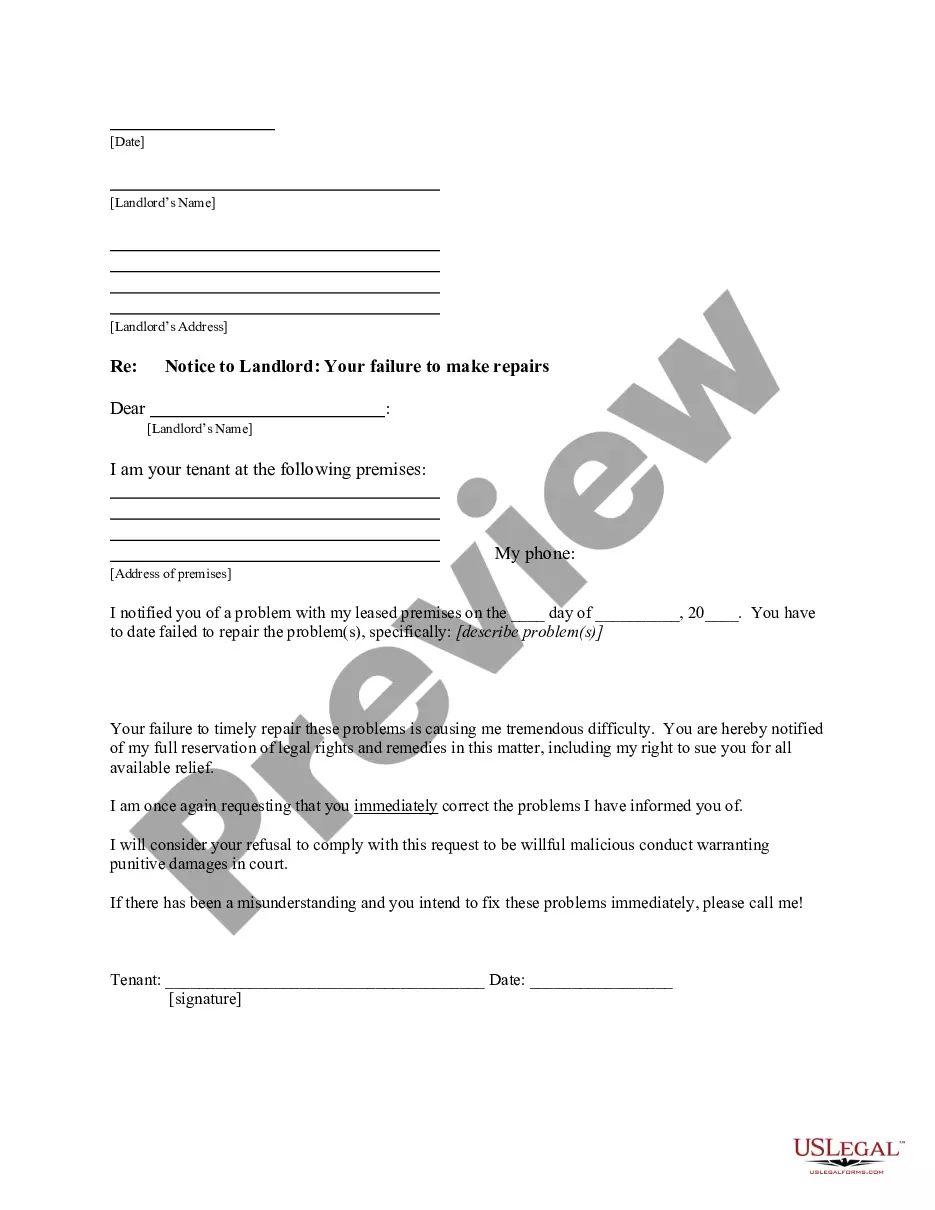
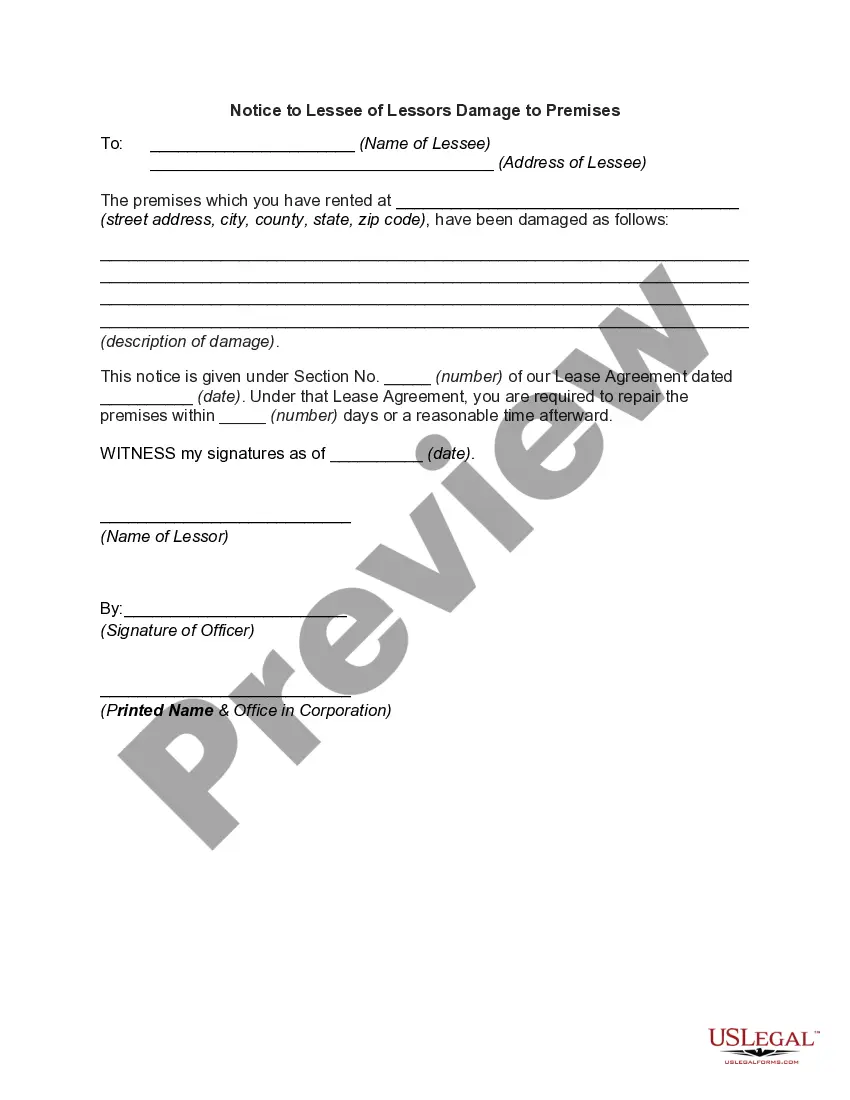
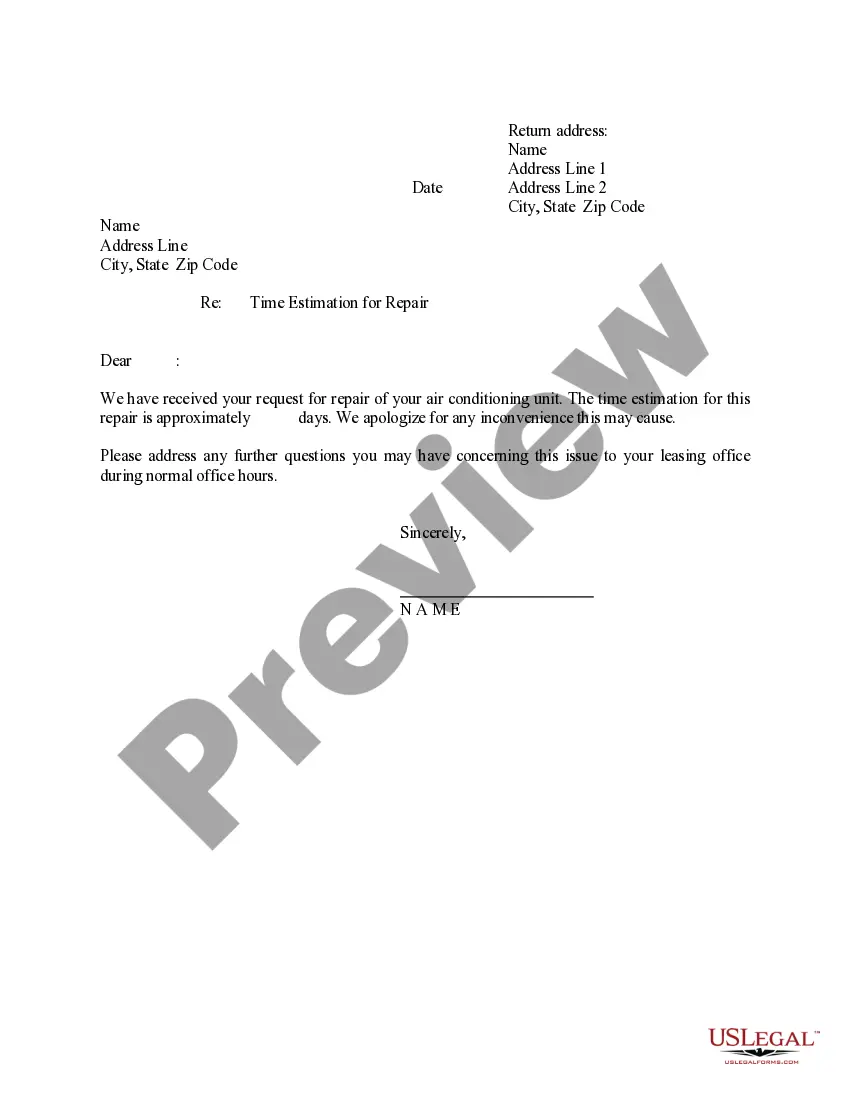
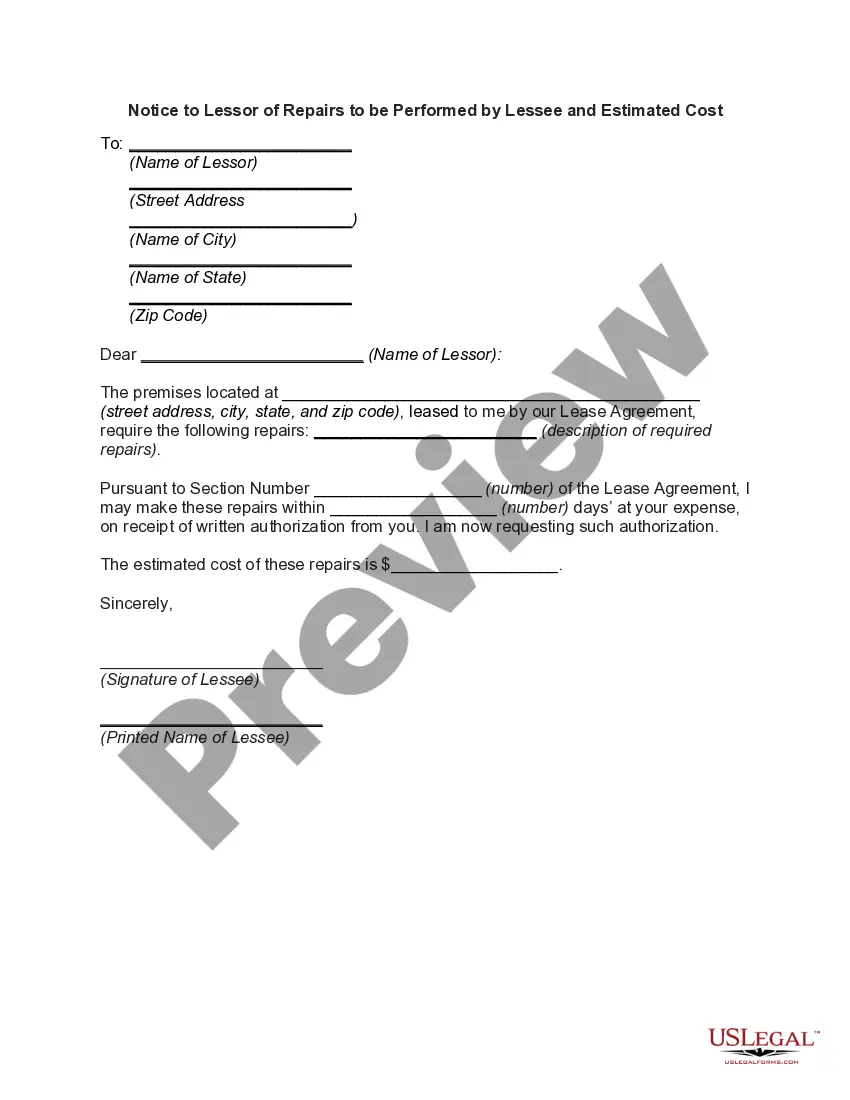
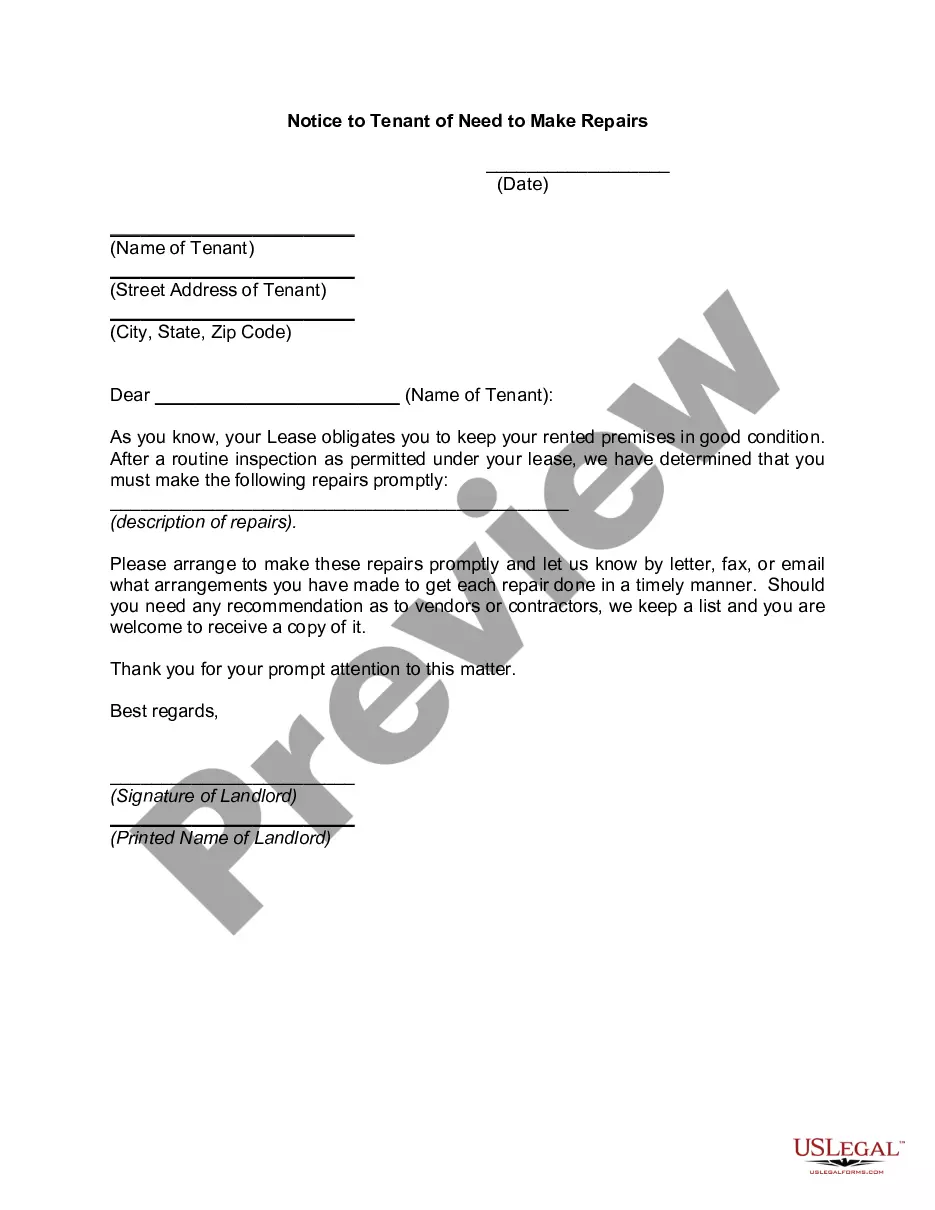
This form is a letter from a tenant to a landlord addressing the landlord's failure to make necessary repairs. It serves as a formal request, reiterating previous requests for repairs to leased premises. By using this letter, tenants can document their concerns and protect their rights. If the landlord refuses to comply, the letter highlights the tenant's potential to pursue legal action for damages.
Main sections of this form
- Identification of the tenant and landlord
- Detailed description of the repair issues
- A request for immediate action on repairs
- Notice of potential legal action for non-compliance
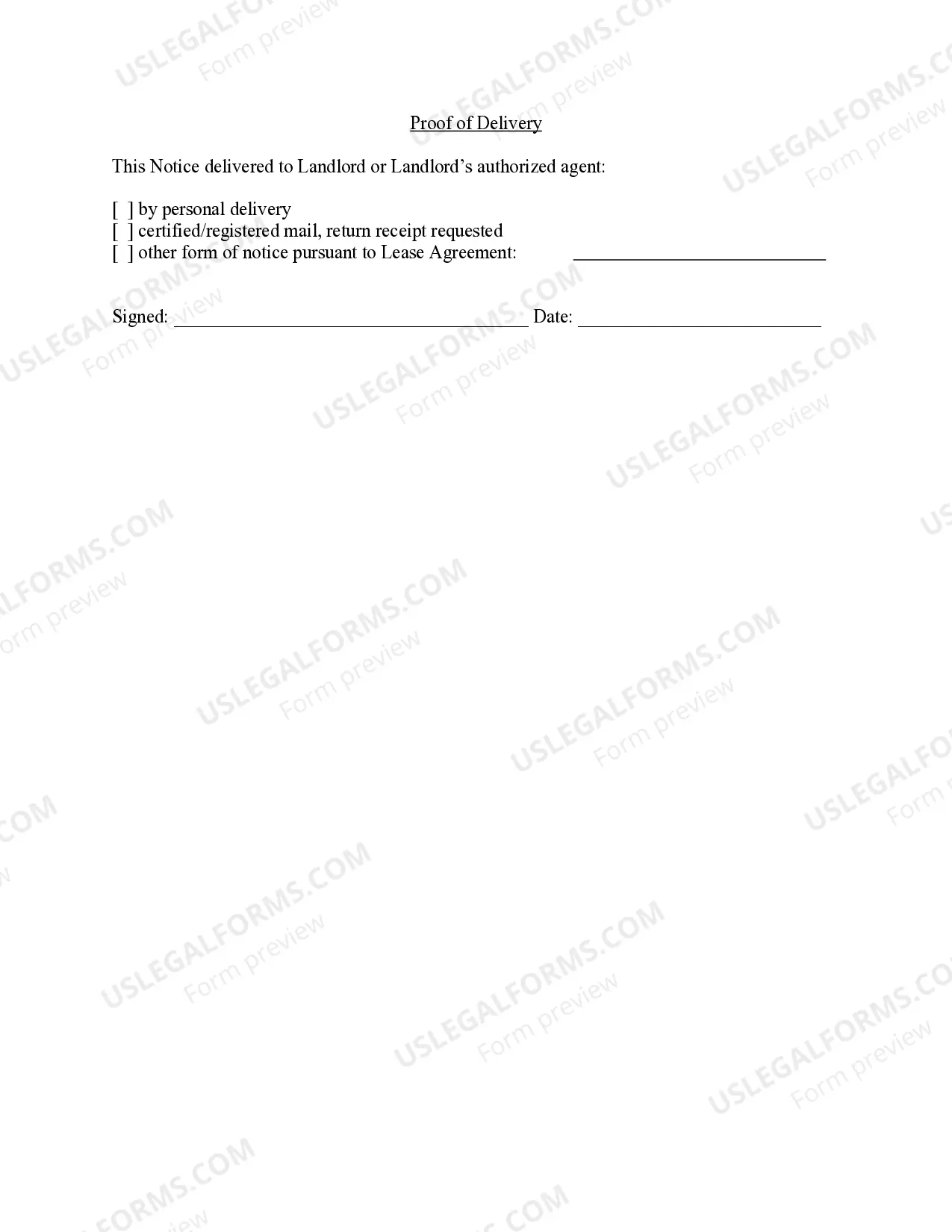
- Proof of delivery methods

Common use cases
This form should be used when a tenant has previously notified the landlord of repair issues and the landlord has failed to address these concerns in a timely manner. It serves as a follow-up to ensure that the landlord is aware that legal action may be pursued if repairs are not made immediately.
Intended users of this form
This form is intended for:
- Tenants living in rented properties experiencing unaddressed repair issues
- Individuals seeking a formal approach to communicate repair concerns to their landlord
- Renters considering legal action due to the landlord's negligence in making necessary repairs
Completing this form step by step
- Identify the parties: enter the names and contact information of both the tenant and landlord.
- Specify the issues: describe the repairs needed in detail.
- Include a request: clearly state the expectation for immediate action on repairs.
- Add a warning: mention the potential legal repercussions if the landlord fails to respond.
- Sign and date the letter: include the tenant's signature and the date the letter is completed.
- Deliver the letter: choose a delivery method and complete the proof of delivery section.
Is notarization required?
This form does not typically require notarization unless specified by local law.
Get your form ready online
Our built-in tools help you complete, sign, share, and store your documents in one place.
Make edits, fill in missing information, and update formatting in US Legal Forms—just like you would in MS Word.
Download a copy, print it, send it by email, or mail it via USPS—whatever works best for your next step.
Sign and collect signatures with our SignNow integration. Send to multiple recipients, set reminders, and more. Go Premium to unlock E-Sign.
If this form requires notarization, complete it online through a secure video call—no need to meet a notary in person or wait for an appointment.
We protect your documents and personal data by following strict security and privacy standards.

Make edits, fill in missing information, and update formatting in US Legal Forms—just like you would in MS Word.

Download a copy, print it, send it by email, or mail it via USPS—whatever works best for your next step.

Sign and collect signatures with our SignNow integration. Send to multiple recipients, set reminders, and more. Go Premium to unlock E-Sign.

If this form requires notarization, complete it online through a secure video call—no need to meet a notary in person or wait for an appointment.

We protect your documents and personal data by following strict security and privacy standards.
Avoid these common issues
- Failing to provide specific details about the needed repairs.
- Not keeping a copy of the letter for personal records.
- Using vague language that does not clearly state the request.
- Neglecting to send the letter via a traceable delivery method.
Benefits of completing this form online
- Convenience: easily download and complete the form from home.
- Editability: customize the content to reflect specific repair issues.
- Reliability: access forms drafted by licensed attorneys, ensuring legal soundness.
Legal use & context
This letter serves to document attempts to resolve repair issues and may be used as evidence in legal proceedings if the landlord does not fulfill their obligations.
Main things to remember
- This form facilitates communication regarding necessary repairs between tenants and landlords.
- It supports tenants' rights and is a step towards resolving maintenance issues.
- Proper use and documentation can provide a foundation for legal action if needed.
Looking for another form?
Form popularity
FAQ
Uninhabitable conditions can include dangerous ones, such as holes in the floor, unsafe or exposed wiring, or non-working air conditioning in dangerously hot summer months. Gross infestations of roaches, fleas or other pests are also uninhabitable conditions.
Repairs. Your landlord is always responsible for repairs to: the property's structure and exterior. basins, sinks, baths and other sanitary fittings including pipes and drains.
Tenants can all agree to withhold rent until the landlord makes repairs. A group of tenants can ask a judge to order the landlord to make repairs. If the landlord absolutely refuses to fix the bad conditions, tenants can ask a court to appoint a temporary landlord called a receiver in order to make repairs.
Property Needs to Meet Local Health and Building Codes. Visible Mold. Pests. Changing Locks. Heat, Electric, Hot and Cold Water. Structural Integrity and Weather Protected. Regularly Discarding Trash. Damage Caused by the Tenant or Their Guests.
In general, tenants do not have the right to withhold rent if the landlord does not carry out repairs. Doing so could jeopardise the tenant's right to remain in the accommodation. In certain circumstances, however, a tenant can pay for repairs and deduct the cost from future rent.
In general, tenants do not have the right to withhold rent if the landlord does not carry out repairs. Doing so could jeopardise the tenant's right to remain in the accommodation. In certain circumstances, however, a tenant can pay for repairs and deduct the cost from future rent.
Calling state or local building or health inspectors. withholding the rent. repairing the problem, or having it repaired by a professional, and deducting the cost from your rent (called repair-and-deduct) moving out, or.
If you think your landlord is violating the Fair Housing Act, you can get that landlord in trouble by filing a complaint at HUD.gov. Your remedy for breach of quiet enjoyment is to terminate the lease and move or sue in small claims court.