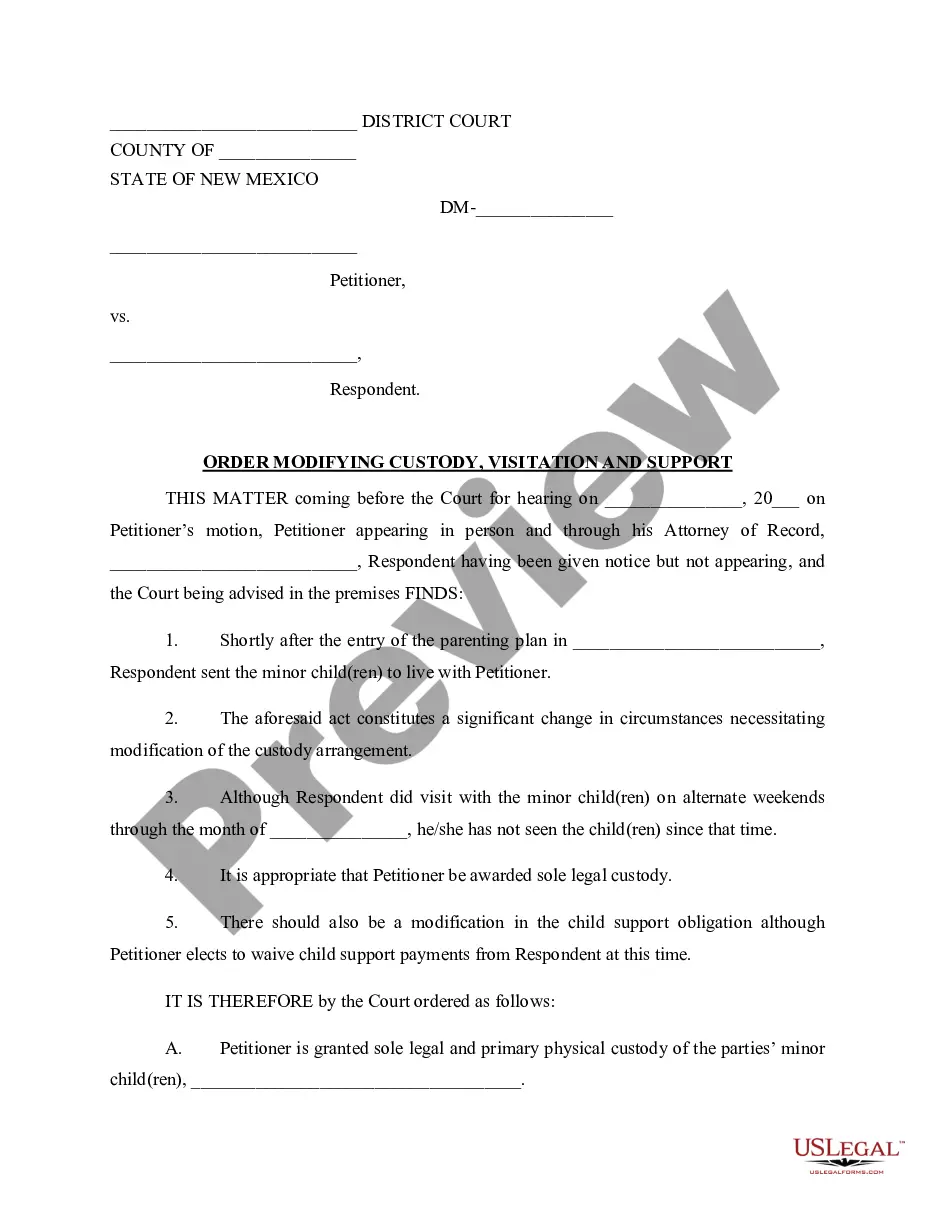
Maryland Letter from Tenant to Landlord about Insufficient Notice of Change in Rental Agreement for other than rent increase
About this form
This letter from tenant to landlord addresses situations where the landlord has provided insufficient notice regarding changes to the rental agreement, excluding rent increases. It allows tenants to formally notify landlords about their refusal to comply with the proposed changes until a specified date, ensuring their rights are protected. This form serves to clarify communication and maintain legal compliance, offering a structured way for tenants to assert their position effectively.
What’s included in this form
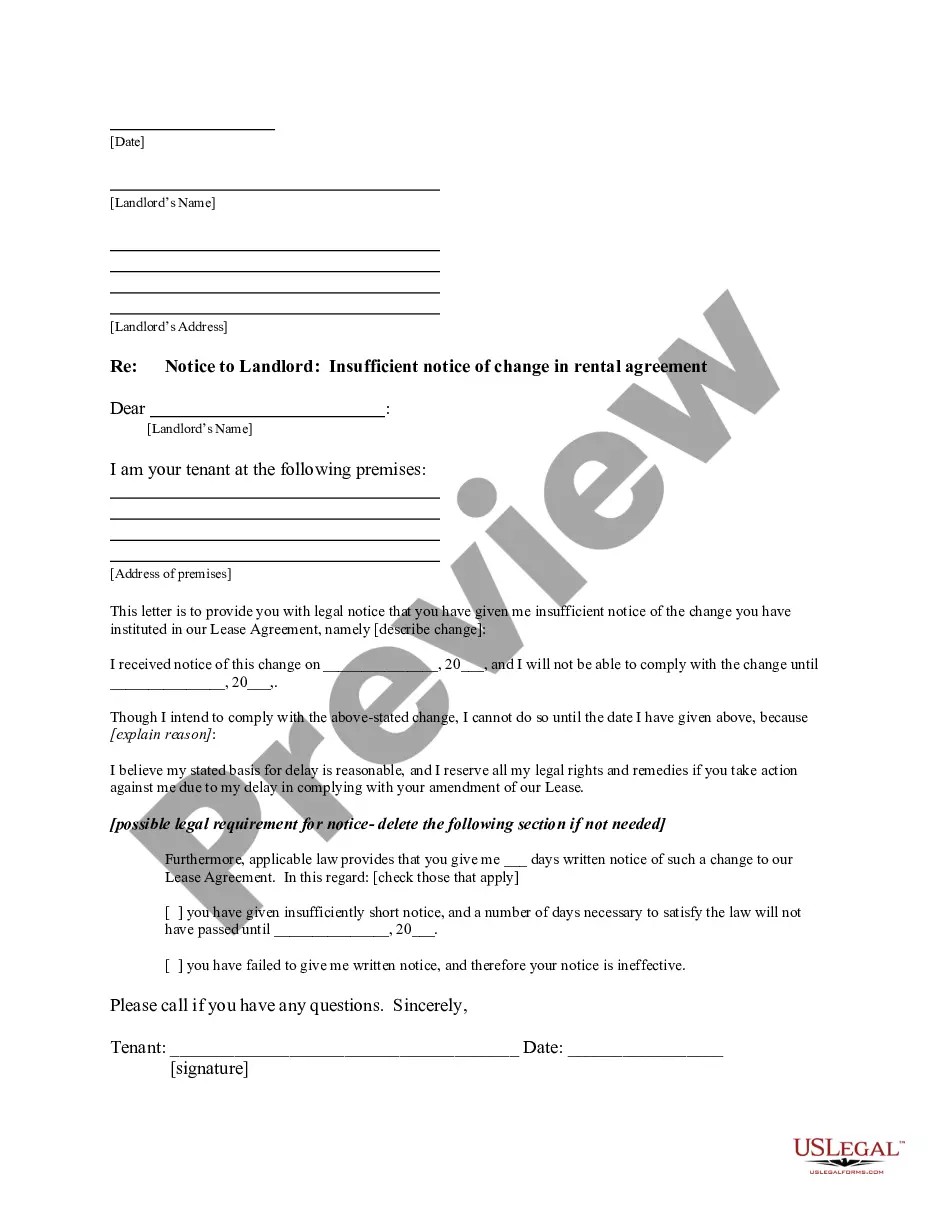
- Identification of the tenant and landlord.
- Details of the insufficient notice received concerning changes to the lease agreement.
- A statement of the specific date on which compliance will be reconsidered.
- Legal reference to the required notice period.
- A section for tenant's signature and date of delivery.
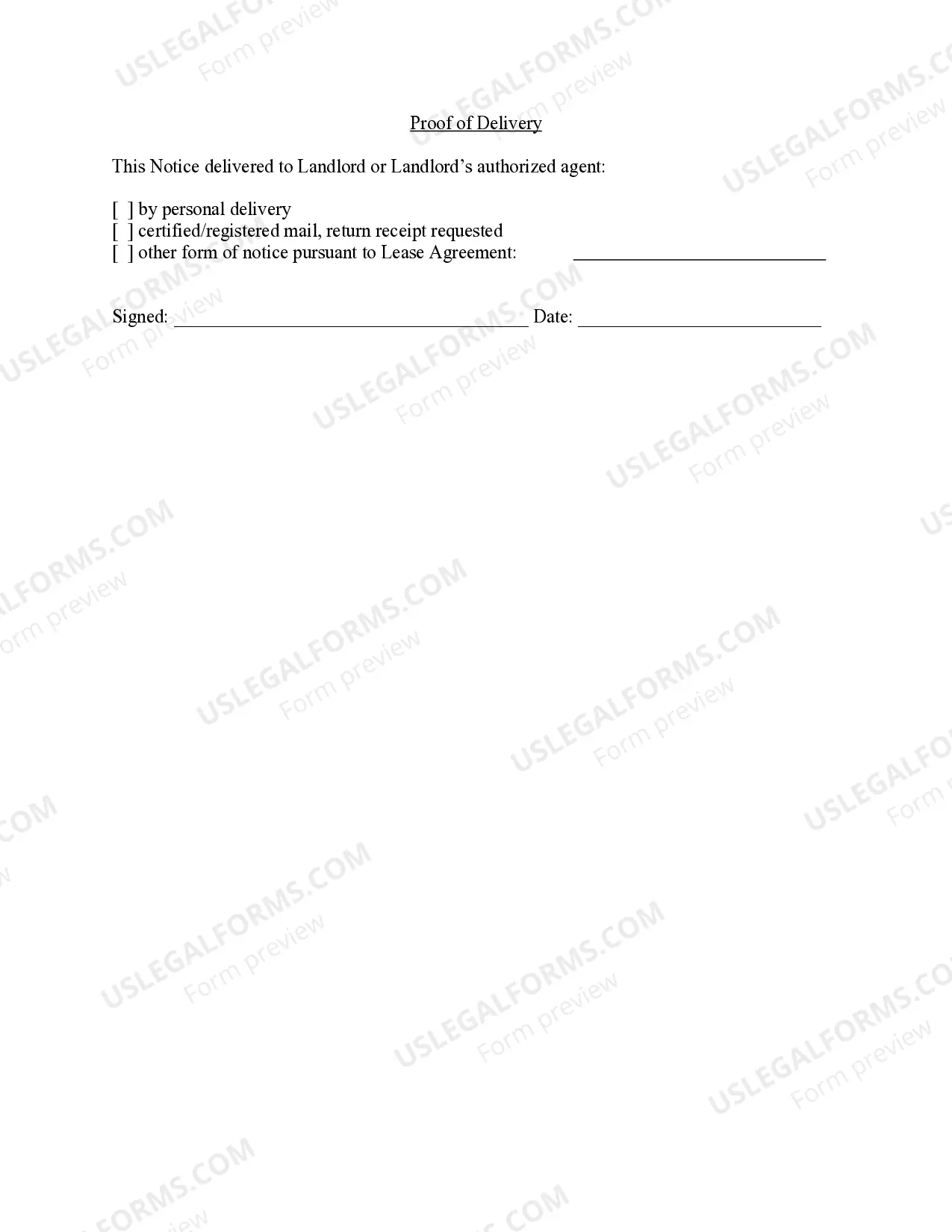
- Proof of delivery options, such as personal delivery or certified mail.
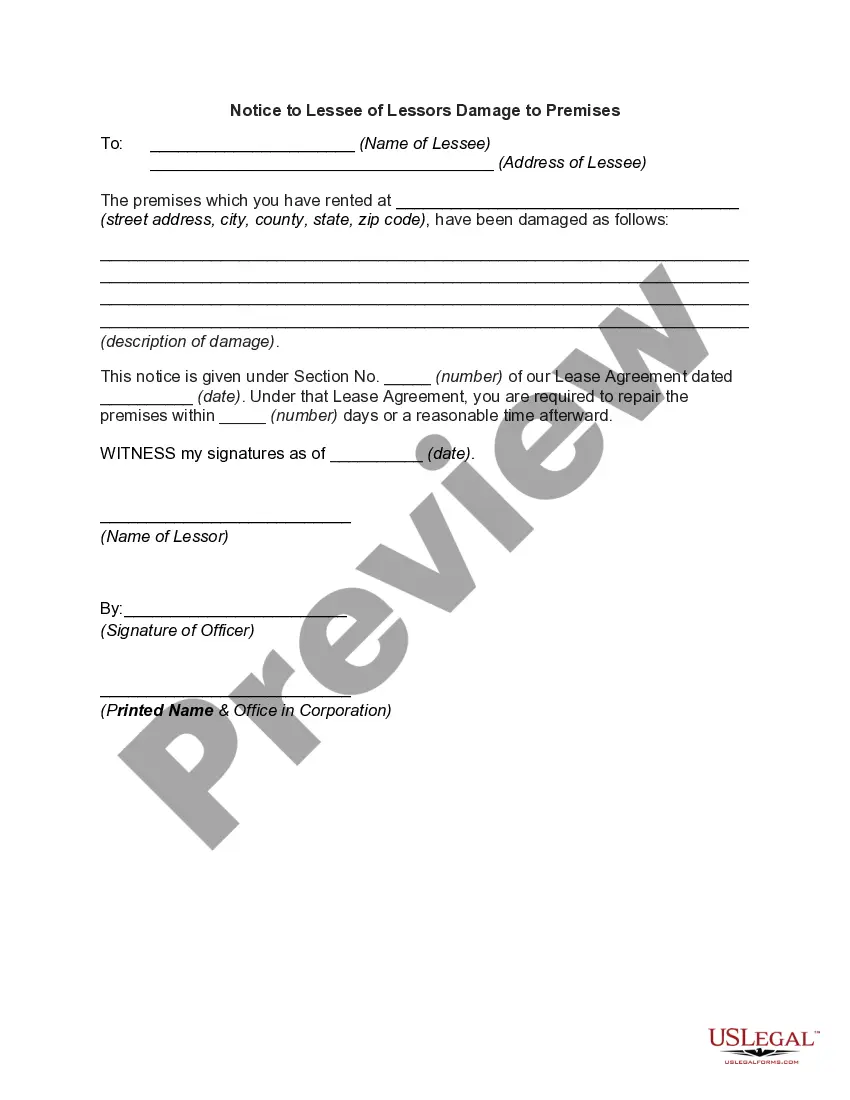

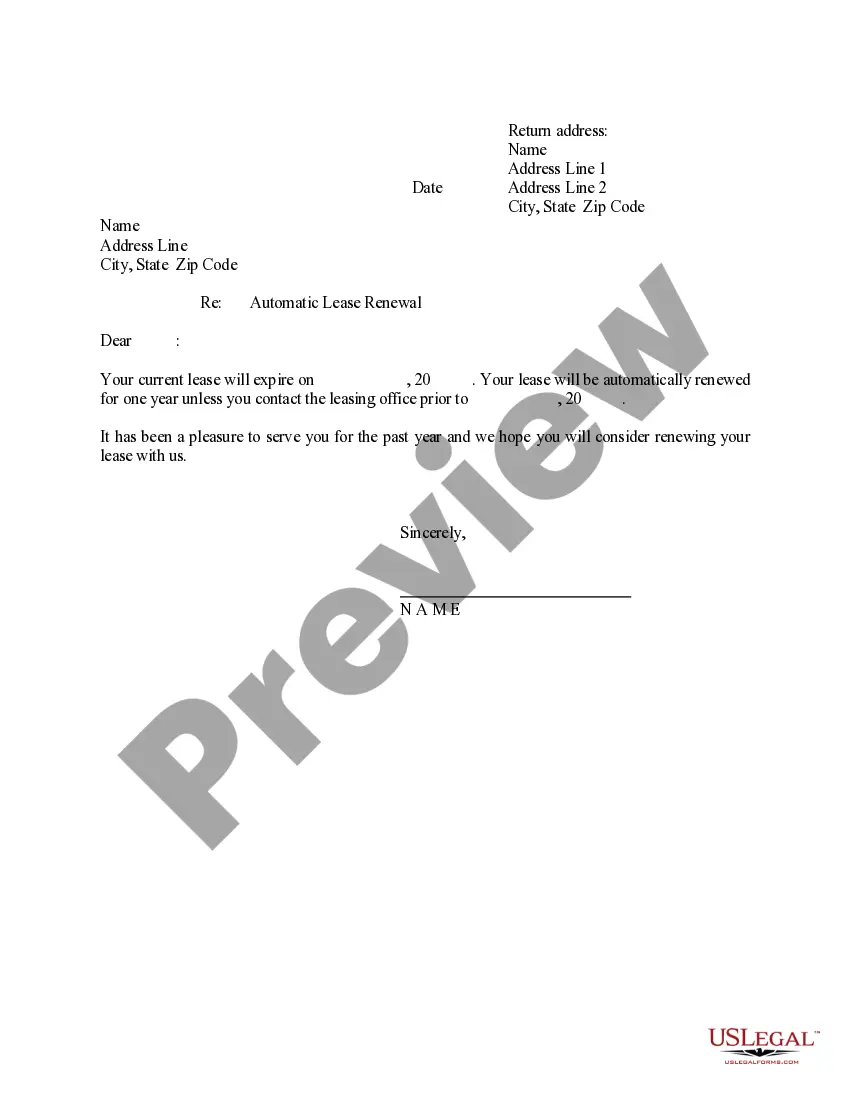

When this form is needed
This form is necessary when a tenant receives a notice of changes to the rental agreementâincluding changes in terms, conditions, or other stipulationsâthat they believe do not comply with the legal requirements for sufficient notice. It is particularly important for tenants to assert their rights when they feel that they have not been given appropriate notification under the law, enabling them to respond formally and preserve their legal standing.
Who needs this form
- Tenants who have received insufficient notice of changes to their lease agreement.
- Individuals seeking to clarify their legal position regarding rental agreements.
- Renters looking to maintain a formal record of communication with their landlords.
Steps to complete this form
- Identify the parties involved by filling in the tenant and landlord information at the top of the letter.
- Clearly state the nature of the notice received and specify how it fails to meet legal requirements.
- Indicate the date on which you will consider compliance with the changes.
- Sign and date the letter to formalize the communication.
- Choose a proof of delivery method and ensure the notice is sent accordingly.
Does this form need to be notarized?
This form does not typically require notarization unless specified by local law. Tenants should check their state laws to confirm this requirement, ensuring that the form is used correctly and retains its legal effect.
Get your form ready online
Our built-in tools help you complete, sign, share, and store your documents in one place.
Make edits, fill in missing information, and update formatting in US Legal Forms—just like you would in MS Word.
Download a copy, print it, send it by email, or mail it via USPS—whatever works best for your next step.
Sign and collect signatures with our SignNow integration. Send to multiple recipients, set reminders, and more. Go Premium to unlock E-Sign.
If this form requires notarization, complete it online through a secure video call—no need to meet a notary in person or wait for an appointment.
We protect your documents and personal data by following strict security and privacy standards.

Make edits, fill in missing information, and update formatting in US Legal Forms—just like you would in MS Word.

Download a copy, print it, send it by email, or mail it via USPS—whatever works best for your next step.

Sign and collect signatures with our SignNow integration. Send to multiple recipients, set reminders, and more. Go Premium to unlock E-Sign.

If this form requires notarization, complete it online through a secure video call—no need to meet a notary in person or wait for an appointment.

We protect your documents and personal data by following strict security and privacy standards.
Mistakes to watch out for
- Failing to specify the exact nature of the insufficient notice.
- Not providing the correct date for reconsideration of the changes.
- Neglecting to sign and date the letter before sending it.
- Using informal language that does not reflect the seriousness of the notification.
Why complete this form online
- Convenient access to downloadable templates anytime.
- Templates drafted by licensed attorneys to ensure legal soundness.
- Editable forms that allow for customization to fit specific needs.
- Quick delivery options for sending notice effectively.
Legal use & context
- The letter serves as formal notice, which can help document tenant rights in disputes with landlords.
- Failure to provide sufficient notice may affect the enforceability of changes to the rental agreement.
- This document can be used as evidence in case of legal actions related to lease agreements.
Summary of main points
- The letter serves to protect tenant rights regarding notice of changes to rental agreements.
- Ensure to specify the legal notice period your landlord has failed to provide.
- Complete the form accurately to avoid delays or disputes.
Looking for another form?


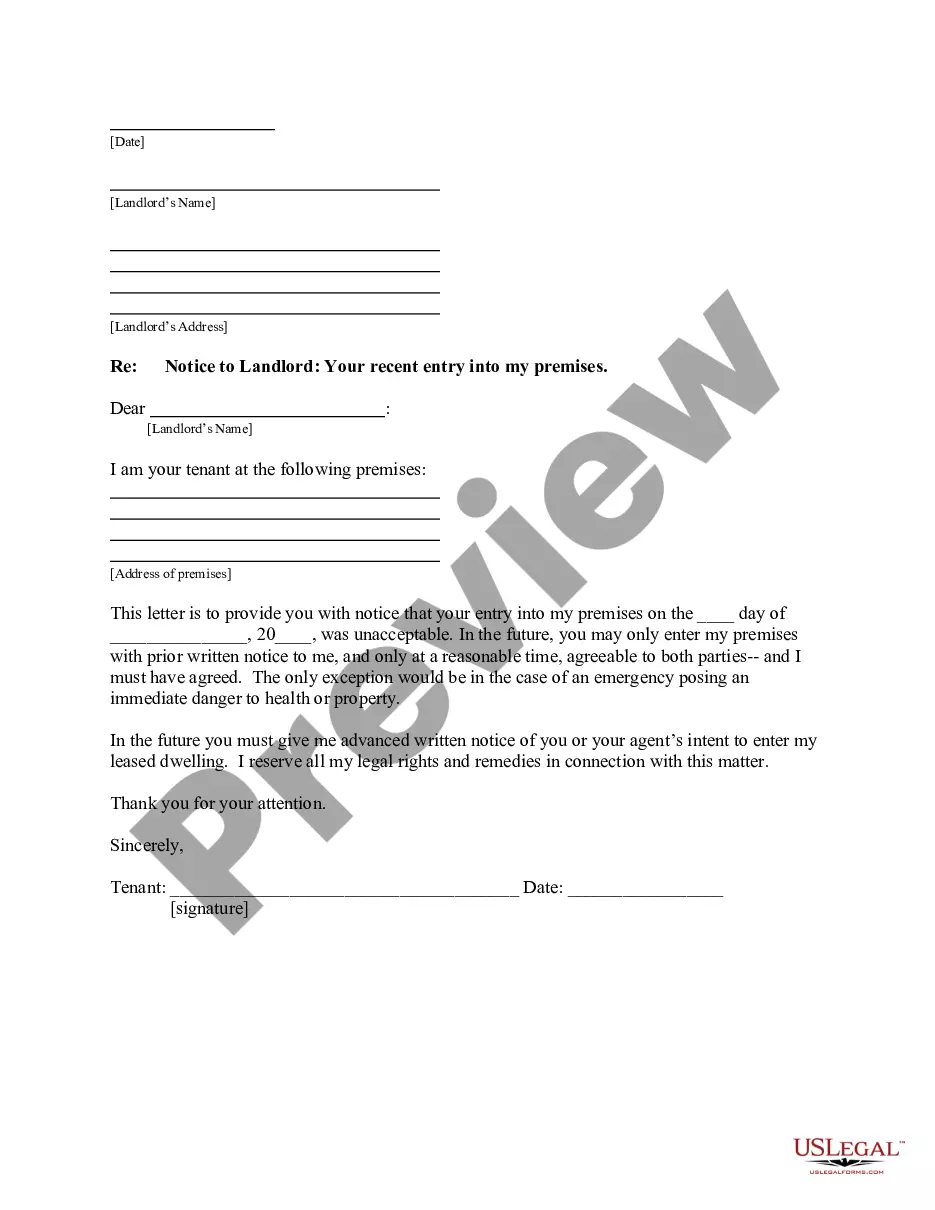


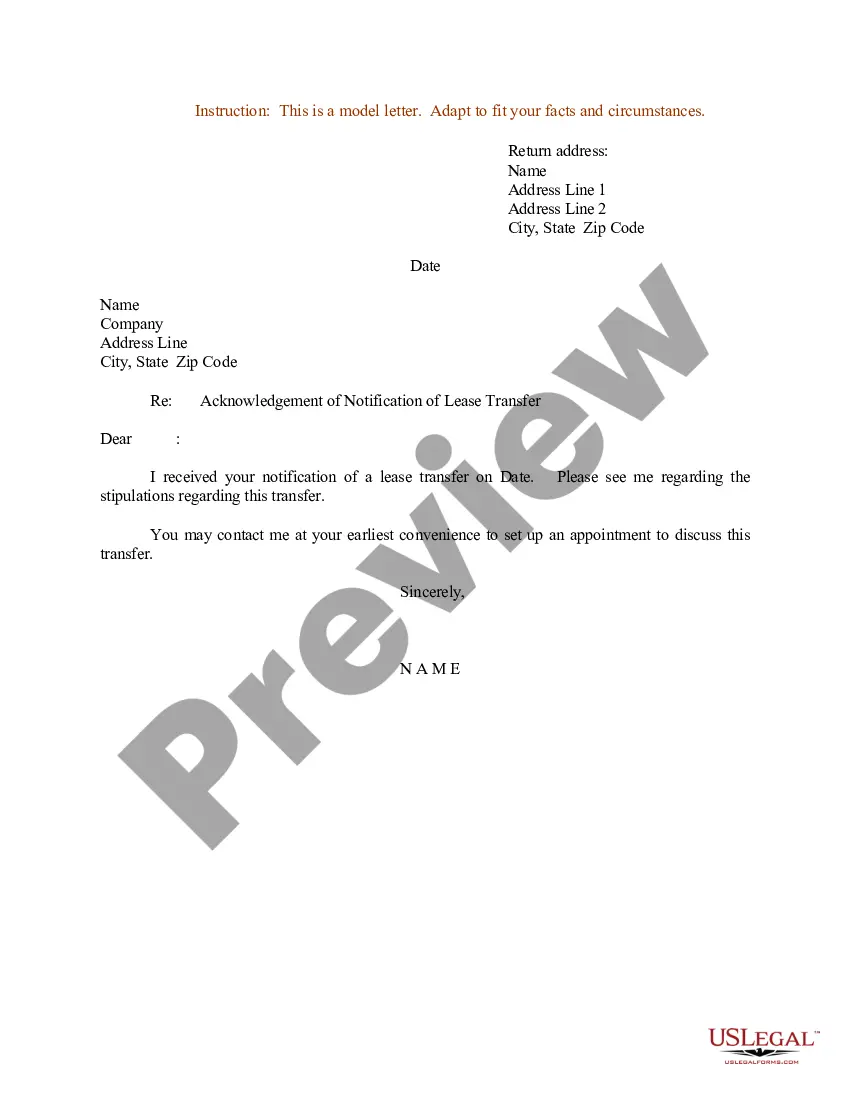


Form popularity
FAQ
Tenant's name. Property address. Landlord name and contact information. Date the letter is written. Date the rent increase will take effect. Amount of rent increase. Current cost of rent.
If the landlord/agent wants to end your agreement at the end of the fixed term, they must give you at least 30 days notice that includes the last day of the term. If the landlord/agent applies for a termination order, the Tribunal must terminate the agreement.
Leaving without giving notice Your tenancy won't have ended and you'll still have to pay your rent until you end your tenancy in the right way. You might also have to pay other bills - for example, council tax. Your landlord can get a court order to make you pay the rent you owe.
If you don't move out by the day in the notice, the landlord can ask the NSW Civil and Administrative Tribunal (NCAT) for a termination order. A termination order means the rental agreement is ended. The order will state the day when you must give vacant possession that is, you move out and return the keys.
Tenant's name. Property address. Landlord name and contact information. Date the letter is written. Date the rent increase will take effect. Amount of rent increase. Current cost of rent.
I am giving 1 month's notice to end my tenancy, as required by law. I will be leaving the property on (date xxxxx). I would like you to be at the property on the day I move out to check the premises and for me to return the keys. I also need you to return my tenancy deposit of (state amount).
If a tenant breaches a tenancy agreement it is possible that their landlord will try and evict them from the property. The sort of breaches of tenancy which result in a landlord seeking a court order for possession include:Damage to the property (eg broken windows)
Remember you're a business. Do your research. Raise the rent all at once or incrementally. Don't negotiate or ask tenants what they think a fair rent increase would be. Be courteous and firm. Find a template you like. Send a formal letter by certified mail. Give the tenant notice.
The full names of both landlord and tenant. The type of property you are leasing. The location of the property. The type of tenancy (fixed term or periodic) Details about the rent (current rent vs. new rent and effective dates) Details about the lease (start date and signing date)