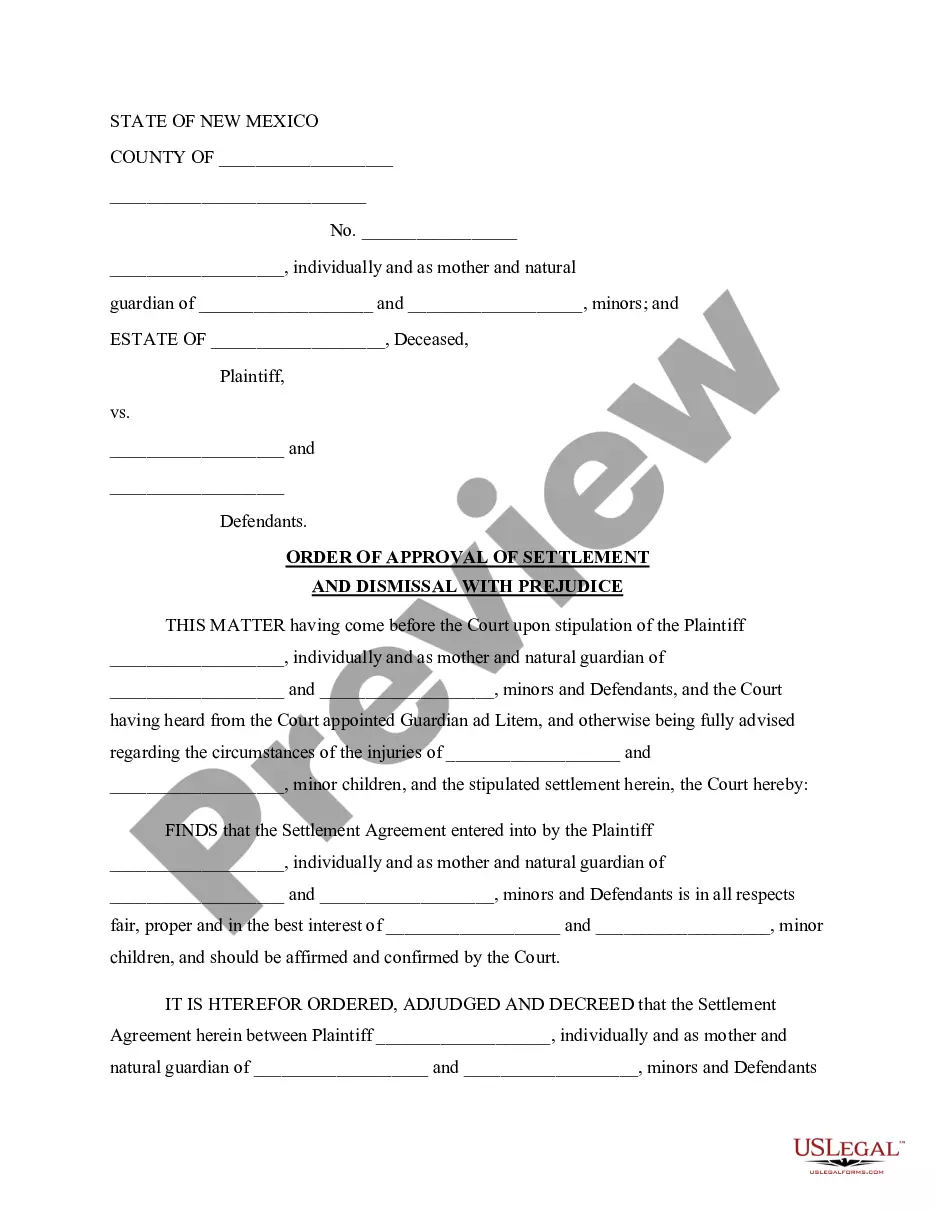
Maryland Letter from Tenant to Landlord containing Notice that premises leaks during rain and demand for repair
Understanding this form
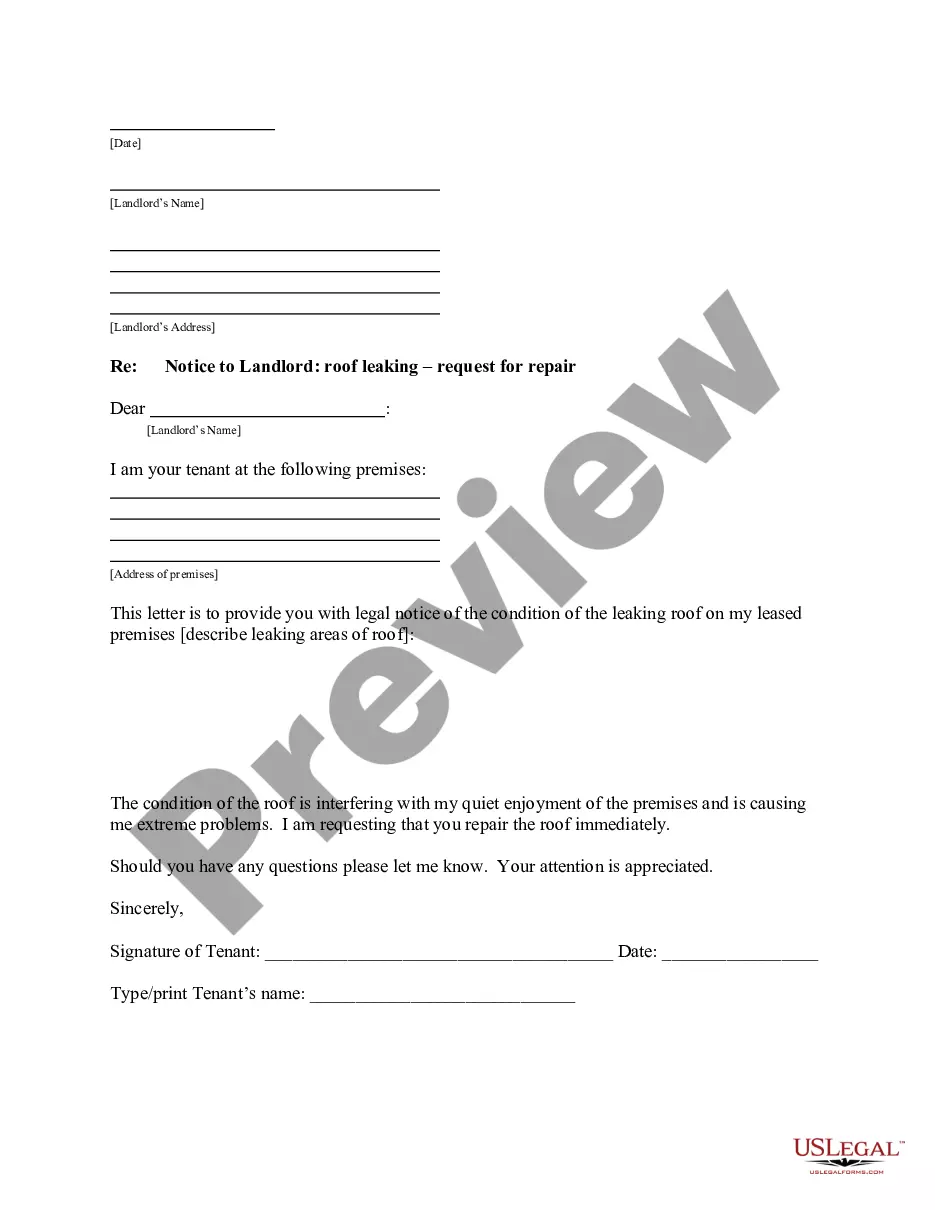
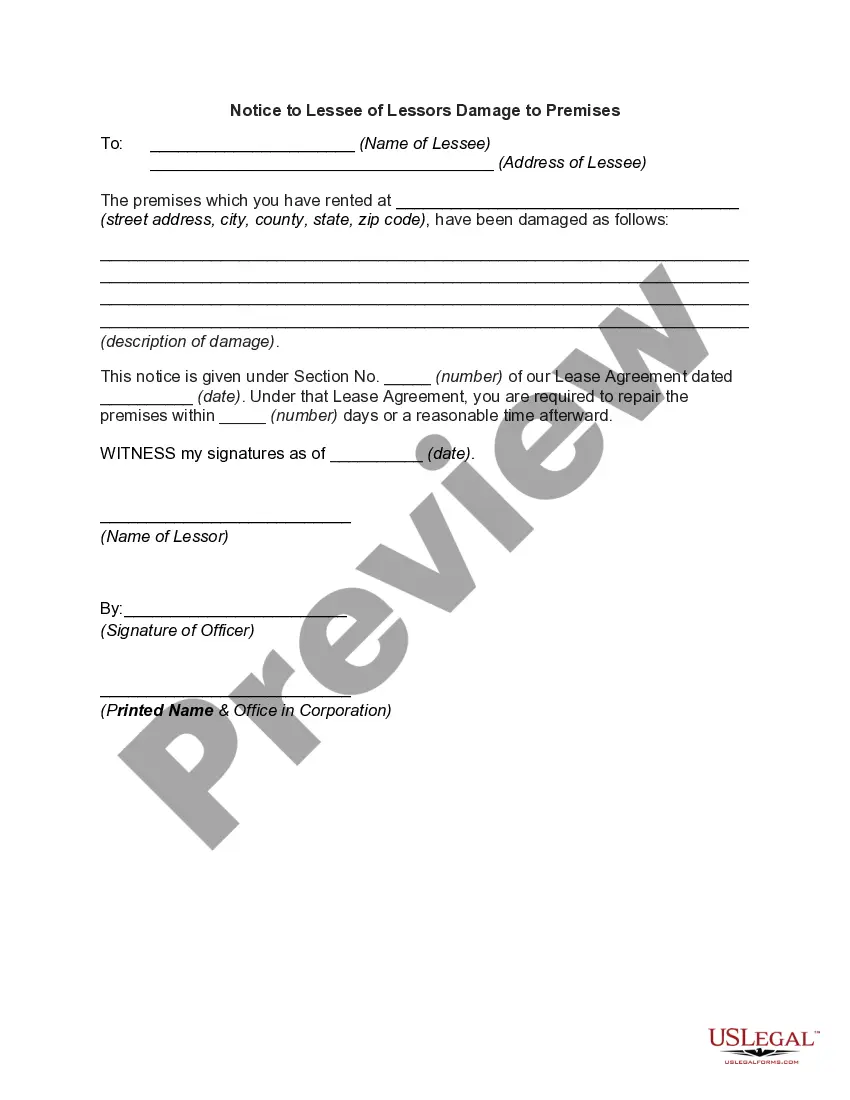
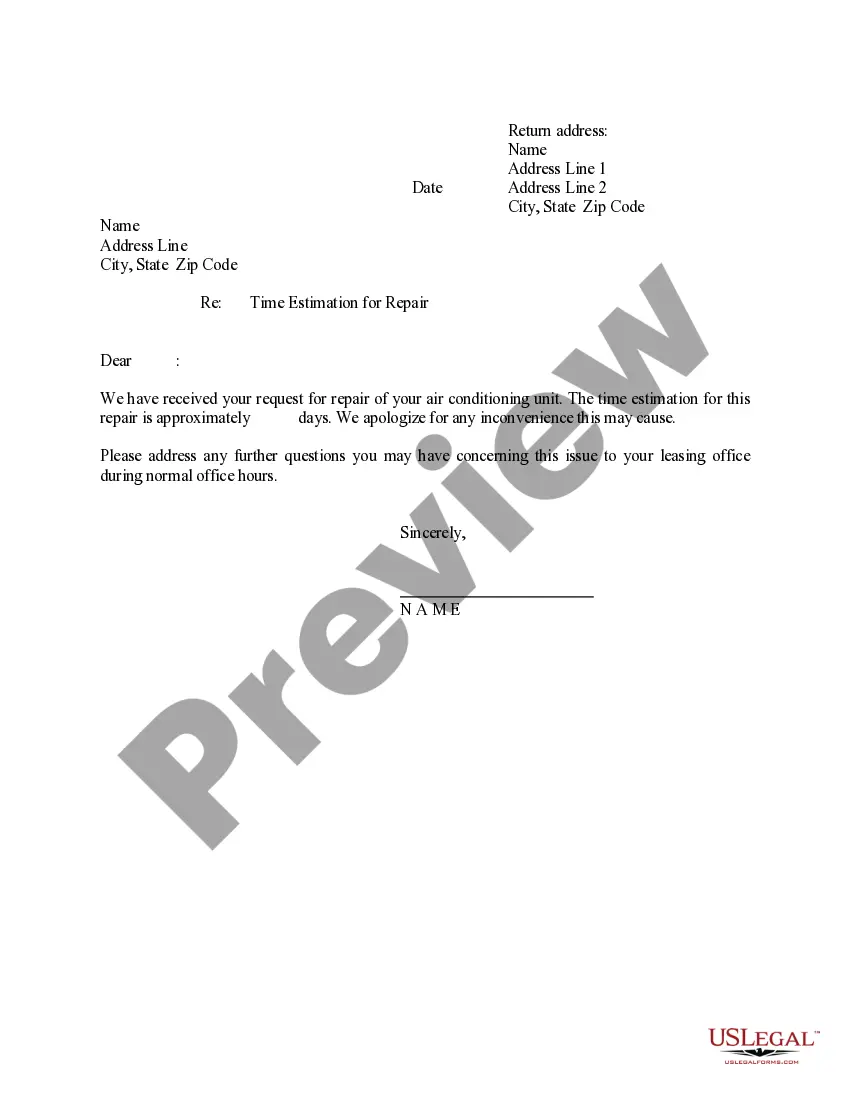
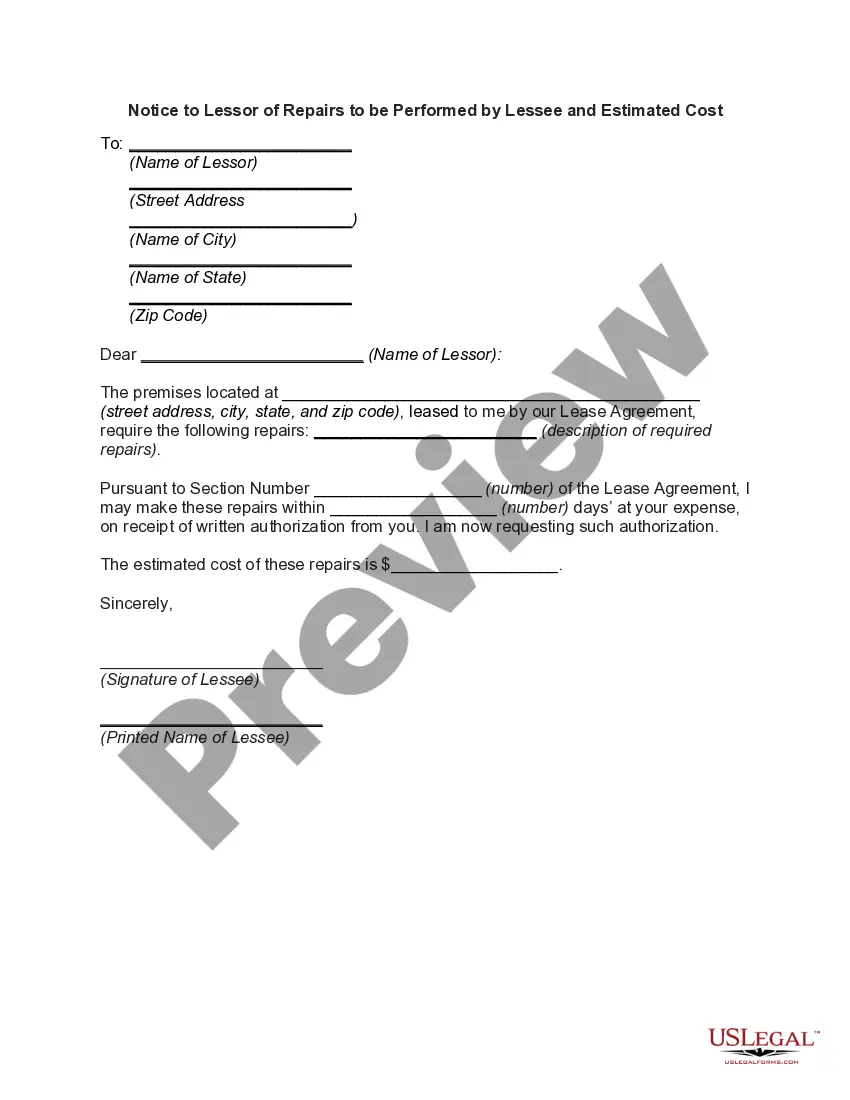
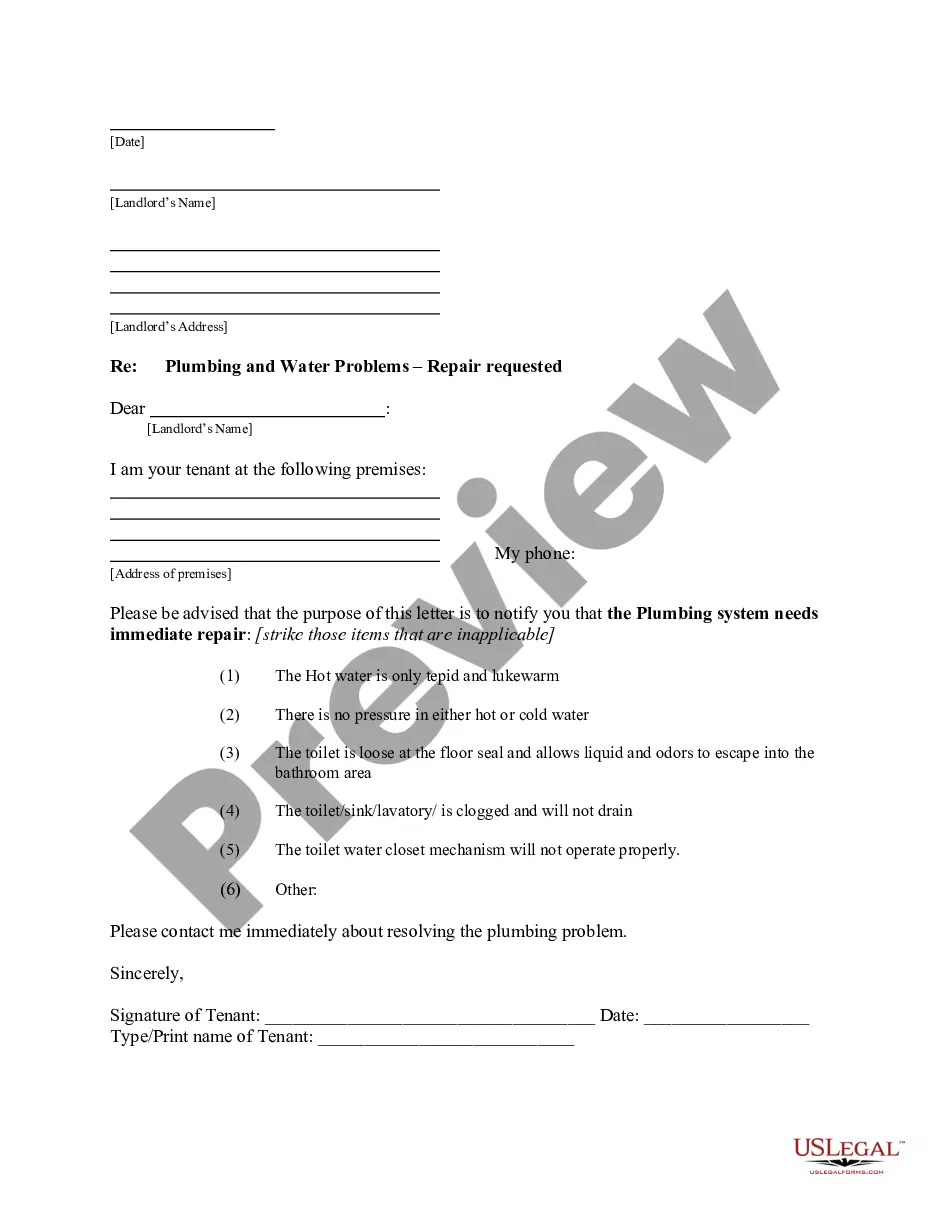
This form is a Letter from Tenant to Landlord containing Notice that premises leaks during rain and demand for repair. It is used by tenants to formally notify landlords of roof leaks affecting their rental property and request timely repairs. This letter differs from other rental correspondence by specifically addressing maintenance issues tied to lease obligations.
Key components of this form
- Tenant information: Includes the tenant's name and signature.
- Landlord information: Details for dispatching the notice.
- Description of the issue: Specifies the leak problem during rain.
- Repair demand: Formal request for the landlord to address the issue.
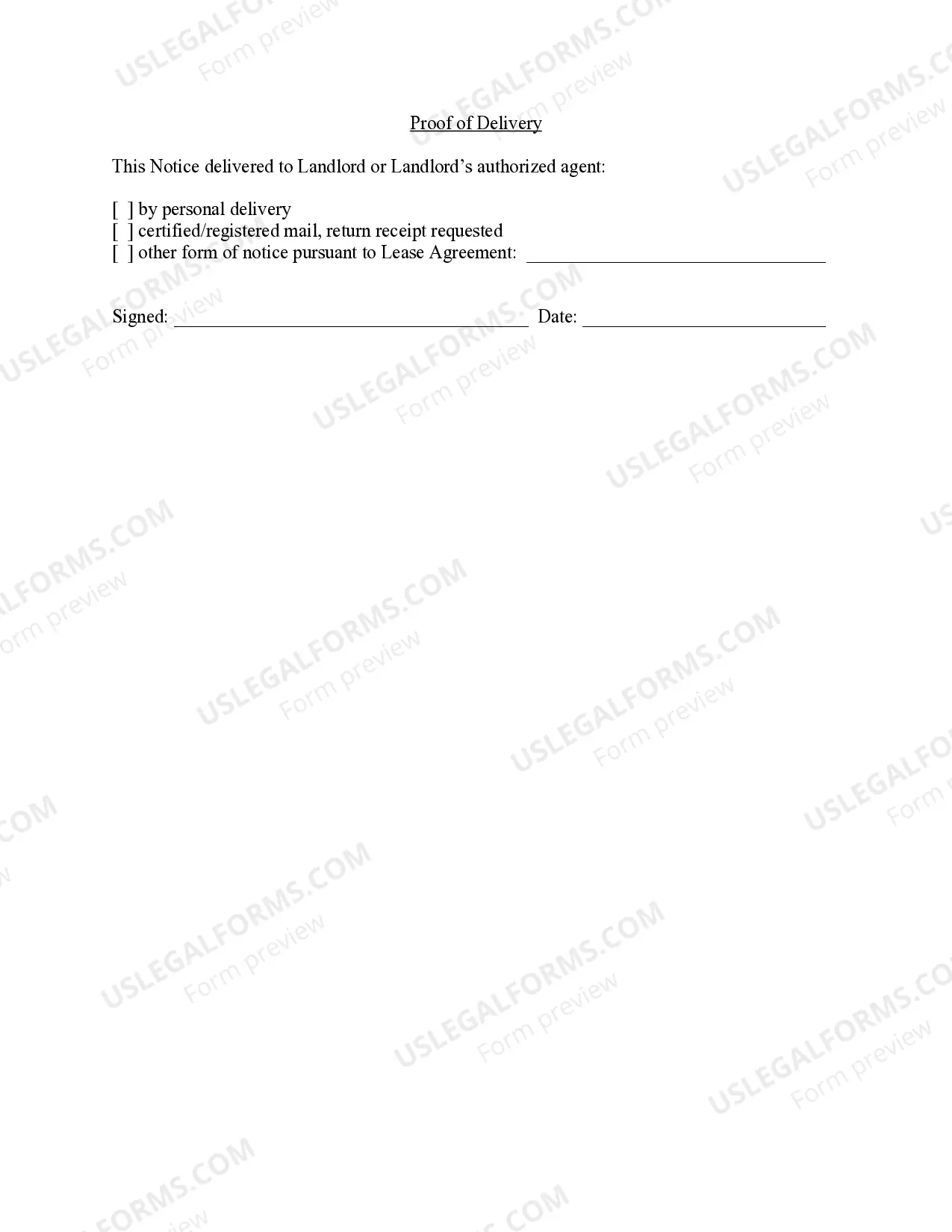
- Proof of delivery: Method for delivering the notice to the landlord.

When this form is needed
This form should be used when a tenant notices that the rental property has a leak during rain, which could lead to further damage or mold. It's essential for tenants to document their concerns and ensure the landlord is aware of the issue to initiate repairs as stipulated in the lease agreement.
Who can use this document
- Tenants experiencing leaks in their rented premises.
- Individuals looking to formally notify landlords of maintenance issues.
- Any tenant who wishes to document repair requests for legal purposes.
Instructions for completing this form
- Identify the tenant: Enter the tenant's name and signature.
- Provide landlord details: Fill in the landlord's name and address.
- Describe the issue: Clearly state the nature of the leak and its impact.
- Request repairs: Include a formal demand for repair by the landlord.
- Choose proof of delivery: Specify how the notice will be delivered.
Notarization guidance
This form does not typically require notarization unless specified by local law. However, ensuring proper documentation and delivery is crucial for legal validity.
Get your form ready online
Our built-in tools help you complete, sign, share, and store your documents in one place.
Make edits, fill in missing information, and update formatting in US Legal Forms—just like you would in MS Word.
Download a copy, print it, send it by email, or mail it via USPS—whatever works best for your next step.
Sign and collect signatures with our SignNow integration. Send to multiple recipients, set reminders, and more. Go Premium to unlock E-Sign.
If this form requires notarization, complete it online through a secure video call—no need to meet a notary in person or wait for an appointment.
We protect your documents and personal data by following strict security and privacy standards.

Make edits, fill in missing information, and update formatting in US Legal Forms—just like you would in MS Word.

Download a copy, print it, send it by email, or mail it via USPS—whatever works best for your next step.

Sign and collect signatures with our SignNow integration. Send to multiple recipients, set reminders, and more. Go Premium to unlock E-Sign.

If this form requires notarization, complete it online through a secure video call—no need to meet a notary in person or wait for an appointment.

We protect your documents and personal data by following strict security and privacy standards.
Mistakes to watch out for
- Failing to provide complete contact information for both the tenant and landlord.
- Not detailing the extent of the leak or its impact on the rental property.
- Neglecting to select an appropriate method of delivery as proof.
Why use this form online
- Convenience of immediate access and download.
- Editability allows for quick adjustments specific to your situation.
- Reliability from forms drafted by licensed attorneys.
Legal use & context
- Shows the landlord is made aware of repair issues, which is important for legal protection.
- Creates a documented request that may be used in case of future disputes over repair obligations.
- Helps establish a timeline of communication regarding maintenance issues.
What to keep in mind
- This letter assists tenants in formally notifying landlords about necessary repairs.
- Using this template helps ensure compliance with lease obligations.
- Properly documenting repair requests can protect tenants' rights.
Looking for another form?
Form popularity
FAQ
Dear (Name of landlord or manager), This letter constitutes my written (number of days' notice that you need to give based on your lease agreement)-day notice that I will be moving out of my apartment on (date), the end of my current lease. I am leaving because (new job, rent increase, etc.)
You can send your letter by email if your tenancy agreement says you can. You should say something like: I am giving 1 month's notice to end my tenancy, as required by law. I will be leaving the property on (date xxxxx).
When a crime occurs at a rental property, the tenant is responsible for insuring his or her possessions, while the landlord is responsible for the premises and any damage incurred. The only exception would be in the highly unlikely event that the landlord could prove that you were somehow responsible for the damage.
Any malicious or accidental damage to the property caused by a tenant or their guests is the tenant's responsibility. However, it should still be reported to the property manager or landlord. Malicious damage could be a hole punched in a wall or even nails hammered into the wall without a landlord's permission.
Damage to the Property: A landlord can sue a tenant if the tenant has caused damage to the property.To Recover Lost Rent From an Illegal Move Out: If the tenant moved out before their lease was actually up, you can take them to court to recover the rent they owed for the remaining time on their lease.
When writing to your landlord, be specific in describing the problems you are having. Do not exaggerate or under-emphasize the extent of the problem. The landlord may show this letter to a judge if your problem is ever litigated.
State who you are and why you need a rental. Mention where you found their ad and how you can afford the rental. Offer to provide references (work/volunteer/housing office) Include some highlighting feature from the original ad so that when you receive a response you can remember which rental you are talking about (ex.
Today's Date. Landlord's Name. Property Address and Unit Number. State Your Desire to Move Out of the Apartment. Include Desired Move-Out Date. That You Expect the Return of Your Security Deposit Under State Law. A Forwarding Address Where Your Security Deposit Can Be Sent.
The landlord had a duty to reasonably maintain the property; The landlord knew or should have known of the dangerous condition; The landlord breached their duty by failing to repair/fix the dangerous condition;