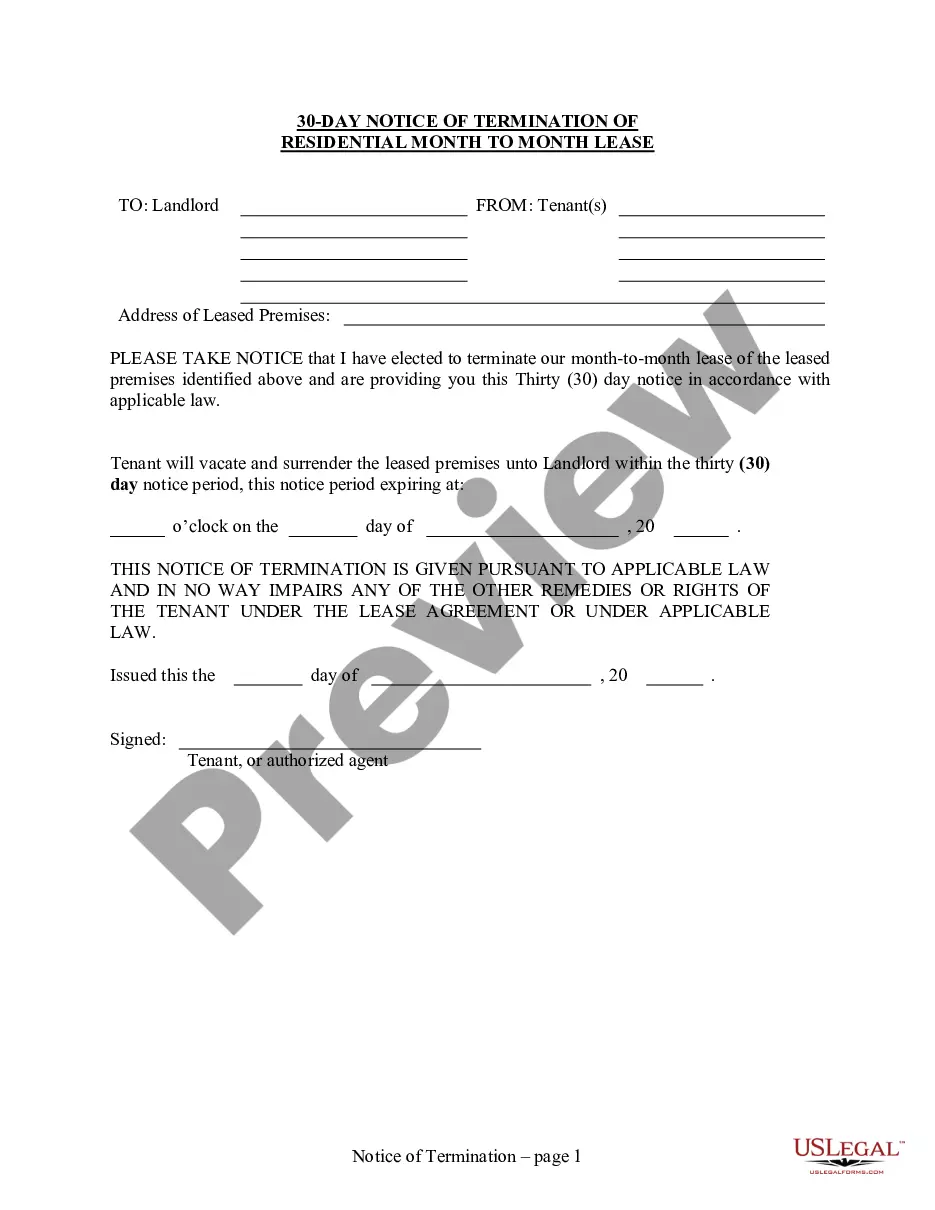
Massachusetts Landlord Tenant Closing Statement to Reconcile Security Deposit
What this document covers
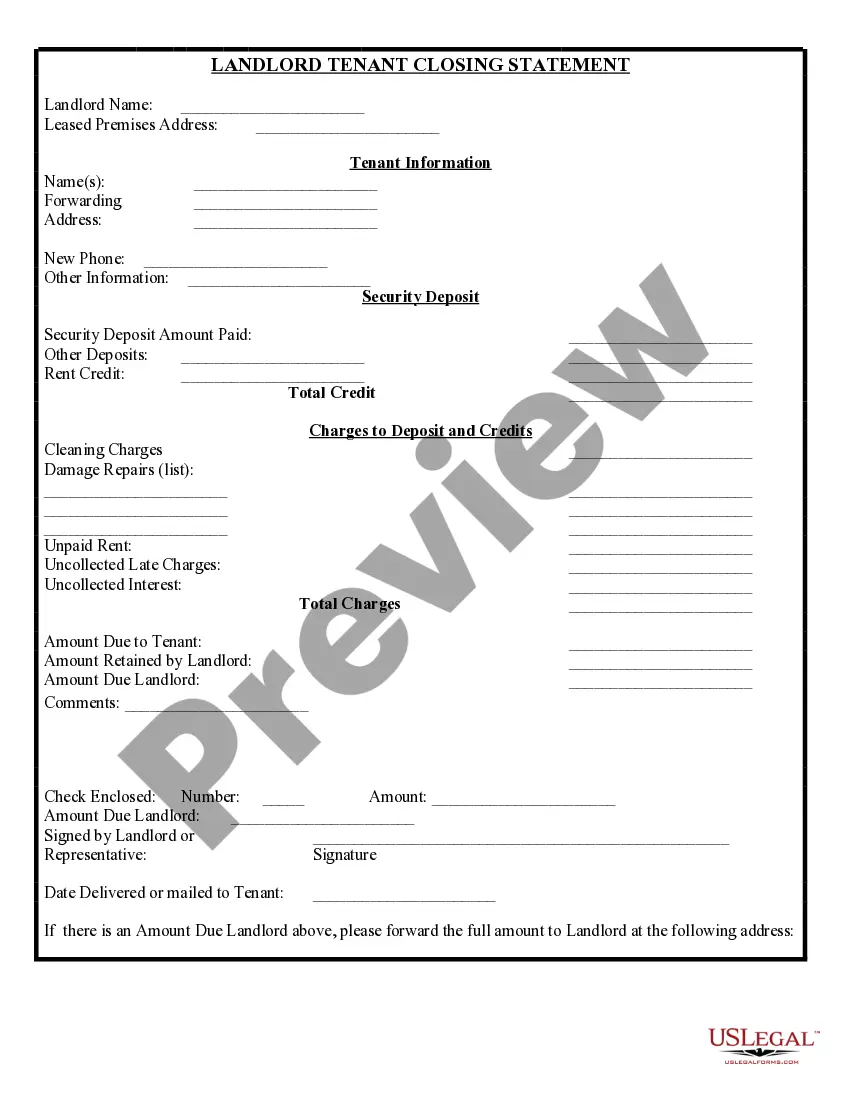
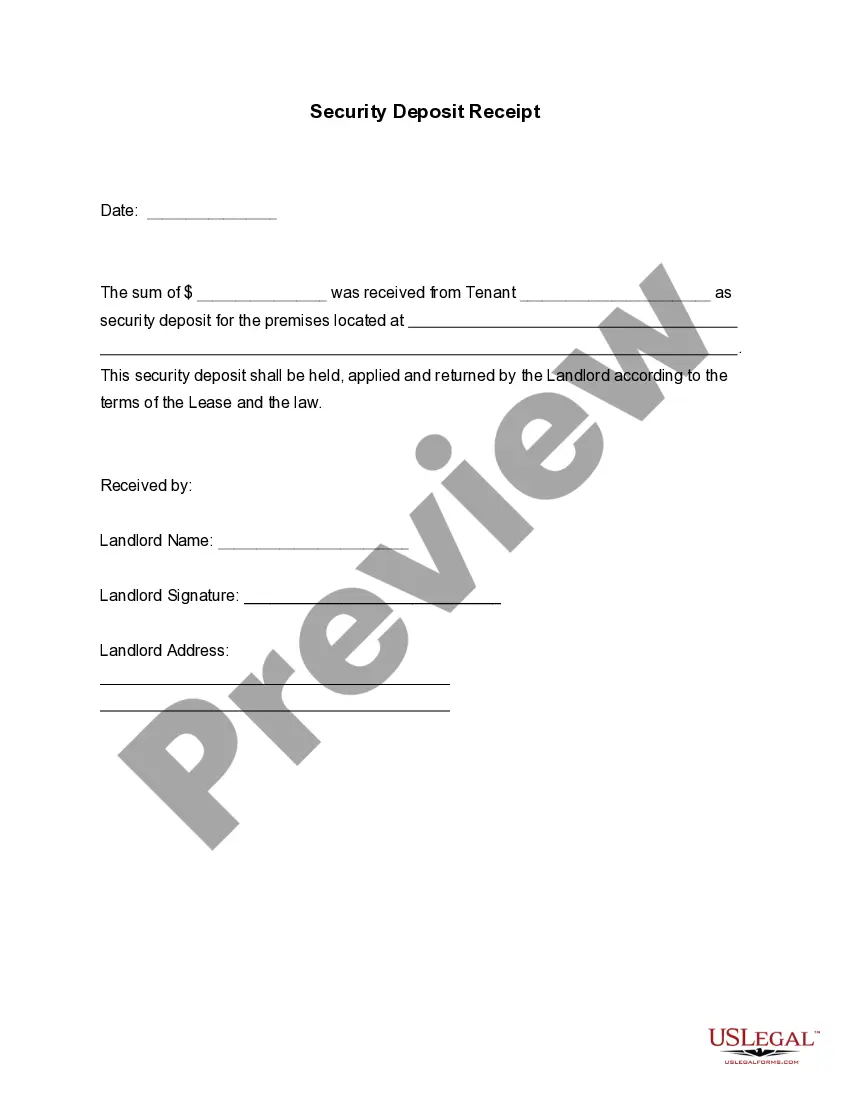
The Landlord Tenant Closing Statement to Reconcile Security Deposit is a legal document used by landlords to detail the security deposits and any credits applied, minus deductions for damages or unpaid rent. This form ensures transparency between landlords and tenants regarding the money held as a security deposit, which is ultimately the tenant's property. It is essential to differentiate this form from rental agreements or lease contracts, as it specifically addresses financial reconciliations at the end of a tenancy.
What’s included in this form
- Parties involved: Names and contact information of the landlord and tenant.
- Property details: Address and description of the rental property.
- Security deposit amount: Total amount collected for the security deposit.
- Deductions: Clear listing of any deductions for damages or unpaid rent.
- Credits: Any credits applied that may affect the total security deposit return.
- Final balance: Total amount due to the tenant after deductions.
When to use this document
This form is used when a tenant vacates a rental property, and the landlord needs to reconcile the security deposit amounts. It is essential for landlords to provide this document when returning the remaining balance of the security deposit to avoid disputes over deductions for damages or unpaid rent. If the landlord withheld part of the deposit, this form serves to explain the reasons, forming a record for both parties.
Who needs this form
- Landlords who need to document the reconciliation of a tenant's security deposit.
- Tenants wanting to ensure transparency regarding their security deposit returns.
- Property managers who handle the coordination between landlords and tenants concerning deposits.
How to prepare this document
- Identify the parties: Fill in the names and addresses of both the landlord and tenant.
- Specify the property: Clearly detail the rented property's address.
- Enter the security deposit amount: State the total security deposit initially collected.
- List deductions: Provide specific reasons and amounts deducted from the deposit for damages or unpaid rent.
- Calculate final balance: Indicate the remaining amount to be returned to the tenant after all deductions.
- Sign and date: Both parties should sign to acknowledge the reconciliation, documenting any agreements reached.
Does this document require notarization?
This form usually doesn’t need to be notarized. However, local laws or specific transactions may require it. Our online notarization service, powered by Notarize, lets you complete it remotely through a secure video session, available 24/7.
Get your form ready online
Our built-in tools help you complete, sign, share, and store your documents in one place.
Make edits, fill in missing information, and update formatting in US Legal Forms—just like you would in MS Word.
Download a copy, print it, send it by email, or mail it via USPS—whatever works best for your next step.
Sign and collect signatures with our SignNow integration. Send to multiple recipients, set reminders, and more. Go Premium to unlock E-Sign.
If this form requires notarization, complete it online through a secure video call—no need to meet a notary in person or wait for an appointment.
We protect your documents and personal data by following strict security and privacy standards.

Make edits, fill in missing information, and update formatting in US Legal Forms—just like you would in MS Word.

Download a copy, print it, send it by email, or mail it via USPS—whatever works best for your next step.

Sign and collect signatures with our SignNow integration. Send to multiple recipients, set reminders, and more. Go Premium to unlock E-Sign.

If this form requires notarization, complete it online through a secure video call—no need to meet a notary in person or wait for an appointment.

We protect your documents and personal data by following strict security and privacy standards.
Mistakes to watch out for
- Failing to provide an itemized list of deductions, which can lead to disputes.
- Not including all necessary parties' signatures.
- Incorrectly calculating the final balance due to the tenant.
Why complete this form online
- Convenient access to the form anytime, allowing for timely reconciliation.
- Editability to customize the document to fit specific situations easily.
- Assured reliability, as the forms are drafted and reviewed by licensed attorneys.
Legal use & context
- This form provides a clear record for both parties, helping to prevent misunderstandings regarding the security deposit.
- Compliance with state laws is crucial, as failure to follow regulations can affect the validity of the deductions documented.
What to keep in mind
- The Landlord Tenant Closing Statement to Reconcile Security Deposit is essential for documenting the return of security deposits.
- Clear communication of deductions and credits can help avoid disputes between landlords and tenants.
- Each state has its own regulations regarding security deposits that must be respected.
Looking for another form?


Form popularity
FAQ
If a landlord does not return the entire amount of the tenant's security deposit within the 21 days required by law, and the tenant disputes the deductions from the deposit: The tenant can write a letter to the landlord explaining why he or she believes he or she is entitled to a larger refund.
Mail your landlord a letter requesting that she return your deposit. Be polite and simply inform the landlord that you have vacated the property and would appreciate the return of your deposit once she has had a chance to complete any checks and paperwork.
Unpaid rent. Unpaid water bills. Any unpaid real estate taxes that the tenant was obligated to pay. Damage in excess of normal wear and tear.
A security deposit is the property of the tenant unless a landlord is authorized to use it. Therefore, a landlord must keep a tenant's security deposit in a separate, interest-bearing bank account in Massachusetts.The name and location of the bank where the deposit is. The amount of the deposit.
It's illegal for your landlord to force you to pay a deposit of more than 5 weeks' rent (or 6 weeks' rent if your annual rent is more than £50,000). If you have an assured shorthold tenancy, your deposit must be 'protected' in a tenancy deposit scheme (TDP) until you move out of the property.
Concisely review the main facts and lay out the reasons your landlord owes you money. Include copies of relevant letters and agreements, such as your notice to move out. Ask for exactly what you want, such as the full amount of your deposit within ten days. Cite state security deposit law.
5 Times a Landlord Does Not Have to Return a Tenant's Security Deposit. Breaking or Terminating a Lease Early. Nonpayment of Rent. Damage to the Property. Cleaning Costs. Unpaid Utilities.
Under Massachusetts law, a landlord must return the tenant's security deposit within 30 days after the tenant has surrendered the rental property to the landlord (that is, returned the keys and vacated the property).