If you feel that way, don’t just throw in the towel. You can challenge a subpoena in court. Getting legal advice can really help you navigate through that process.
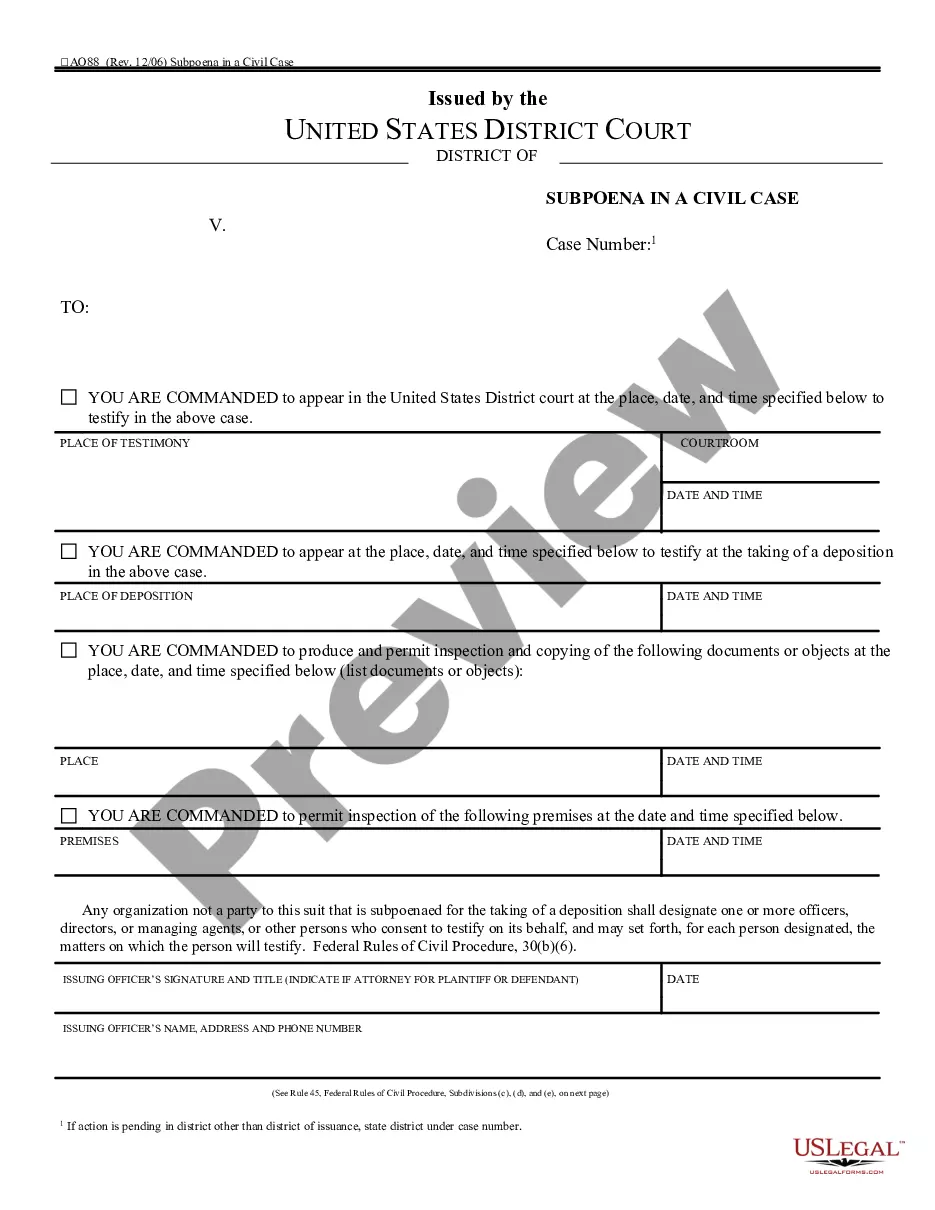
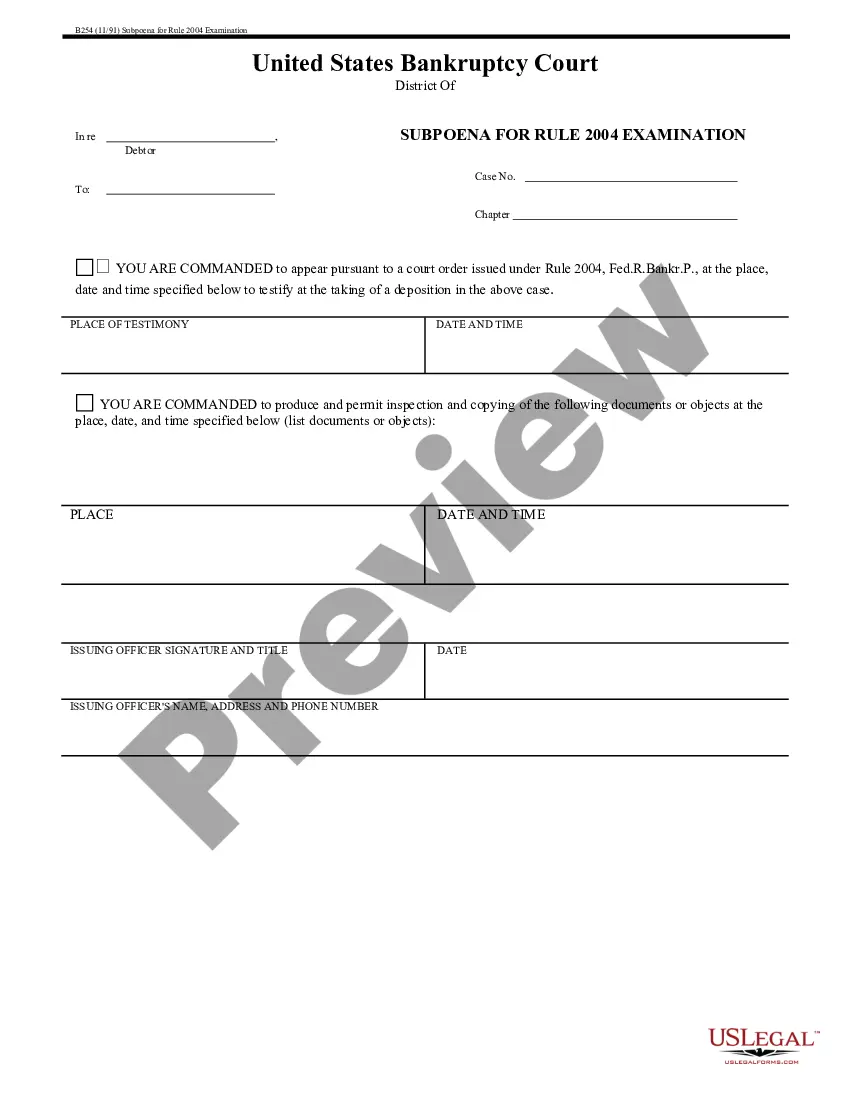
Absolutely! There are subpoenas for testimony, which means you need to show up in court, and subpoenas for documents, where you hand over certain papers. Each one has its purpose!
If you can’t make it, you should notify the court or the lawyer who issued it as soon as possible. Sometimes, you can request a reschedule. It's better to keep the lines of communication open.
Ignoring a subpoena is a risky move! Doing so can lead to legal penalties, including fines or even being held in contempt of court. It's best to take it head-on.
If you get a subpoena, you want to take it seriously! You can respond by showing up as asked or by providing the requested documents. It’s always a good idea to consult a lawyer if you're unsure.
Typically, a subpoena can be issued by a lawyer involved in a case, or by the court itself. It’s like having a legal stamp of approval to call someone in.
A subpoena is a legal document that orders someone to appear in court or produce certain documents. Think of it as a summons to ensure your presence or your records.