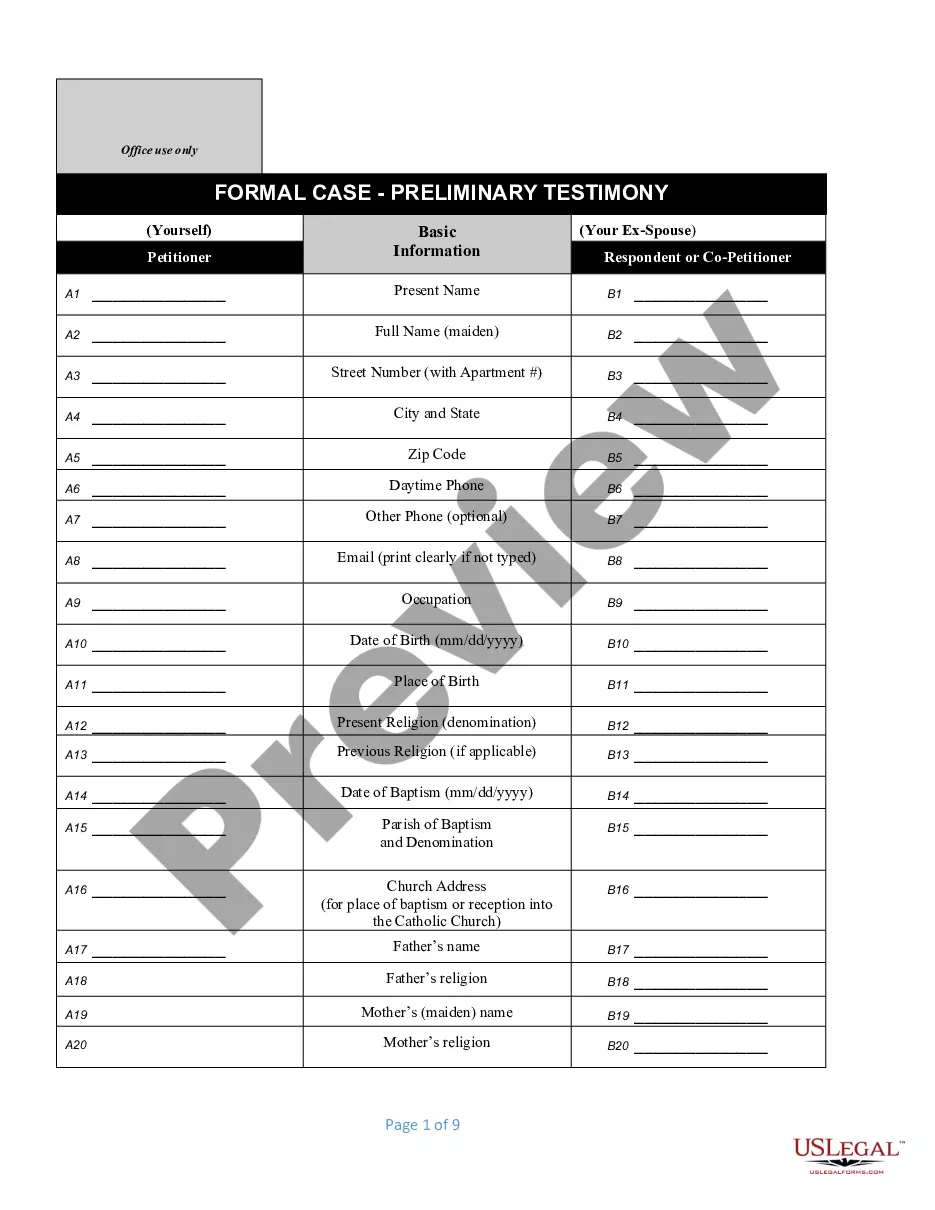
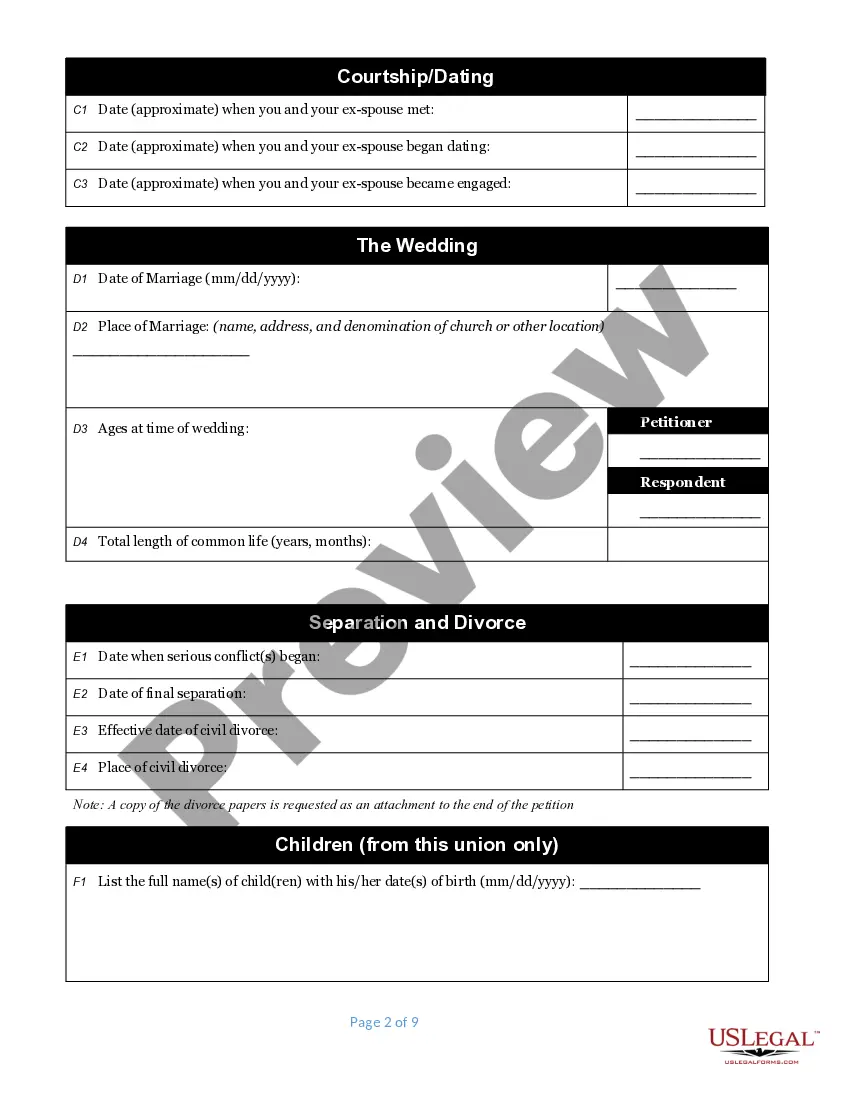
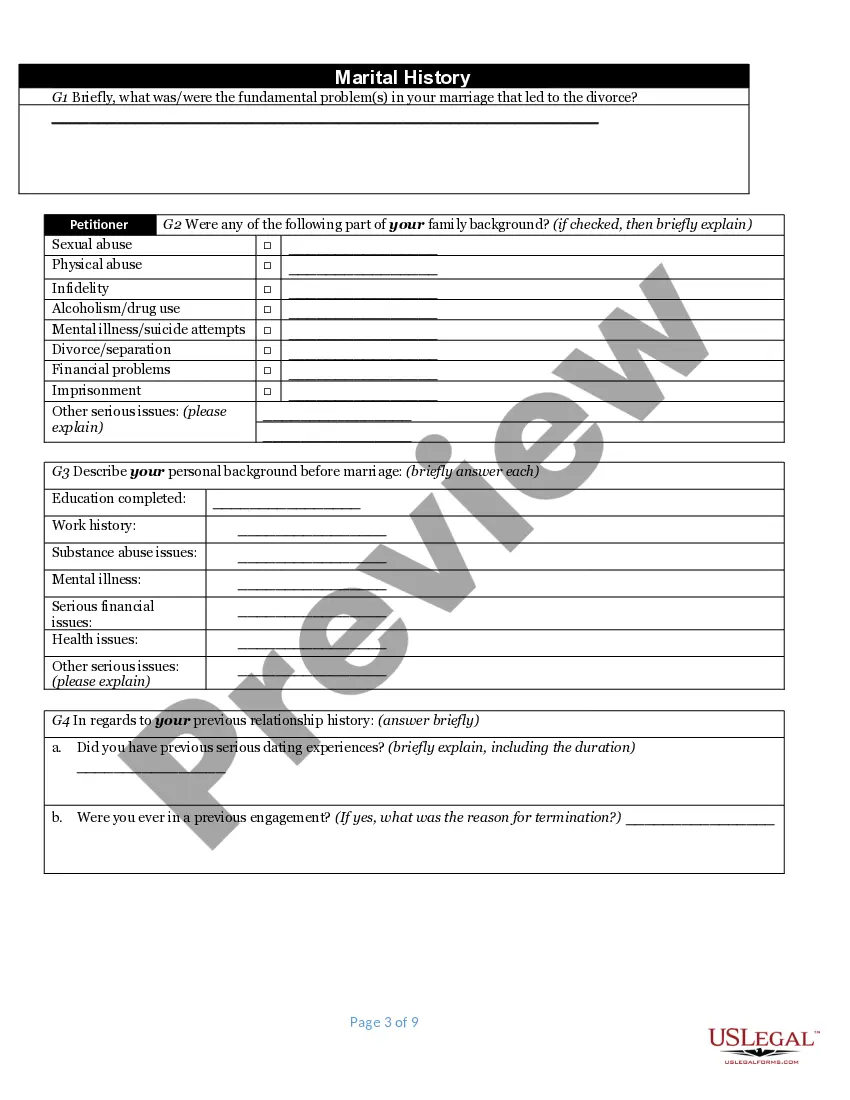
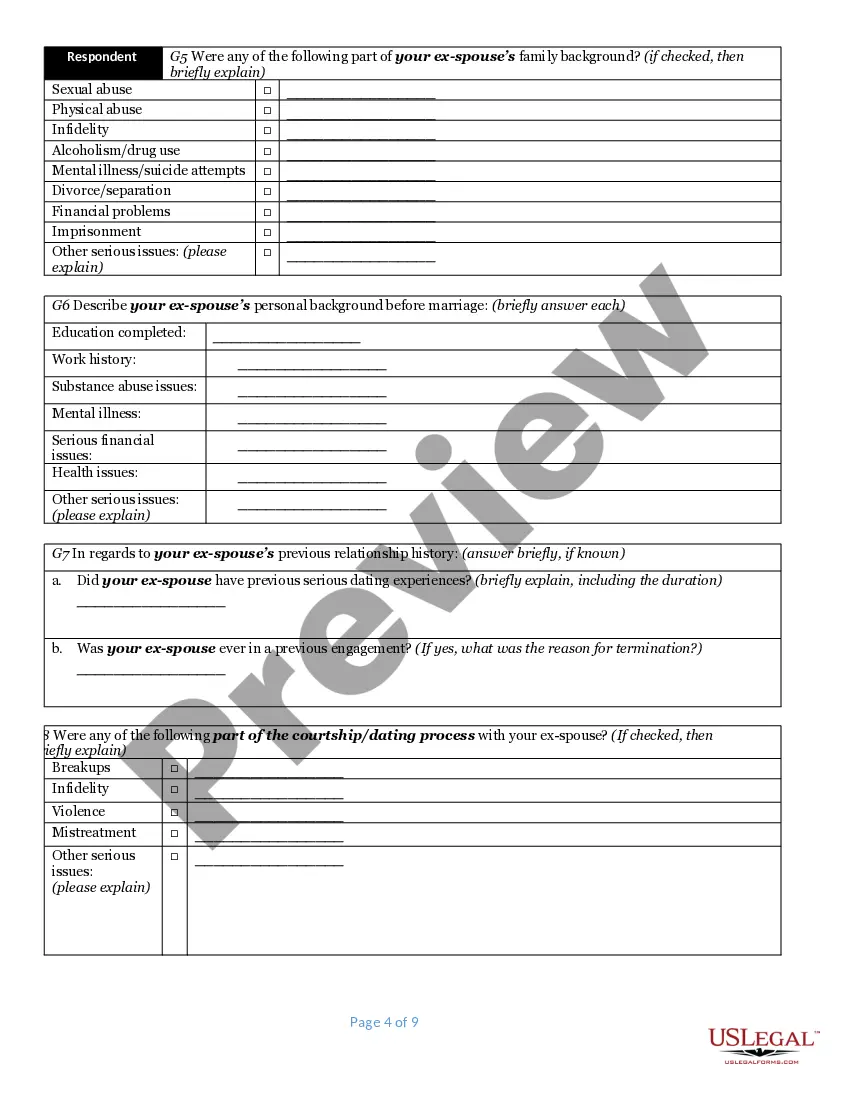
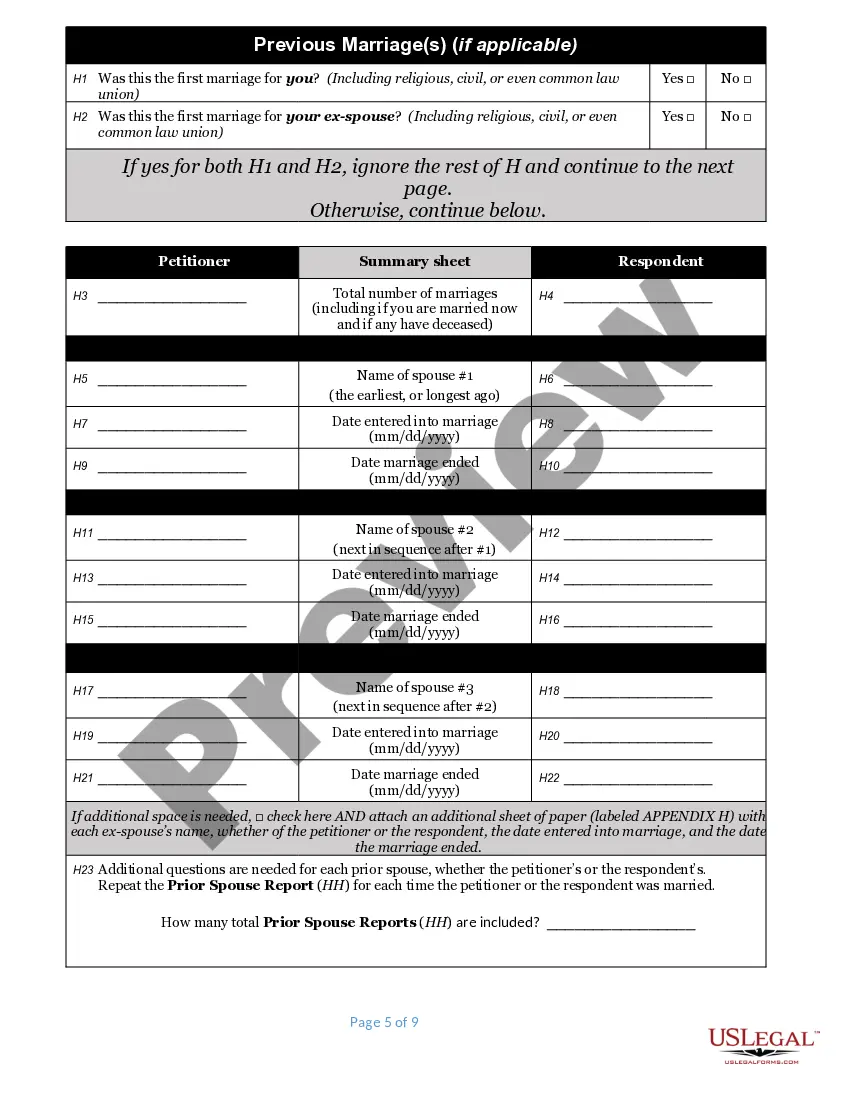
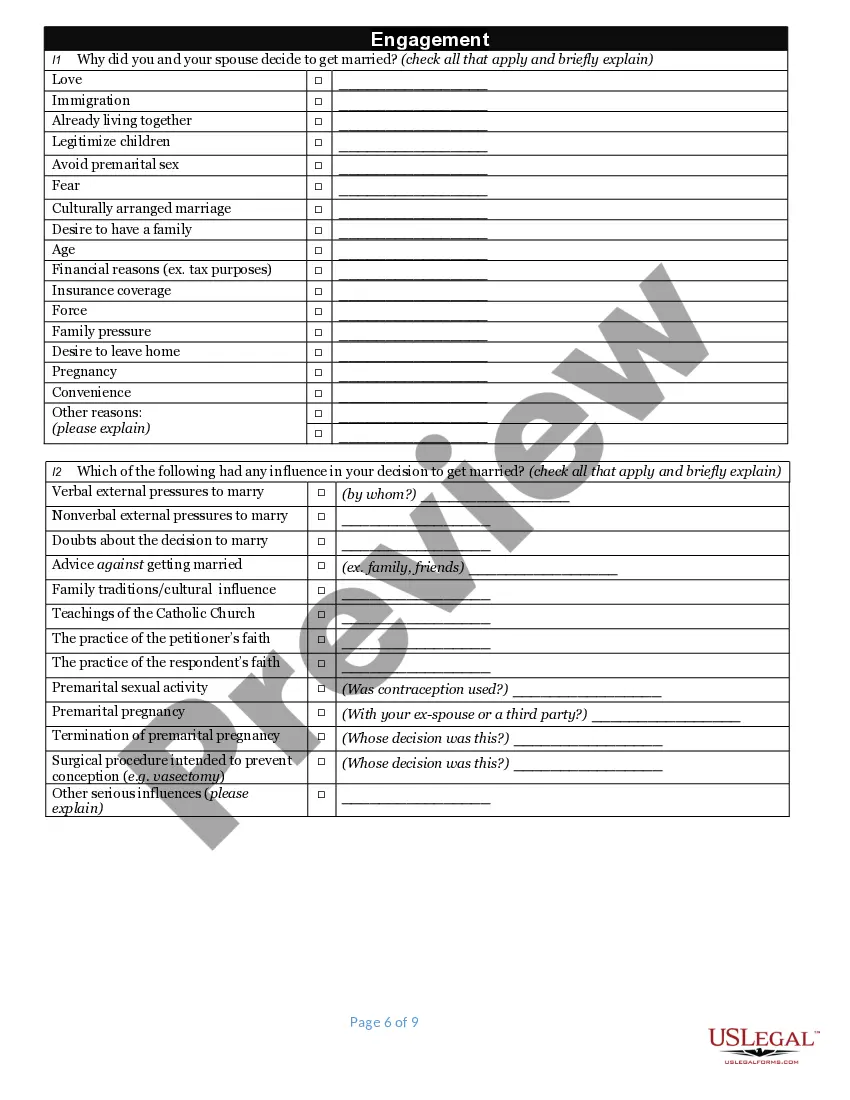
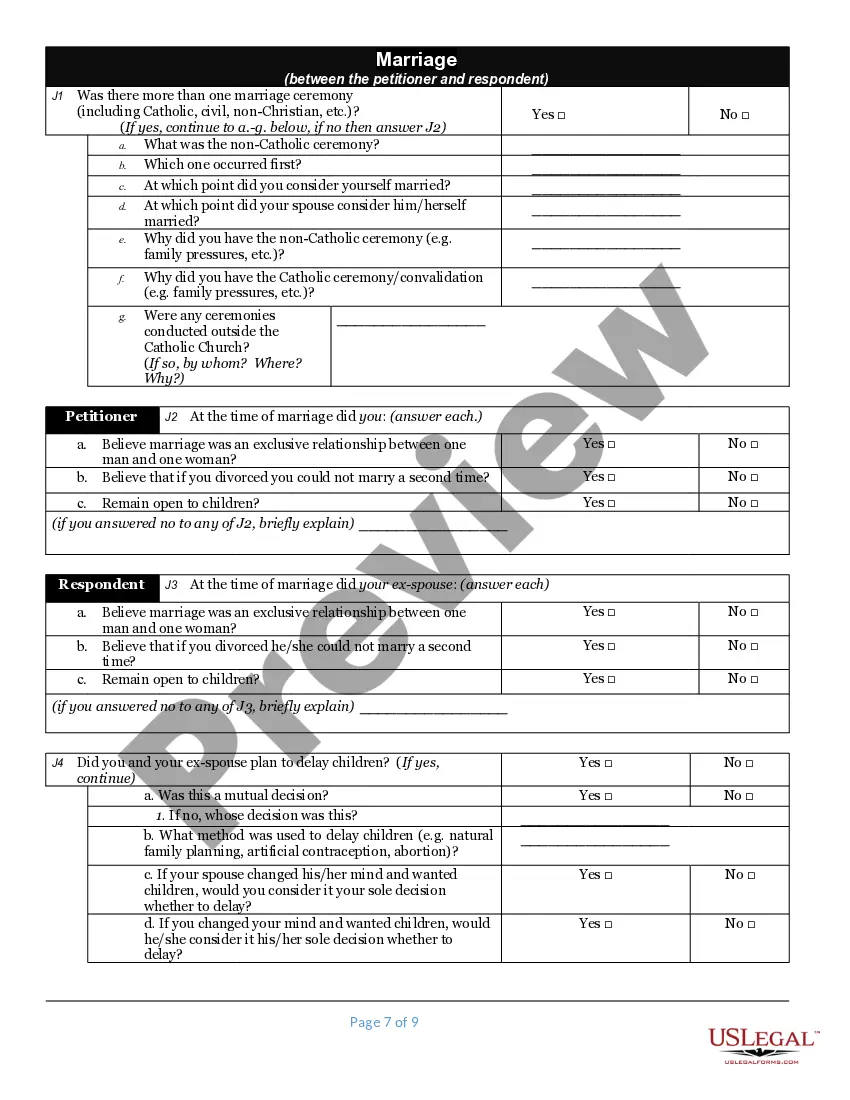
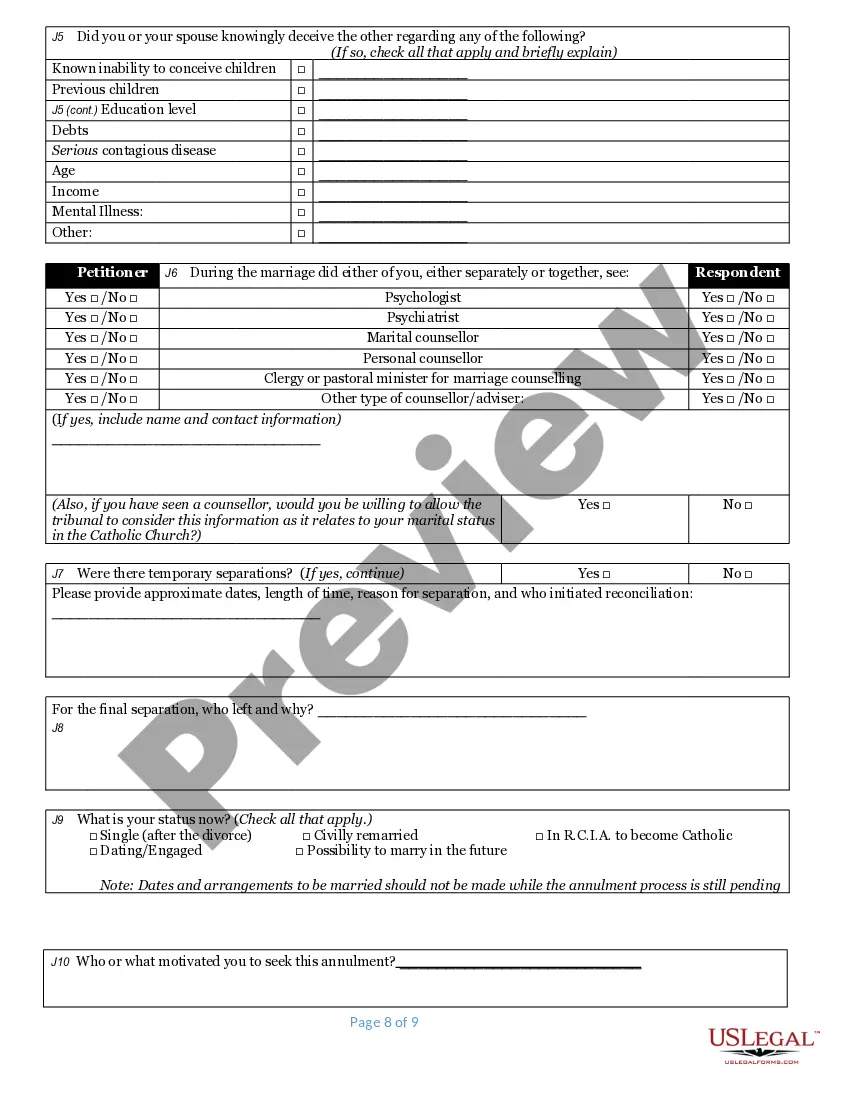
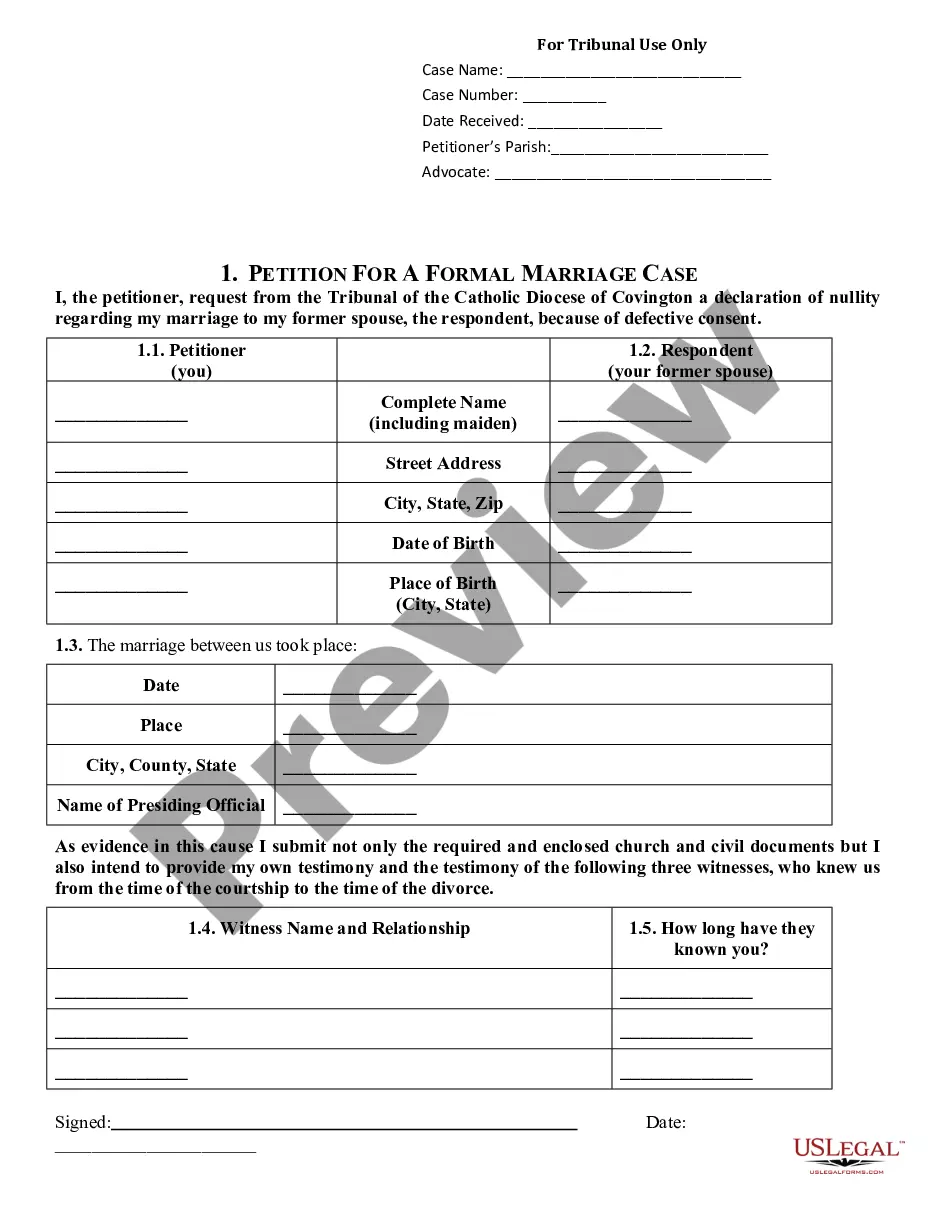
Either party in a marriage that has ended in divorce has the right to ask the Church to review a former marriage. The petitioner has the burden of providing proofs to demonstrate why a marriage may be considered invalid.The formal process is not adversarial and does not make a moral judgment on any person involved, it simply makes a statement of truth regarding the validity of the prior bond according to Church teaching.
After this stage, the case usually moves forward to more detailed hearings or a trial, depending on the circumstances. It's like moving from home base to the next phase of the game.
It can vary quite a bit, but generally, it doesn't take too long. It's all about getting the basic information laid out, kind of like a quick overview before diving deeper.
It's a good idea to come prepared with any documents or evidence you might need. Think of it like bringing your tools to a job; you want to be ready to get things done.
The Preliminary Testimony is more informal and serves to outline the case, while the trial is where everything gets hashed out in detail, like the main event after the preliminaries.
While it's not a must, having a lawyer can be a real game-changer. They can help you navigate the ins and outs of the process.
Generally, the parties involved in the case can provide Preliminary Testimony. Think of it as everyone getting their turn to share their piece of the puzzle.
Preliminary Testimony is essentially the first step where parties present their side of the story before moving forward with the case. It's like setting the stage for what’s to come.