If the estate's value exceeds the limit, you'll need to go through the regular probate process, which can be more time-consuming and complex.
You don’t necessarily need an attorney to file a small estate affidavit, but having legal guidance can help ensure everything is done correctly and save you from potential headaches.
While there’s no specific deadline, it's best to file the affidavit as soon as possible after the person has passed away to avoid any complications down the road.
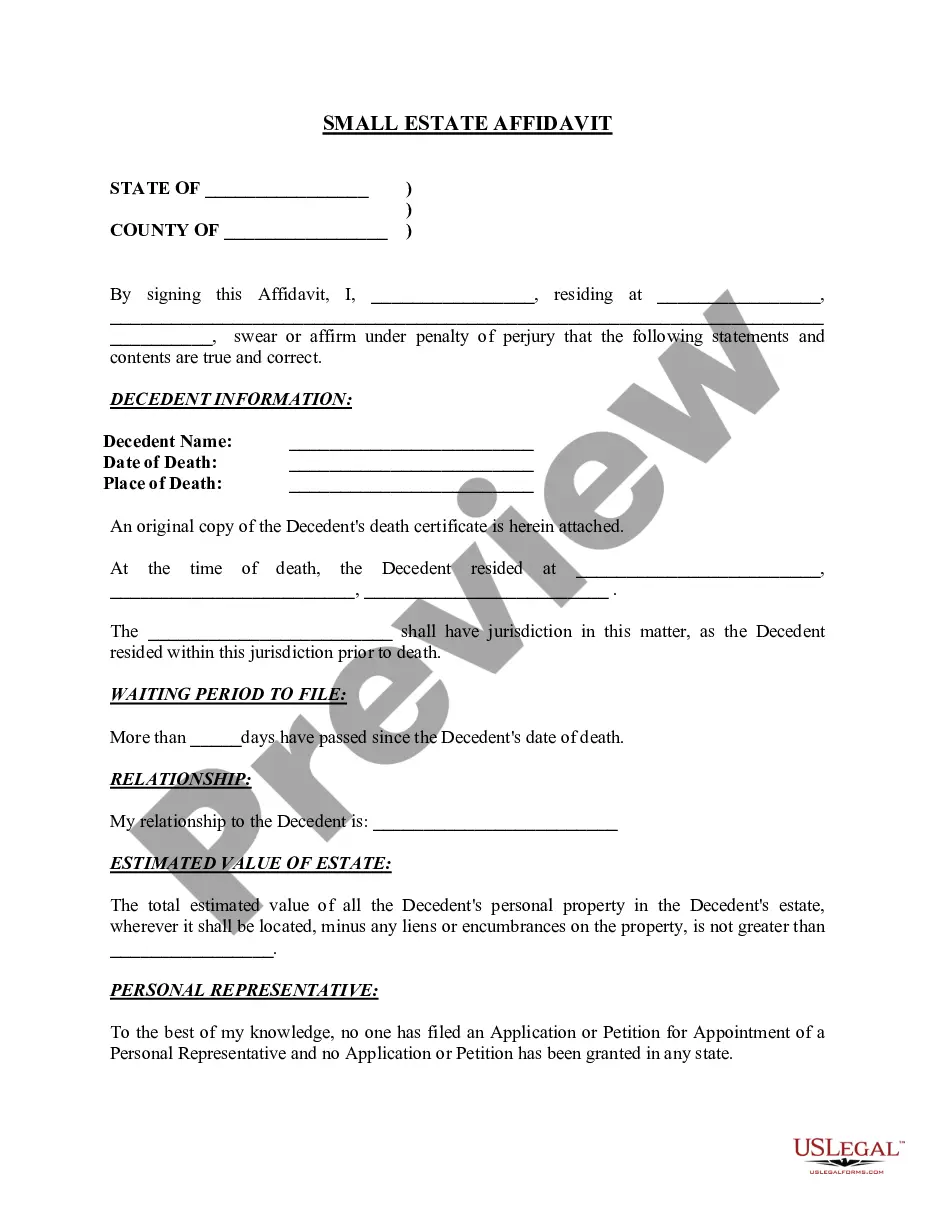
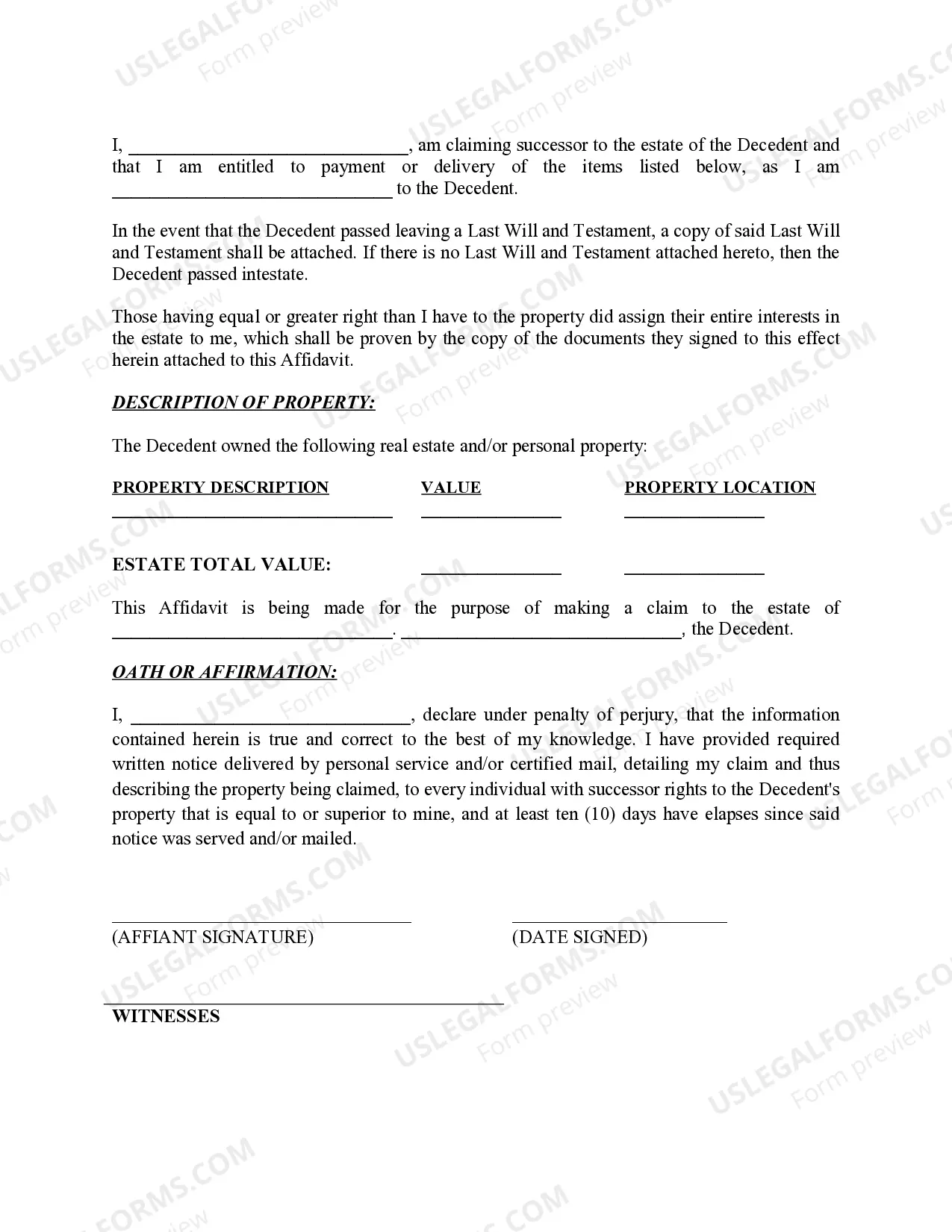
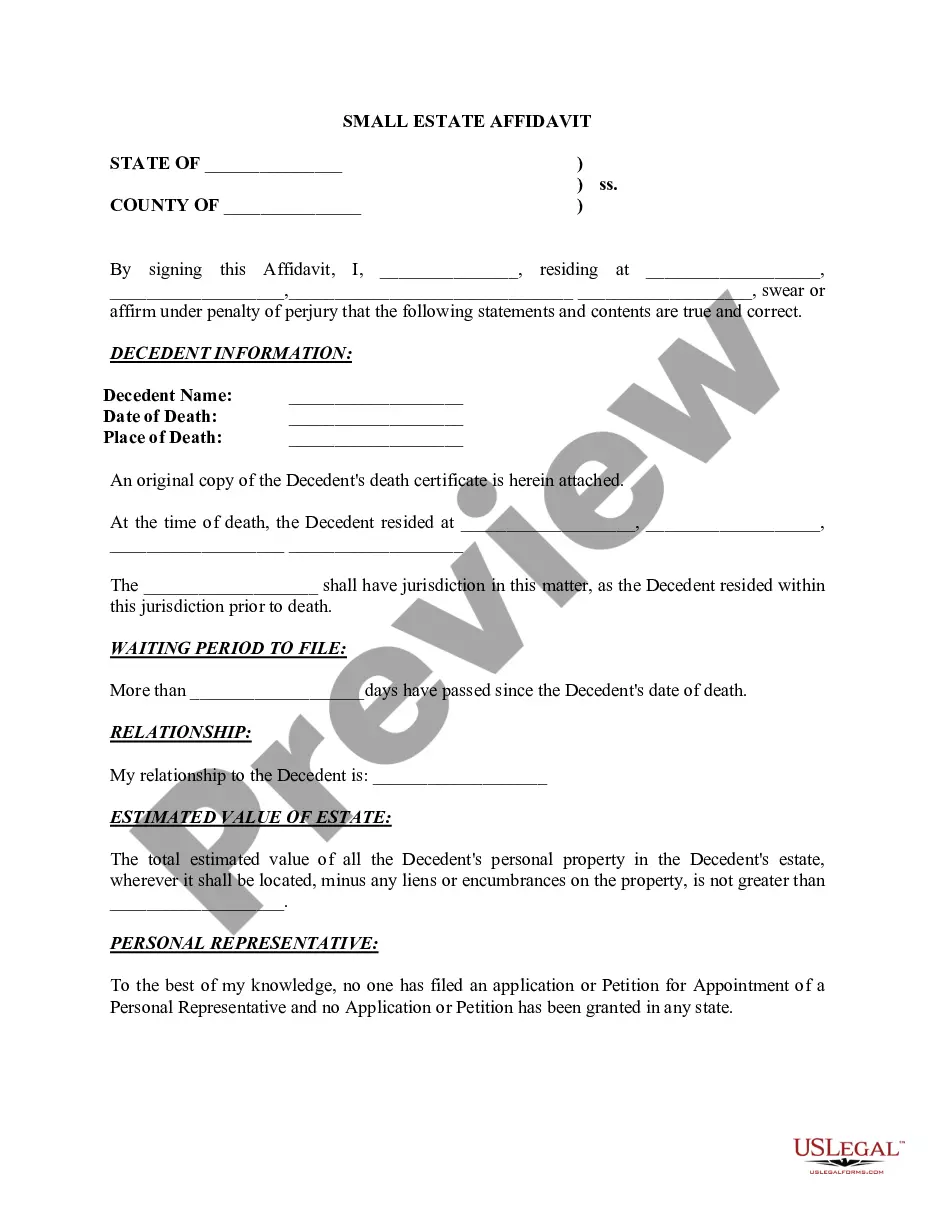
To create a small estate affidavit, you'll need to gather necessary information about the deceased, list their assets, and follow the guidelines set by the Texas probate court.
You can include items like bank accounts, personal property, and real estate, provided the total value doesn’t exceed the limits set by Texas law.
Typically, immediate family members like spouses, children, or parents can use this affidavit to settle small estates, as long as they meet the eligibility criteria.
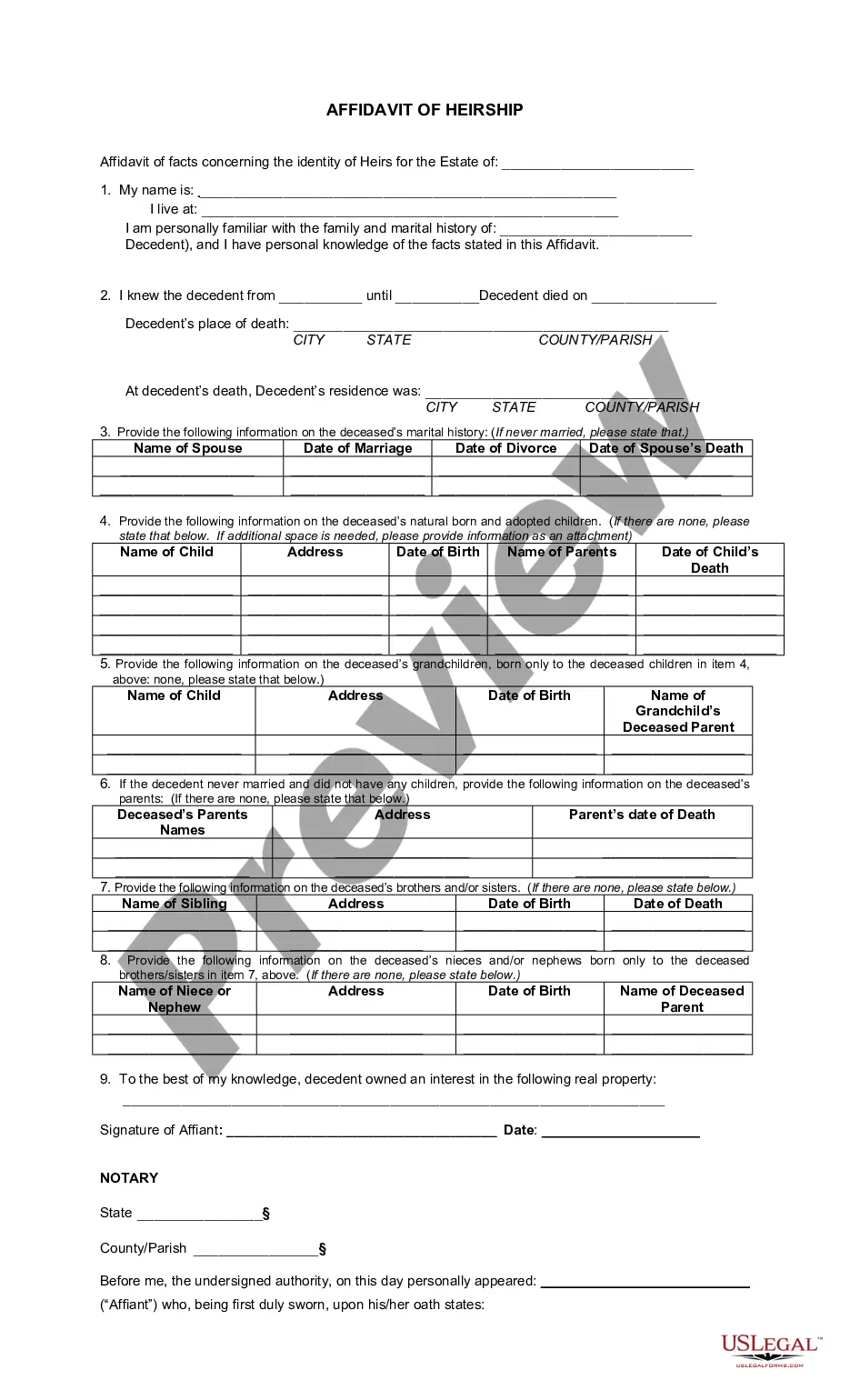
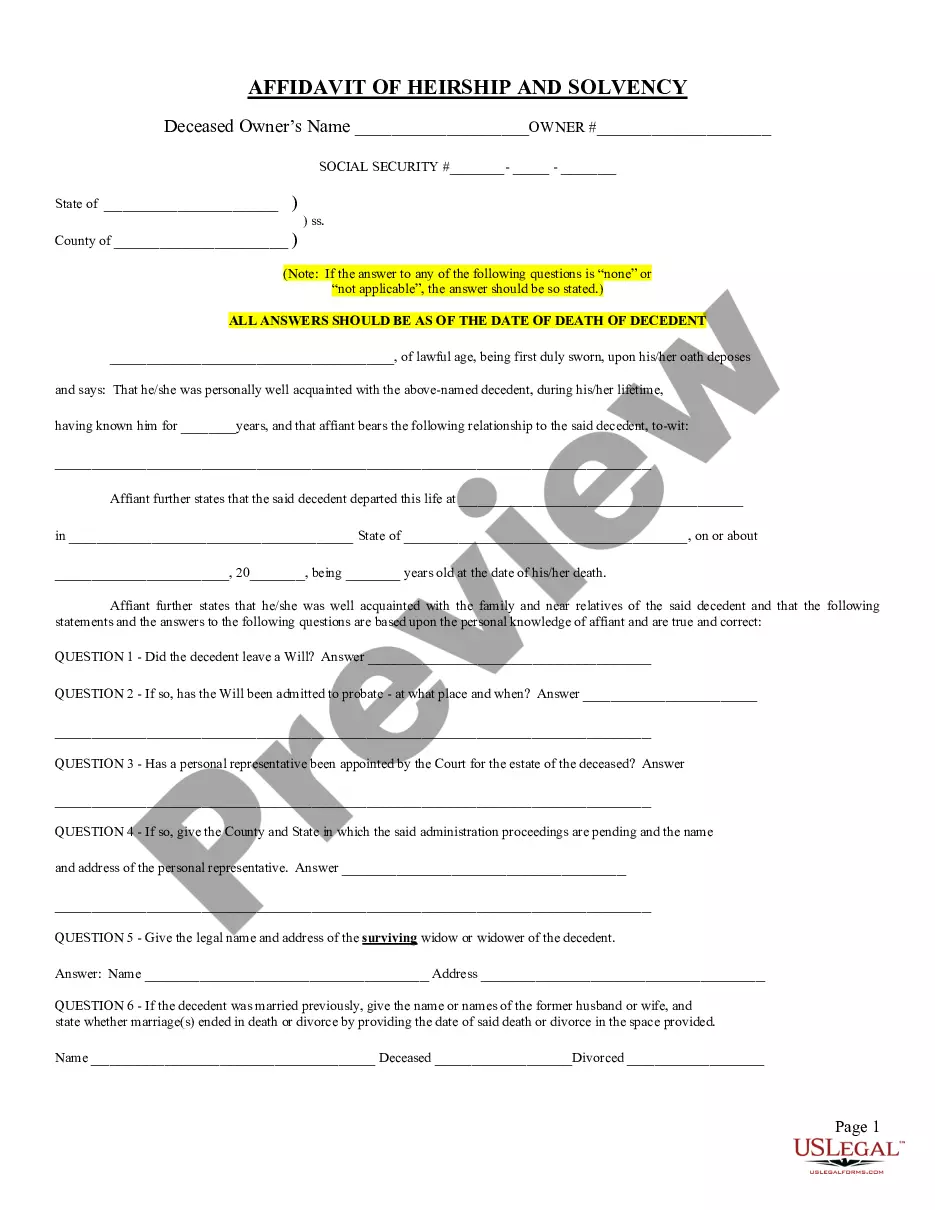
A small estate affidavit is a legal document that allows heirs to claim the assets of a deceased person without going through the lengthy probate process, as long as the total value of the estate falls below a certain threshold.