It’s crucial! Networking can open doors that you never knew existed. Attend local tech meetups or join online communities to connect with others in the field.
Avoid clutter and unnecessary details. Don't make it too long—keep it to one or two pages max. Typos and grammatical errors are a no-go; they can send your resume to the bottom of the pile.
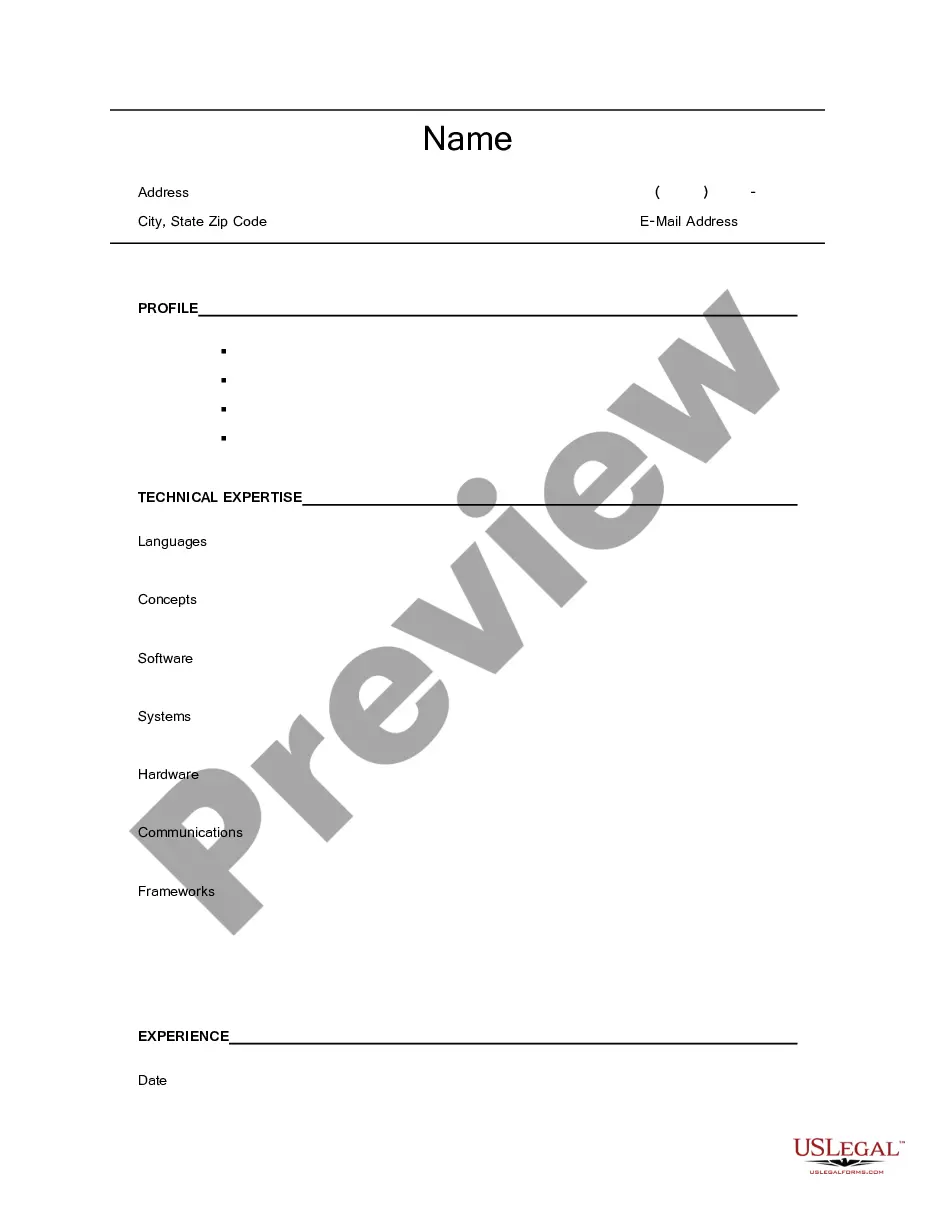
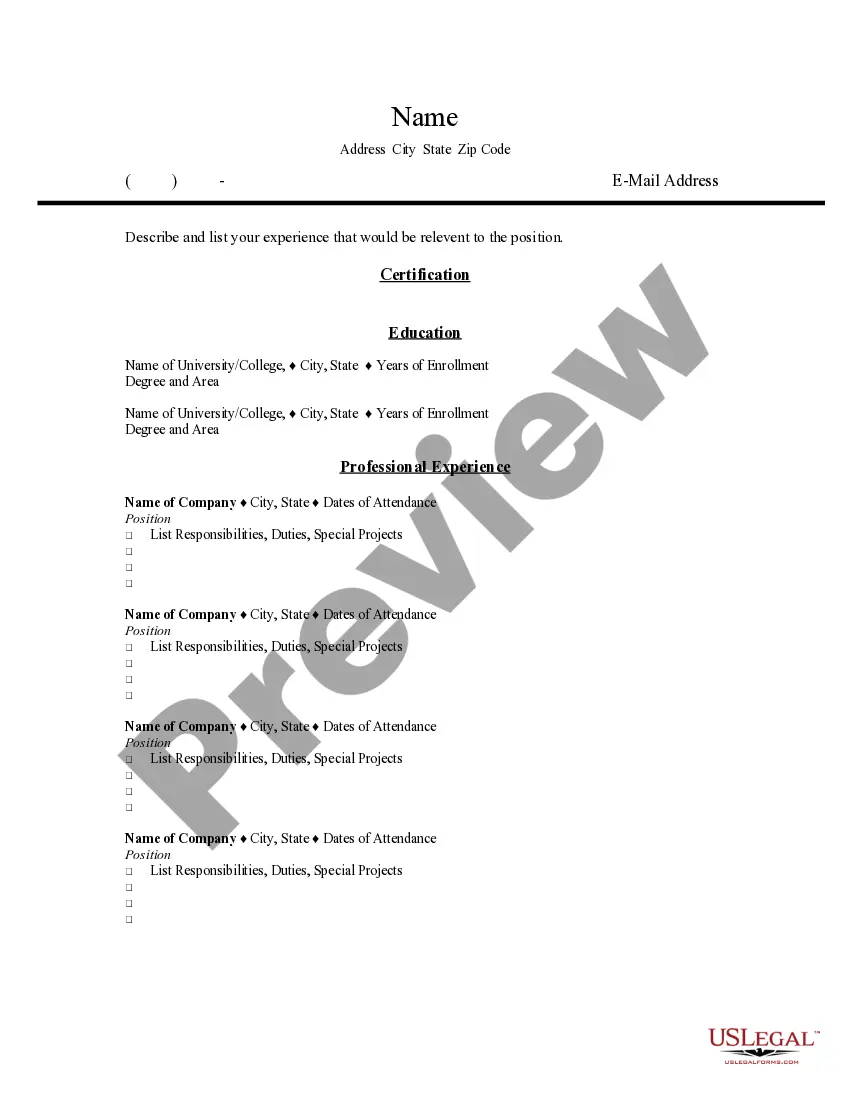
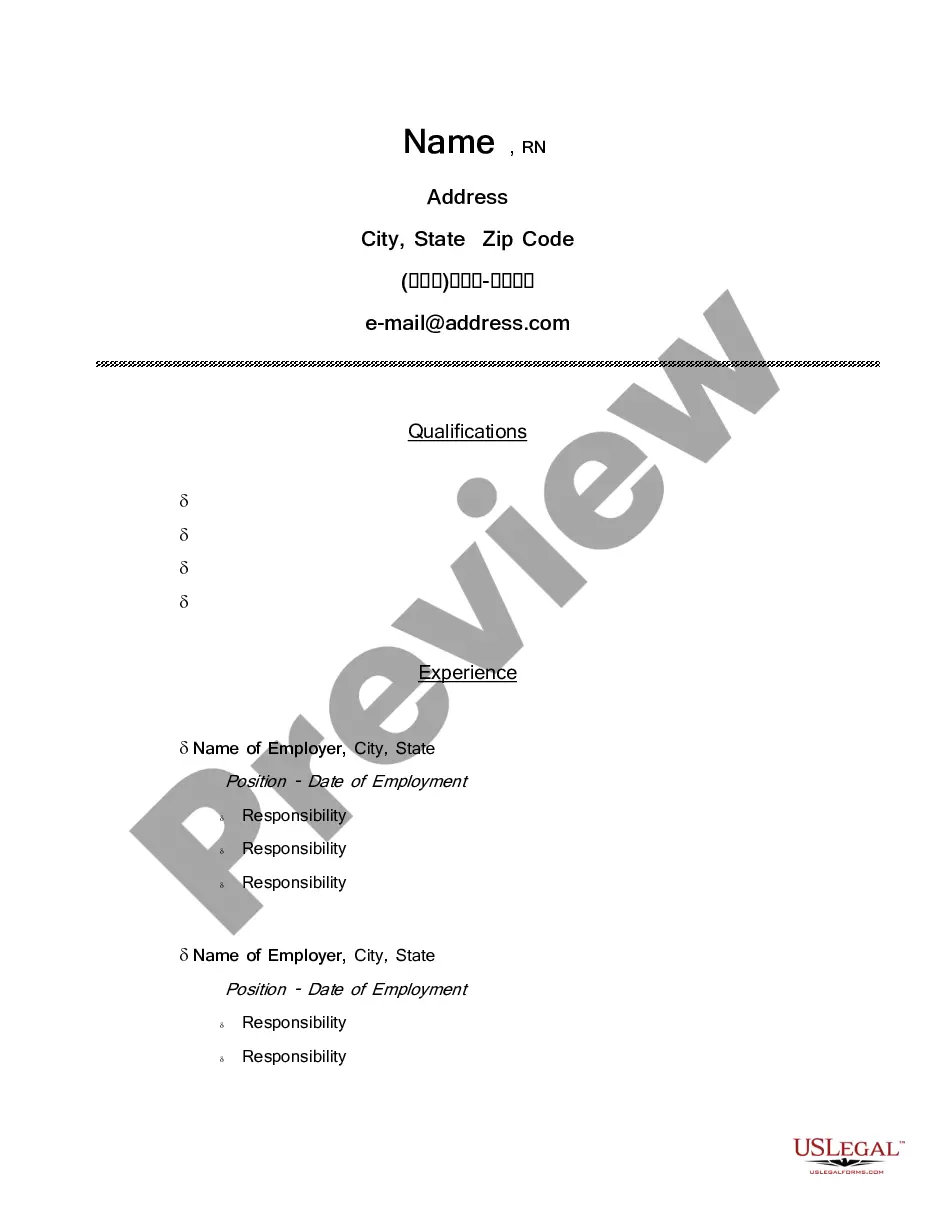
Stick to a clean and professional format. Use headings to organize sections like skills, experience, and education. Bullet points can make it easier to read at a glance.
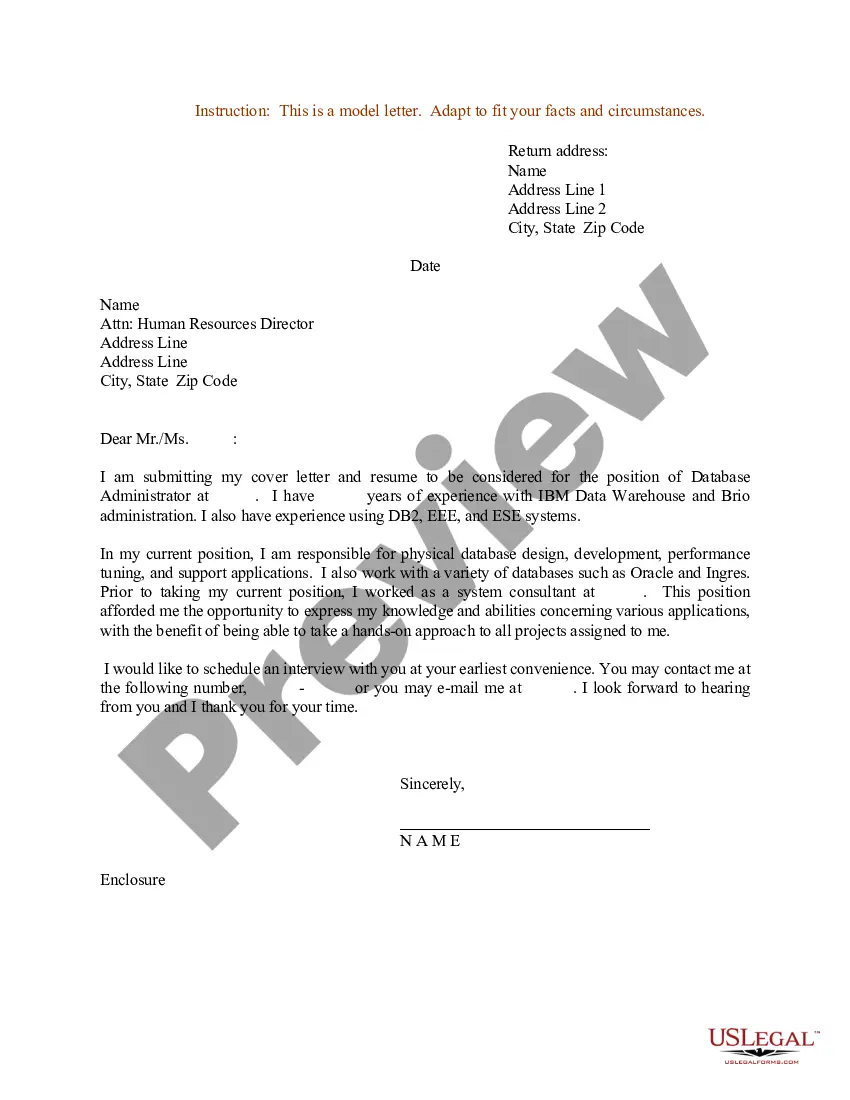
Include any hands-on experience with databases, be it internships, previous jobs, or even projects. Real-world experience speaks volumes and can set you apart.
Certifications like Oracle Certified Professional or Microsoft SQL Server certifications can really give you a leg up. They show you mean business and you're serious about your skills.
Make sure to read the job description closely and pick out keywords. Use those keywords in your resume to show you're a perfect fit for the role.
Focus on your technical skills like SQL, database design, and data security. Don't forget to mention problem-solving abilities and attention to detail, which are the name of the game in this field.