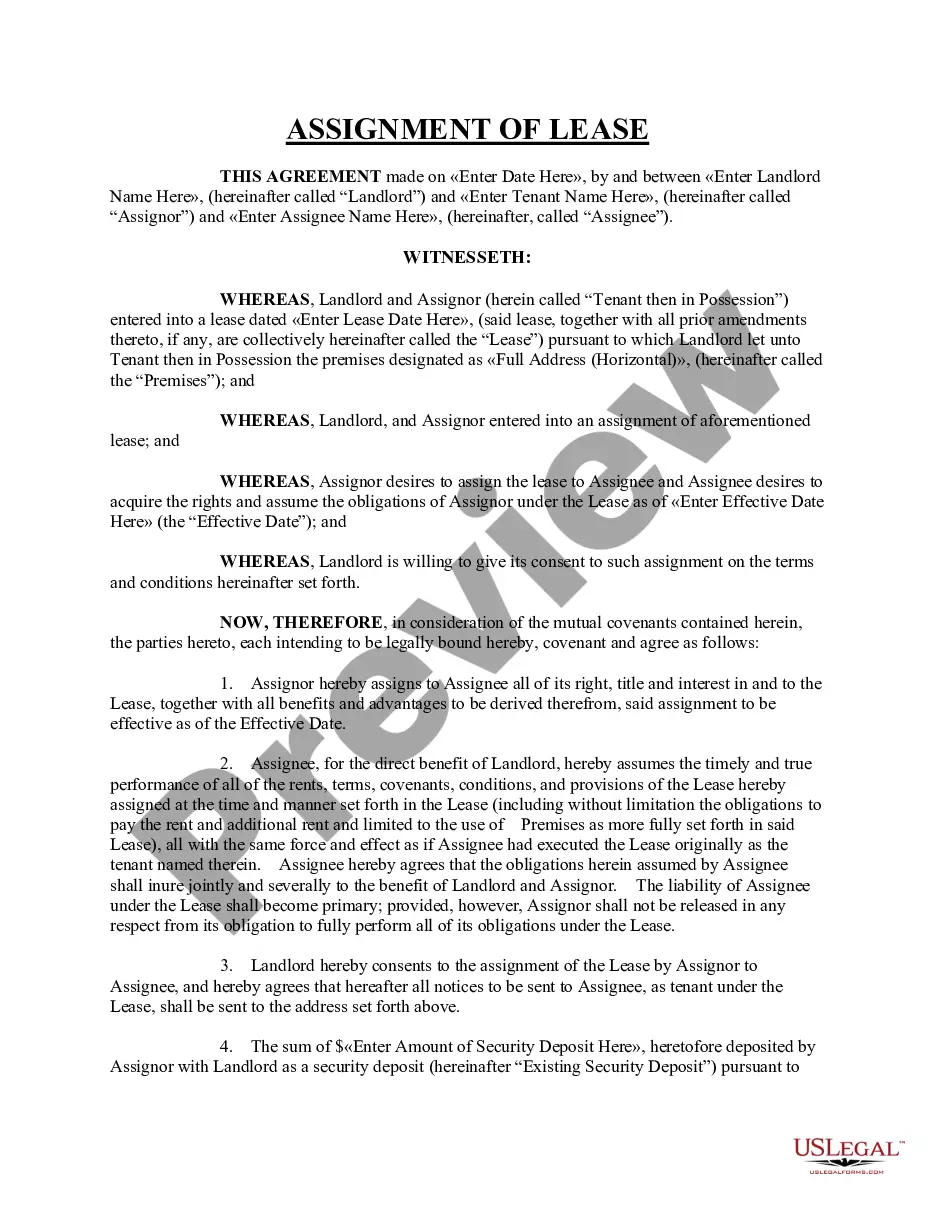
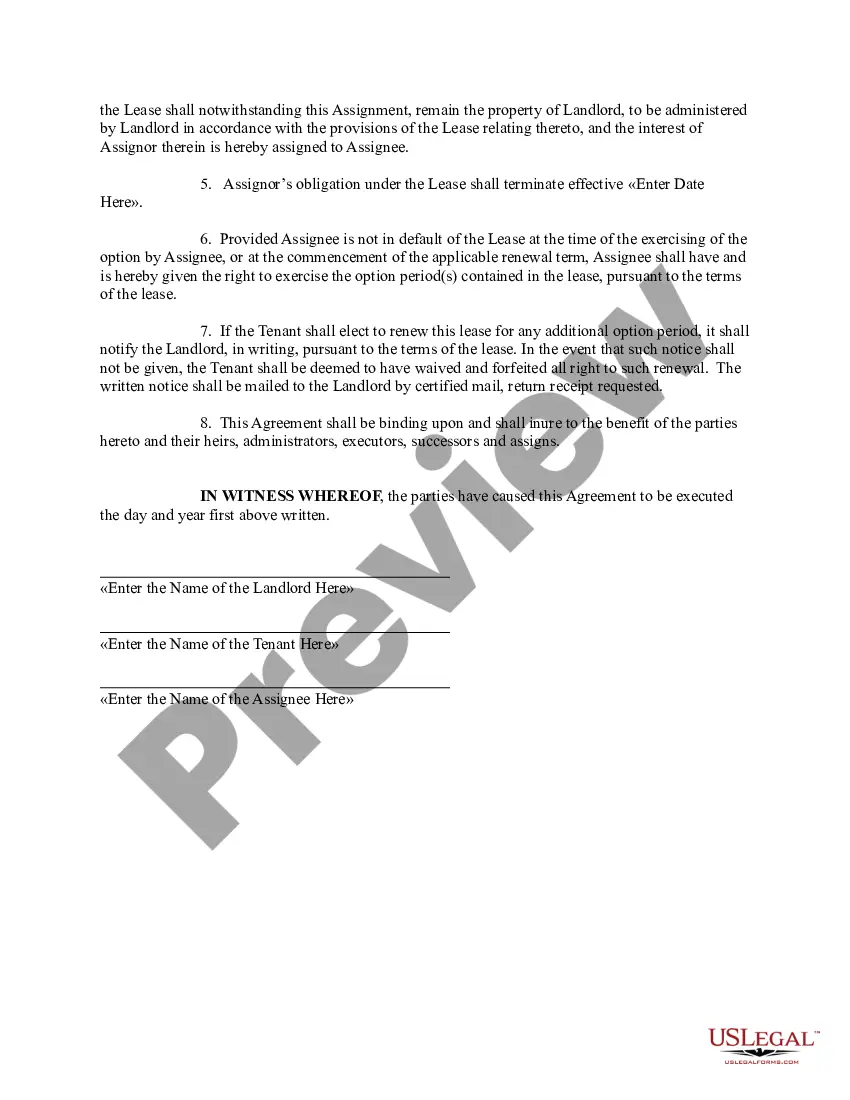
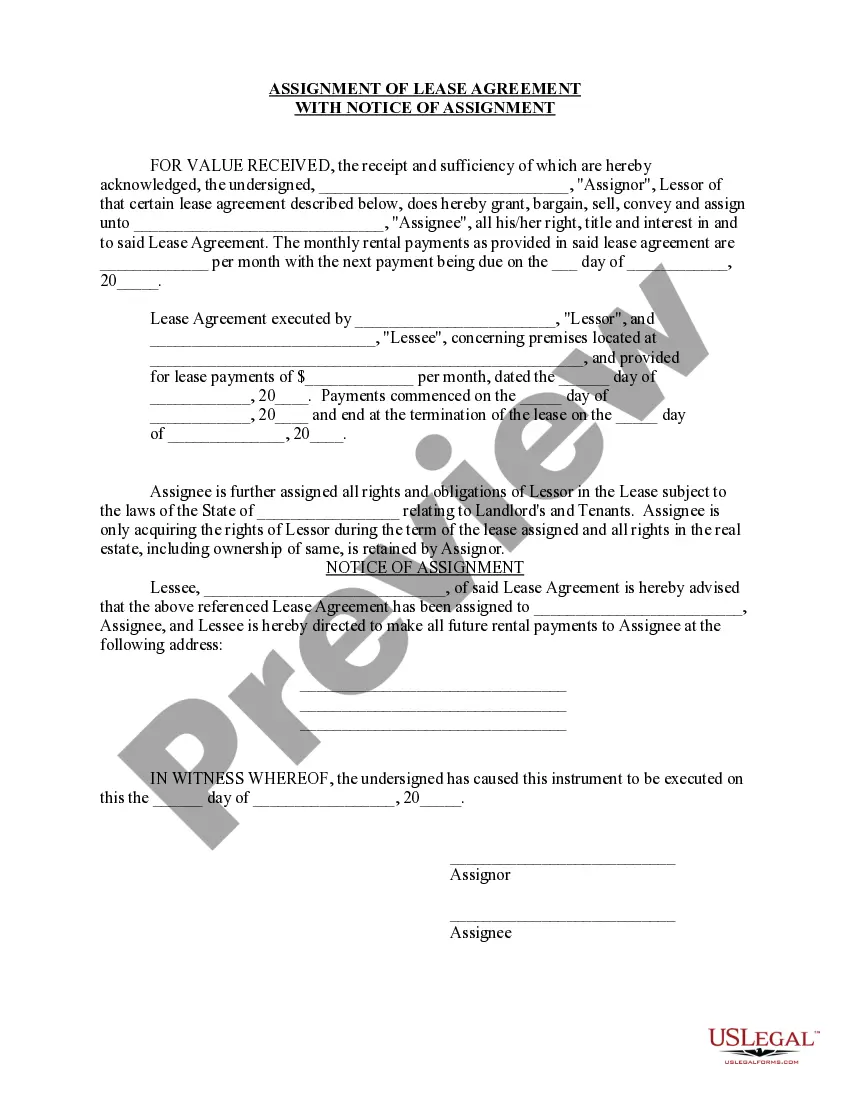
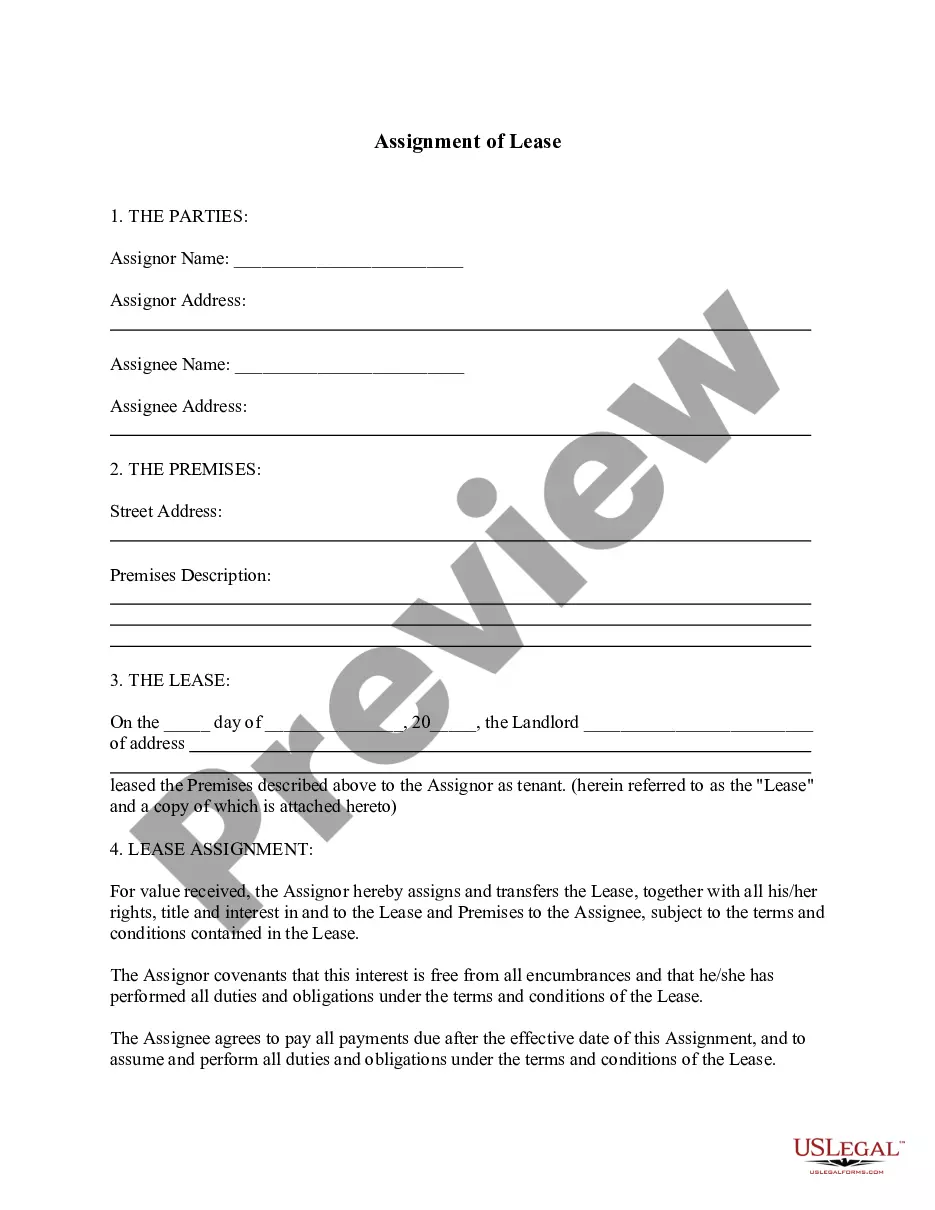
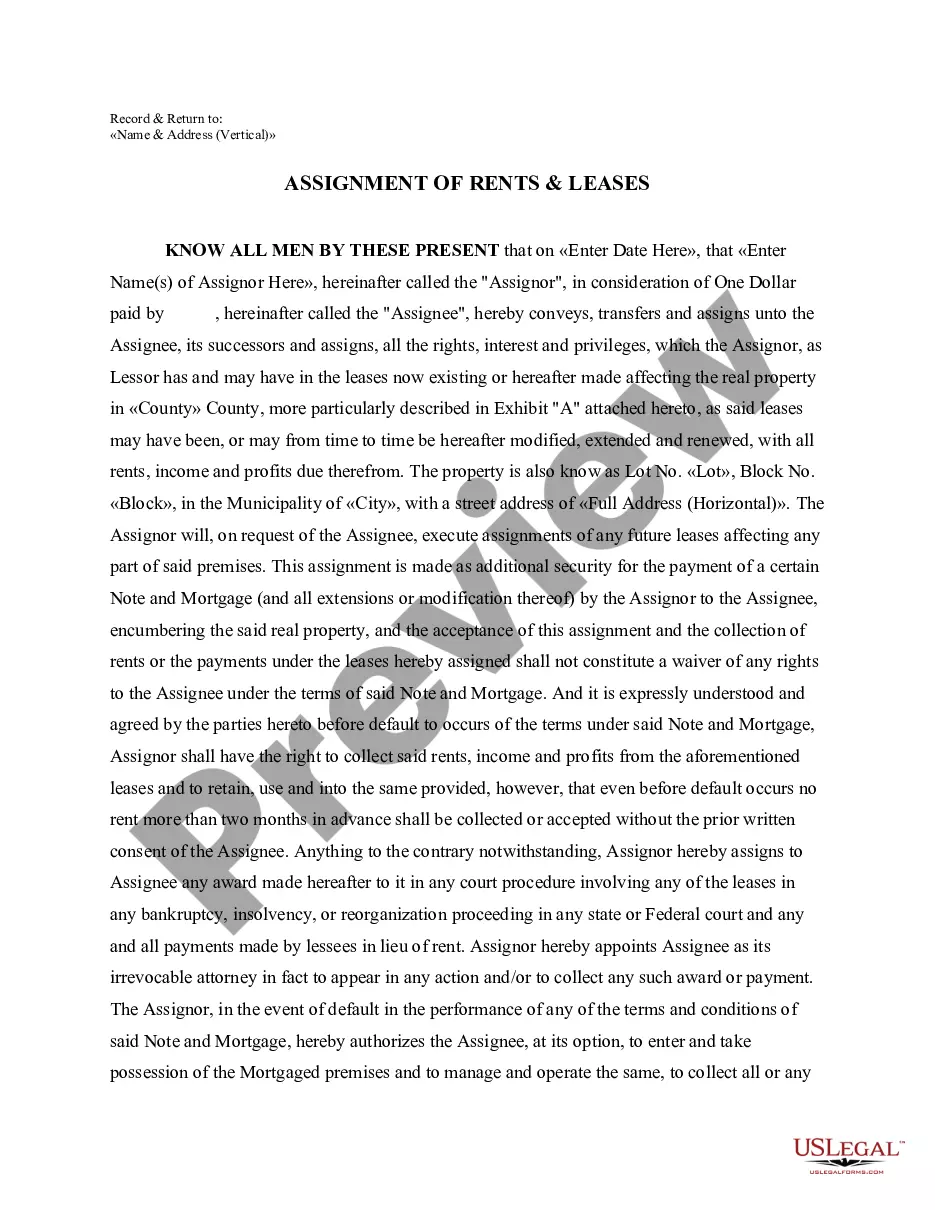
This form is an assignment from an original tenant of his or her leasehold interest in a lease agreement to a new tenant. The new tenant (assignee) agrees that he or she will pay all rent due after the effective date of the assignment, and will assume and perform all duties and obligations required by the terms of the original lease agreement. The right to assign is generally subject to the permission of the landlord, which cannot be unreasonably withheld.
Yes, in an Assignment of Lease, the new tenant takes over the entire lease, while in a Sublease, the original tenant keeps some responsibility and only rents part of the property to someone else.
You can start by asking friends or family, posting on social media, or using rental websites to help find someone reliable.
If the new tenant breaks the lease, you could still be responsible for any fallout, depending on your agreement with the landlord and the terms of your original lease.
Generally speaking, if you're behind on rent, it might make getting approval for an assignment more difficult since the landlord may want to see the lease obligation fulfilled.
You should include details like the names of the parties involved, the original lease terms, and any specific conditions or requirements your landlord might have.
Yes, in most cases, you need to get your landlord's OK before assigning your lease to someone else.
An Assignment of Lease is when the original tenant transfers their lease to someone else, allowing the new tenant to take over the remaining lease period.