While you can represent yourself, it’s usually wise to have an attorney. They know the ins and outs of legal motions and can help navigate tricky waters.
The main grounds are that there are no significant facts in dispute and the law is on your side, making a trial unnecessary.
Yes, you can appeal a summary judgment decision, but you'll need a good reason, like the court made a legal mistake in their decision.
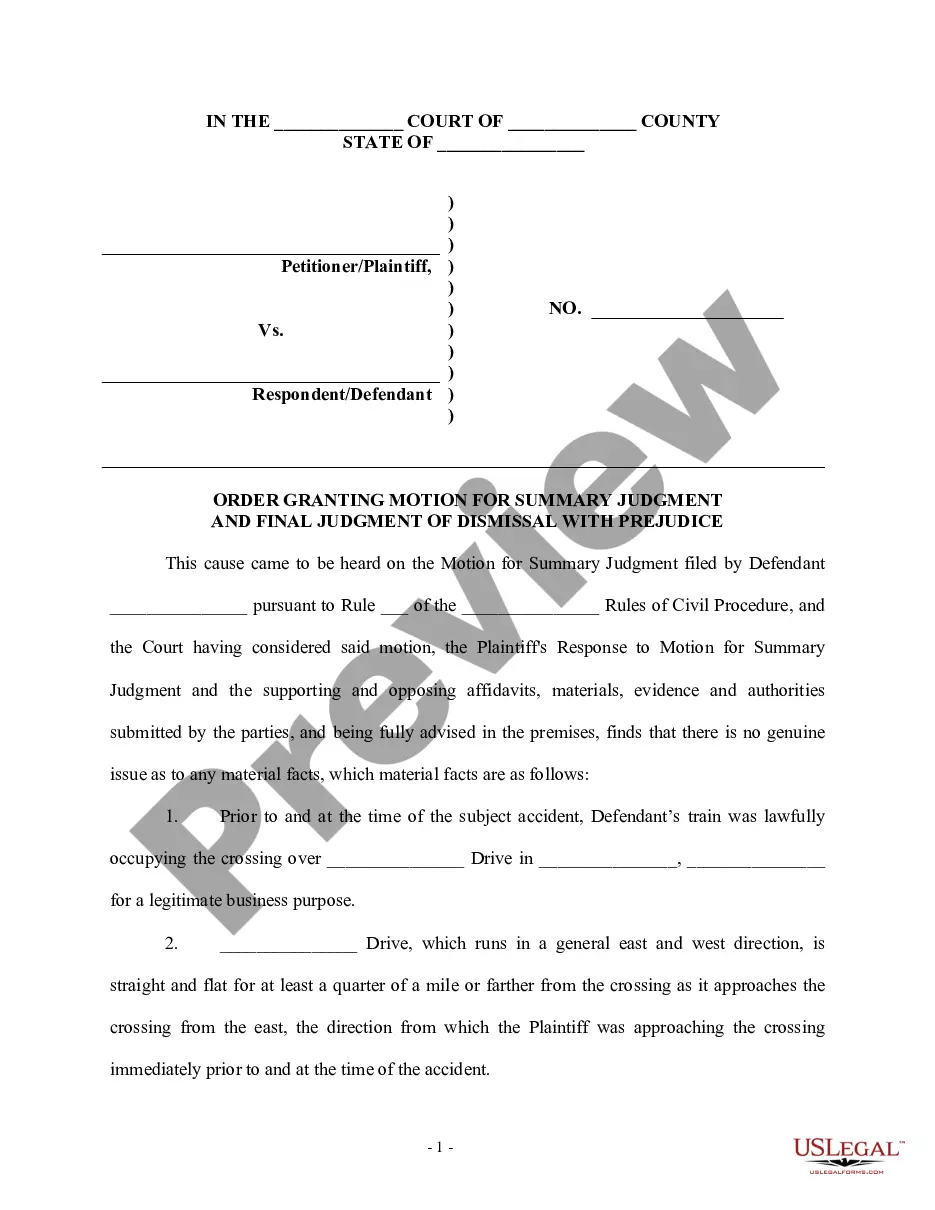
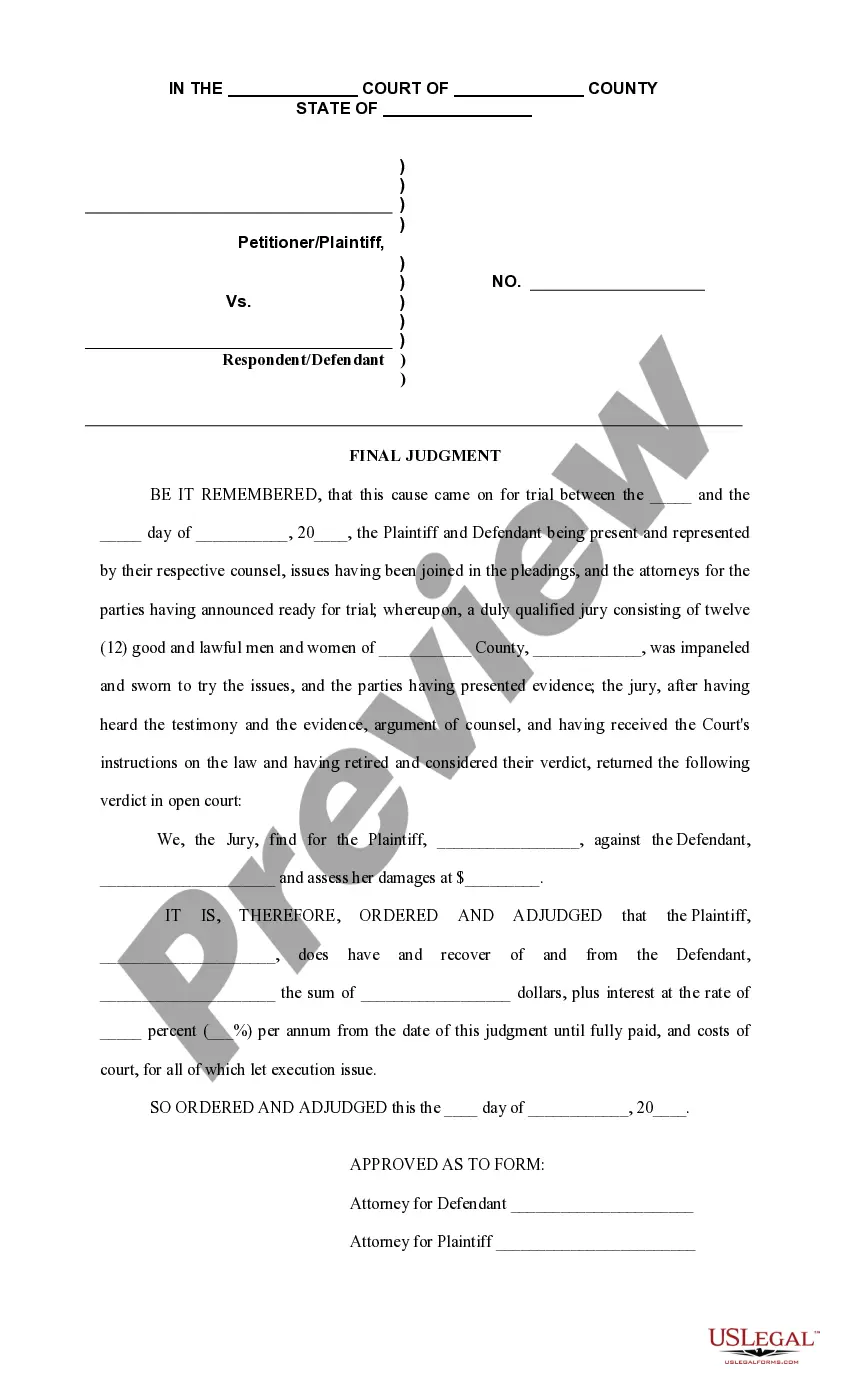
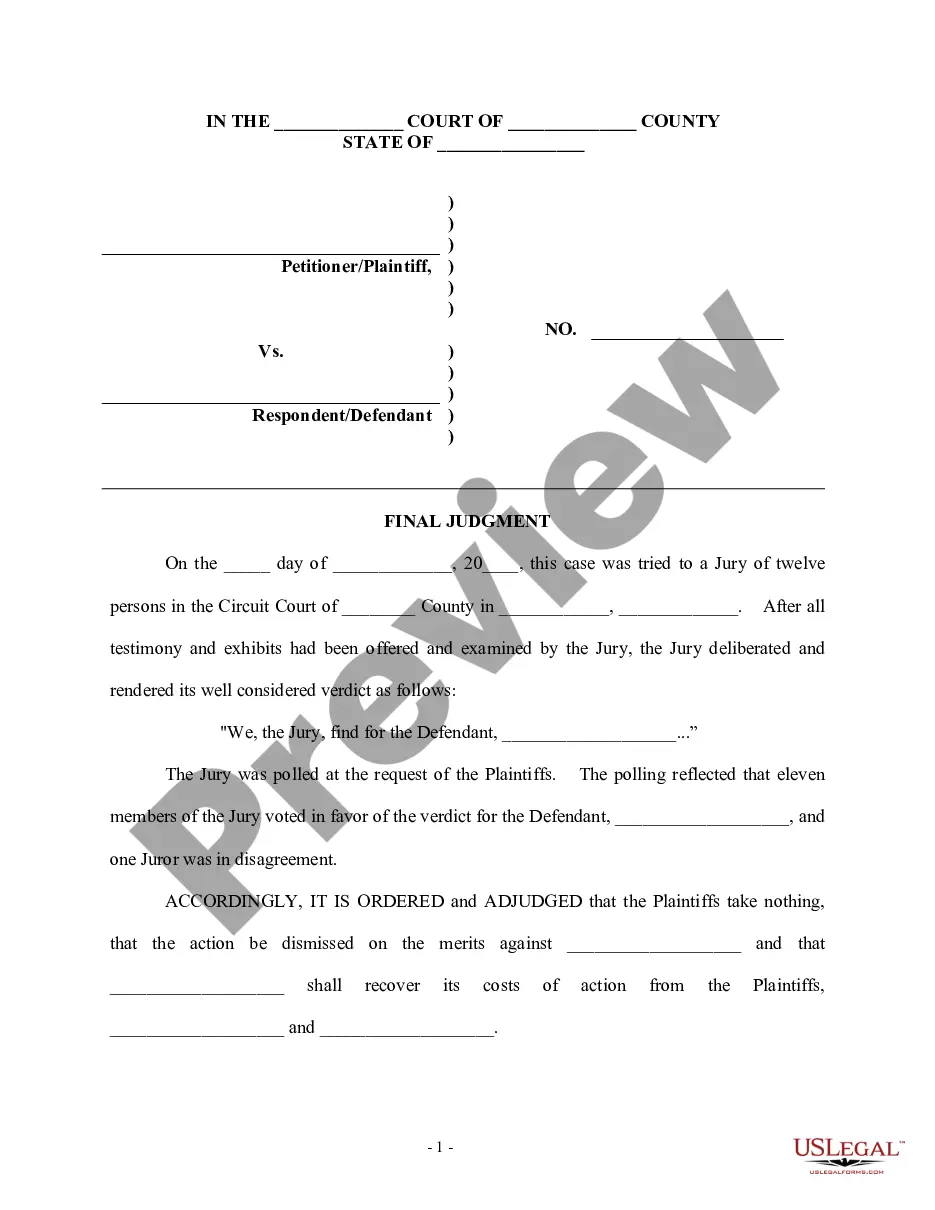
A final judgment of dismissal with prejudice means that a case is closed and can't be brought back to court. The plaintiff can’t refile the same claim.
When a court grants a summary judgment, they agree that one side has proven their case without needing a trial, essentially calling it a win for that party.
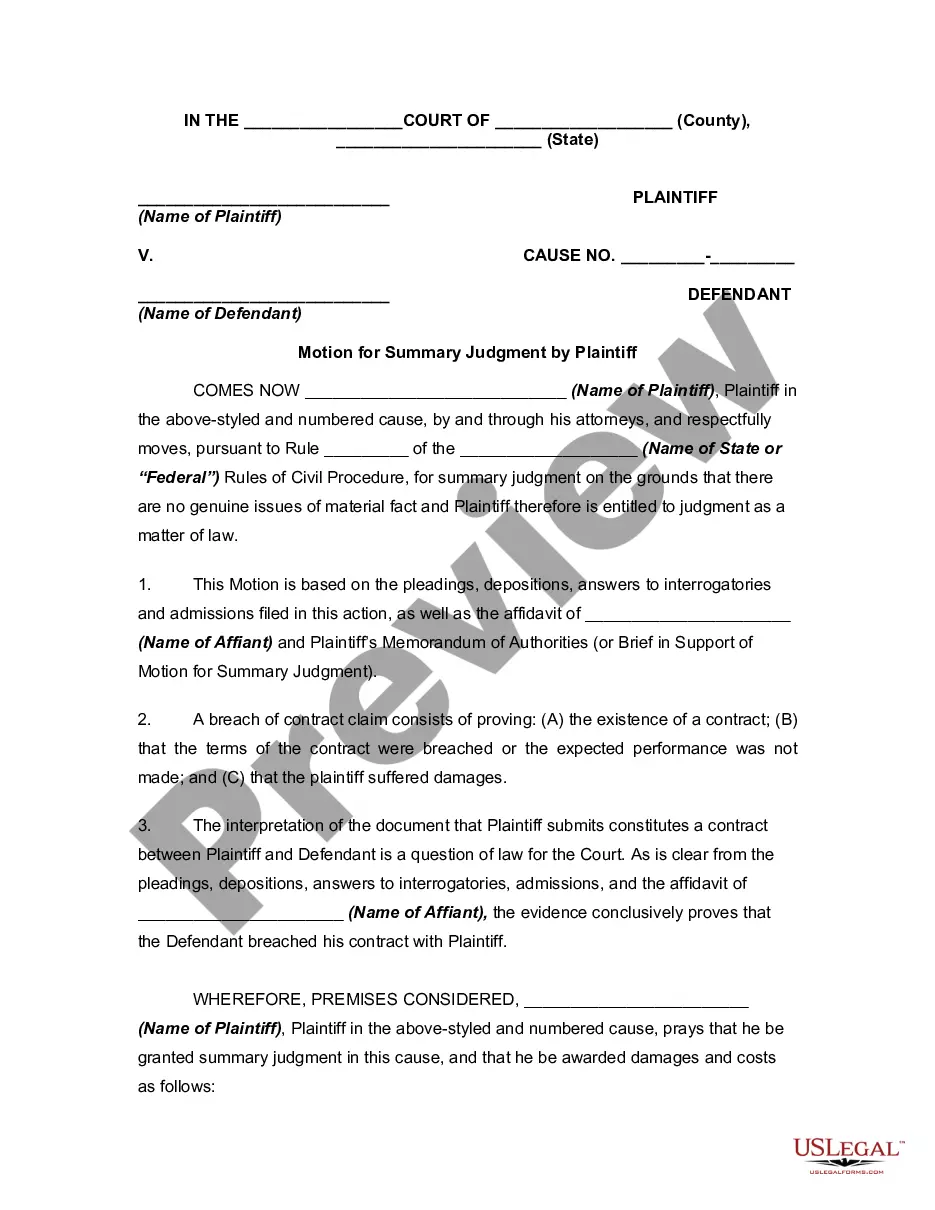
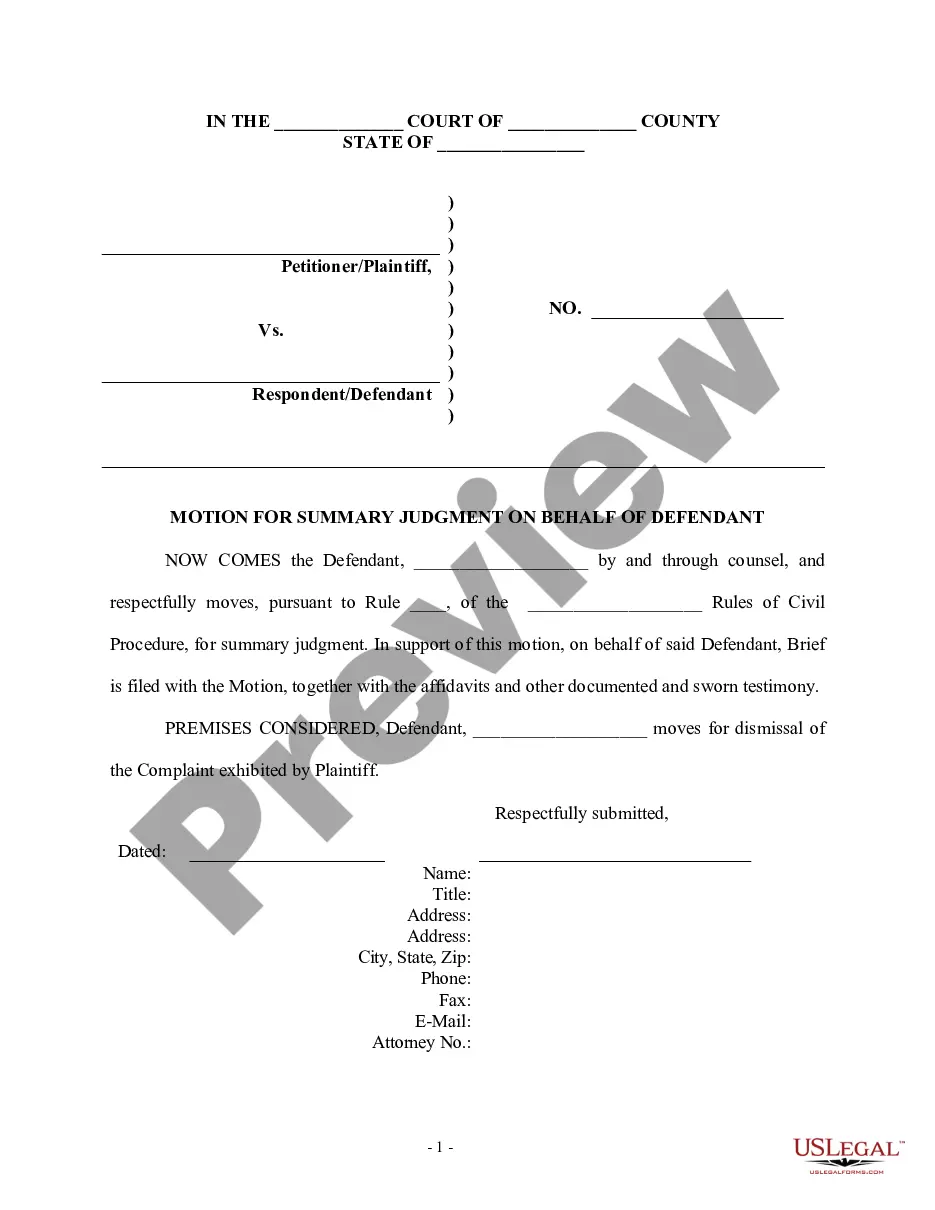
A motion for summary judgment is a request to the court to decide a case without a full trial, claiming there's no dispute on the important facts.