If a defendant fails to respond, they may face legal consequences, including being seen as not cooperating with the case, which can lead to court sanctions.
A defendant can object to questions that are irrelevant or overly invasive, but they must provide valid legal reasons for refusing to answer.
Yes, generally, defendants have a set amount of time, often 30 days, to respond to interrogatories. It's crucial to meet this deadline.
A defendant should answer each question honestly and thoroughly, providing as much detail as possible. This ensures they comply with the legal process.
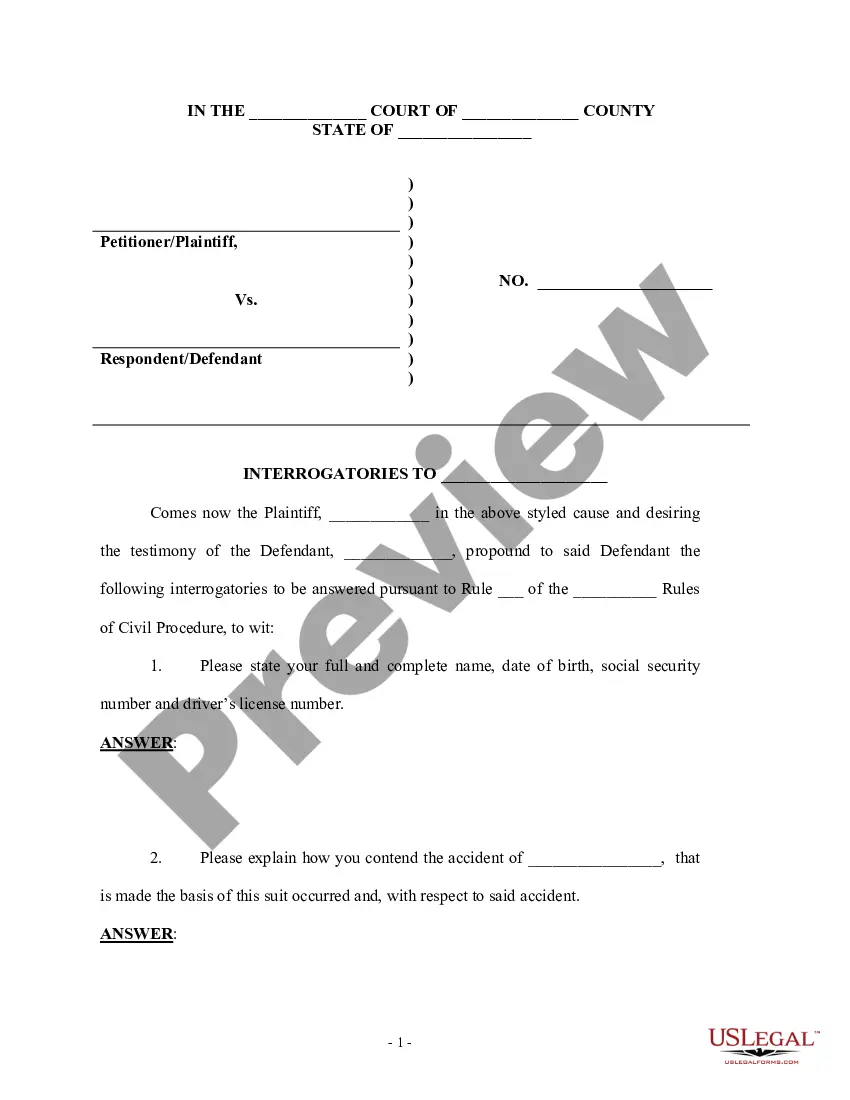
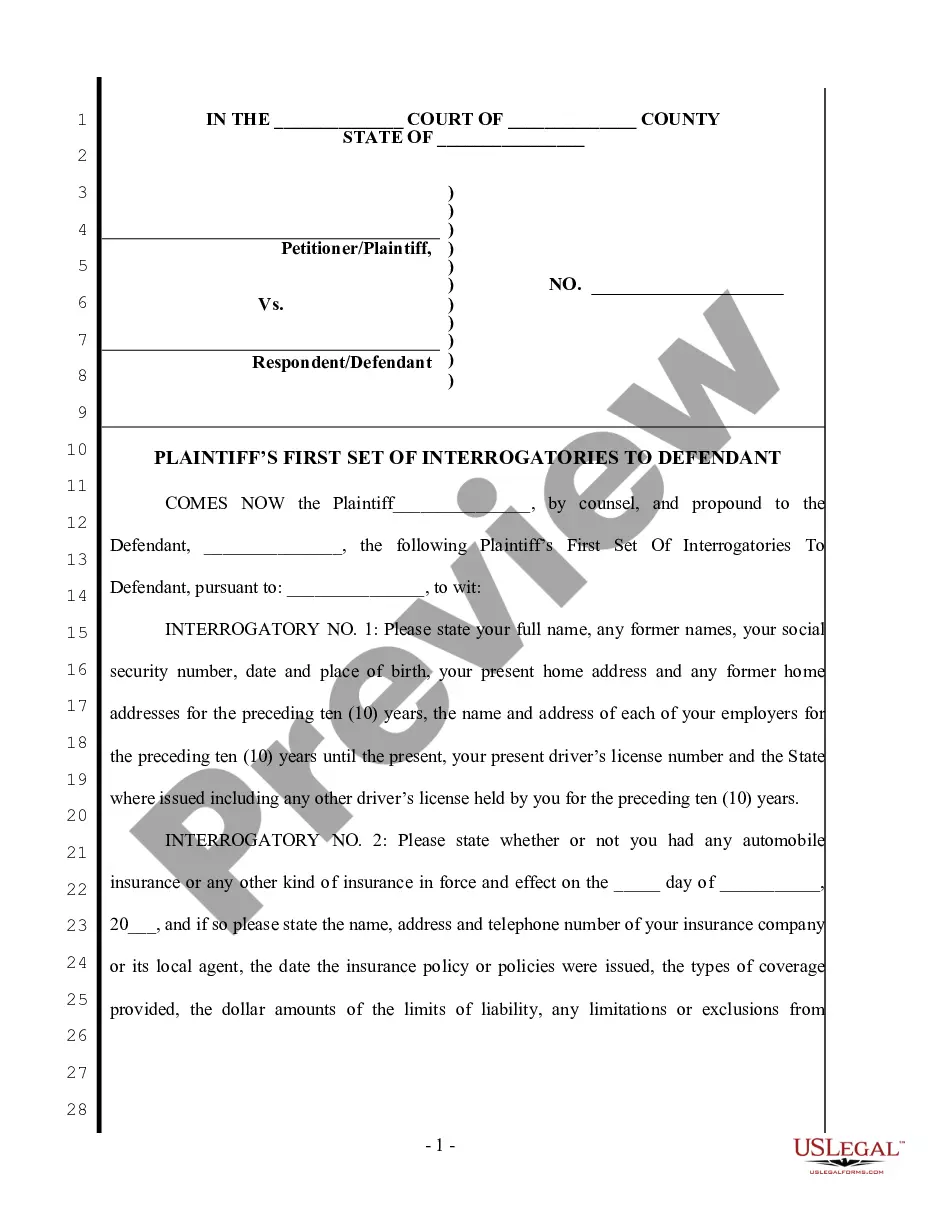
Questions can range from basic personal information to specifics about the accident, medical treatment, and any insurance coverage involved.
Typically, the plaintiff or their lawyer sends interrogatories to the defendant. They are part of the discovery process in a lawsuit.
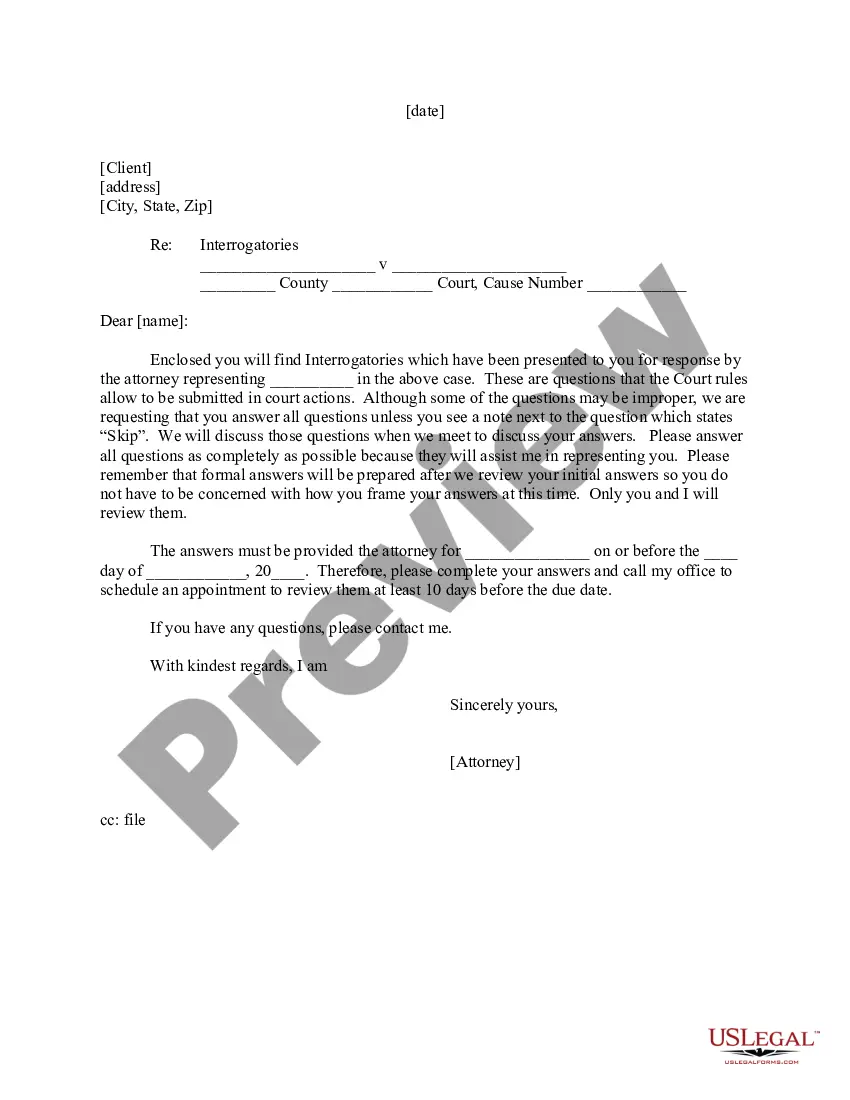
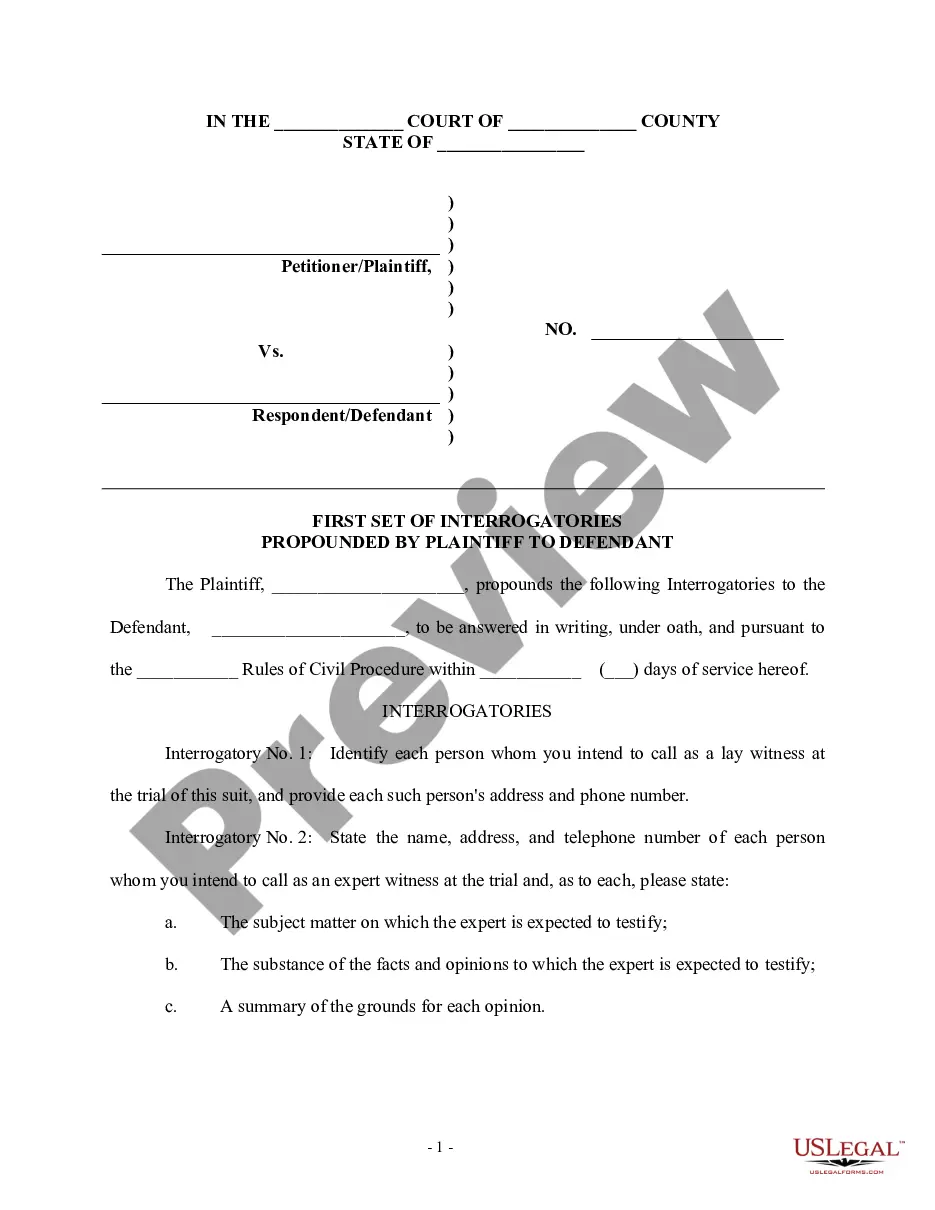
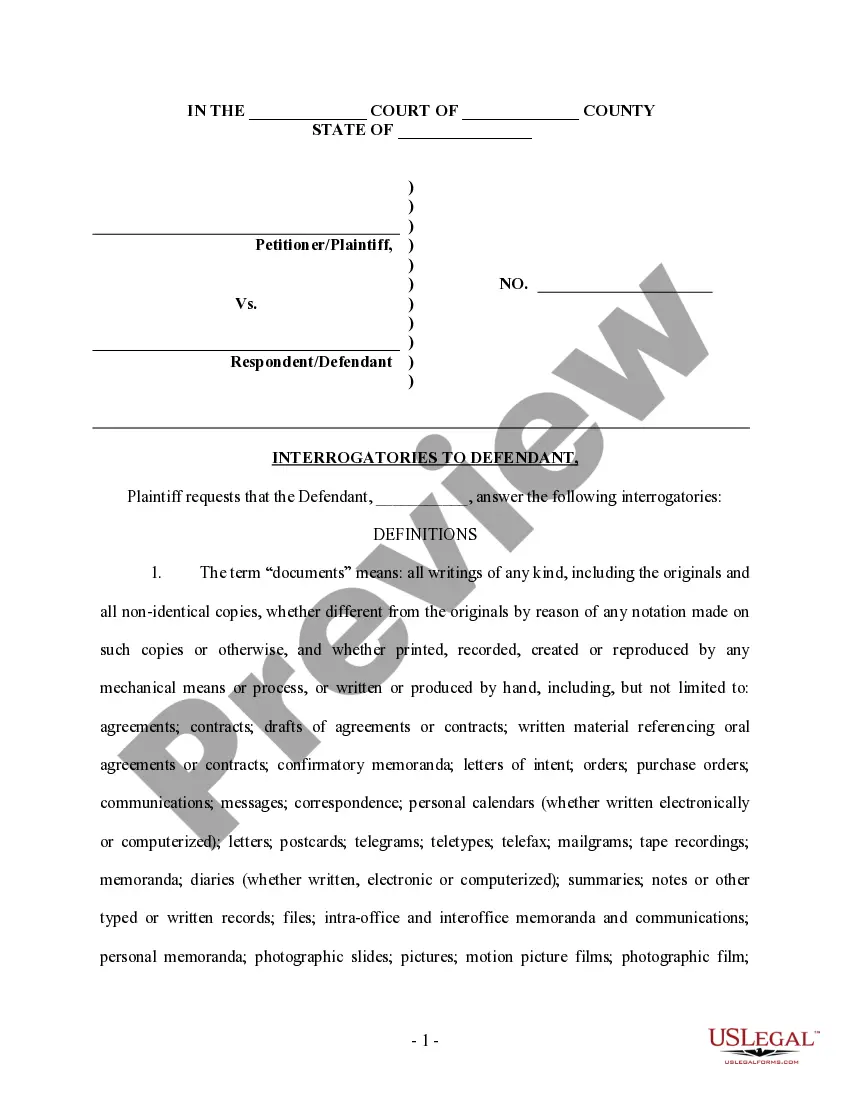
Interrogatories are written questions that one party sends to another party to get important information. In a personal injury case, they help gather details about the accident and injuries.