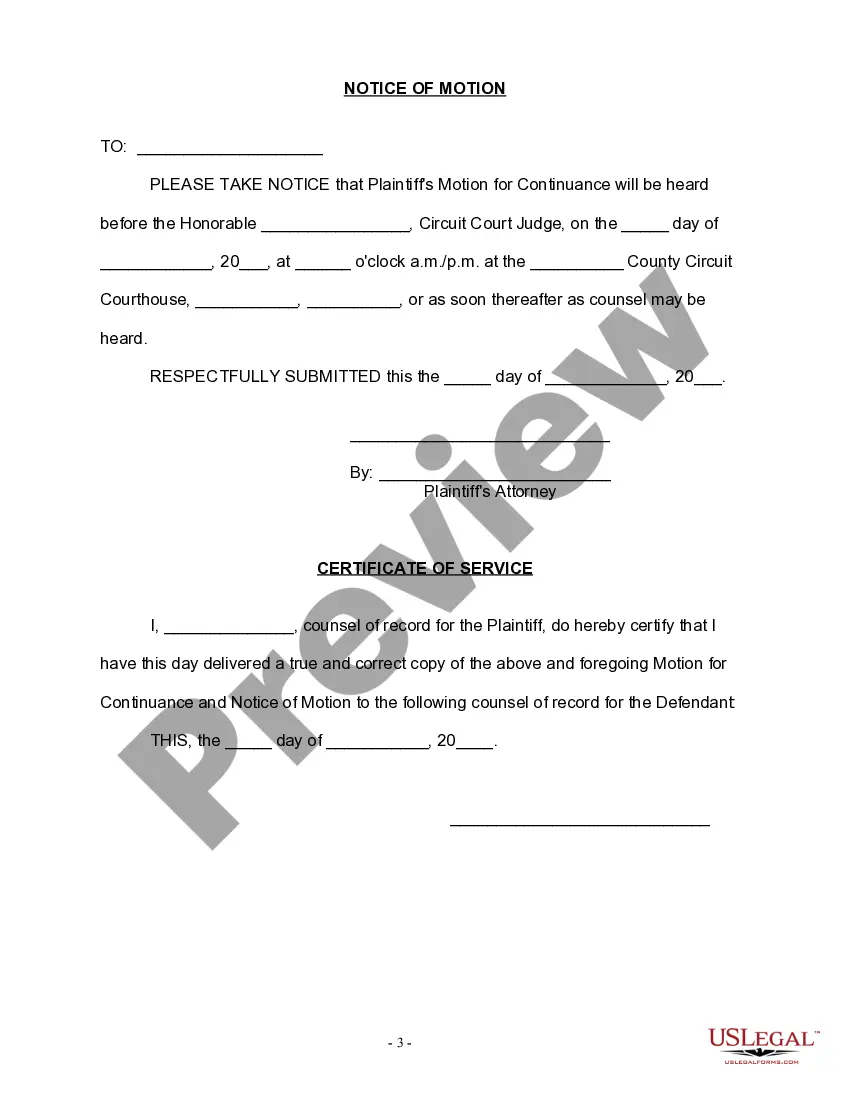
Yes, the other party will usually get notice of your motion. It’s all part of keeping things above board—everyone’s in the loop like a well-oiled machine.
If your motion is denied, you’ll still need to show up in court at the scheduled time. It’s like being told to keep moving forward, no matter what.
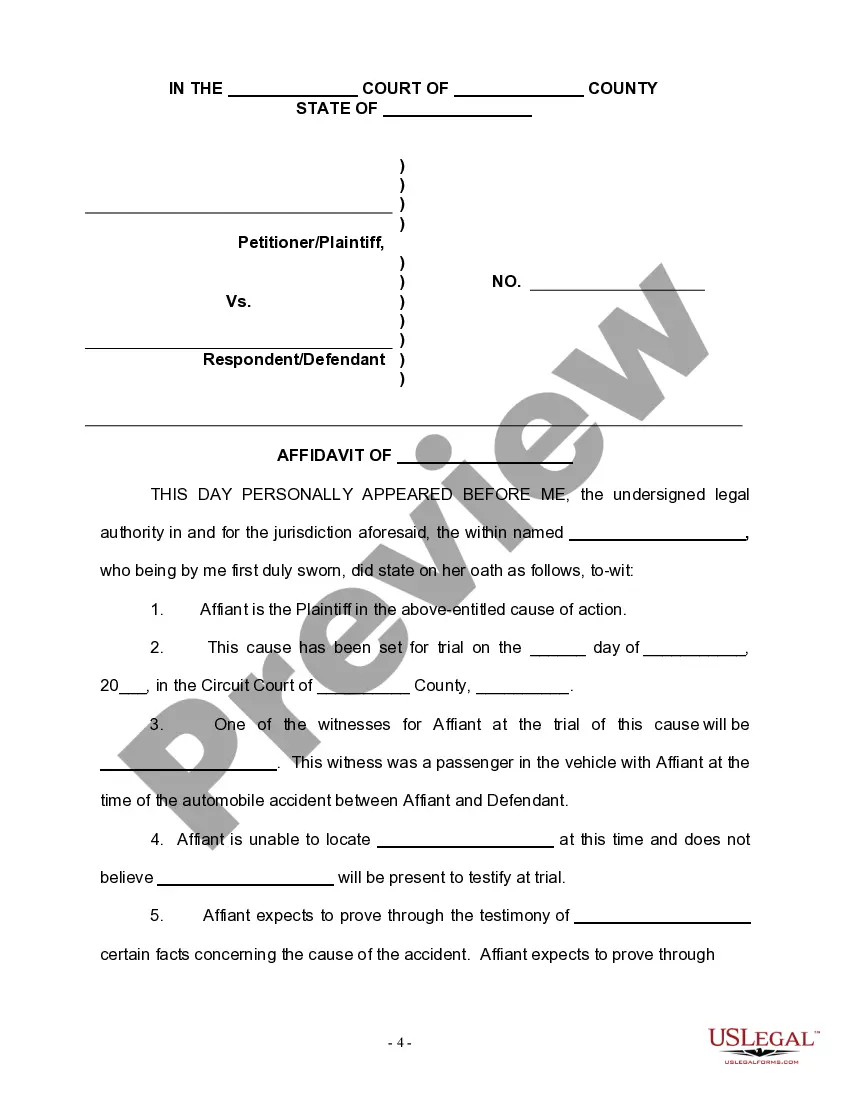
Yes, personal reasons or family emergencies can be valid grounds for a continuance. Just make sure you can back it up with some proof, like a good old-fashioned note from a doctor.
While there’s no hard and fast rule, too many requests might raise eyebrows. It's best to ask sparingly and only when necessary, like a stop sign at a busy intersection.
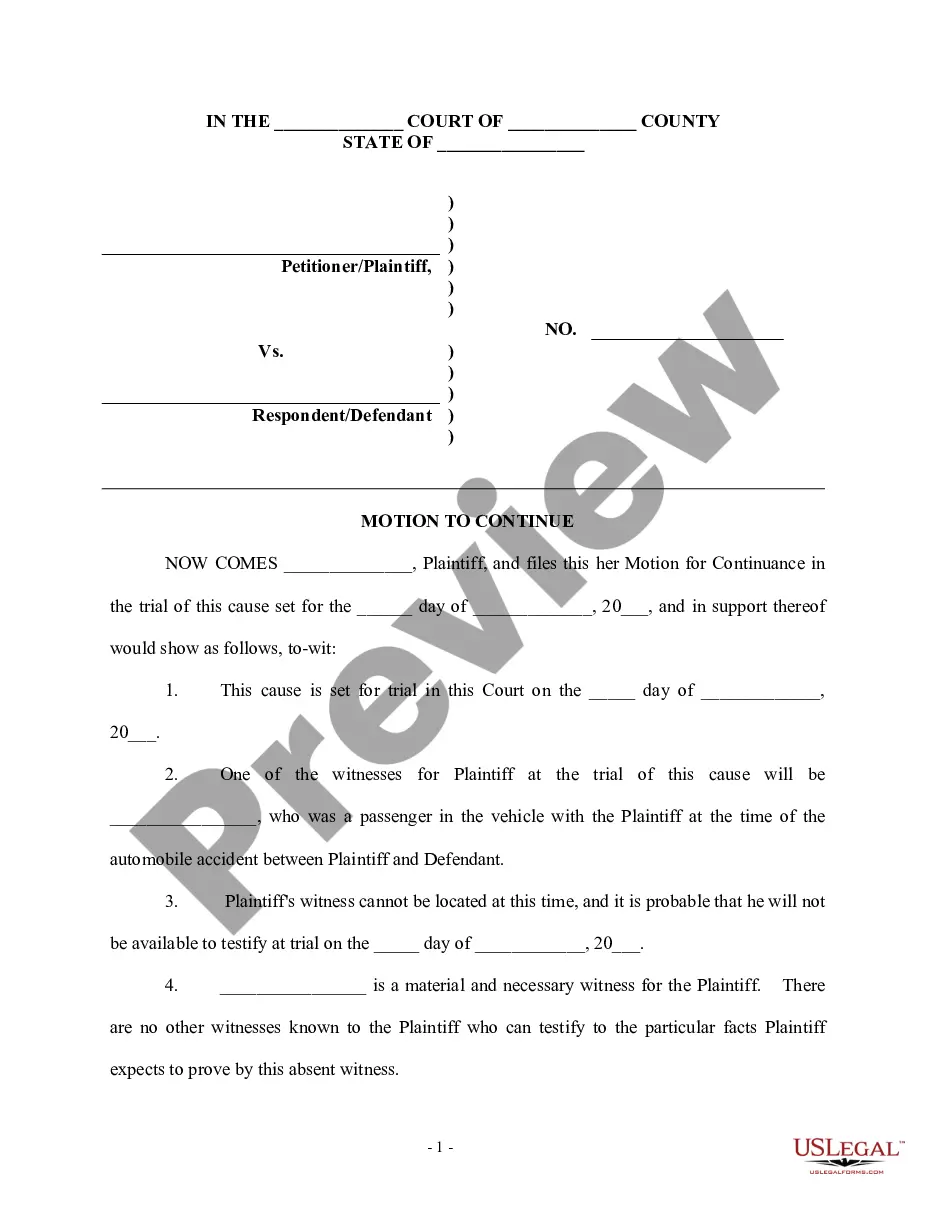
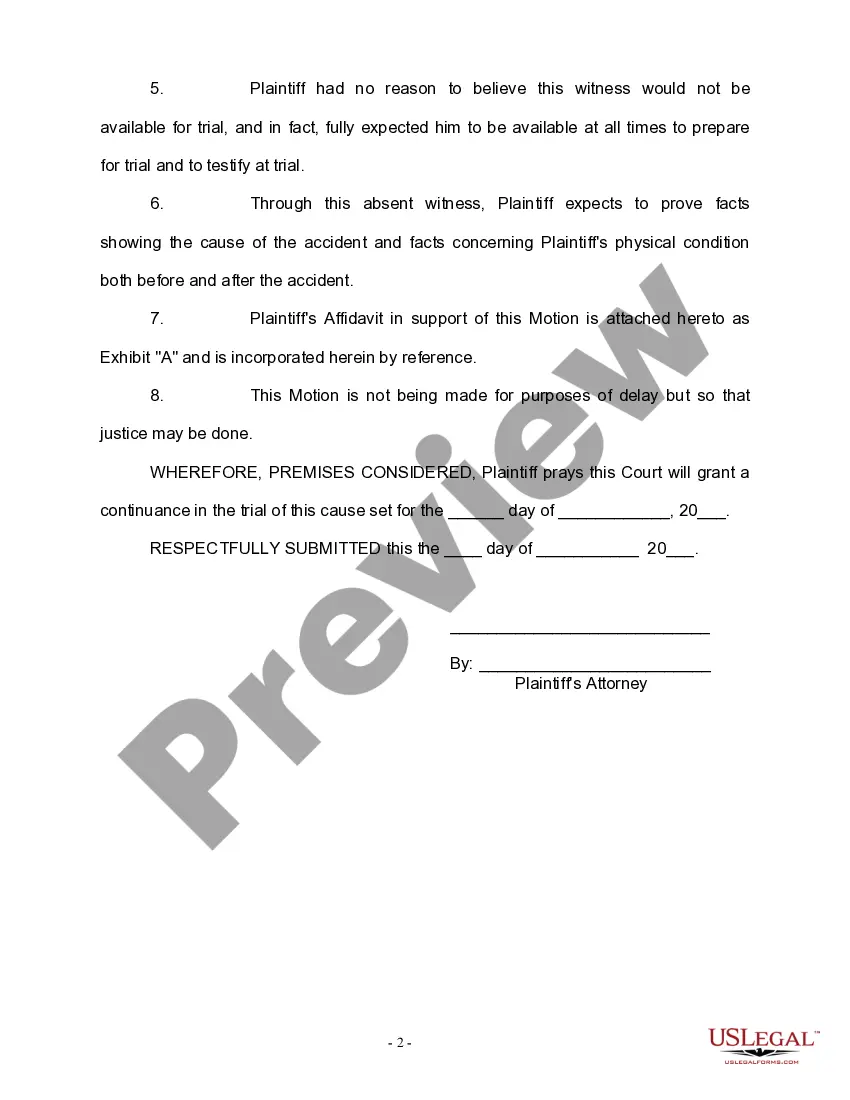
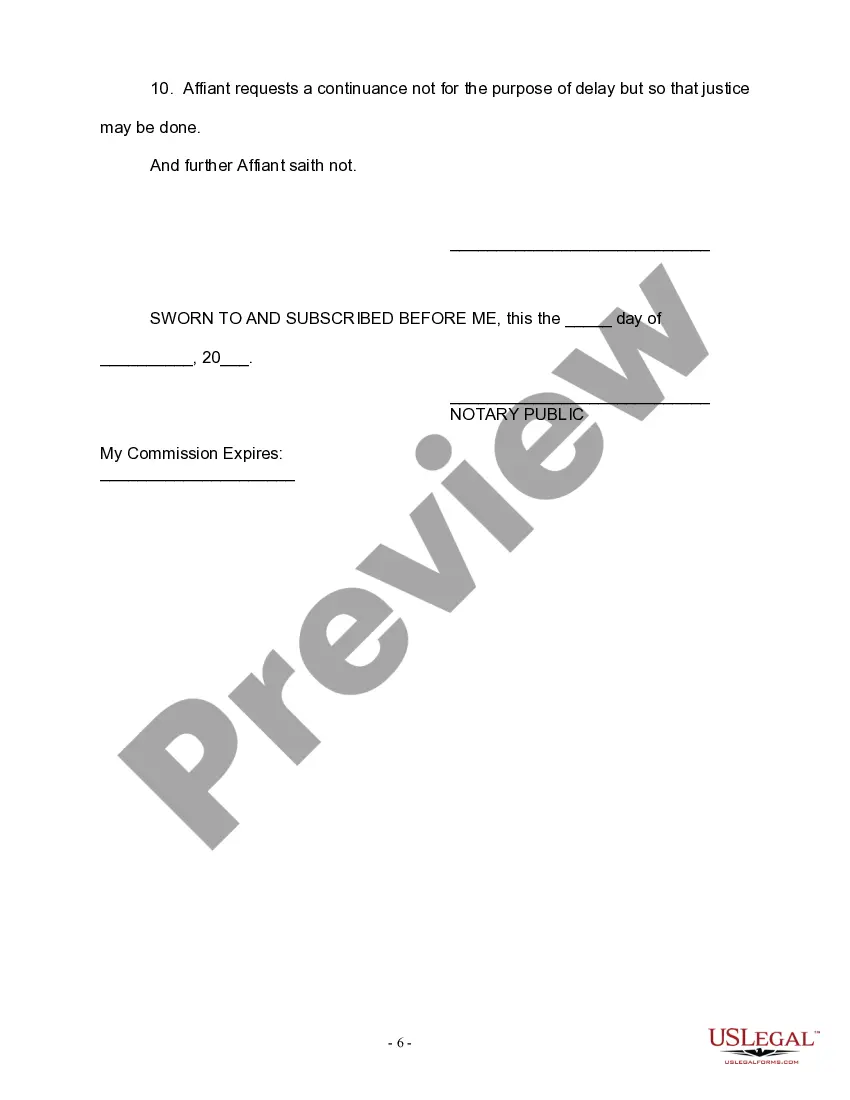
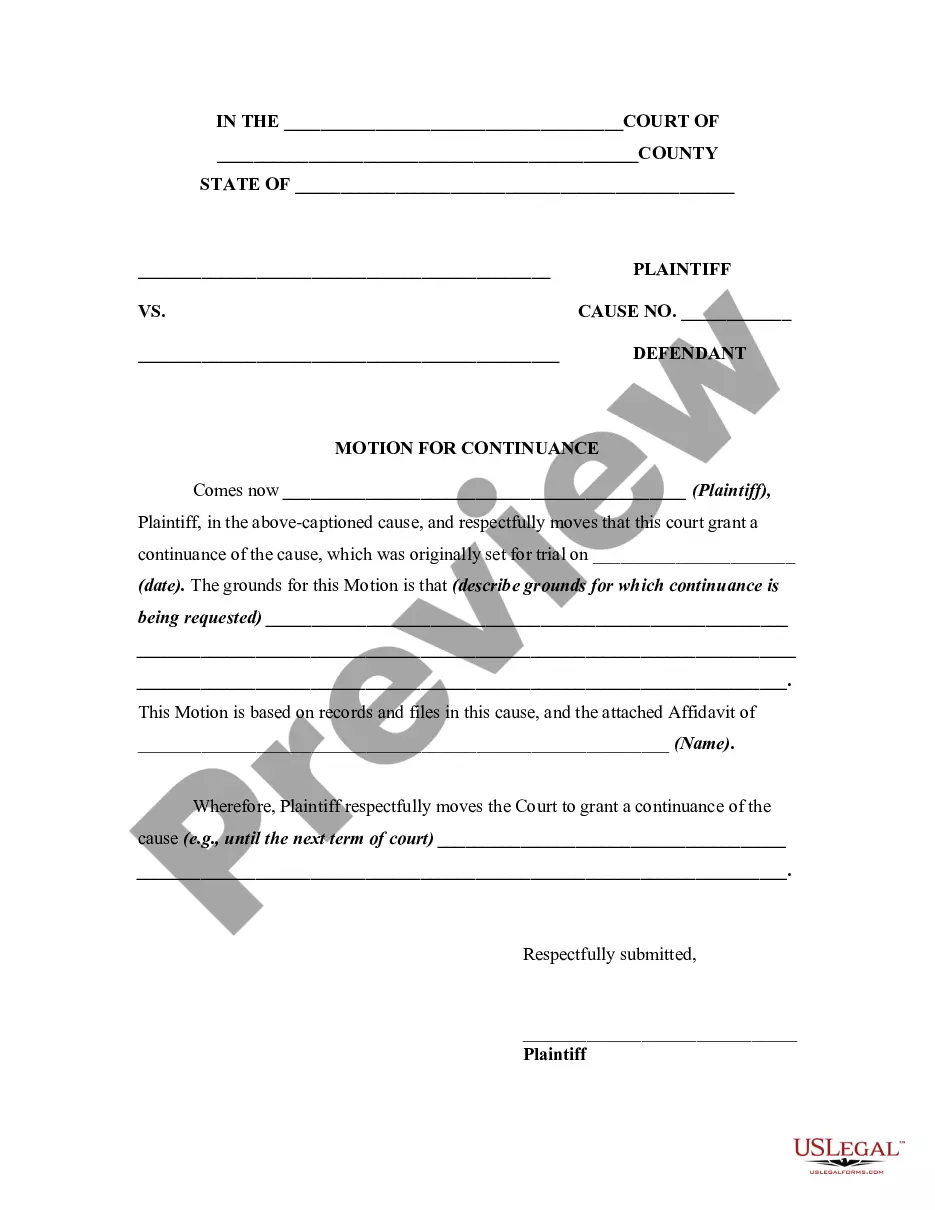
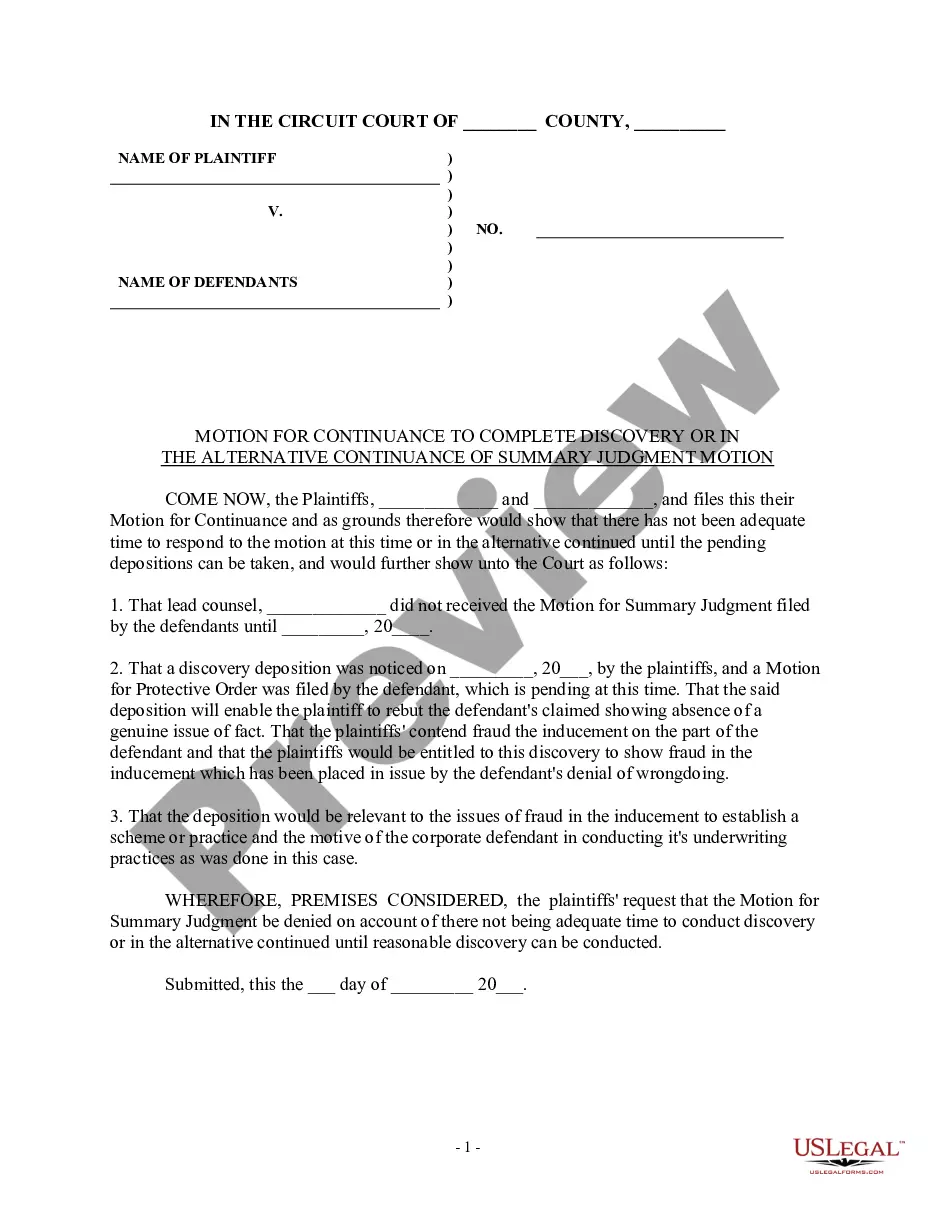
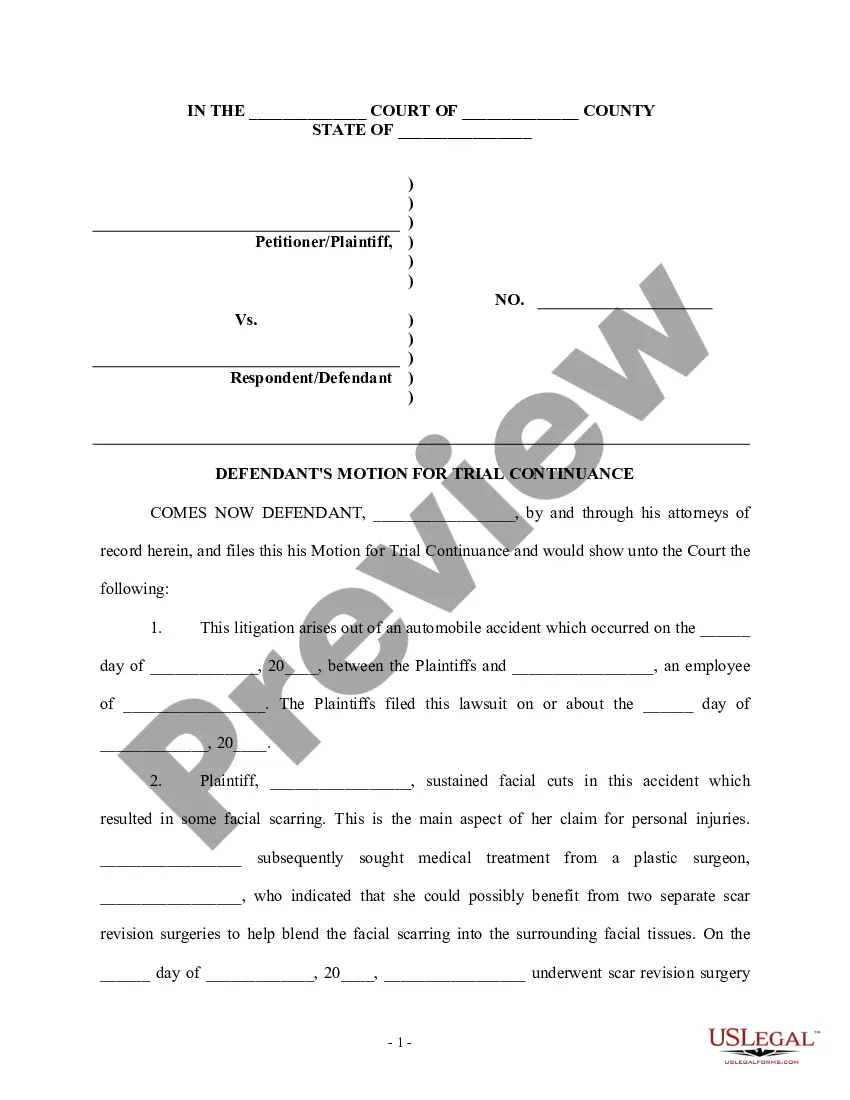
To file one, you'll need to draft a written request stating your reasons clearly. Think of it as writing a letter to the judge saying, 'I’m requesting more time, and here’s why.'
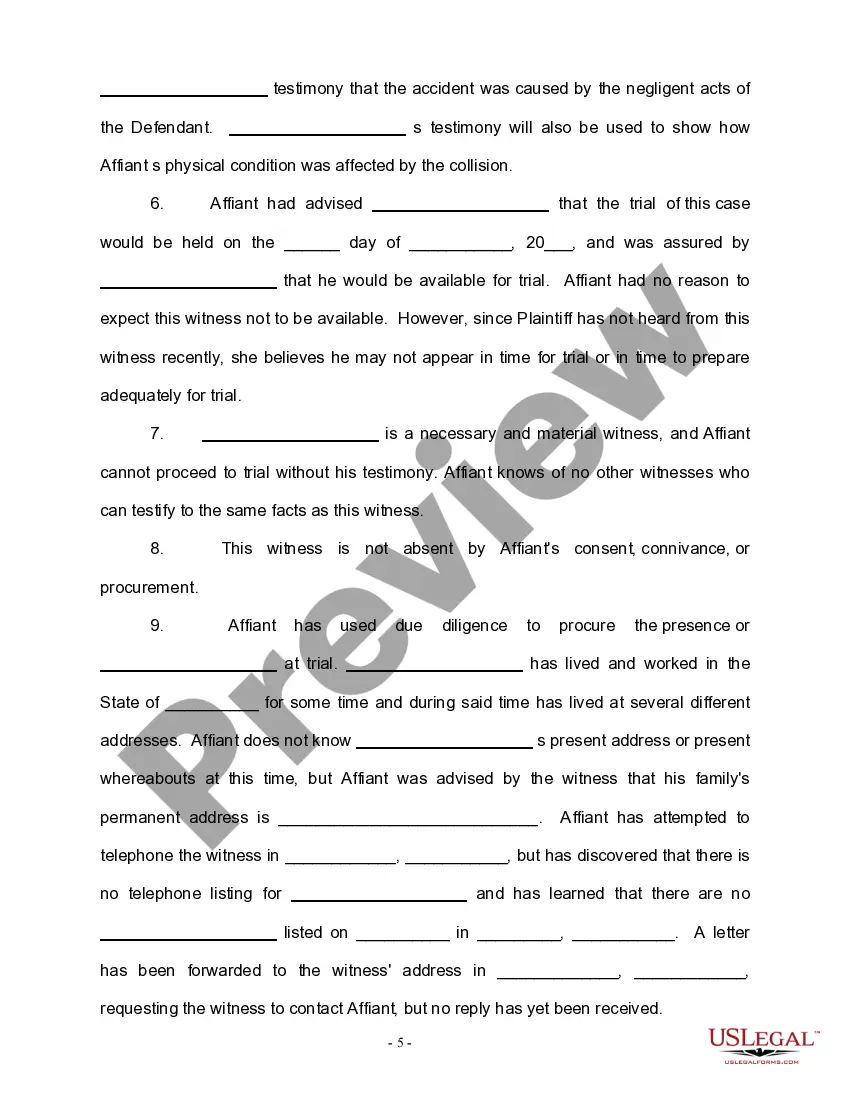
You should file it when you genuinely need more time, like when key evidence is missing or if a witness can't make it to court. It's about being fair and giving yourself a fighting chance.
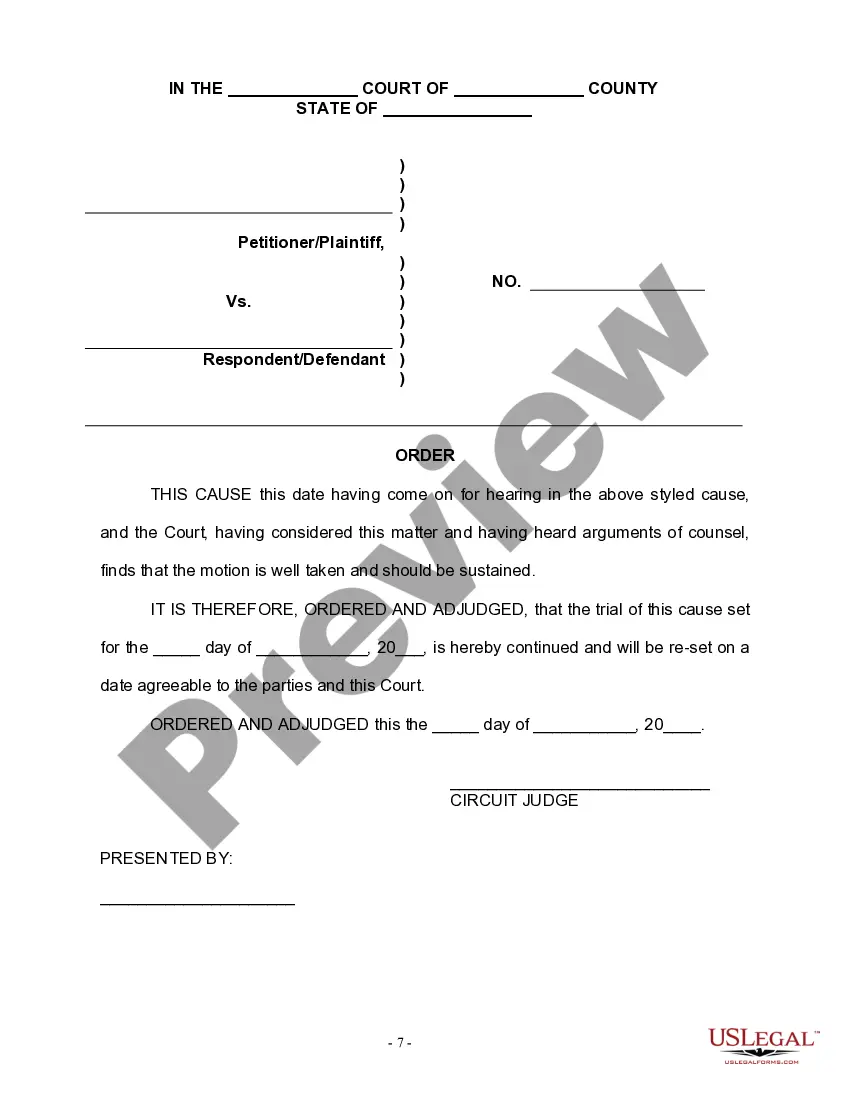
A motion for continuance is a request to delay the court proceedings in a personal injury case. It’s like saying, 'Hold your horses; I need more time to prepare my case.'