While it's not required, having a lawyer can really help guide you through the legalese and improve your chances of success. It's like having a seasoned captain steer your ship through choppy waters!
Yes, there are deadlines, and they can be pretty strict. Usually, you have a limited time after the jury's decision to file your motion, so it’s vital to stay on top of things!
If your JNOV motion is granted, the judge typically enters a different verdict or orders a new trial. It’s like hitting the reset button on the whole situation!
Yes, if the court grants or denies your motion for JNOV, you can take that decision to a higher court. Think of it as a second chance to challenge the call!
To win a motion for JNOV, you generally need to show that the evidence presented at trial was so weak that no reasonable jury could have reached that verdict. In simple terms, you need to prove that the jury was off base!
You can file a motion for JNOV after a trial ends and a jury has made its decision, usually within a specific time frame set by the court. It's your shot to say, 'This isn’t how it should be!'
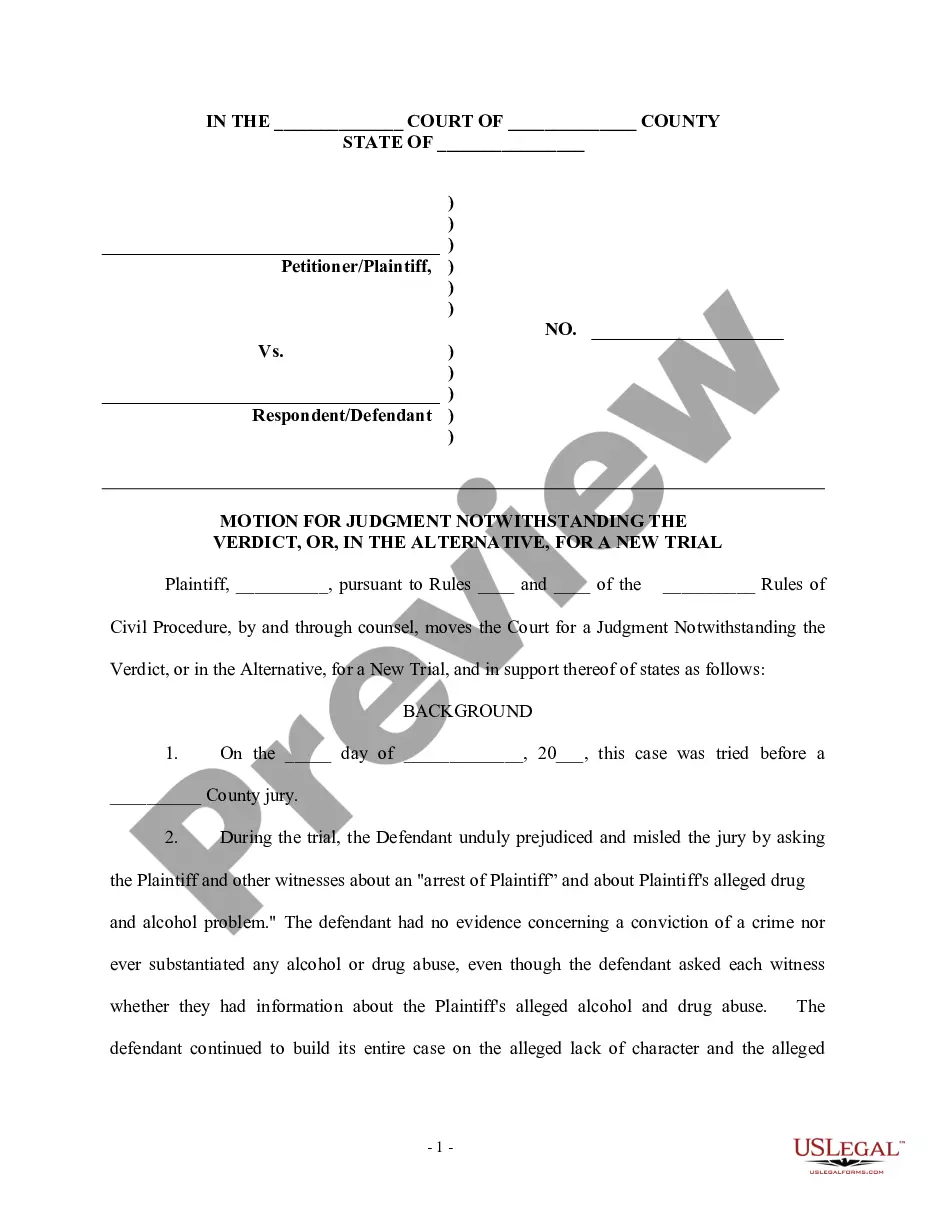
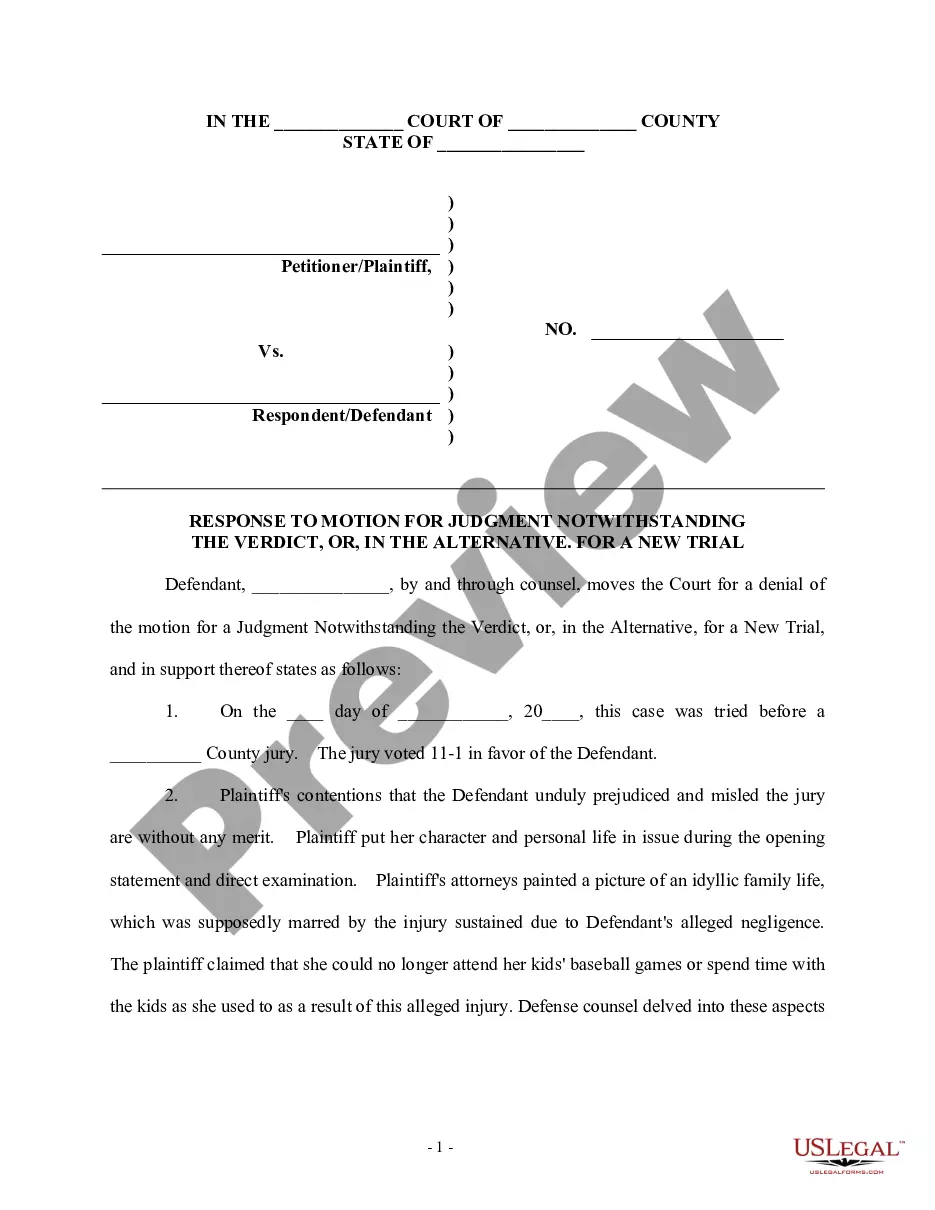
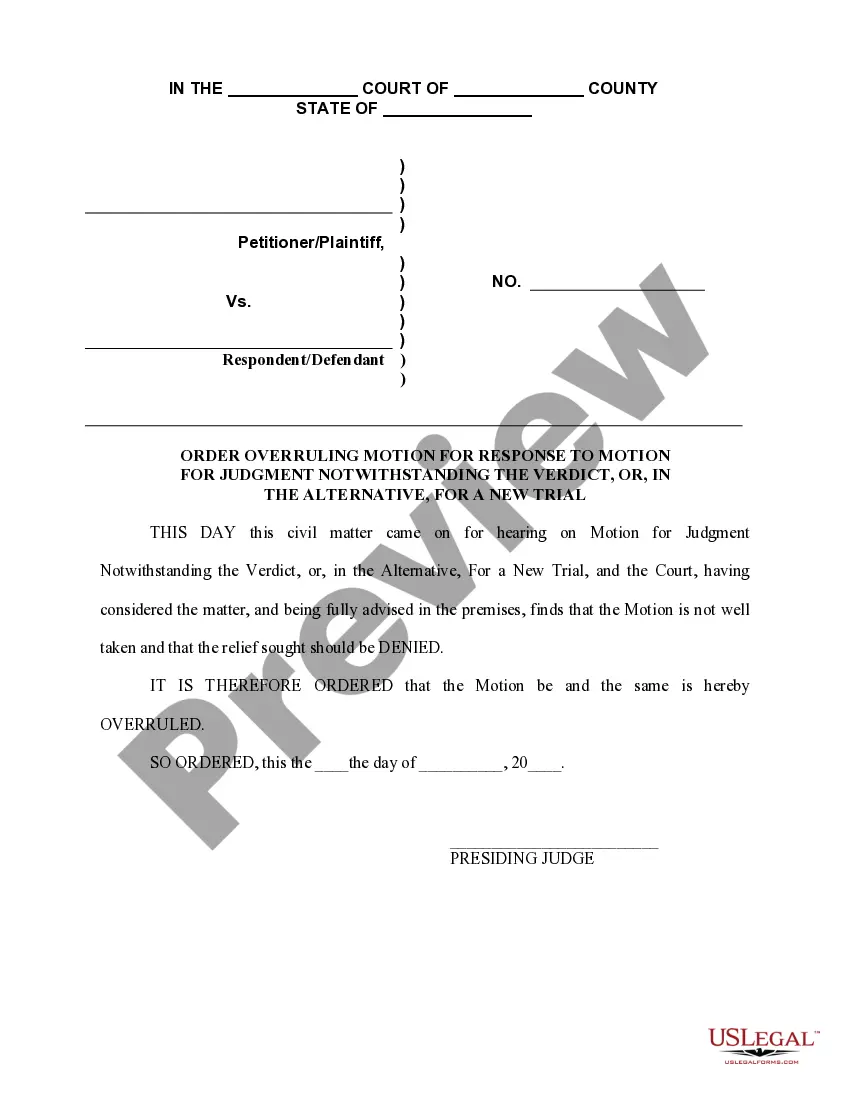
A motion for JNOV, or Judgment Notwithstanding the Verdict, is a request to the court to overturn the jury's decision because the evidence doesn't support it. It's like saying, 'Hey, this verdict doesn’t hold water!'