Absolutely! It’s always a smart move to consult a lawyer who can help ensure you fully understand what you’re signing and the implications it carries.
You’re typically giving up your right to sue for damages or pursue any claims against the person or entity that you’re releasing, so it's like shutting the door behind you.
Yes, sometimes there are exceptions, particularly if fraud or misconduct is involved, but that can be a tricky road to navigate.
Once you’ve signed, it’s usually tough to turn back the clock; generally, these releases are final, so it’s wise to think it through.
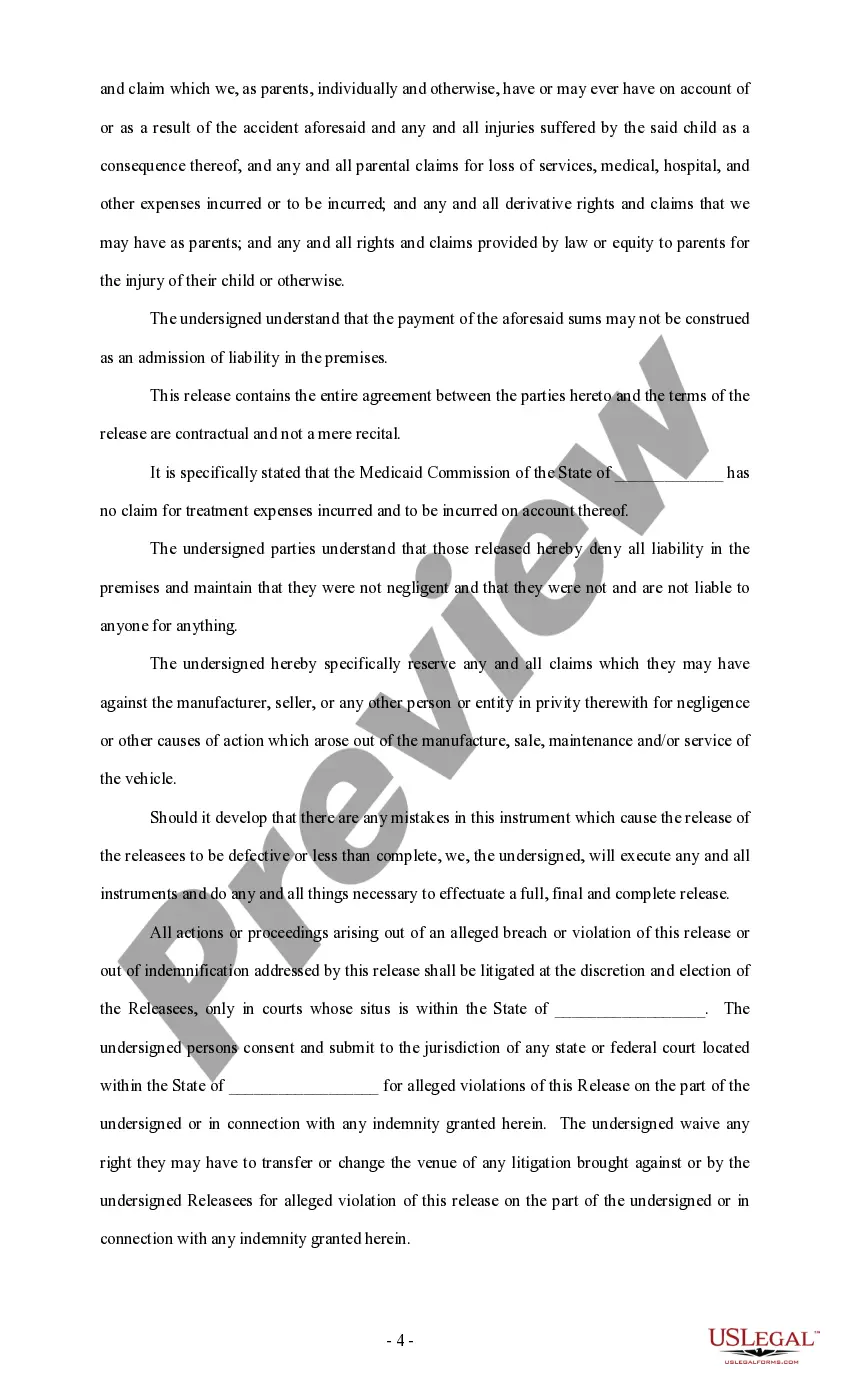
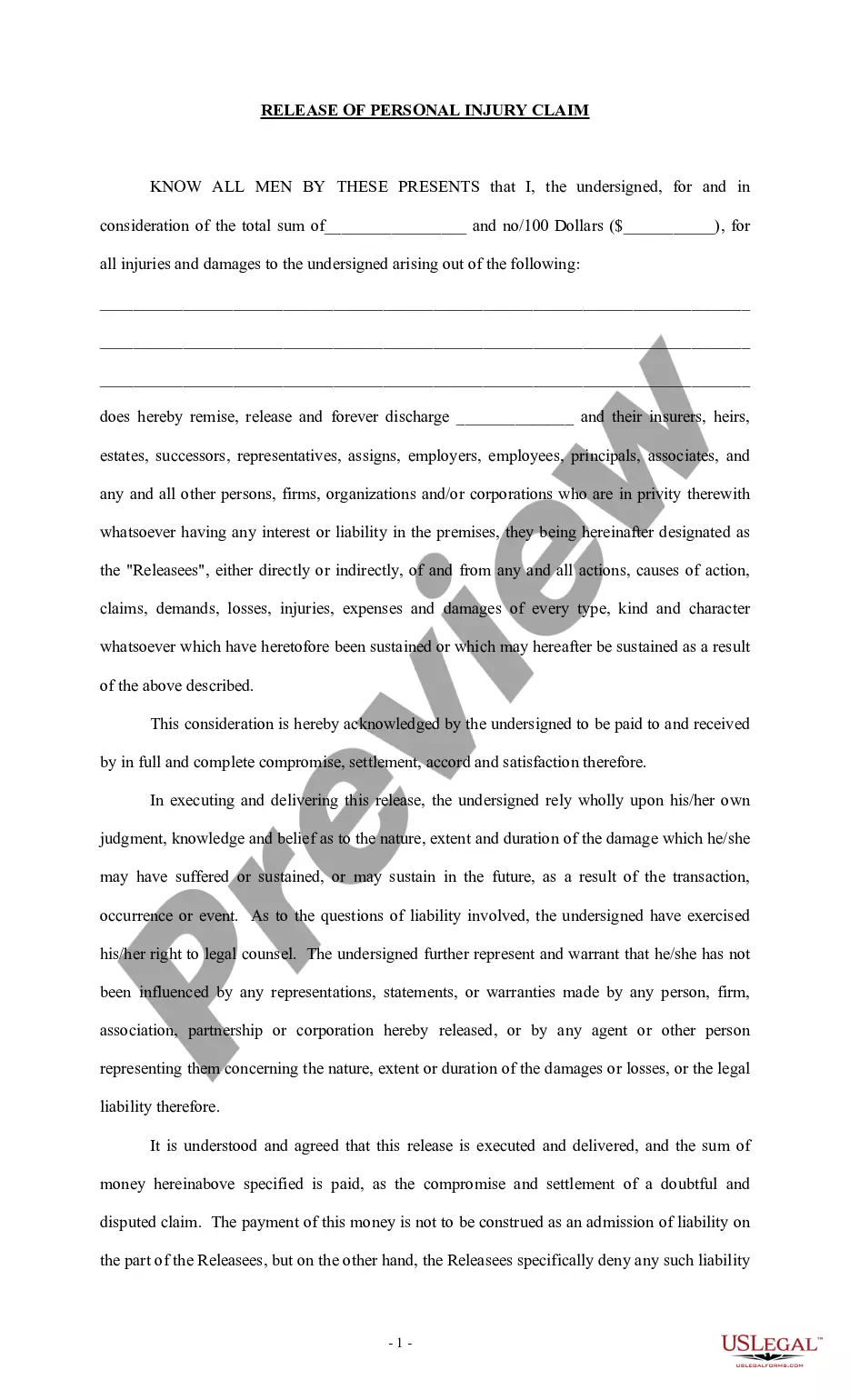
By signing an Absolute Release, you’re saying 'I won’t pursue any further claims' against the party involved, which can close the door on any future lawsuits related to the incident.
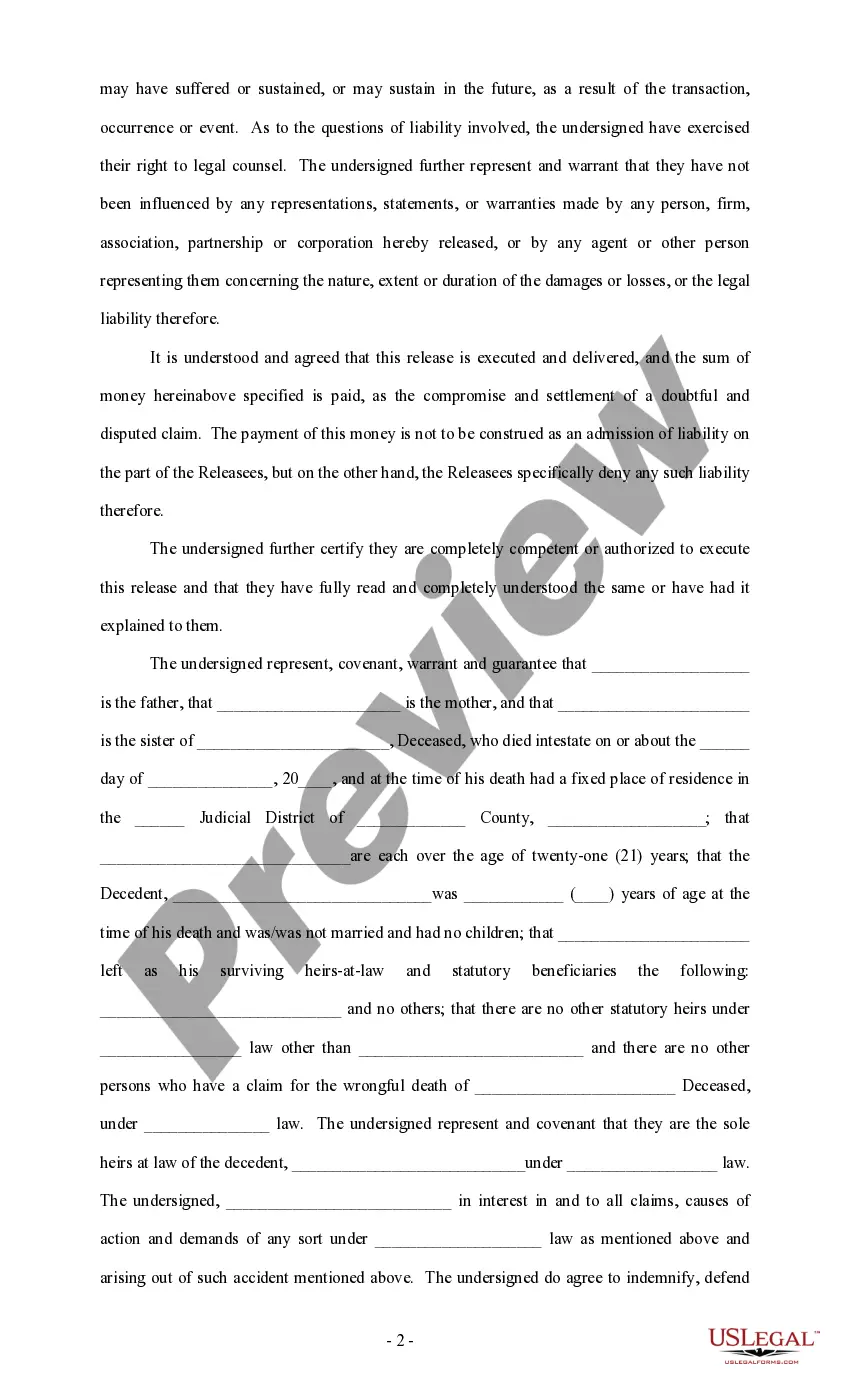
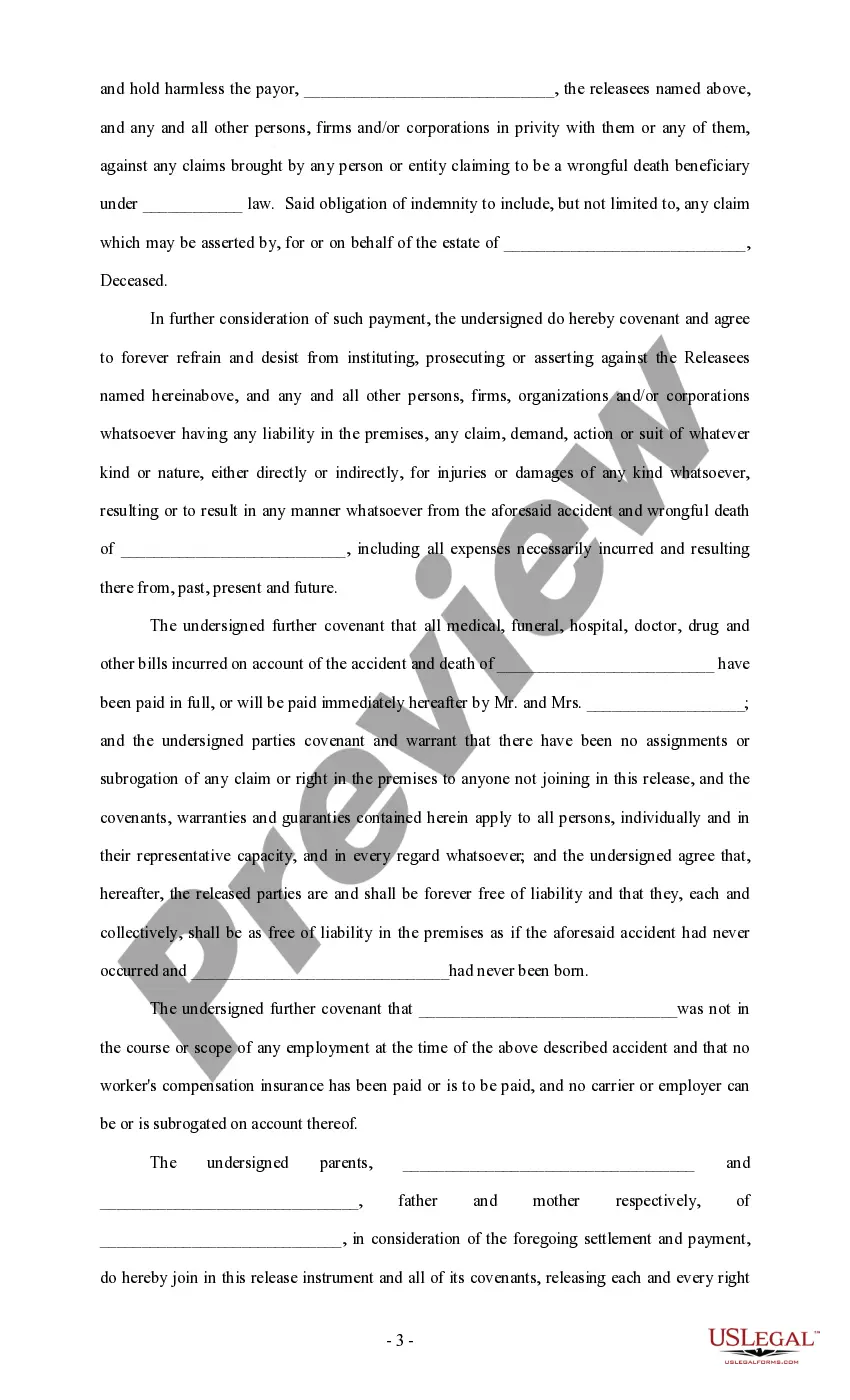
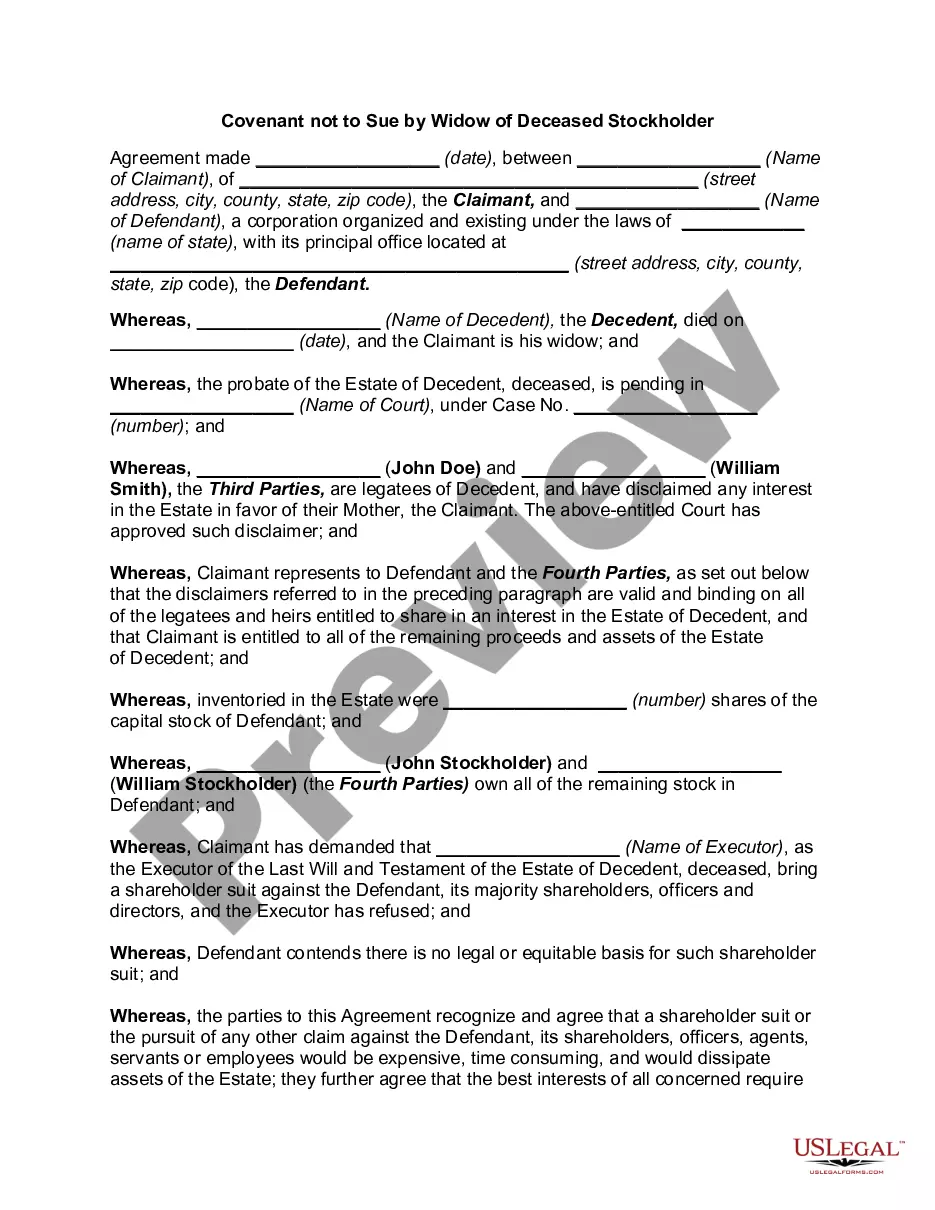
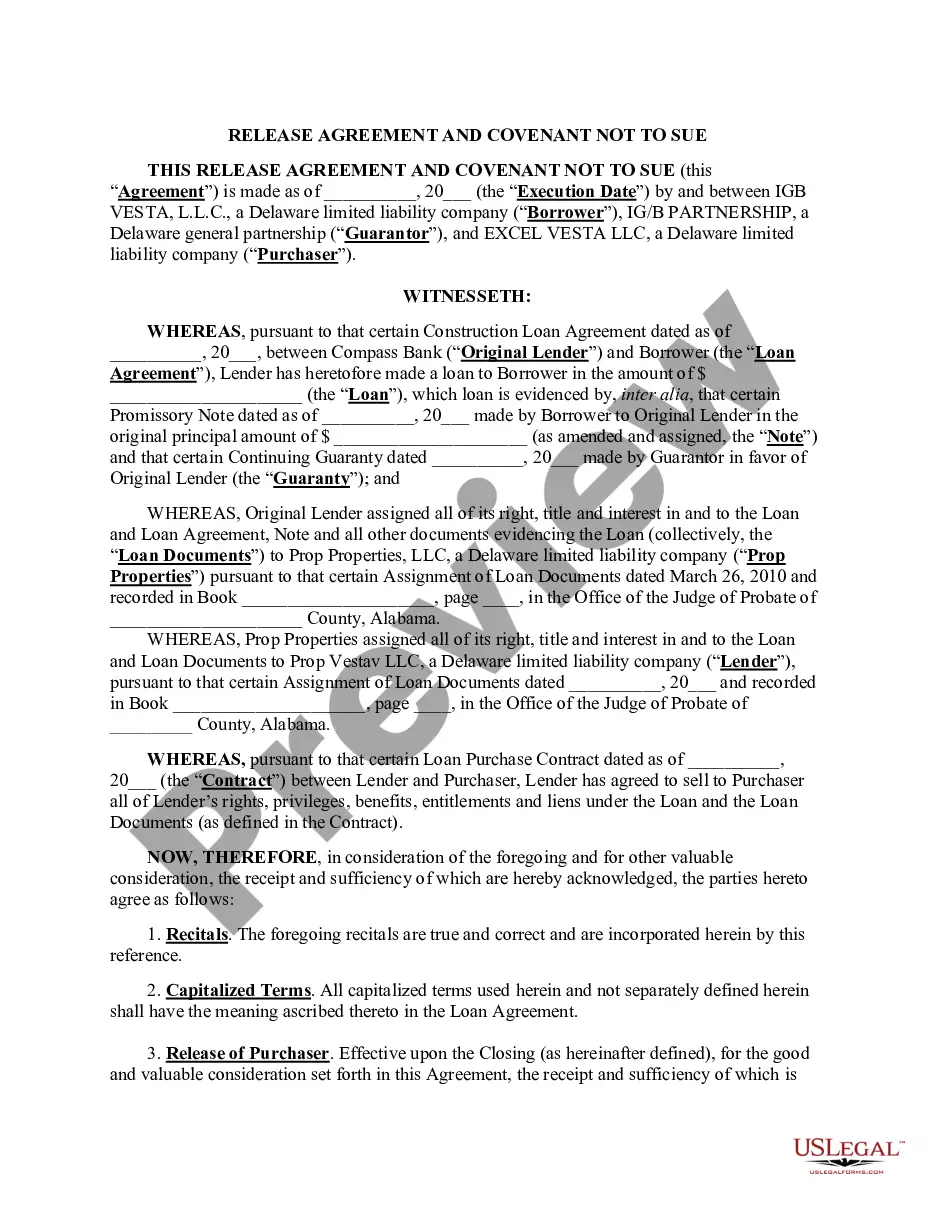
Covenants are promises or agreements included in the release document that ensure certain actions will or won’t be taken in the future, basically laying down some ground rules.
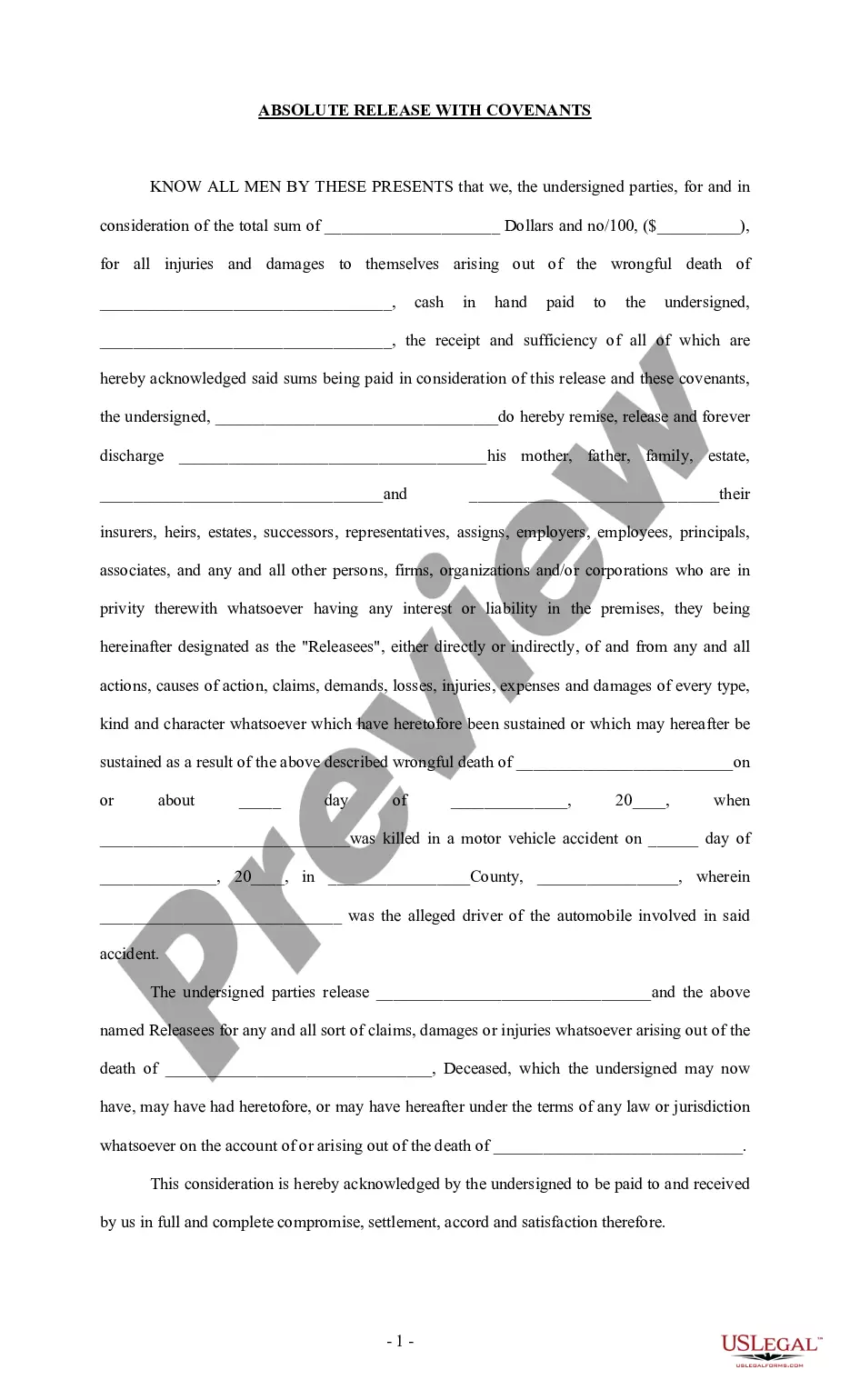
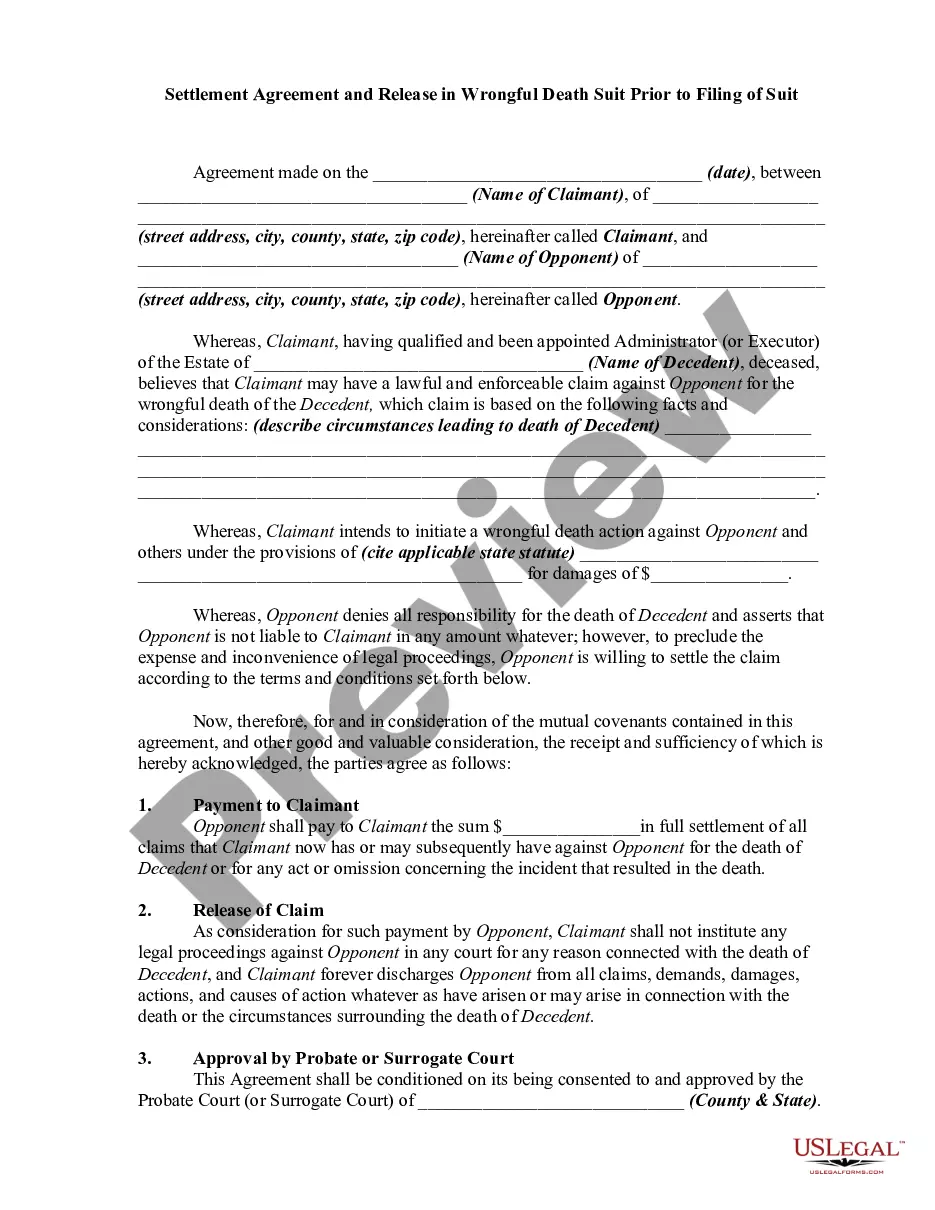
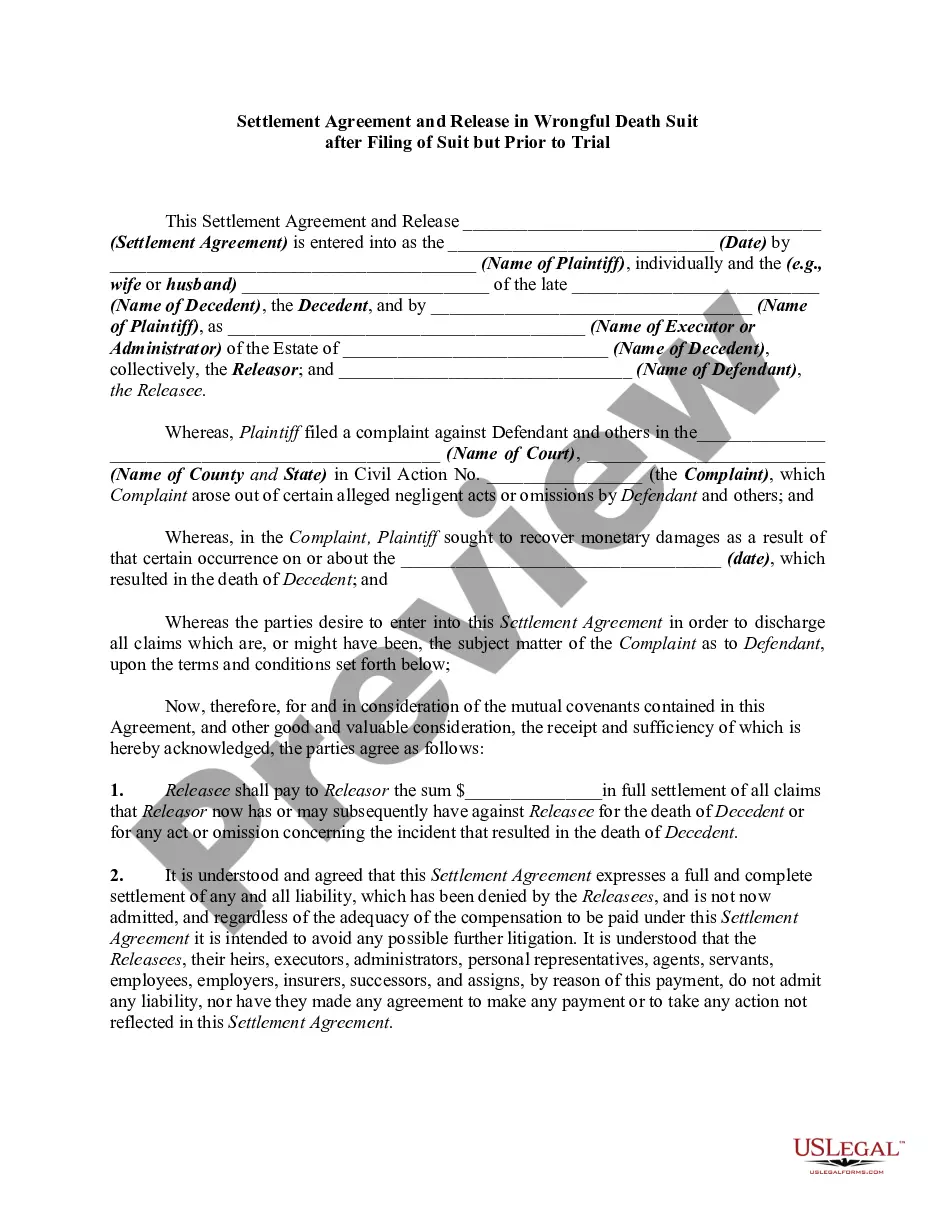
An Absolute Release is a legal document that allows someone to give up any claims or rights they might have against another party, often related to a wrongful death case.