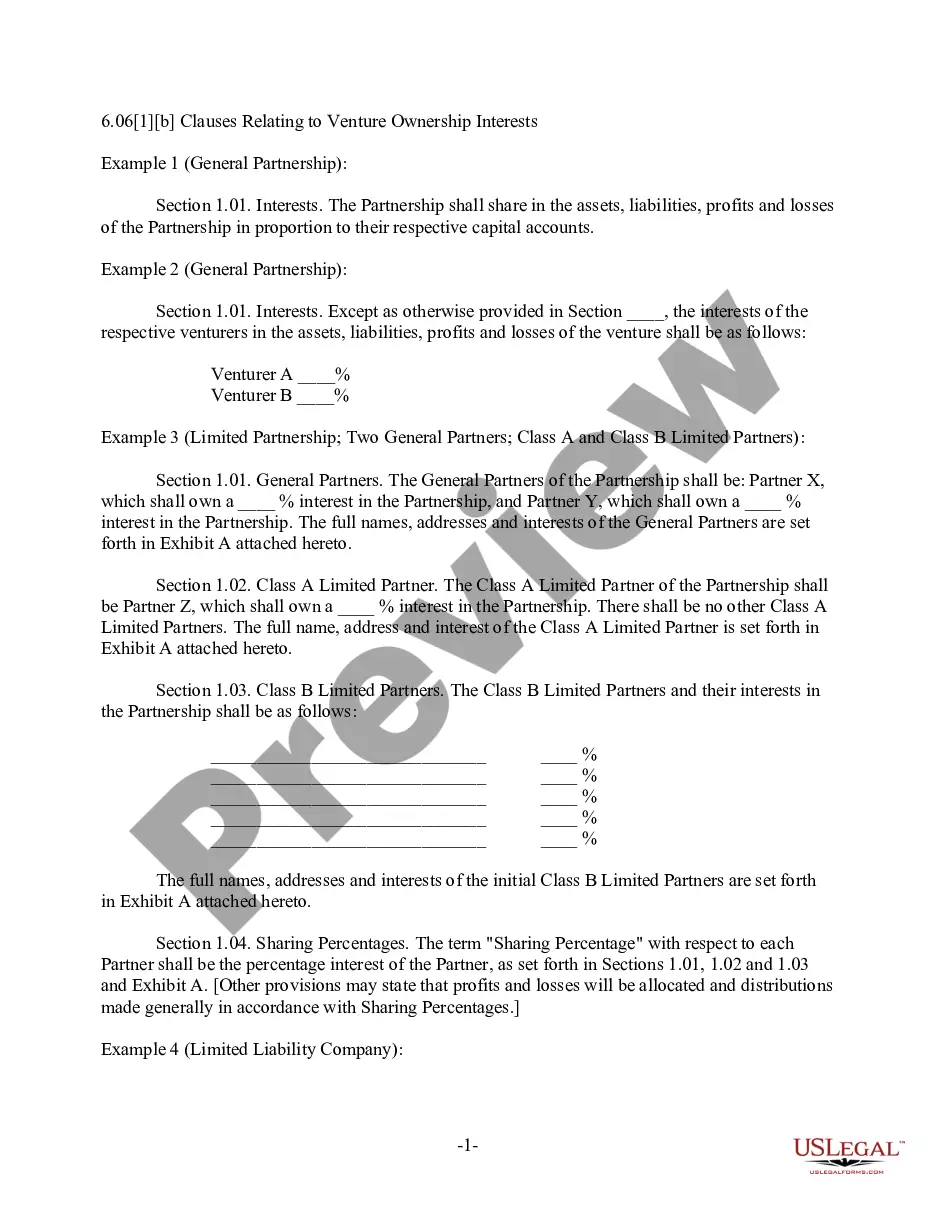
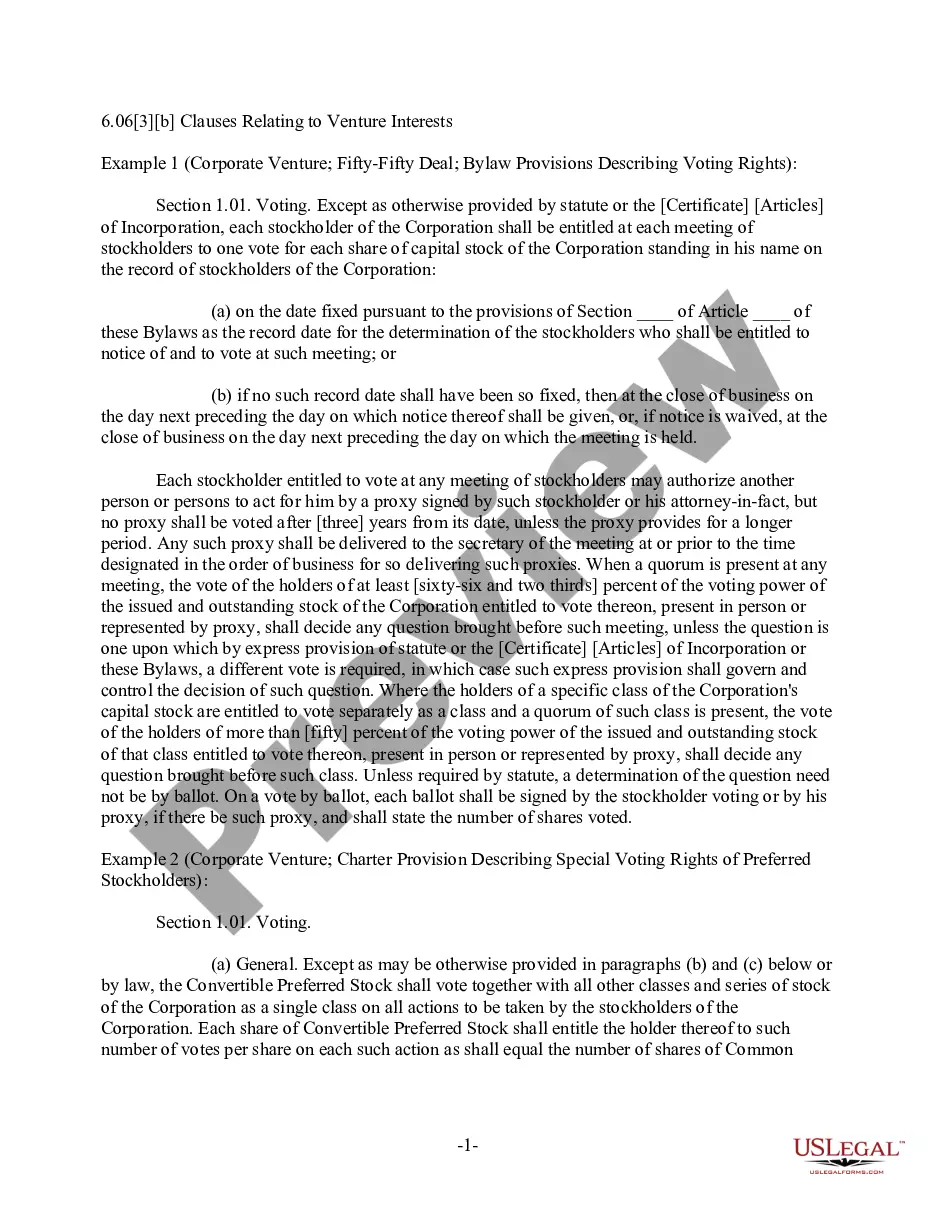
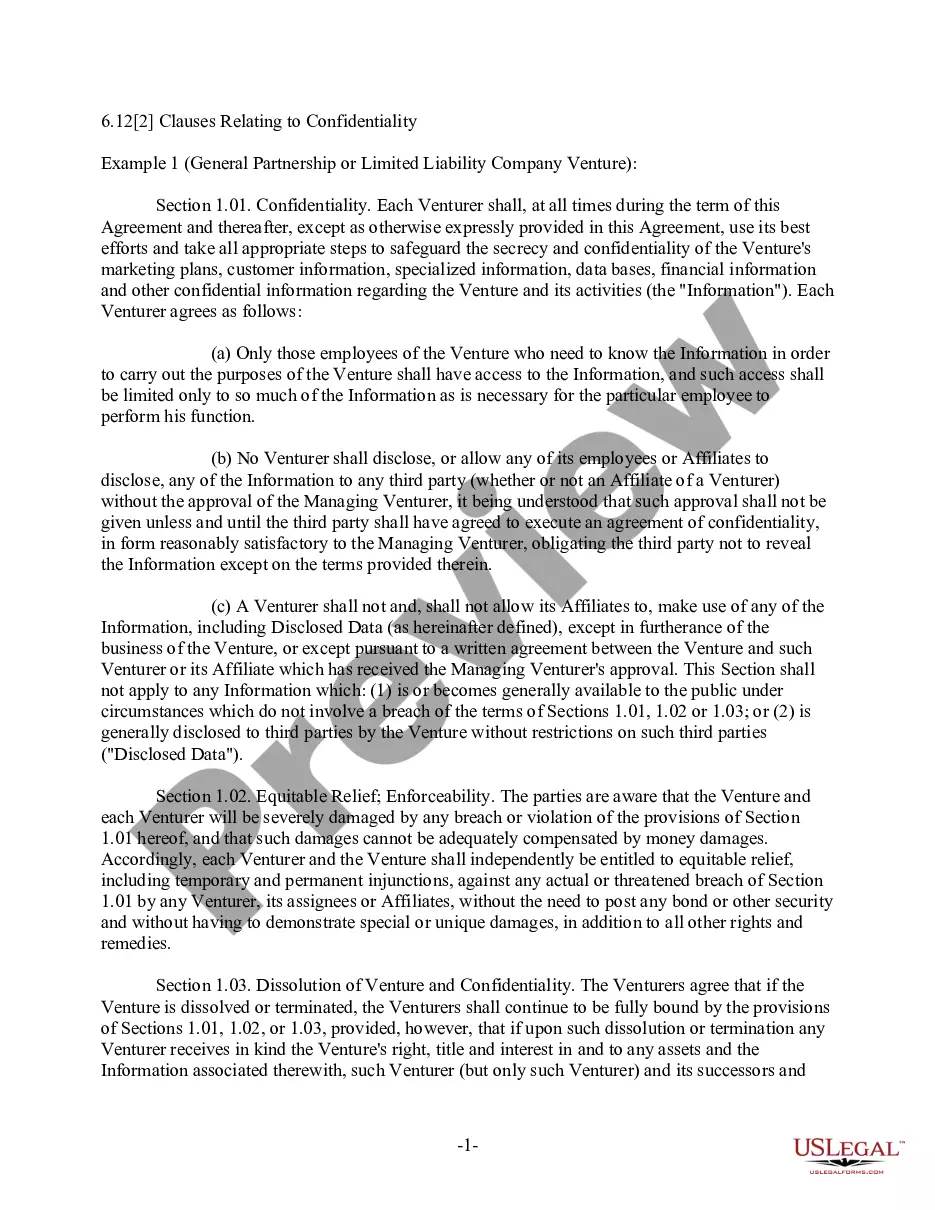
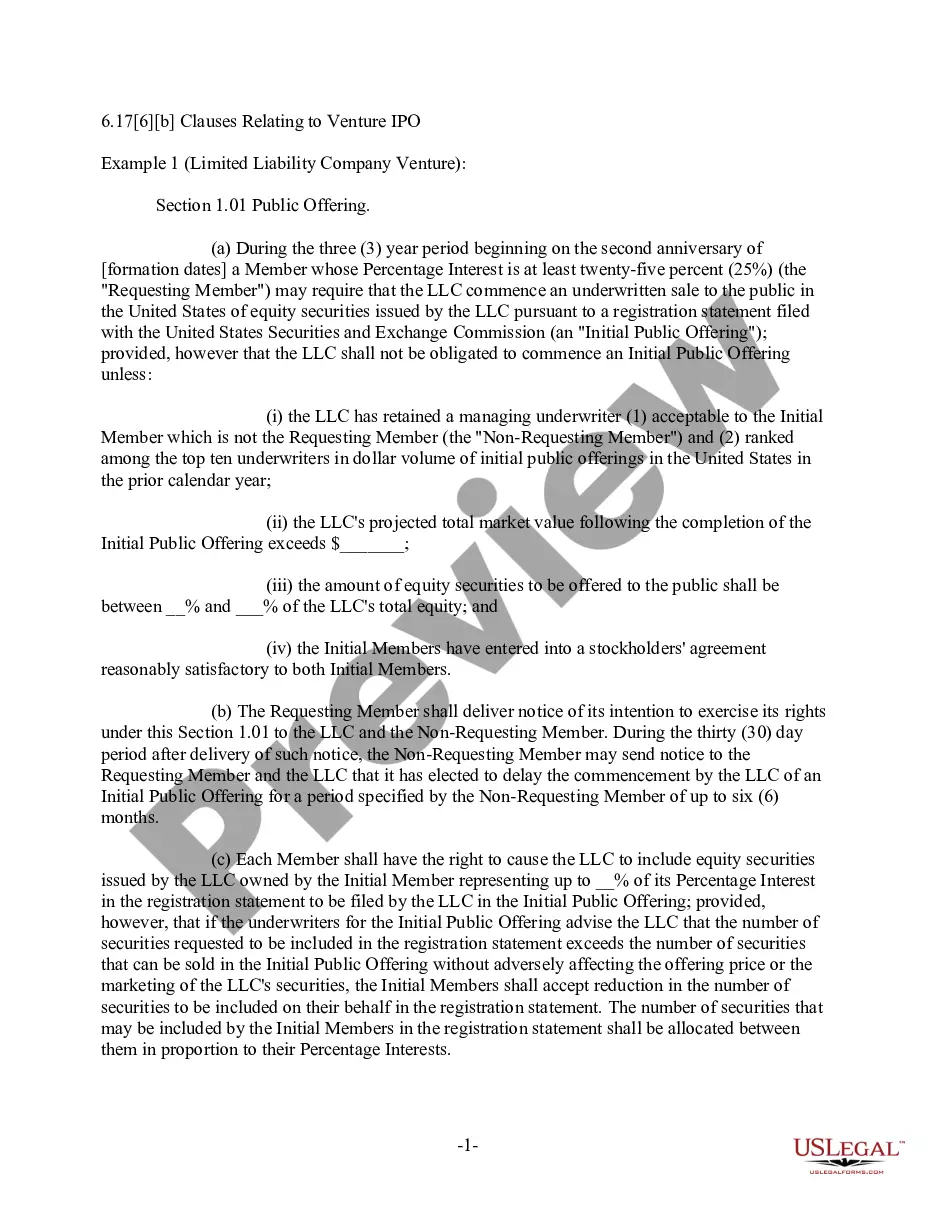
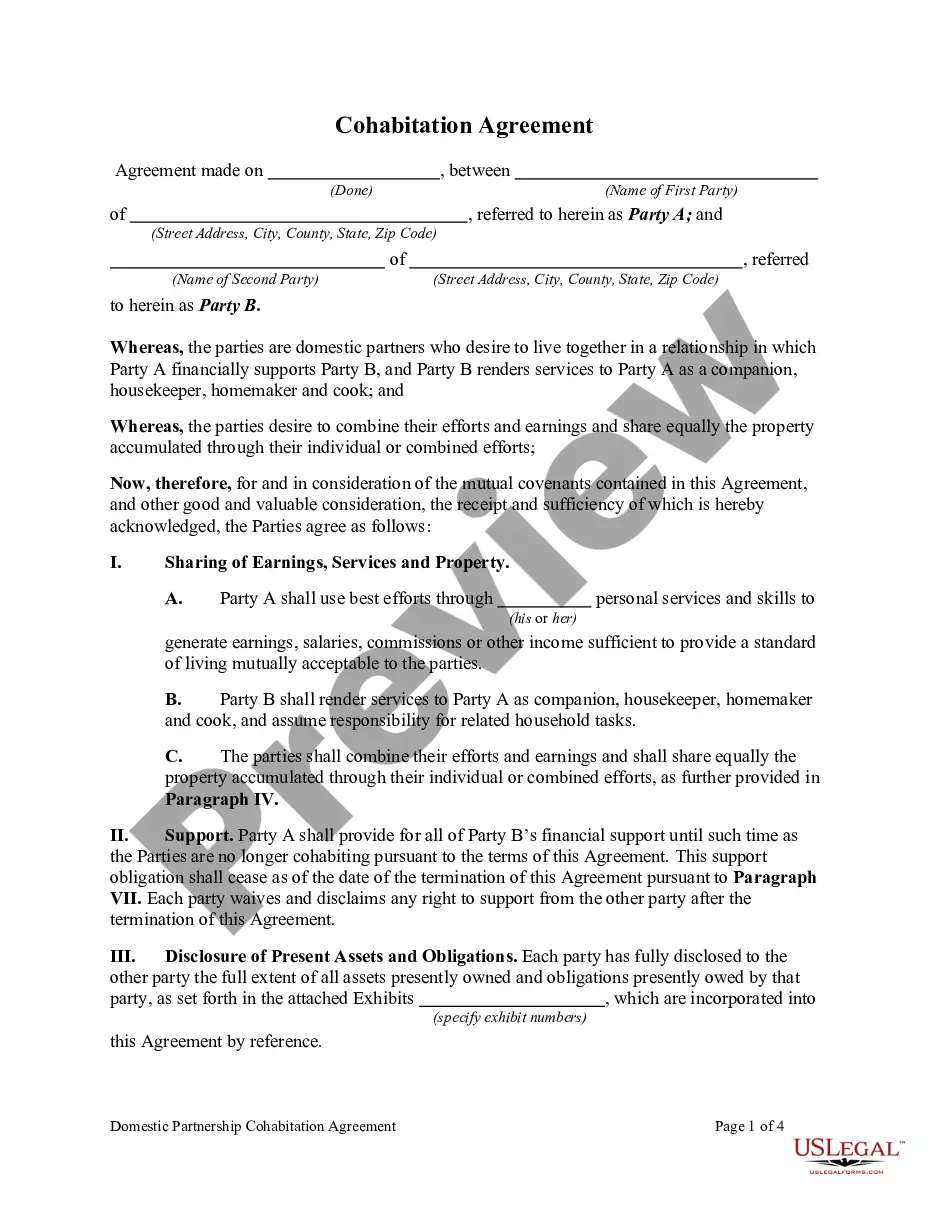
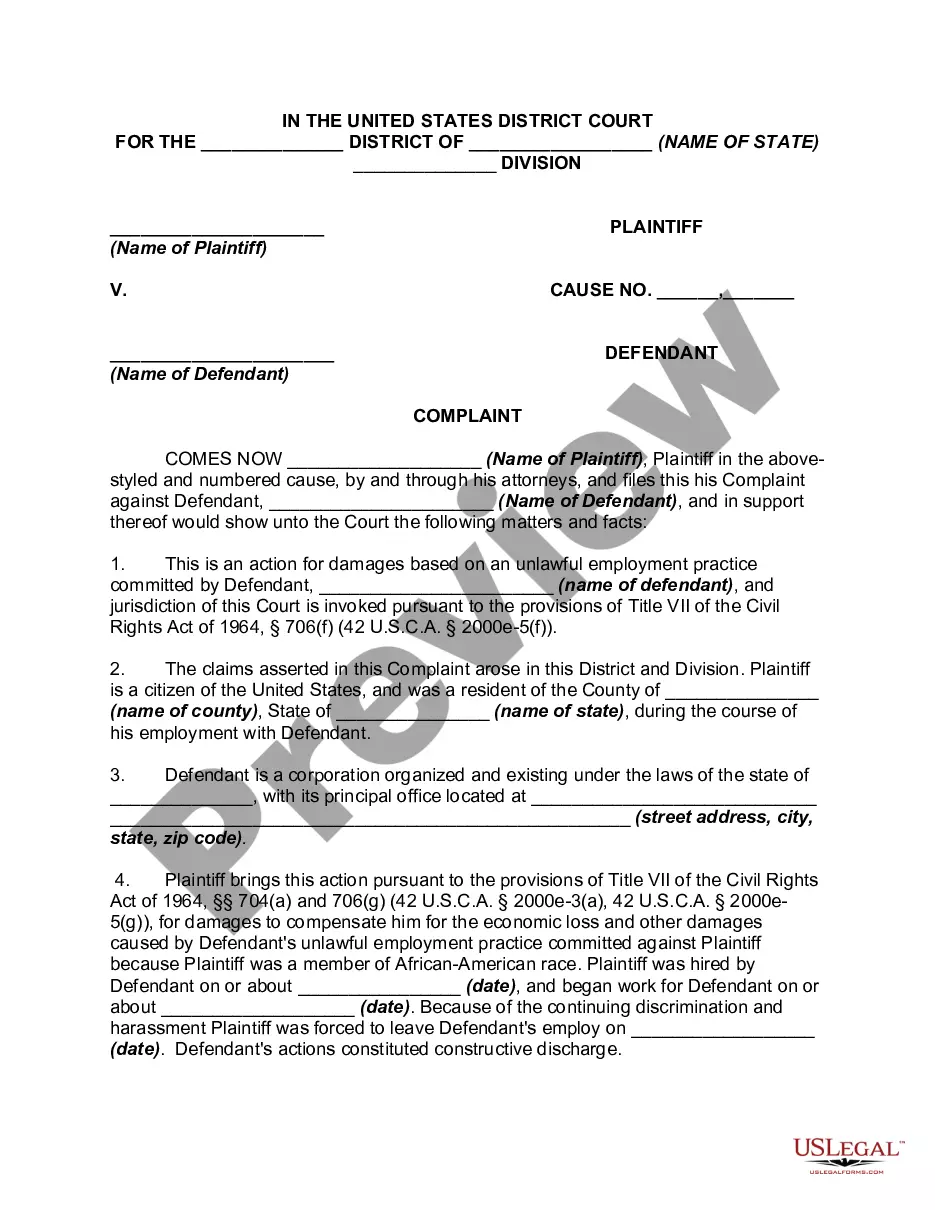
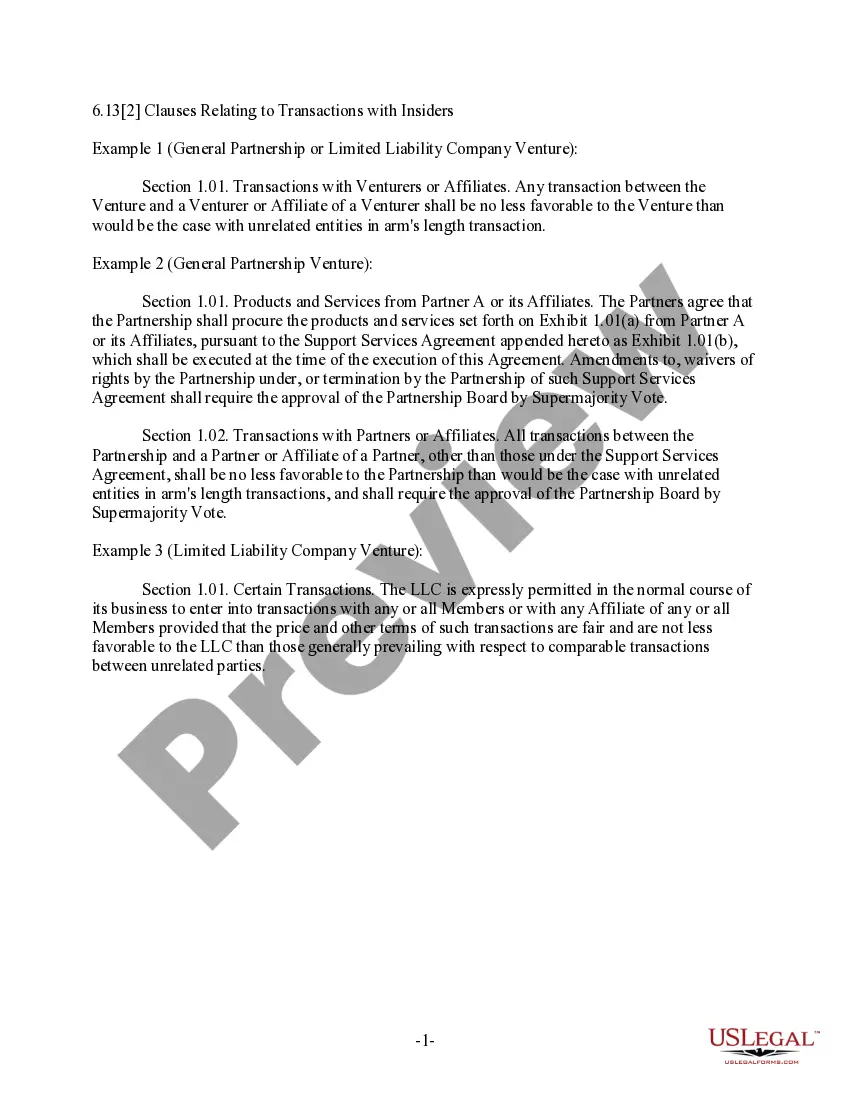
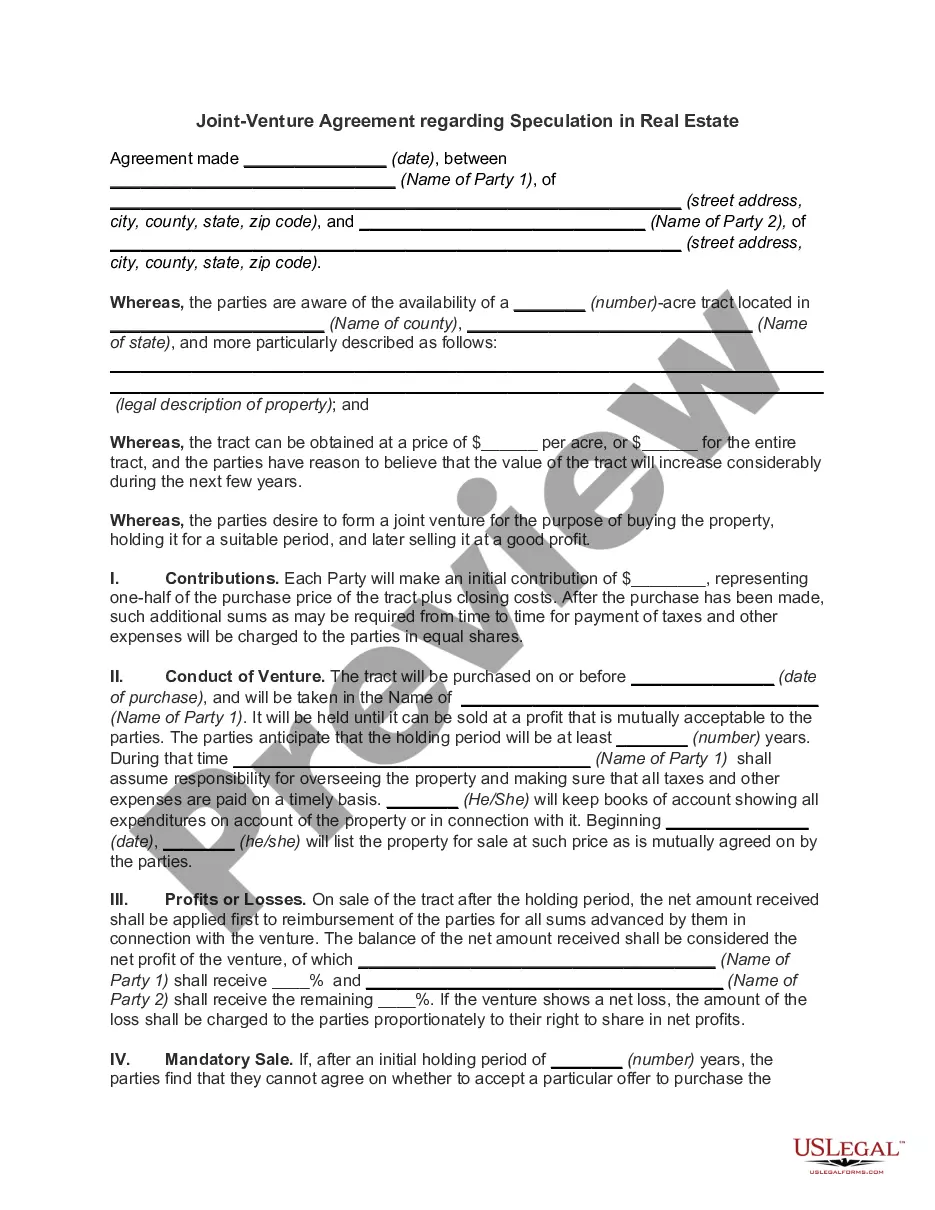
This form is a model adaptable for use in partnership matters. Adapt the form to your specific needs and fill in the information. Don't reinvent the wheel, save time and money.
If you suspect insider trading, you can report it to the Securities and Exchange Commission (SEC) or contact local authorities. They take such reports seriously and will investigate issues.
It's a gray area. Insiders can discuss their company’s future but must be careful not to disclose sensitive information that could lead to unfair trading advantages.
Yes, insiders can buy or sell their company's stock, but they must follow certain rules, like not trading during 'blackout' periods when they have confidential info.
If someone gets caught breaking these laws, they could face hefty fines or even jail time. It's taken seriously because it can shake the trust in the financial markets.
An insider typically includes anyone who has access to non-public information about a company, like owners, employees, or anyone considered a family member of these individuals.
Yes, there are strict rules in place to prevent insider trading. These rules ensure that insiders don’t profit from confidential information that the public doesn’t know about.
Insider transactions involve buying or selling shares by people who are part of a company, like executives or directors. They're expected to act honestly and not take advantage of their inside knowledge.