Sometimes, yes! It’s worth chatting with the utility company as circumstances can vary. Just like negotiating a deal, keeping the lines of communication open can lead to good outcomes.
It could potentially affect your property value. Some buyers may shy away due to the easement, much like how a pothole might put a damper on a nice street.
Yes, having an easement might come with limitations on what you can build or plant in that area. It’s like having a ‘no parking’ sign on your street—there are certain things you just can’t do.
Yes, the electric company usually has the right to maintain clearance around power lines, which means they might need to trim or remove trees that are too close. It’s like giving them a haircut to keep everything running smoothly.
It's best to take caution when planning. You need to check with local regulations and the utility company to make sure you’re playing by the rules and not stepping on any toes.
You can check your property deed or title documents. If you see mentions of utility easements, it's like finding a map that shows where the utility company can set up shop on your land.
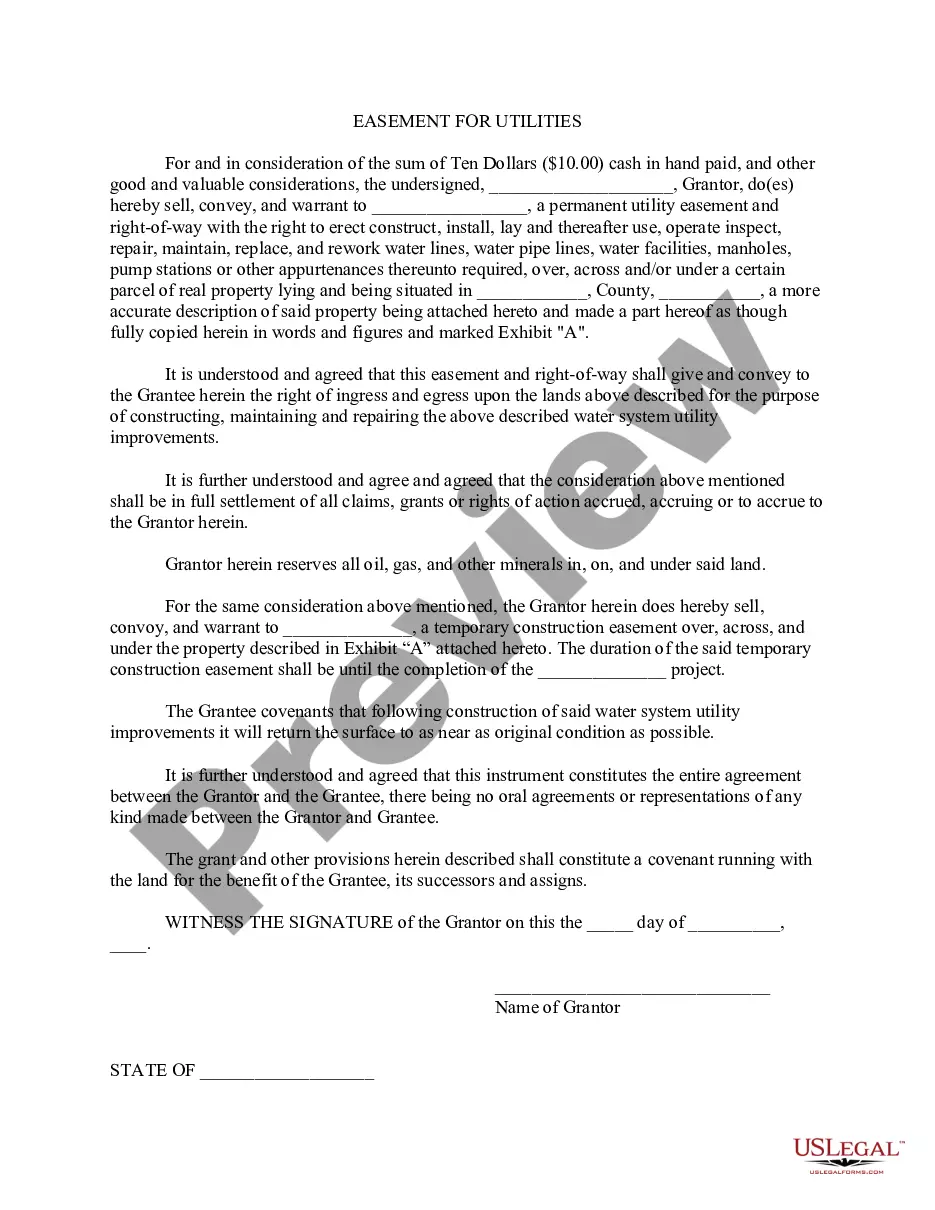
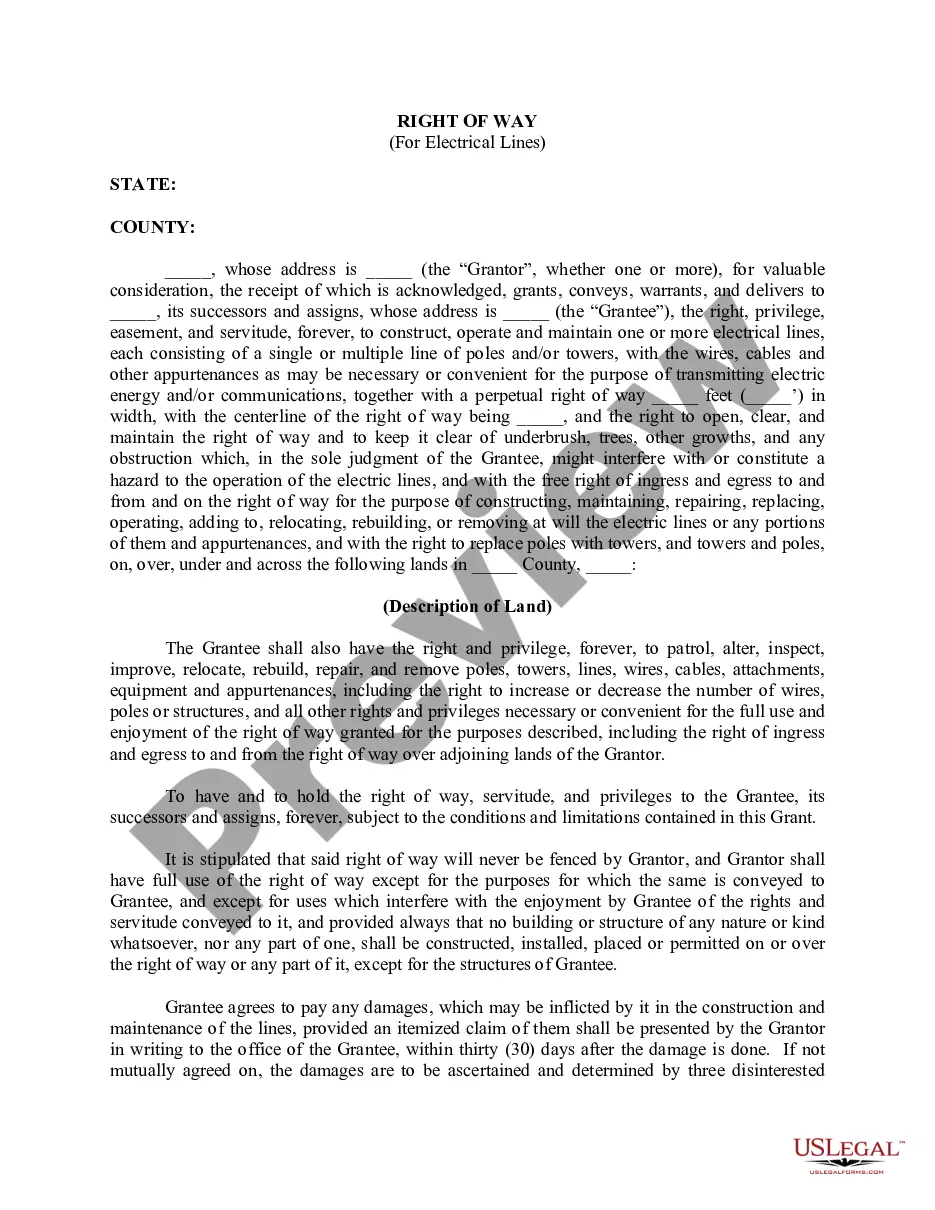
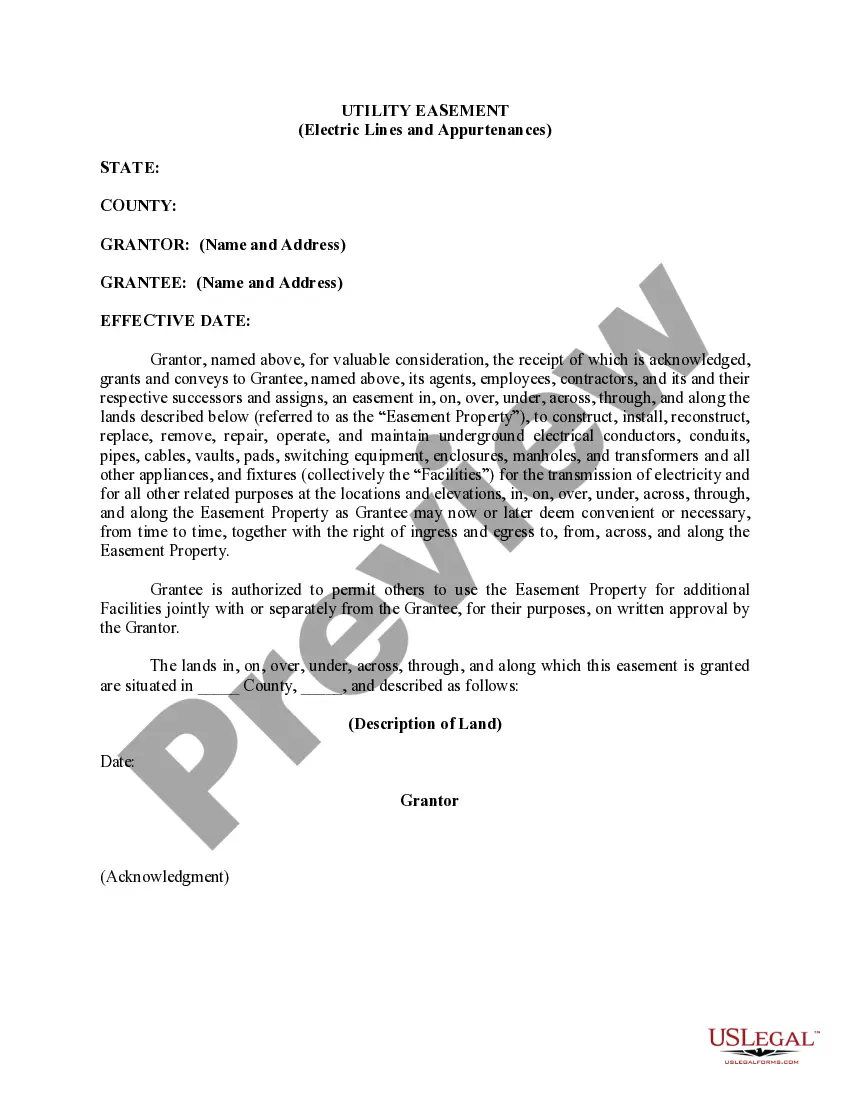
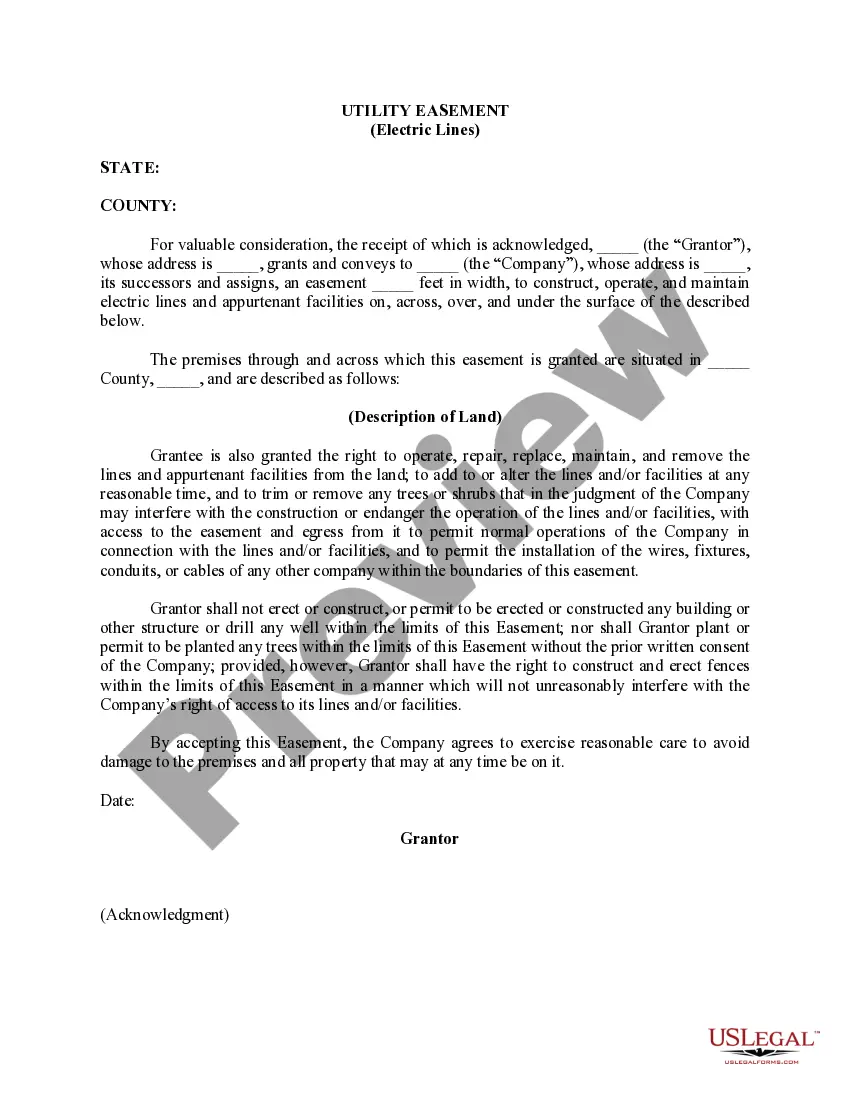
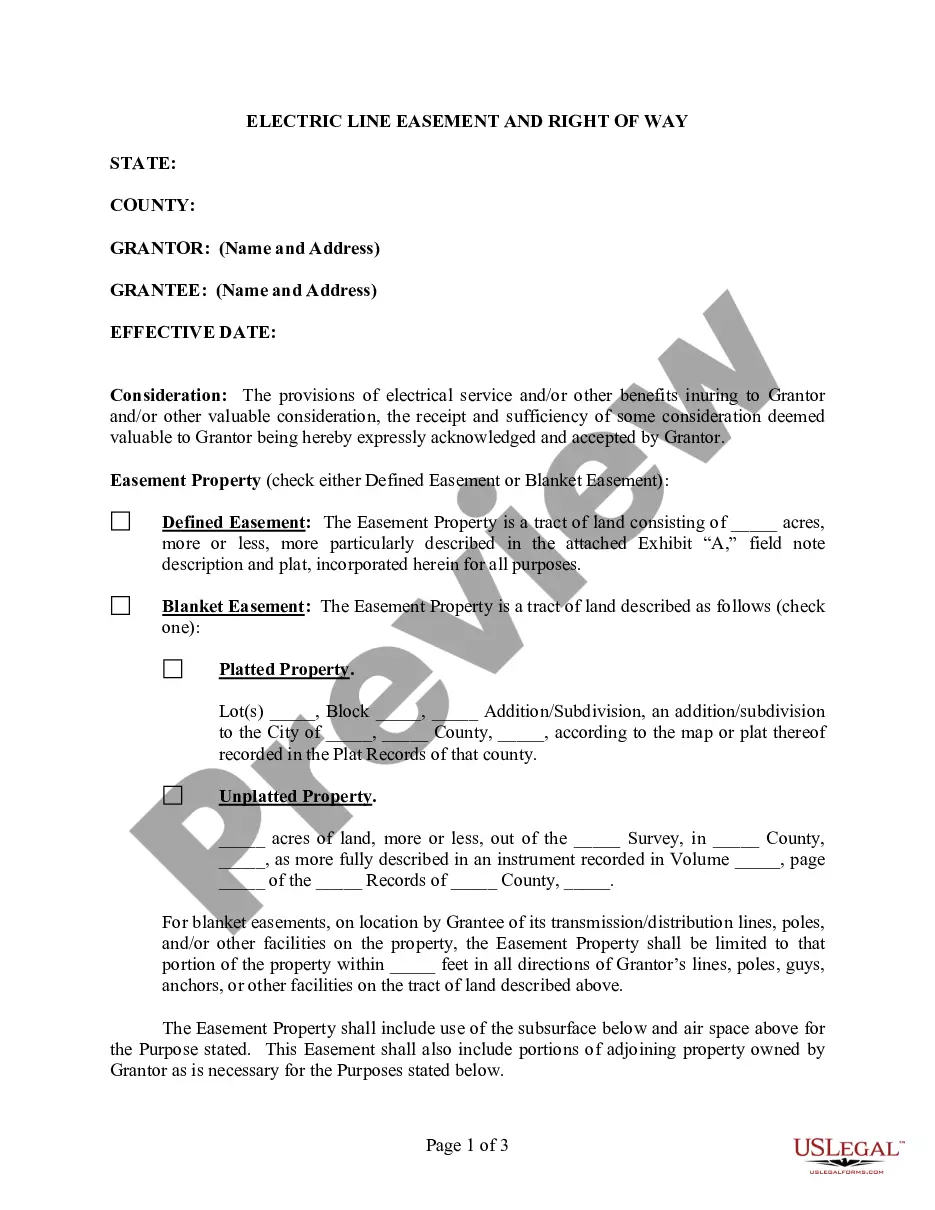
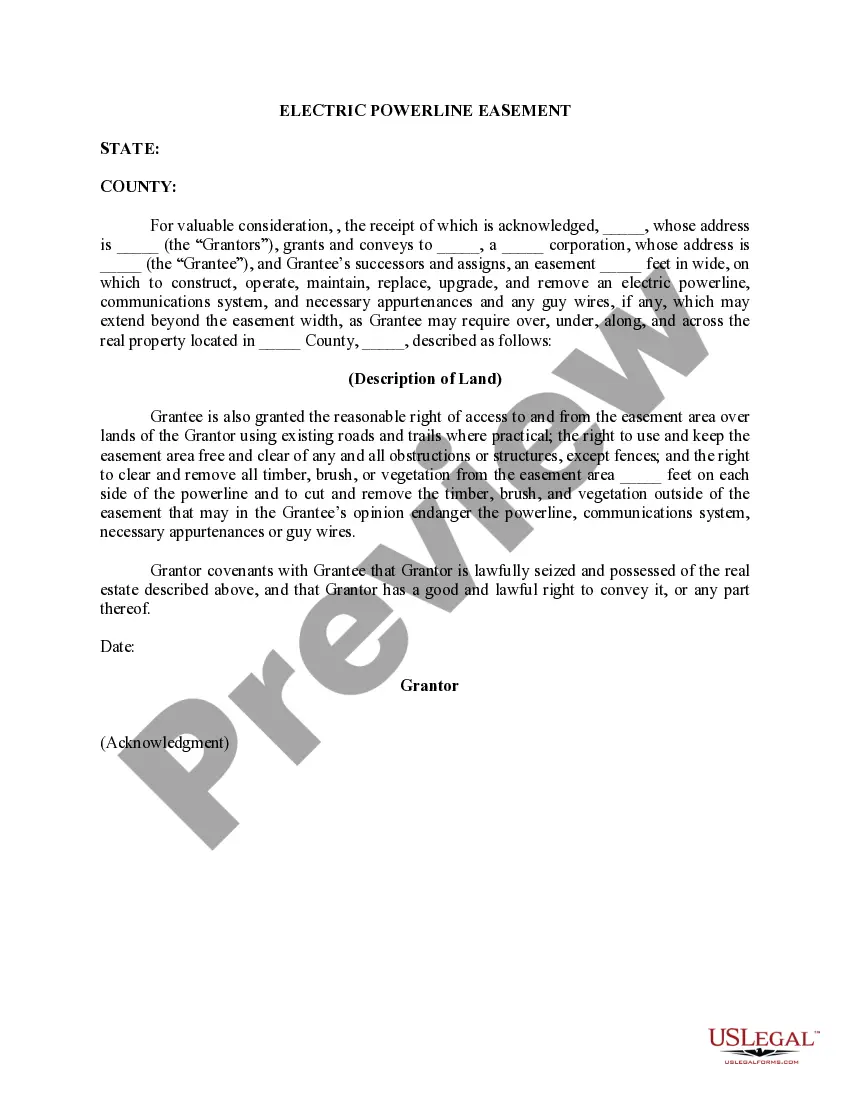
An electric powerline easement is a legal right that allows utility companies to use a certain piece of land for power lines. Think of it as giving them the keys to your backyard, so they can keep the lights on.