If the drainage easement isn't followed, it could lead to water pooling or flooding on your property, and you might face legal issues with neighbors or local authorities.
Most drainage easements are permanent, meaning they stay with the property even if it changes owners. It's important to understand their long-term effects.
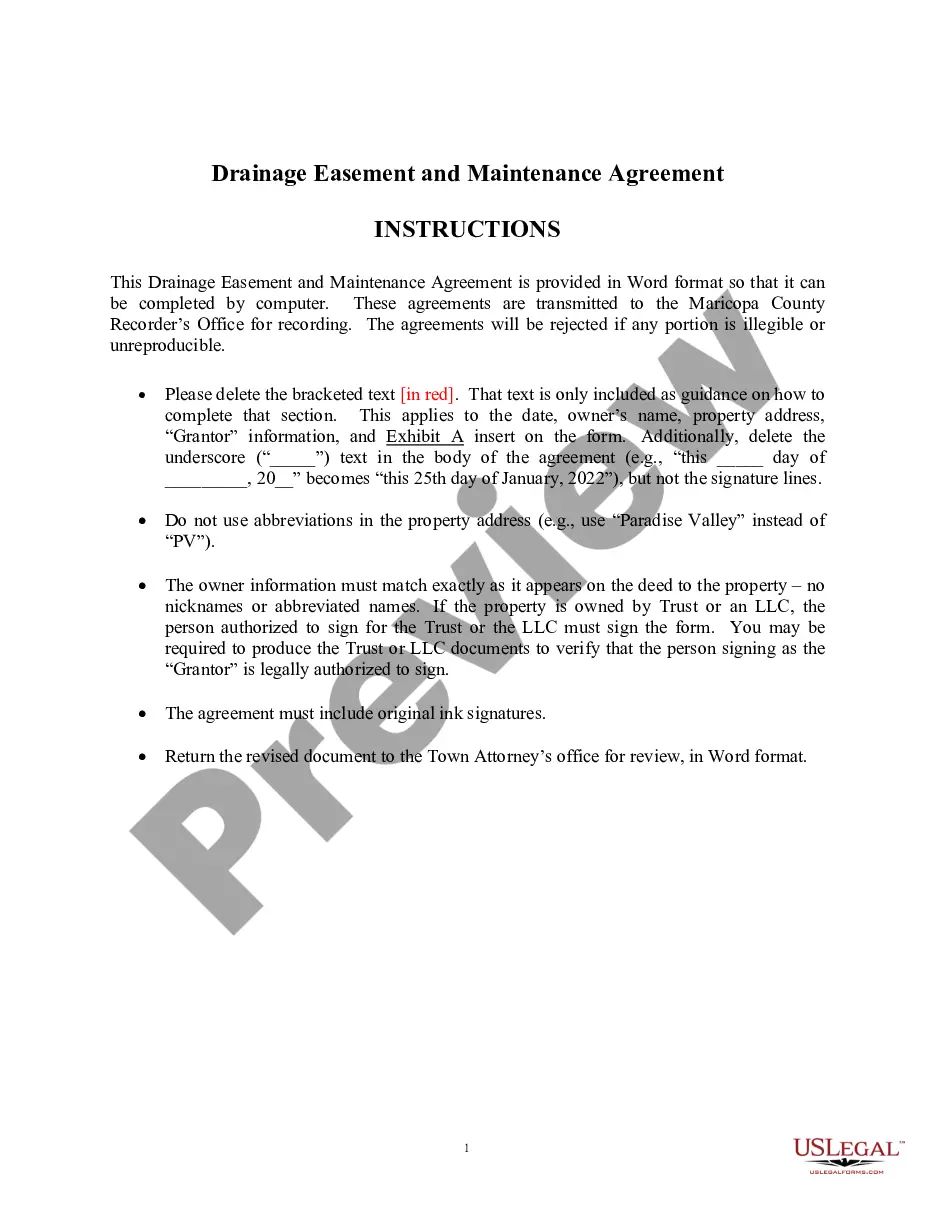
If you're thinking about changing a drainage easement, it’s best to consult with a lawyer or a real estate professional. They can guide you on the legal steps to take.
Yes, a drainage easement can impact your property value. Some buyers may see them as a downside, but others may appreciate the reduced risk of flooding.
To find out if you have a drainage easement, check your property deed or contact the local planning department. They can provide the details you need.
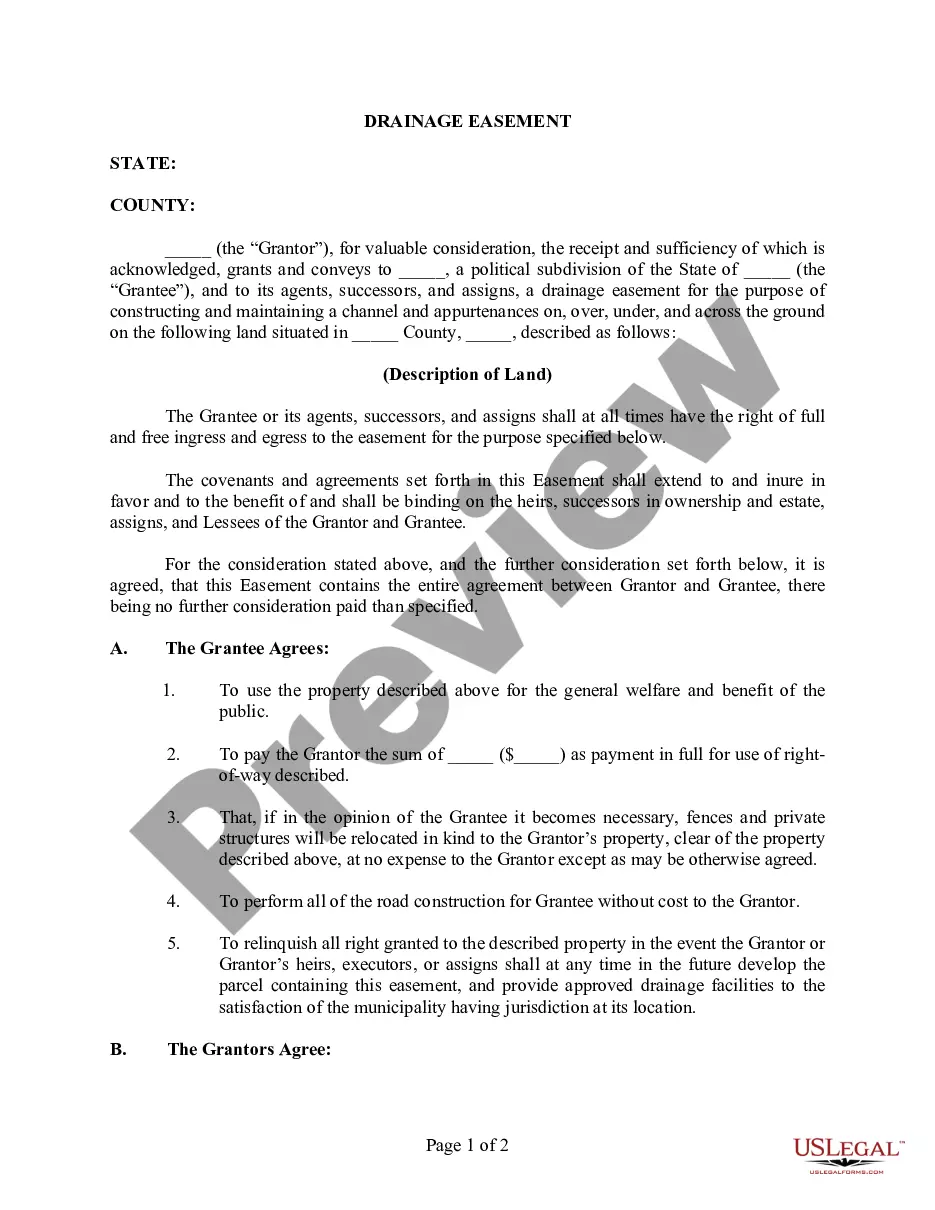
You need a drainage easement to make sure that rainwater and other runoff can flow freely. It helps avoid trouble with neighbors and keeps properties safe from water issues.
A drainage easement is a legal agreement that allows the flow of water across a property. It ensures that water drains properly to prevent flooding and water damage.