It can be a bit tricky, like finding a needle in a haystack. You might need to dig deep in public records or consult a professional to get the facts straight.
Absolutely! Just like any property rights, subsurface rights can be bought, sold, or transferred, but it’s best to dot the i's and cross the t's legally.
Without clear rights, you might face trouble when trying to use the land below, which could lead to legal snags down the road.
While it's not a must, having a lawyer can help navigate the waters and ensure everything is shipshape and legally binding.
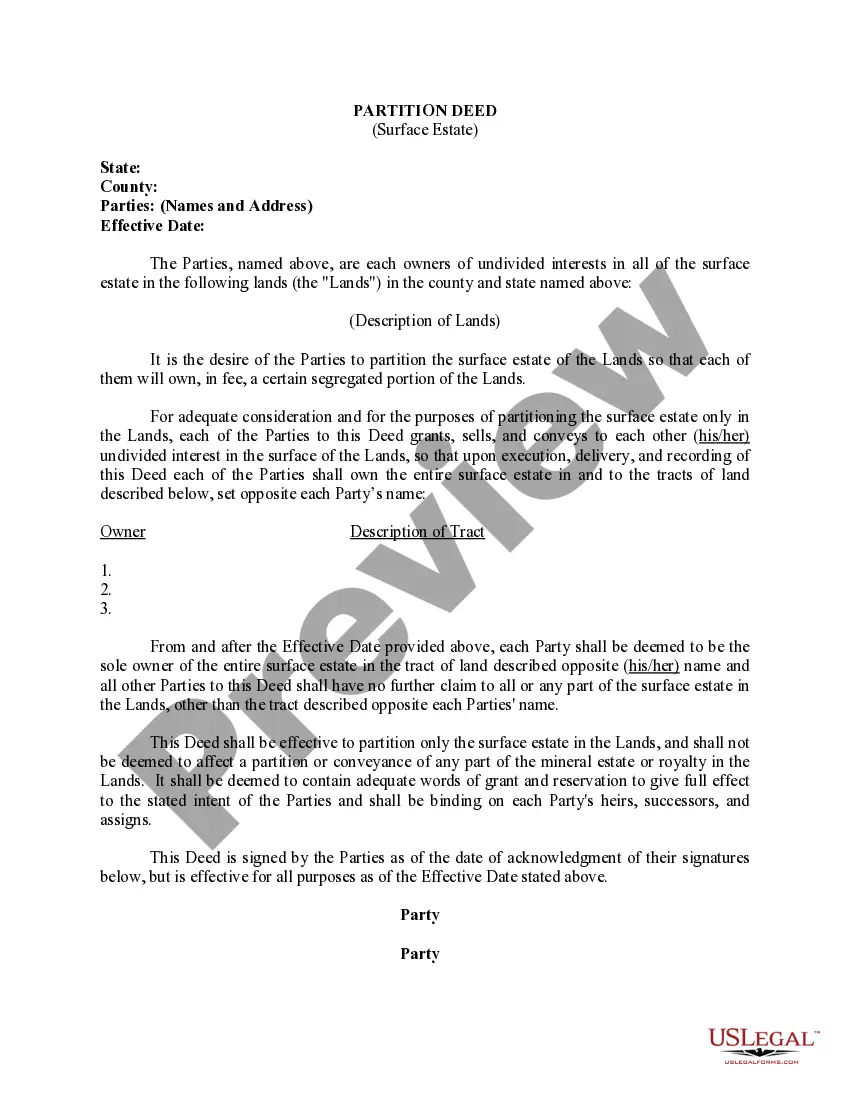
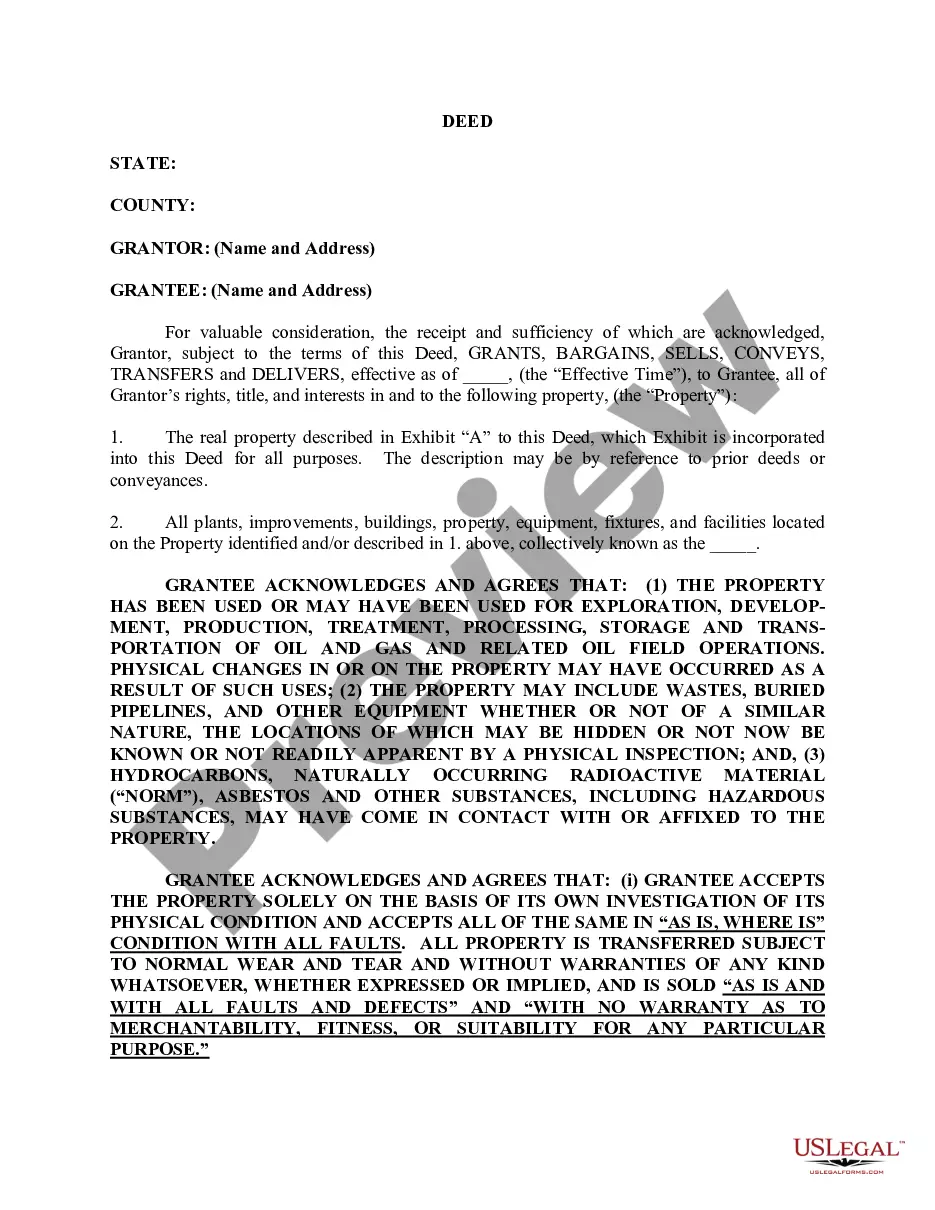
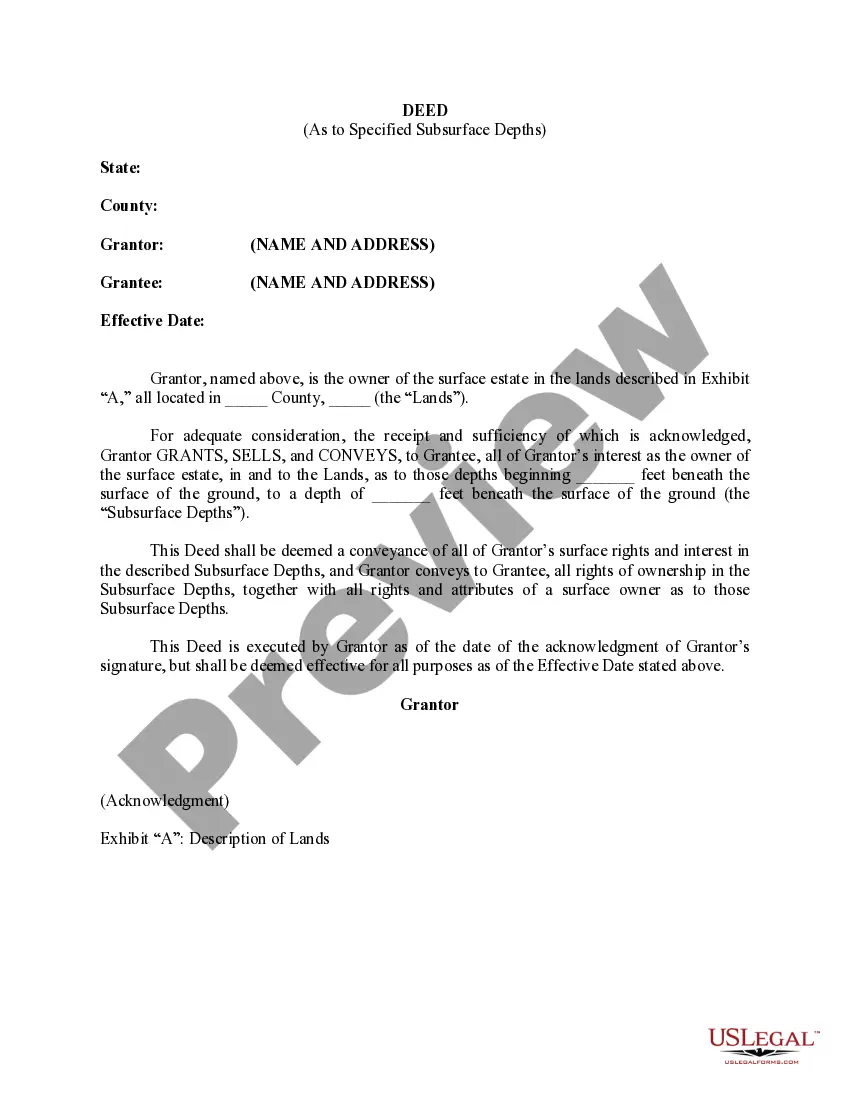
A regular property deed focuses on the land above ground, while a subsurface deed zeroes in on what's beneath the surface—think icebergs, where most is hidden.
Having subsurface rights can be key for activities like mining or drilling, which can be a goldmine, so it's important to understand who gets what.
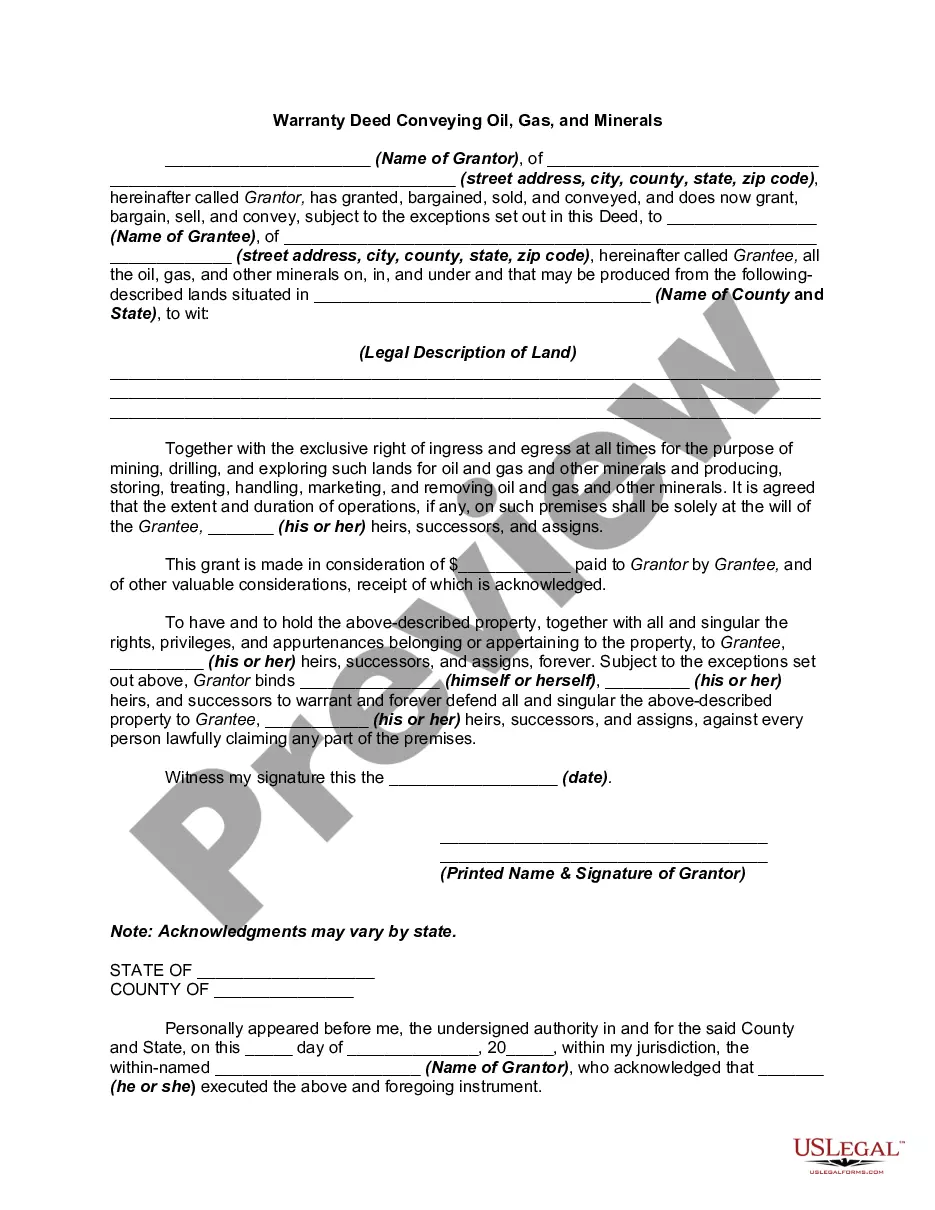
It's a legal document that outlines who owns the rights to the land's surface and certain depths below it, specifying what can be done there.