While it’s not a hard and fast rule, it’s often wise to consult a lawyer. They can help you dot the i's and cross the t's, making sure the agreement holds up in case of a dispute.
If either party drops the ball, it’s like missing a beat in a dance. The agreement usually includes clauses on how to handle such situations, so you can find common ground to resolve the issue.
Absolutely! Think of it as a work in progress. If circumstances change, you can always revisit and amend the agreement to better fit your needs.
There’s no one-size-fits-all answer, but most consulting agreements run from a few months to a year. Try to set a timeline that works for both you and the consultant.
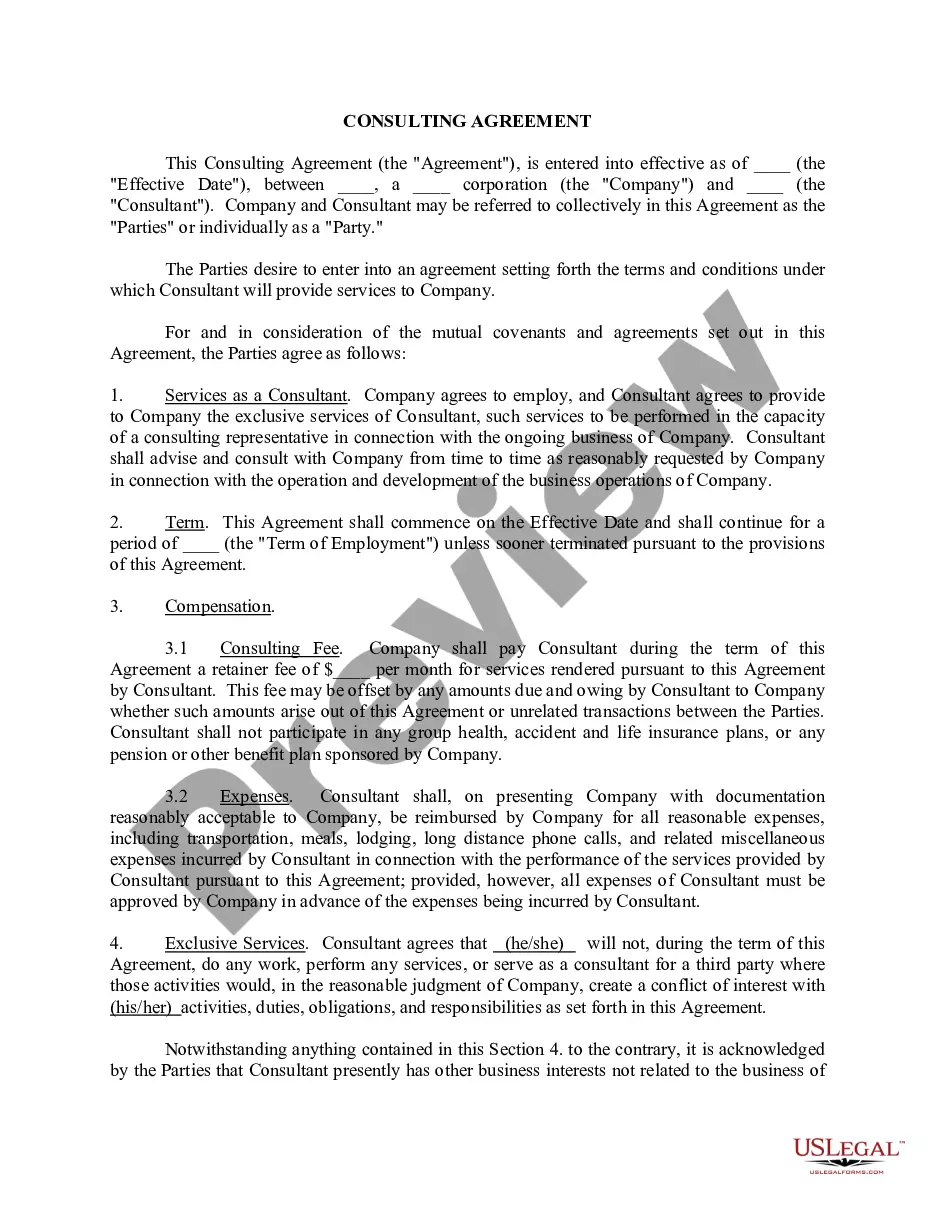
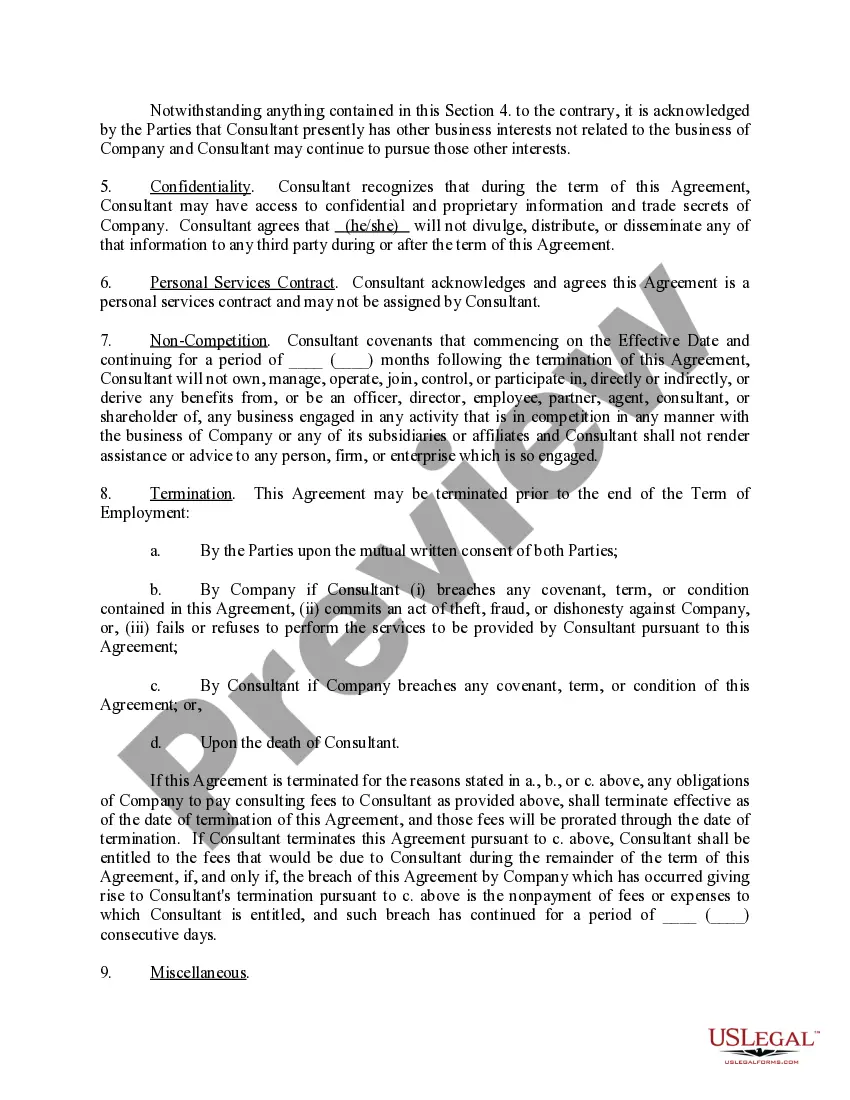
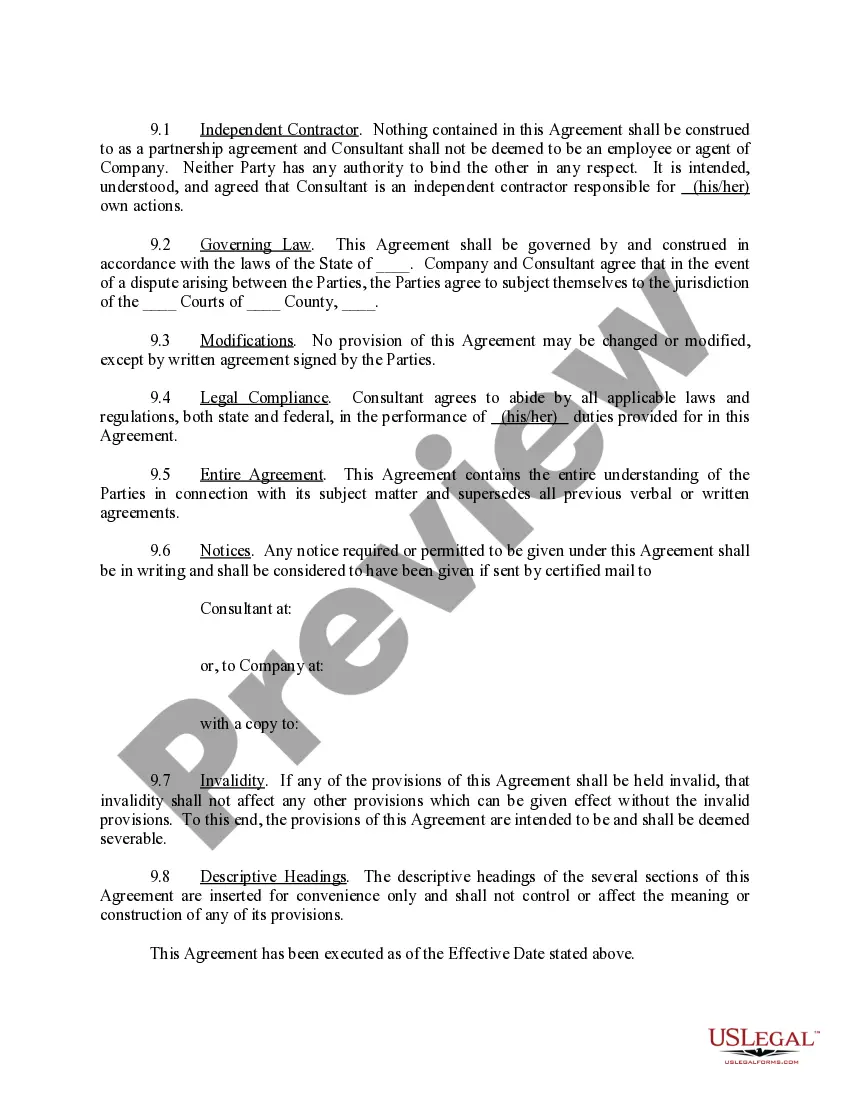
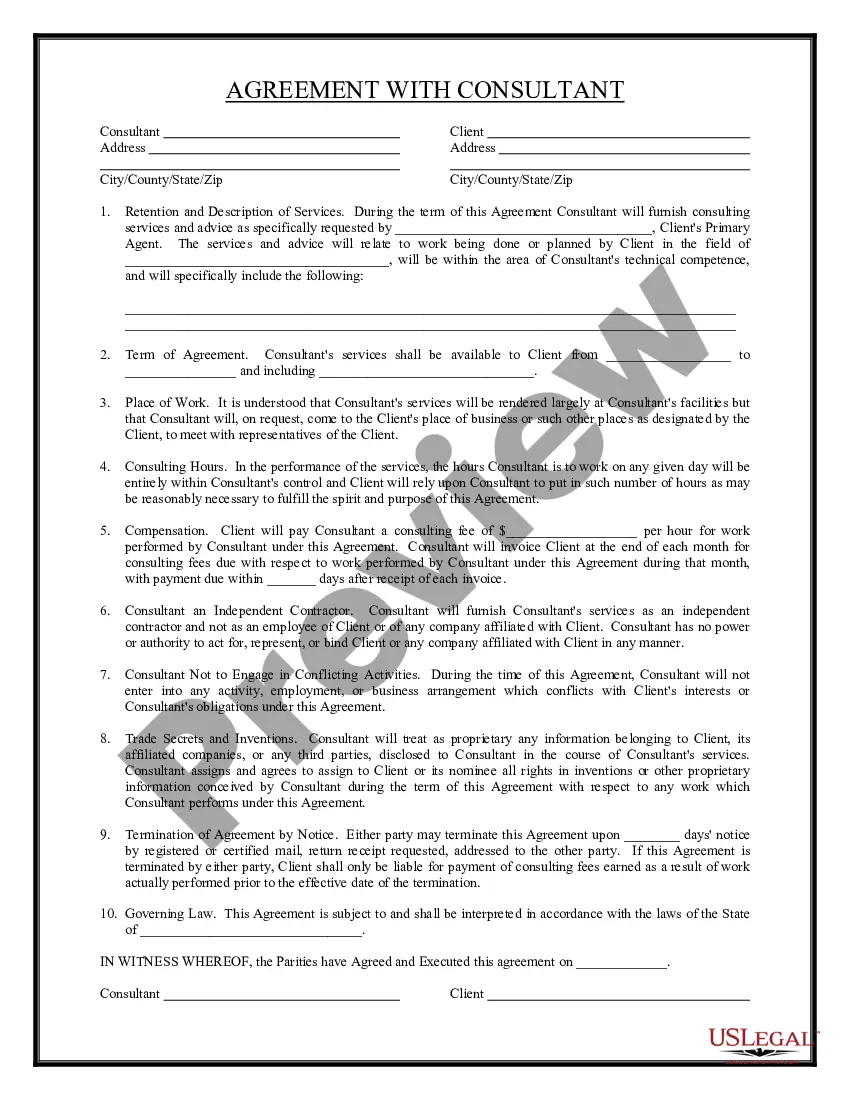
Think of it as a recipe; you’ll want to include the services offered, time frames, confidentiality terms, and payment details. The more you spell it out, the clearer the picture will be.
Having a consulting agreement is like having a road map. It helps to keep everyone on the same page and protects both parties from misunderstandings down the line.
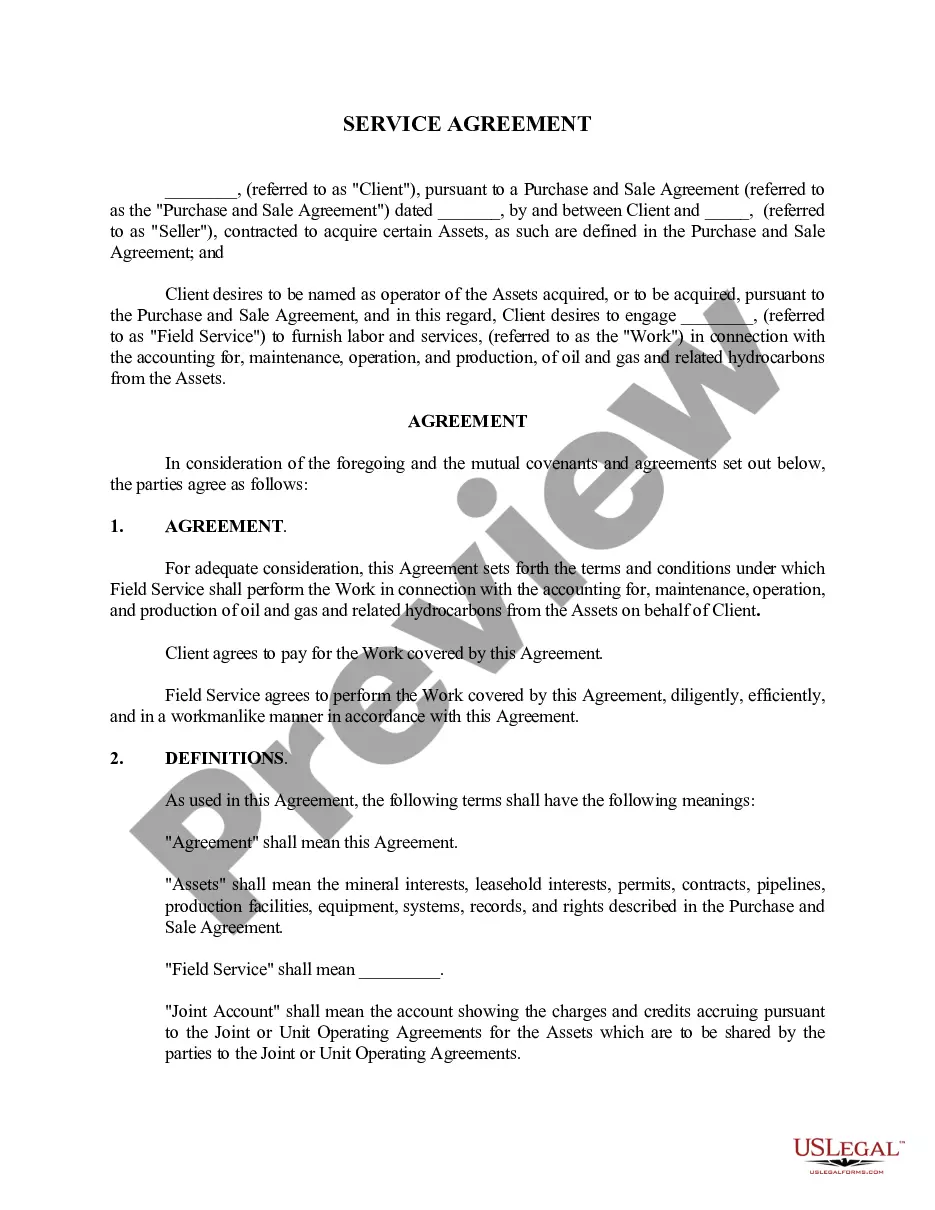
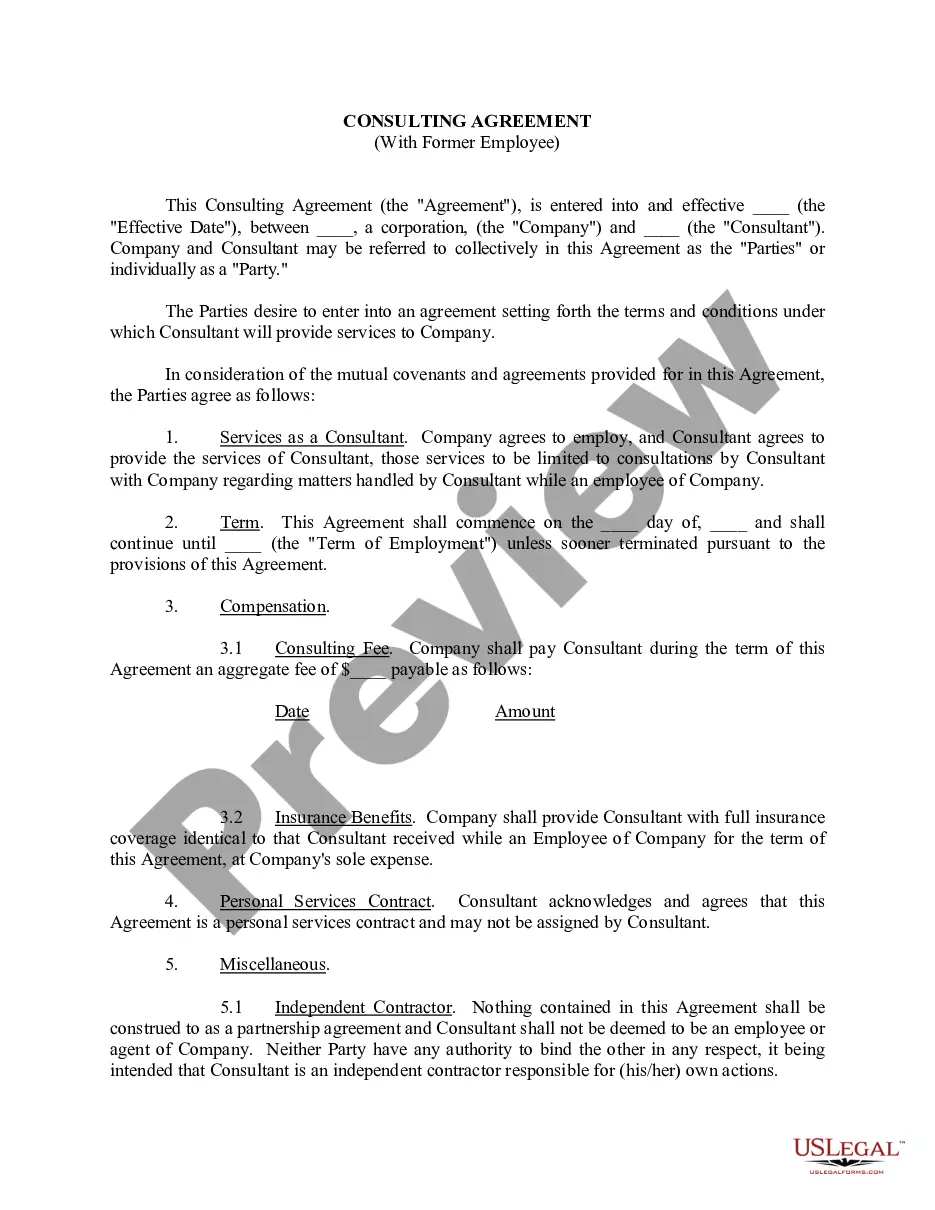
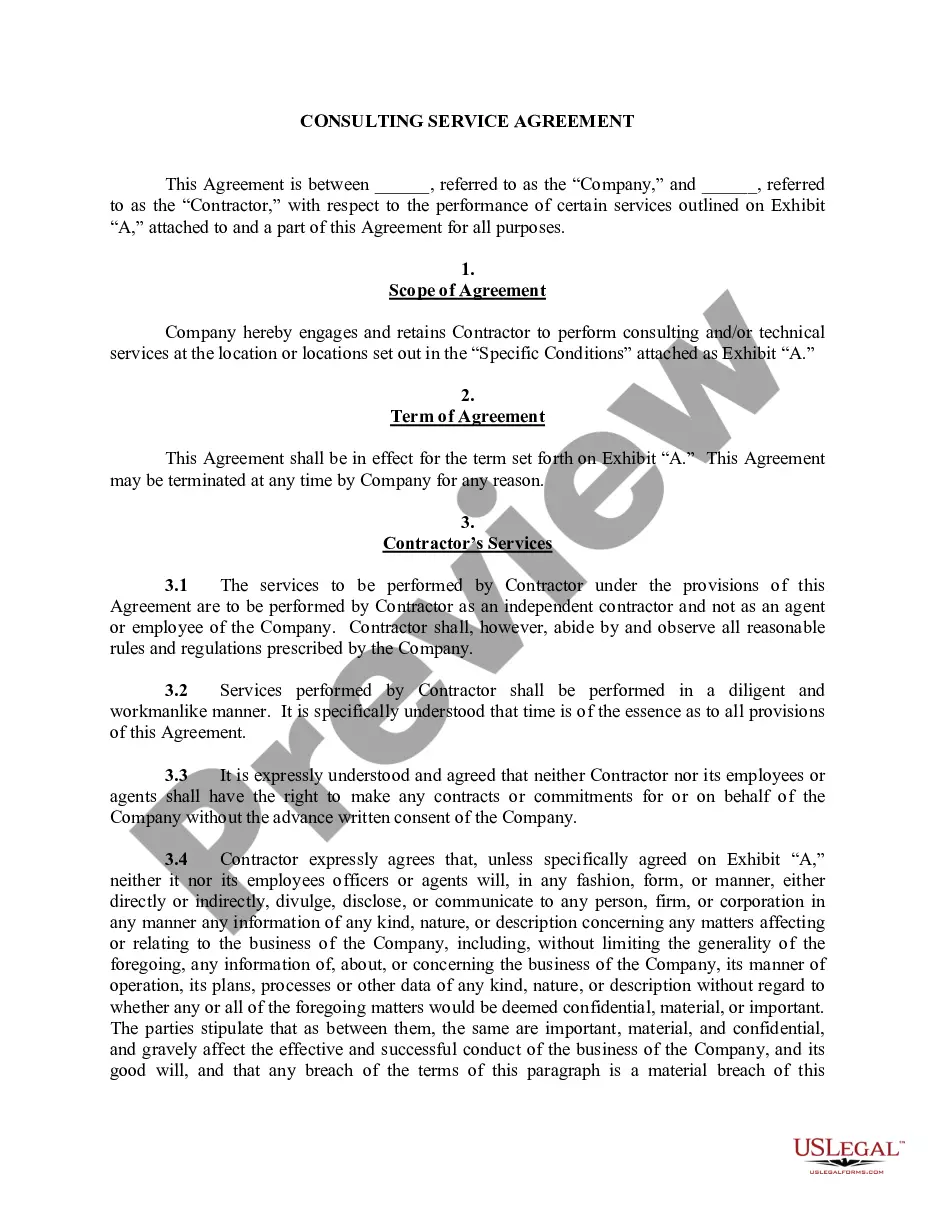
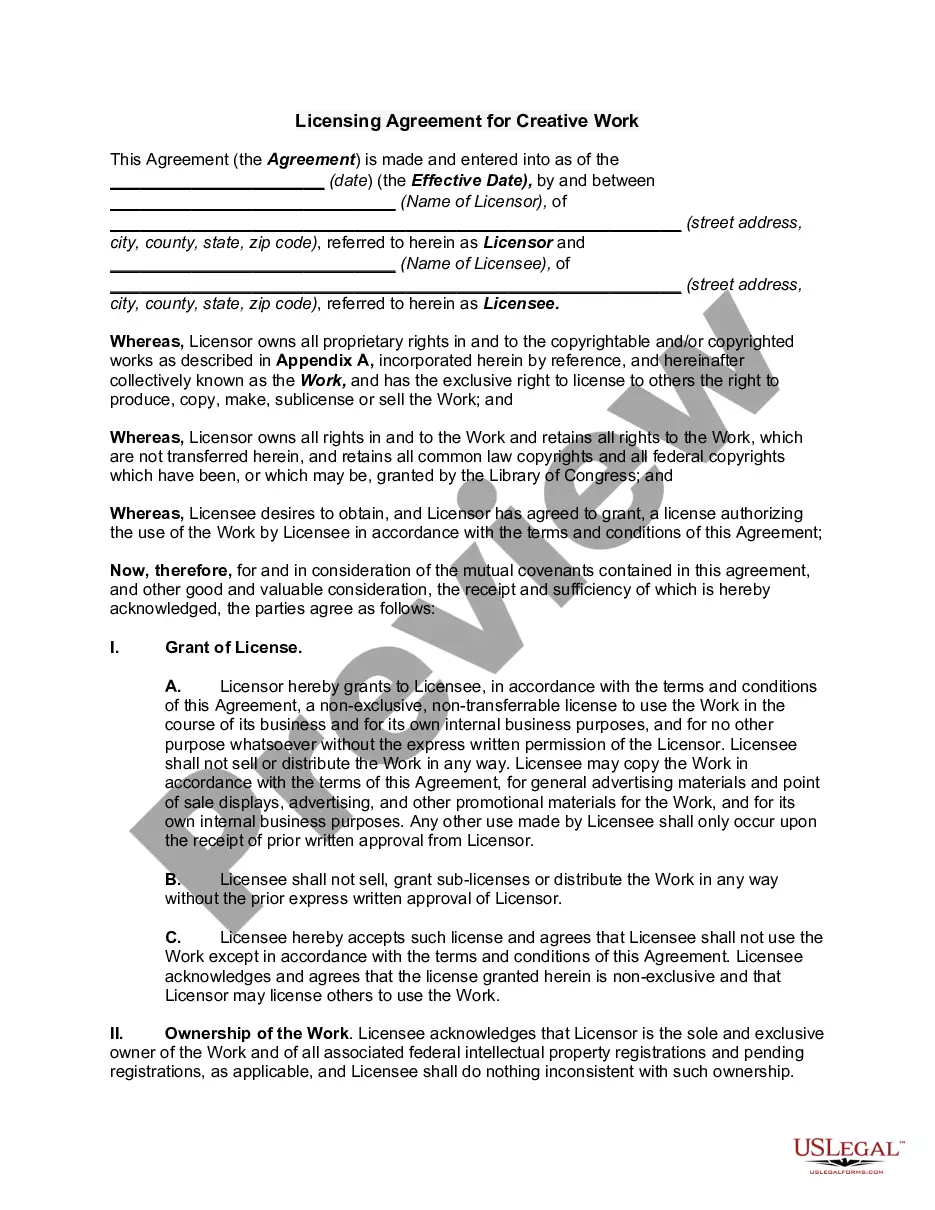
A consulting agreement is like a handshake on paper where both parties lay out the terms of their partnership. It outlines what services the consultant will provide and the expectations from both sides.