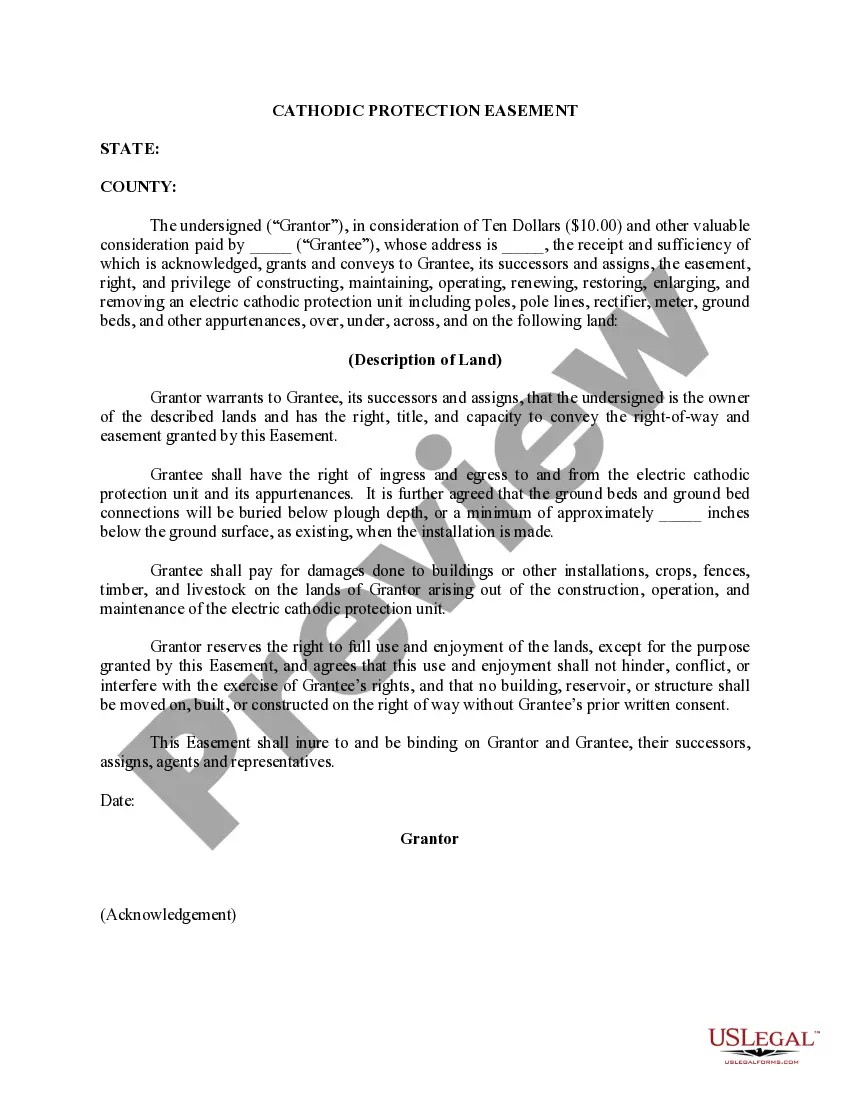
Removing a cathodic protection easement can be tricky. You’ll often need to go through a process to show that it’s no longer needed. It’s like trying to close a door—you may have to check it doesn’t lead to any messes!
Typically, cathodic protection easements remain in effect for as long as the equipment is in use or as specified in the agreement. Think of it as a partnership that lasts as long as there’s work to do!
Yes, Tucson has specific rules to ensure that these easements are handled properly. It’s important to follow local guidelines to keep everything above board. Just like following the road signs on a trip!
Getting a cathodic protection easement usually involves a bit of paperwork and coordination with local authorities. You’ll need to show how the protection system will be installed and maintained. It’s a bit like drawing up a map for a treasure hunt!
If you have buried metal structures, like pipelines or storage tanks, it's a good idea to check. Consulting with a professional can help you figure out if this protection is necessary for your property. Better safe than sorry!
These easements are crucial because they help prevent corrosion, which can lead to costly repairs and environmental hazards. It’s like putting a raincoat on your pipes; it keeps them safe from the elements!
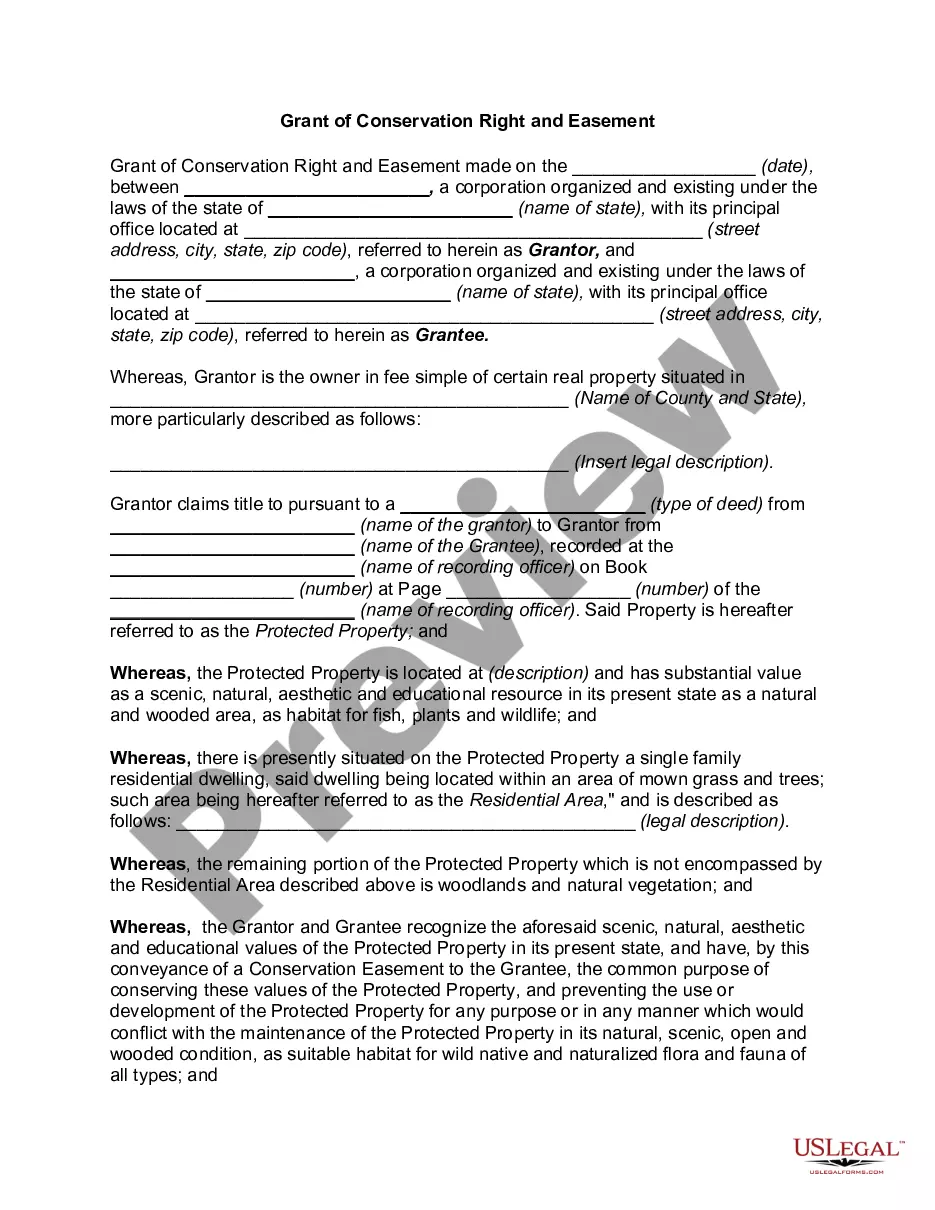
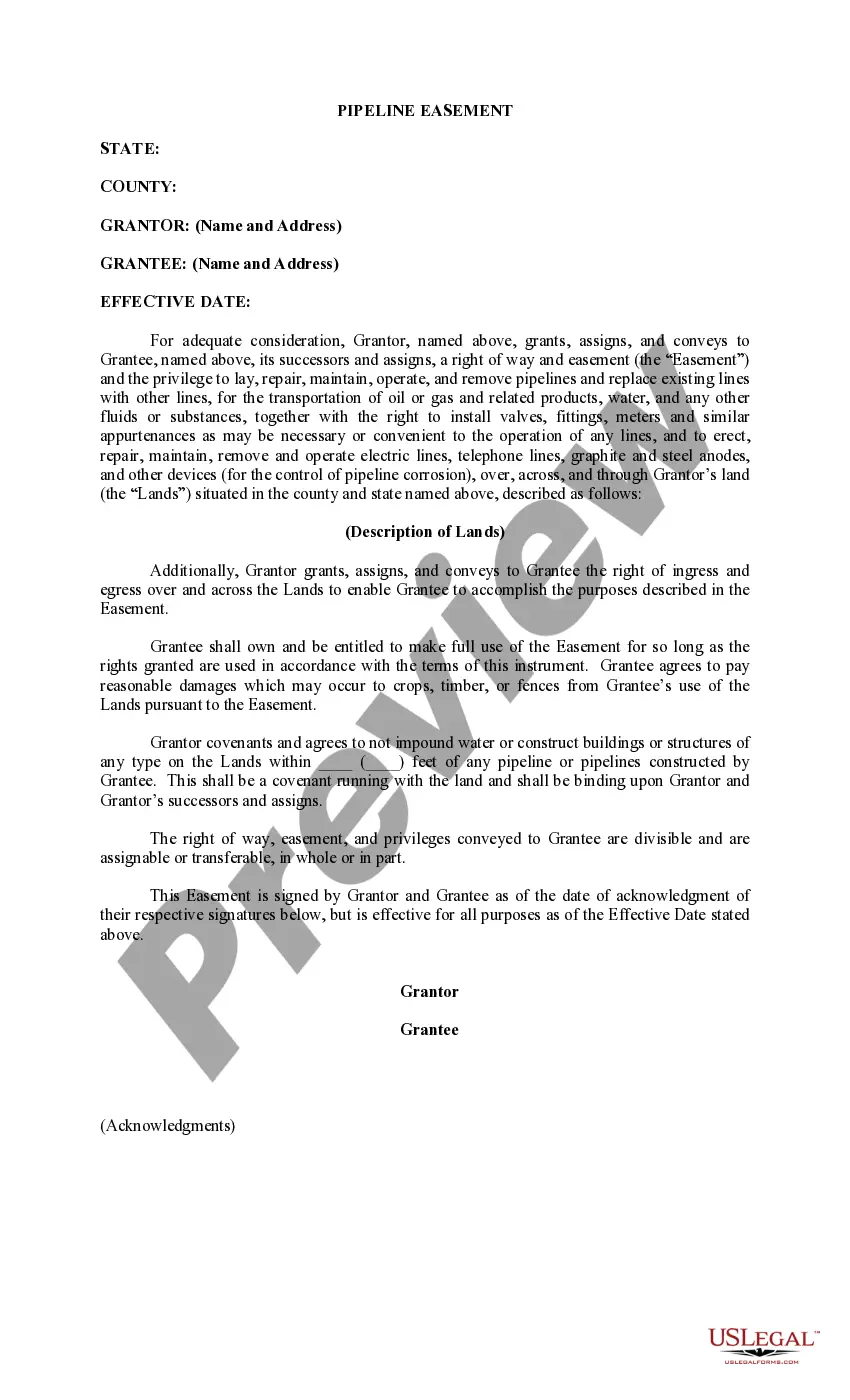
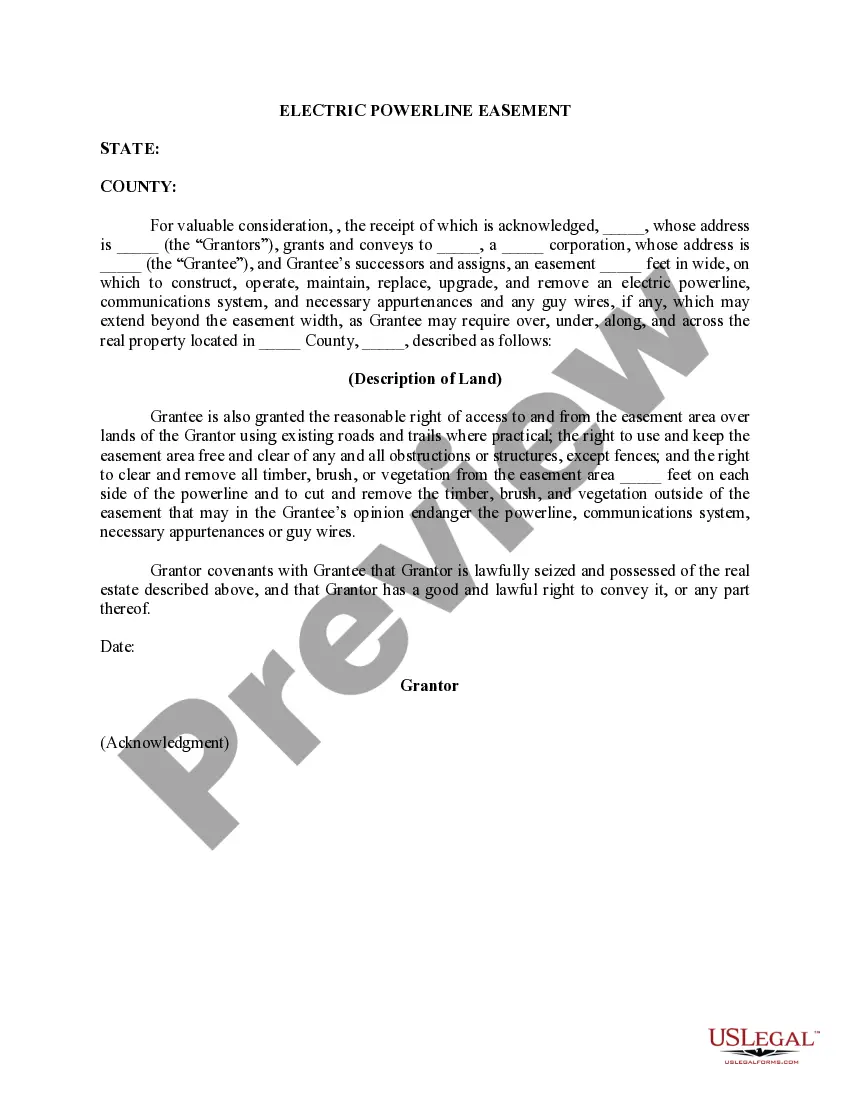
A cathodic protection easement in Tucson is essentially a legal permission that allows the installation of a system to protect buried metal structures from corrosion. Think of it as a shield for pipes and tanks underground, helping to keep them in good shape.