Maintenance responsibilities often fall on the utility companies or municipalities that have installed the systems. It's like how a landlord takes care of the building's upkeep, ensuring everything runs smoothly.
With proper maintenance, cathodic protection systems can last many years, but they do need periodic checks and adjustments. Think of it like keeping a garden; with care, it keeps thriving.
The common types are impressed current systems and sacrificial anode systems. Each has its own way of fighting corrosion, kind of like having different tools in a toolbox to fix issues.
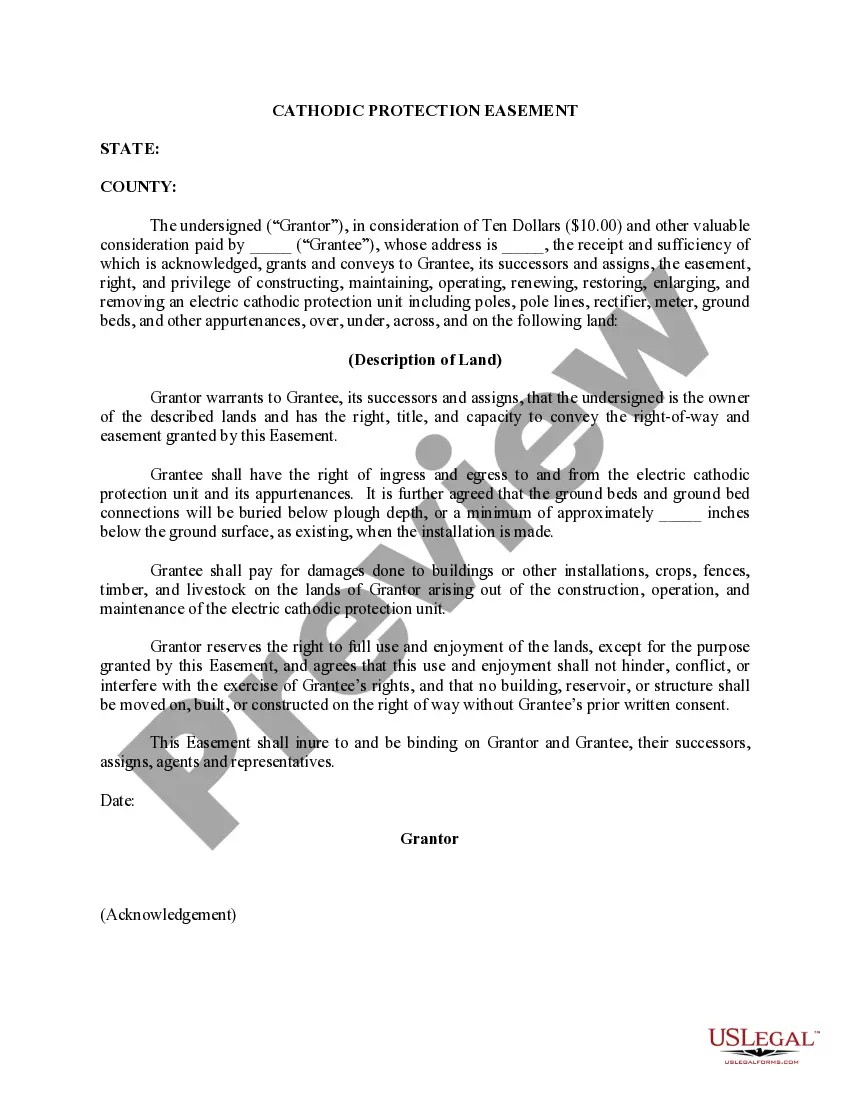
Yes, property owners may be affected since easements give access rights to utility companies or other entities. It's a bit like giving someone permission to cross your land, but it ensures safety and protects the community.
To obtain a cathodic protection easement, you typically need to work with the local government and possibly a utility company. It's a process where you’ll discuss the need for the easement and get the necessary approvals.
Cathodic protection is crucial because it helps to keep underground pipes and structures from rusting and deteriorating. Just like keeping a car clean can prevent it from getting rusty, this system protects vital infrastructure.
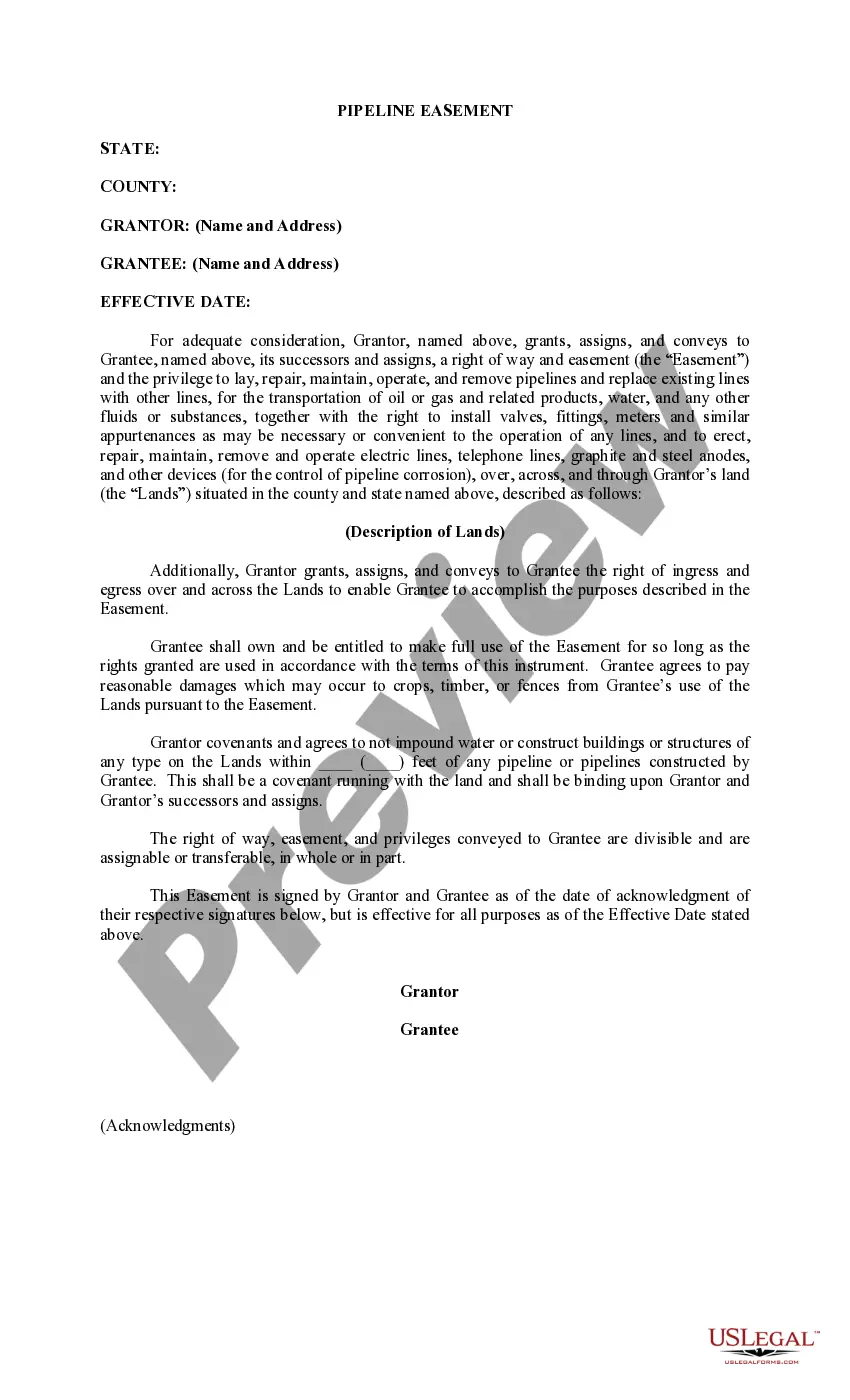
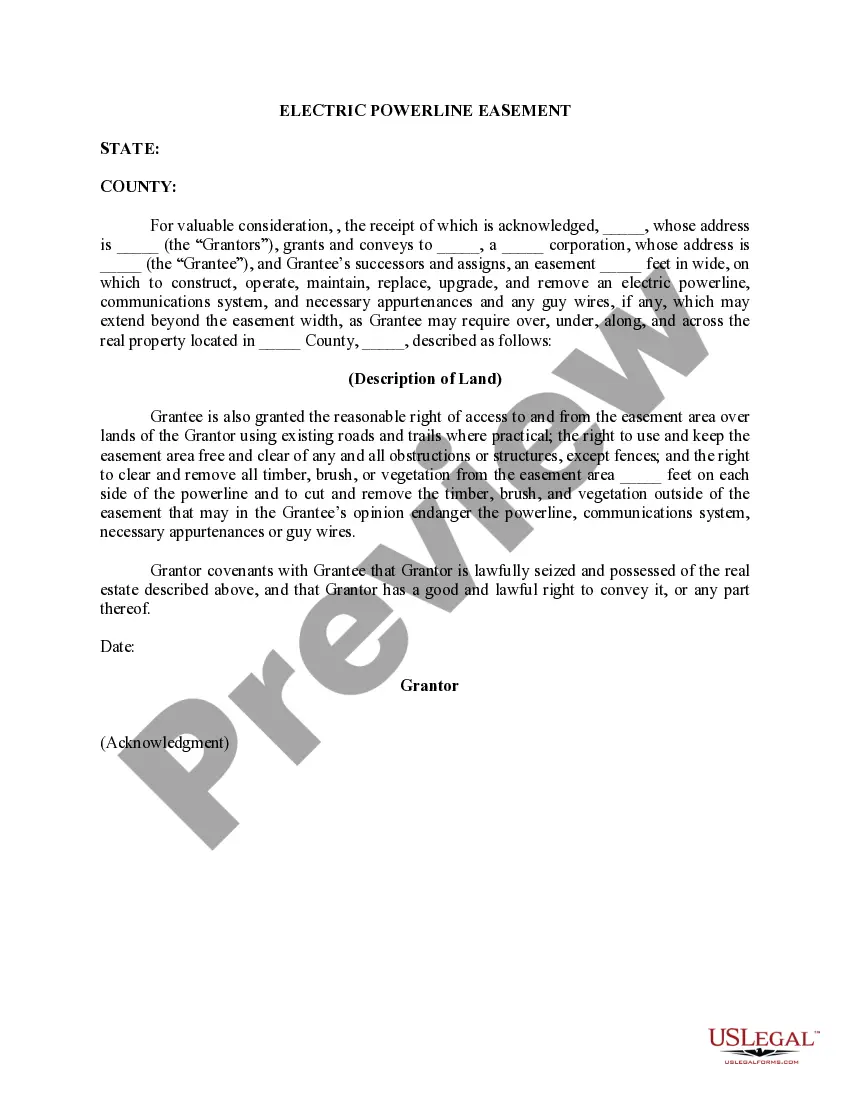
A cathodic protection easement is a legal agreement that allows for the installation and maintenance of cathodic protection systems, which are used to prevent corrosion on underground pipelines and structures. It's a way to ensure that these systems can be accessed when needed.