To change or get rid of an easement, you’ll usually need a legal process to follow. It’s like negotiating a change in house rules—everyone has to agree before making a move.
Yes, it’s possible for others to challenge an easement in court if they believe it’s unfair. It’s best to have solid grounds and ensure everything is above board.
Think about who you want to keep out, how it will be enforced, and the impact it might have on neighbors. It’s like choosing the right locks for your doors—important to keep the right folks in and the wrong ones out.
You might want to chat with a real estate attorney or a property consultant. They’re the experts who can guide you through the ins and outs of the process.
An easement can limit certain uses of your property, but it also provides you with rights to manage who has access. It’s a bit of give and take, balancing access and control.
Setting up an access control easement helps protect your property and maintains your privacy. It's your way of saying, 'This is my space, and I’d like to keep it that way.'
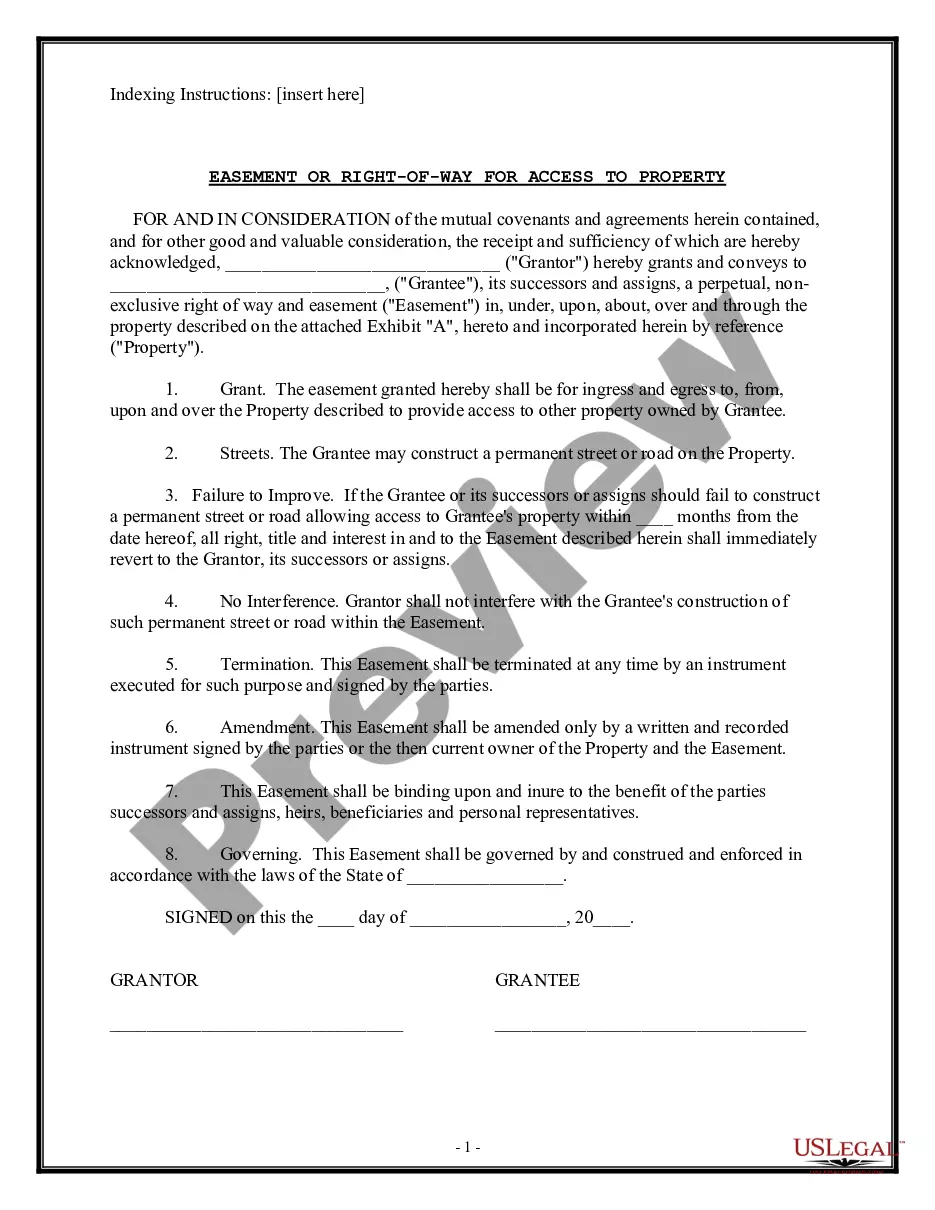
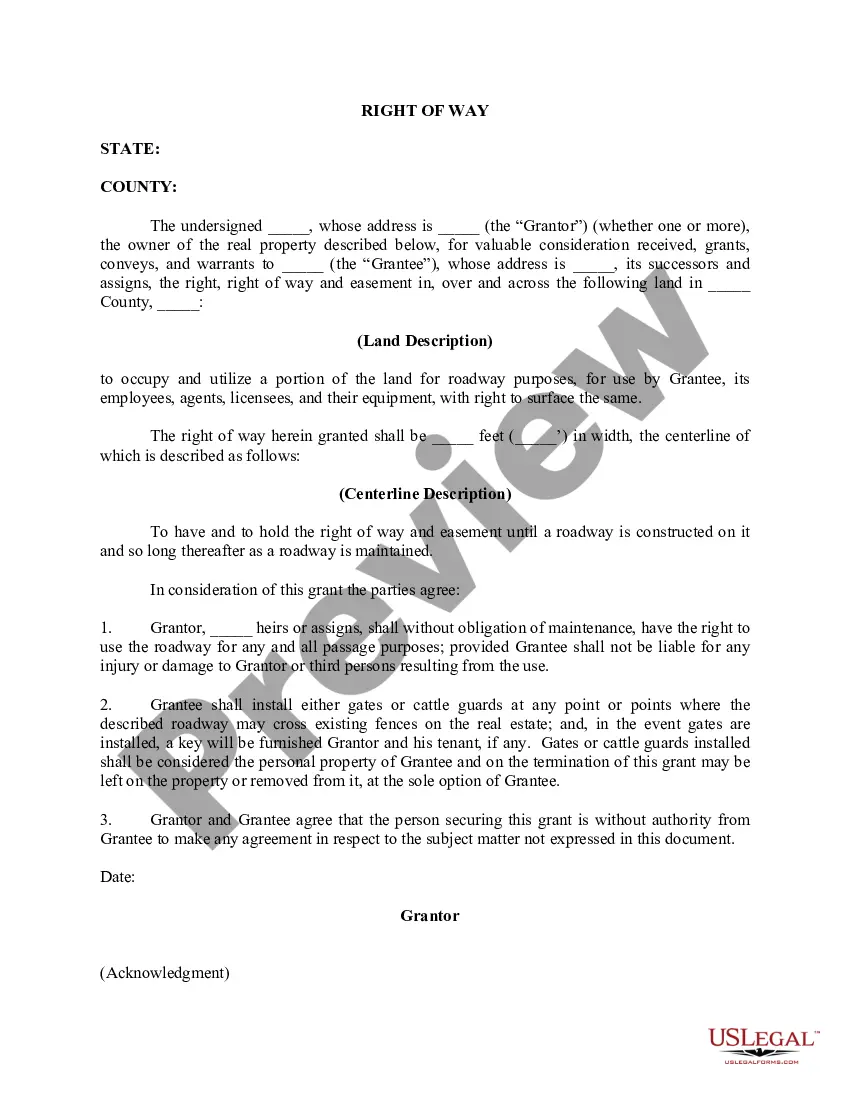
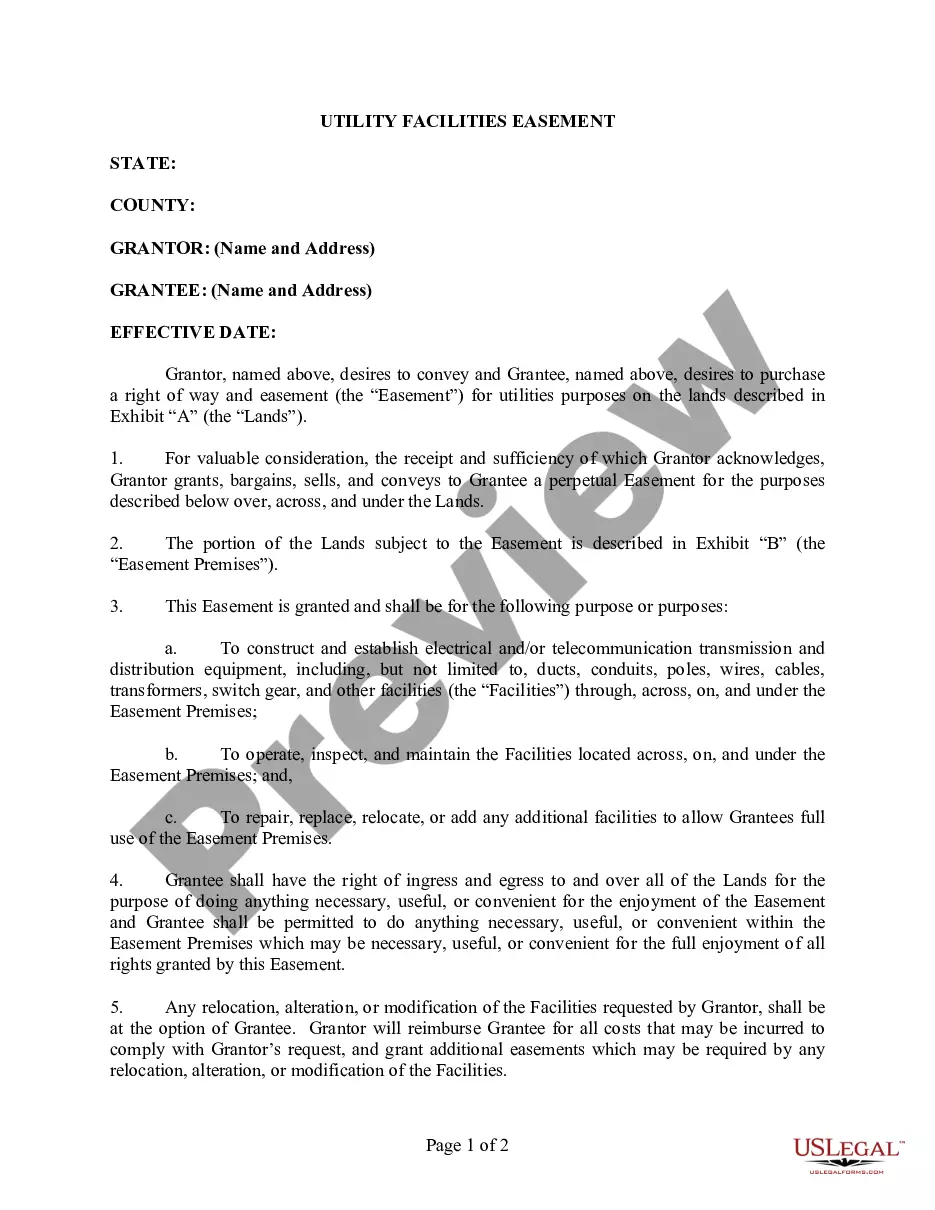
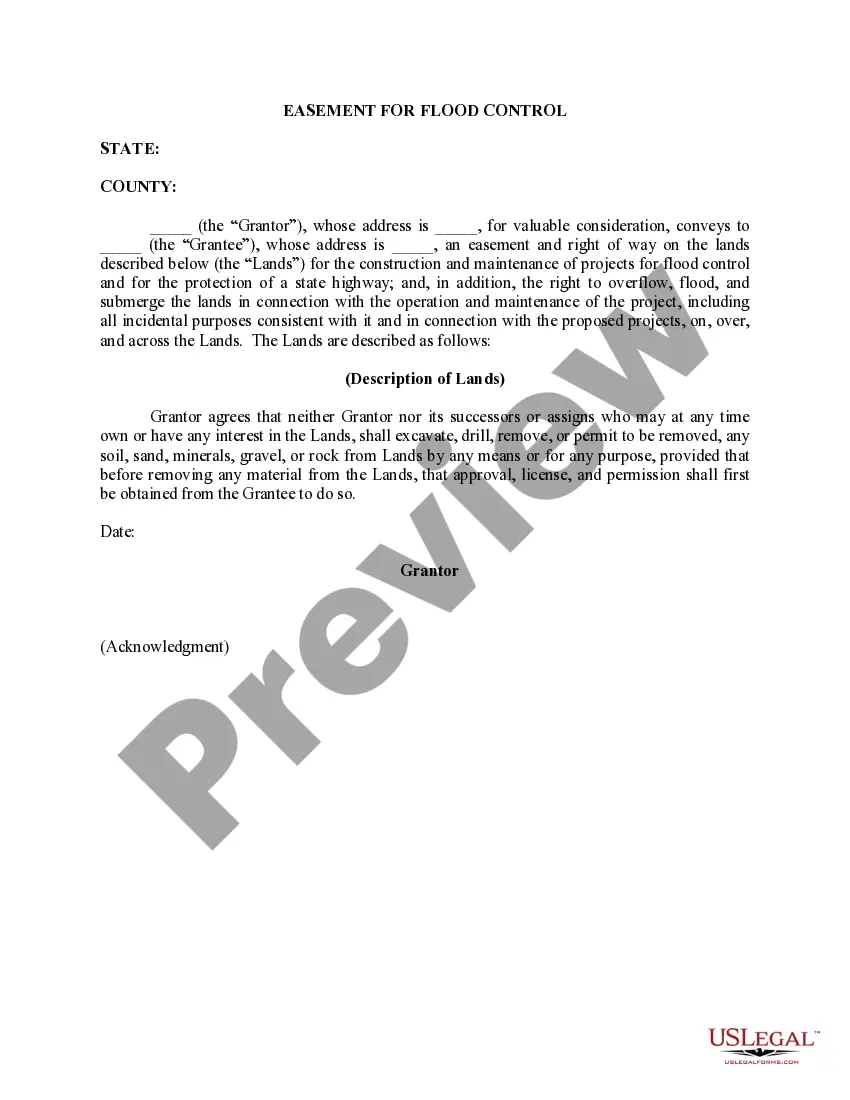
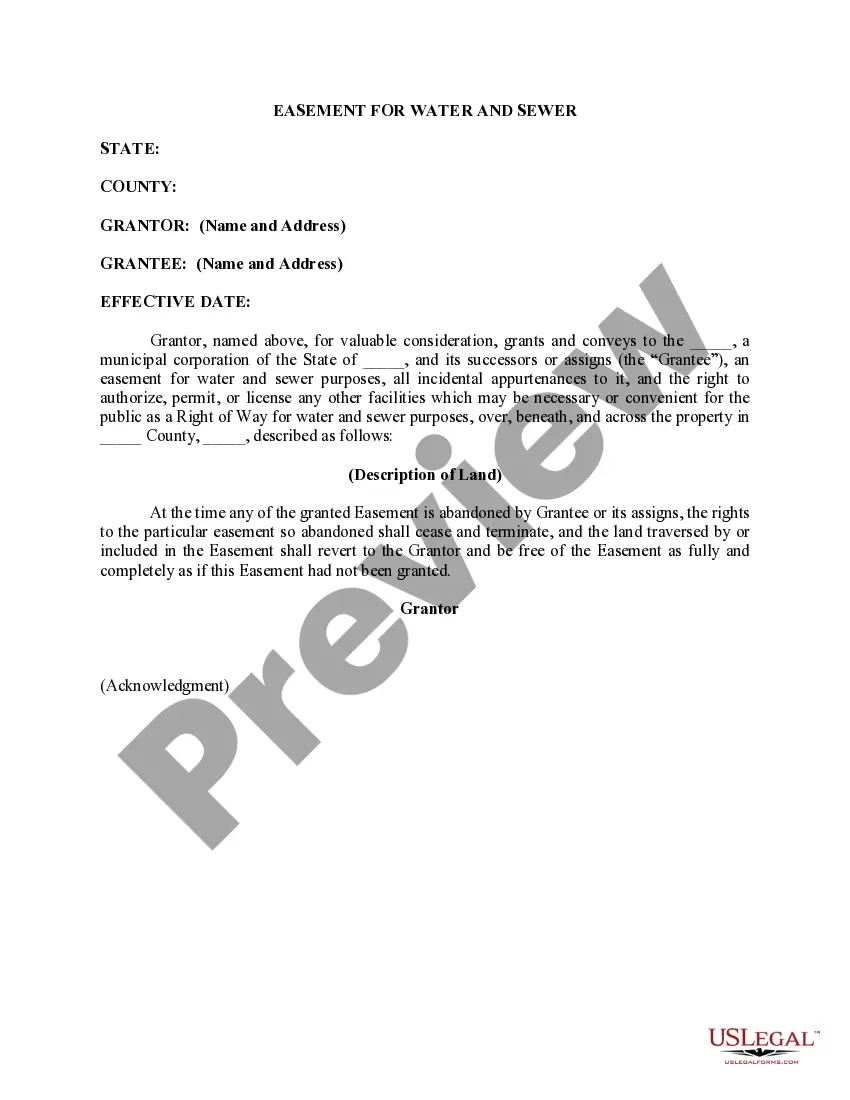
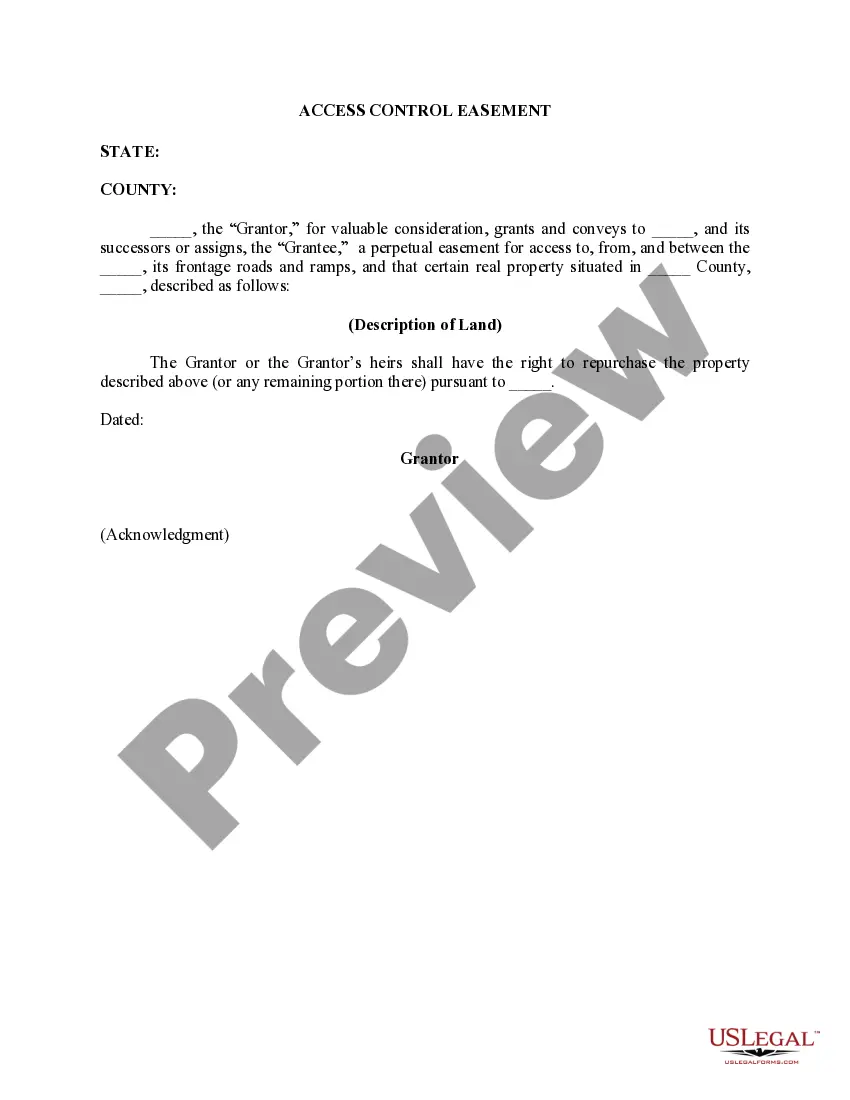
An access control easement is a legal agreement that allows a property owner to control who can enter or exit their property. It's like having a 'no entry' sign for certain folks.