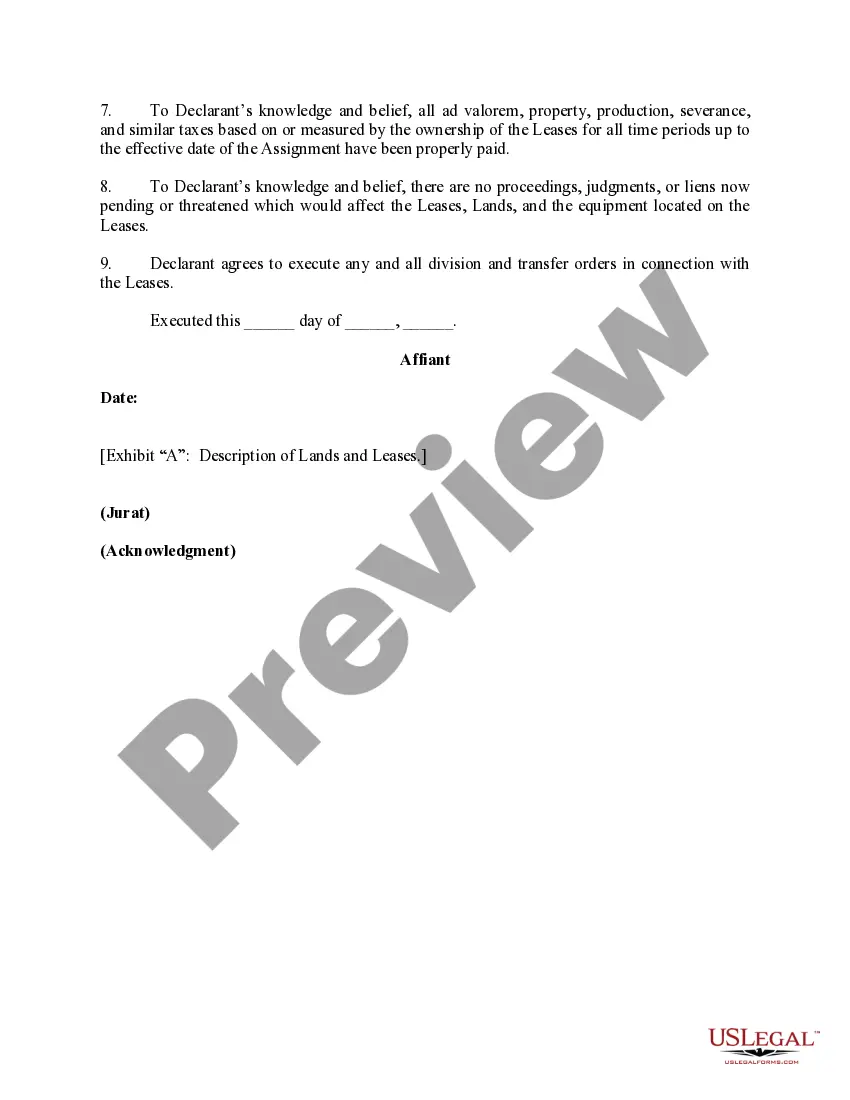
Generally, the seller of the property has to sign it. It's their signature on the dotted line that backs up the claims made in the document.
If you’re in a pickle about what to include, it's wise to consult a real estate professional. They can guide you through the murky waters.
Once you've put pen to paper and signed, making changes isn’t straightforward. You'll likely need to create an amended affidavit; it’s not just a snap of the fingers.
If you omit important issues, you could wind up in hot water. Not disclosing could lead to legal trouble down the road, so it’s best to be upfront.
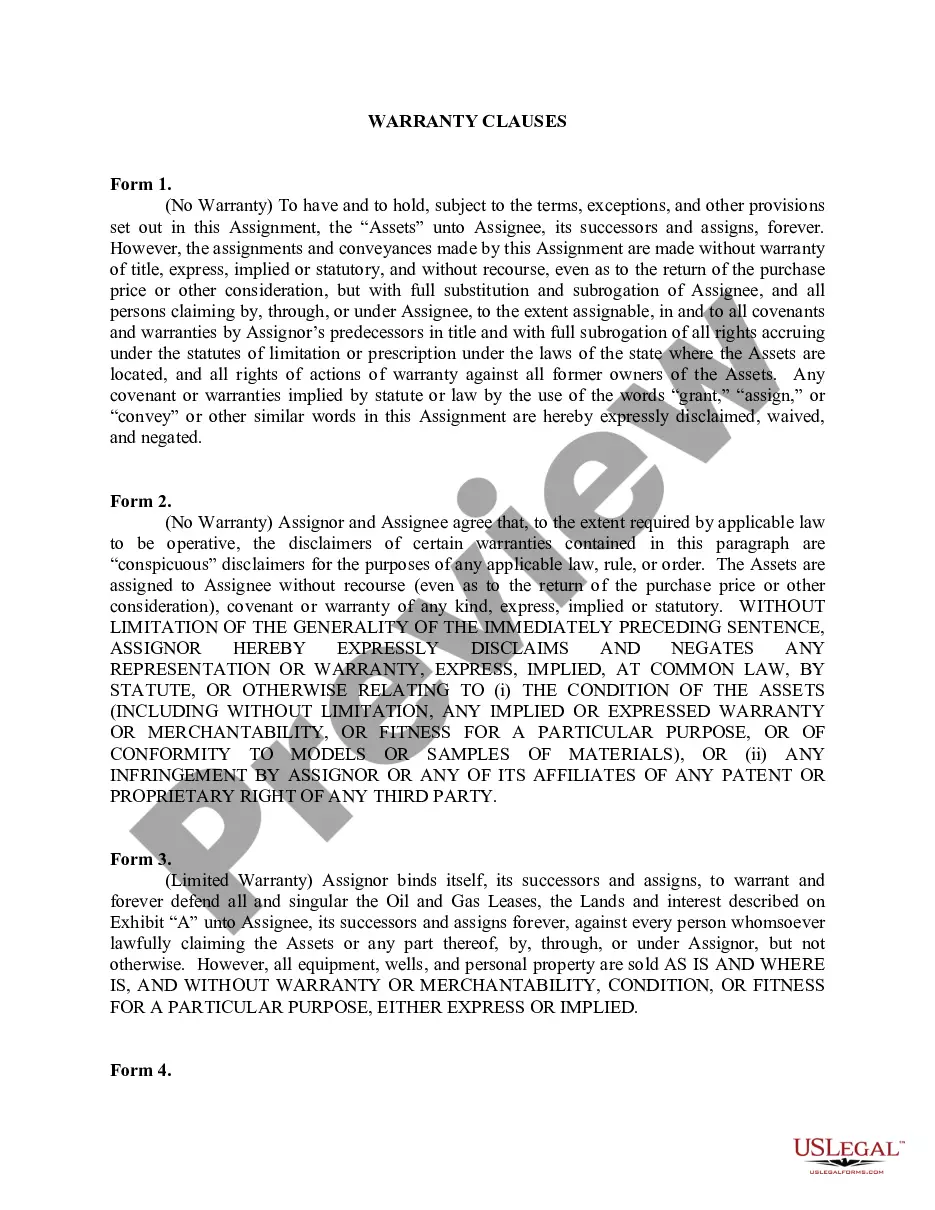
Yes, warranties can vary but often cover things like structural integrity or the working condition of major systems. It's your bread and butter when it comes to knowing what you're buying.
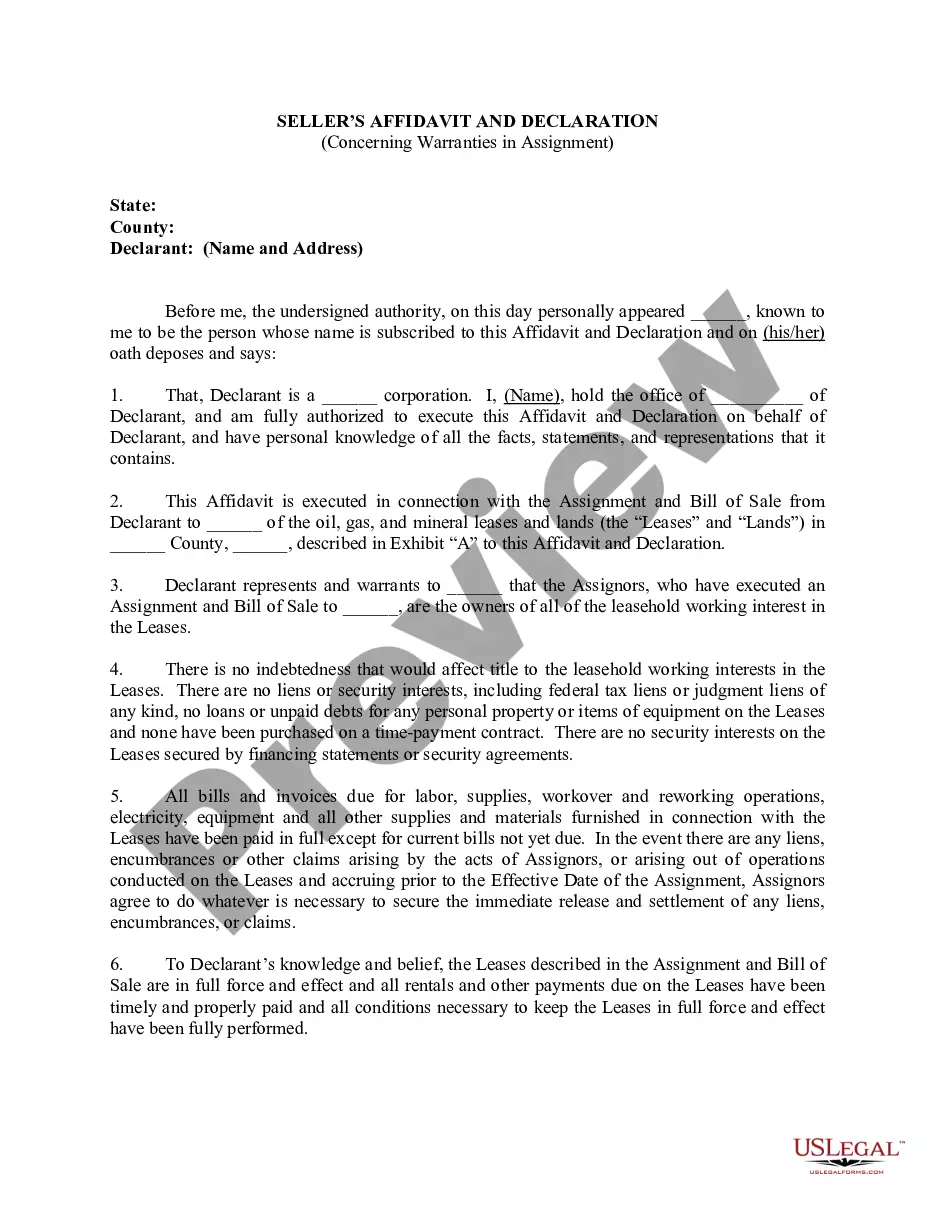
The Declaration Concerning Warranties helps clarify what warranties, if any, are being provided by the seller. It gives potential buyers a clearer picture of what to expect.
A Seller's Affidavit is a legal document where the seller declares certain facts about the property being sold. It's like a nod to honesty, ensuring all parties are on the same page.