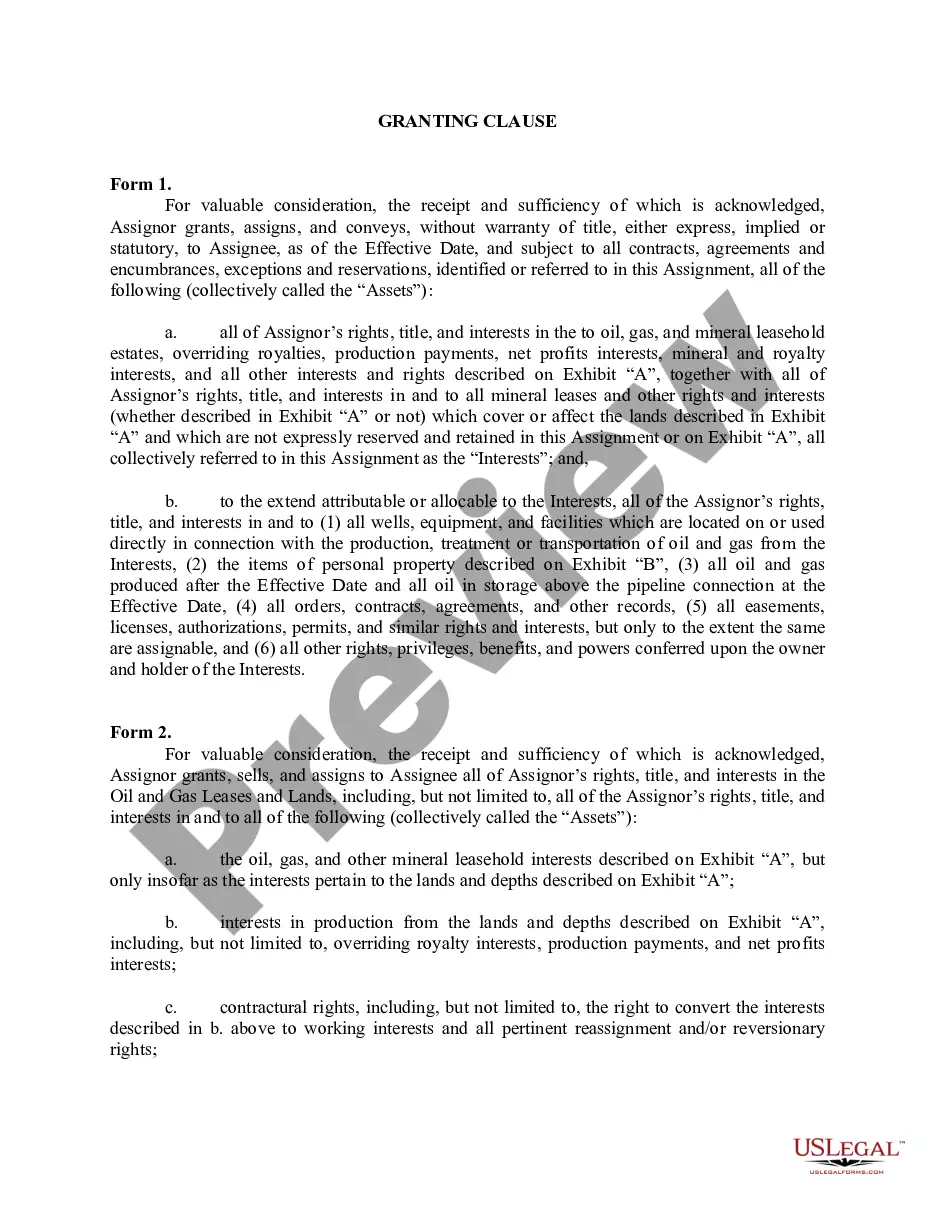
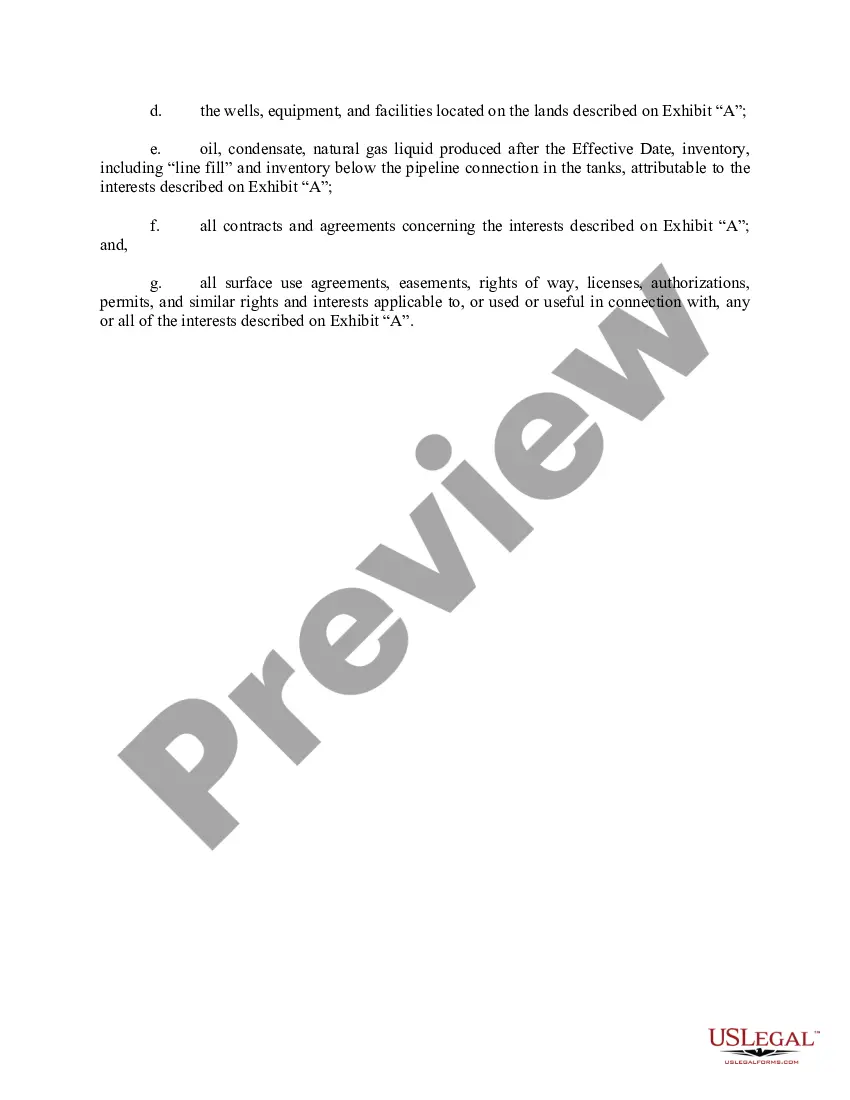
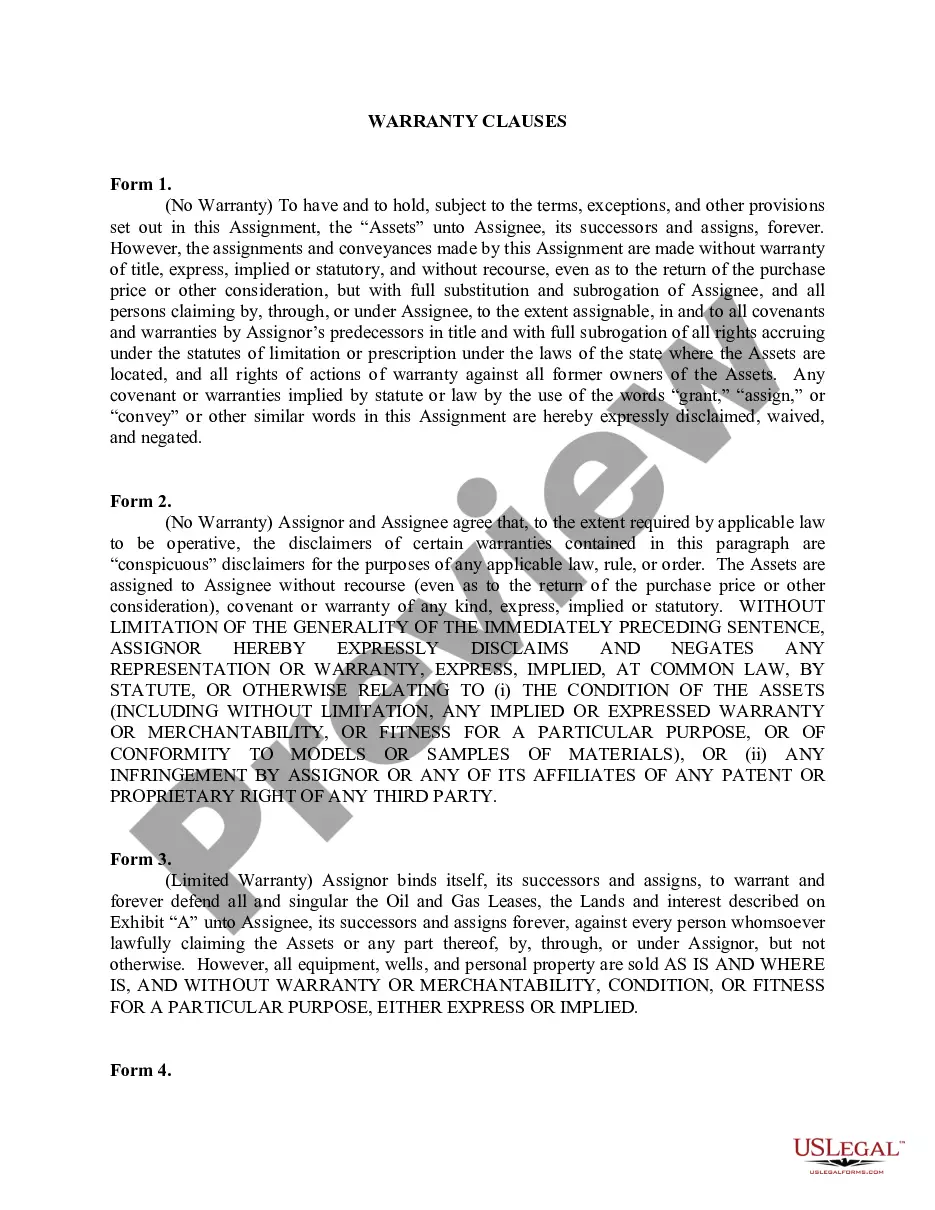
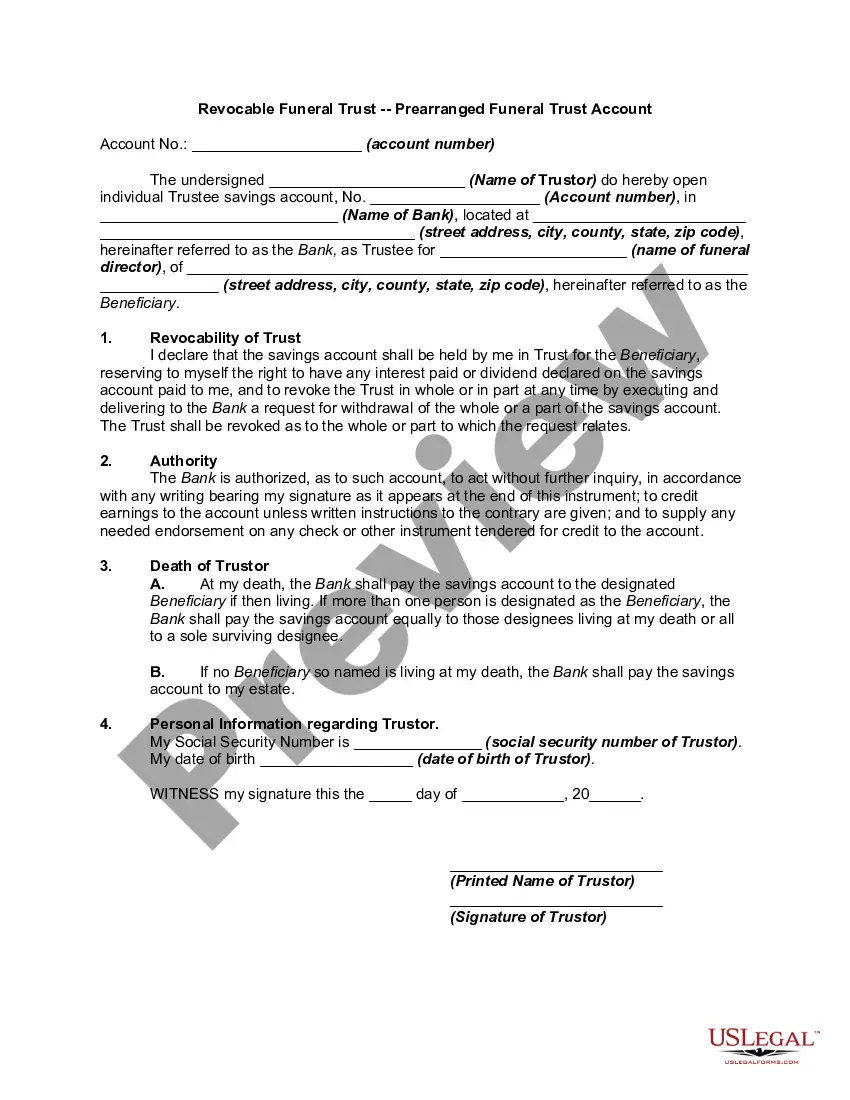
The Granting Clause form, the the receipt and sufficiency of which is acknowledged, assignor grants, assigns, and conveys, without warranty of title, either express, implied or statutory, to assignee.
If the granting clause is missing, it can lead to confusion and disputes over ownership. It's like trying to build a house without a blueprint; you might end up with a mess on your hands!
Yes, a granting clause is generally required for property transfers to ensure everything is above board. It's a key piece of the puzzle, ensuring clarity and legality in the process.
The granting clause directly affects property rights as it defines who legally owns the property. It's the cornerstone of real estate transactions, much like a handshake seals a deal.
Yes, a granting clause can be modified under certain circumstances, like if both parties agree to it. It's like adjusting the sails on a boat to catch a better wind; sometimes you need to tweak things to move forward.
A typical granting clause includes the names of the grantor (the person giving the property) and the grantee (the person receiving it), along with a description of the property. Think of it as a recipe that tells you all the key ingredients.
The granting clause is important because it officially declares the transfer of property. Without it, you might as well be passing a note that says 'It's yours!'—it lacks the necessary legal weight.
A granting clause is a part of a legal document, usually a deed, that outlines who is giving the property and who is receiving it. It's like passing the baton in a relay race; it shows the transfer of ownership.