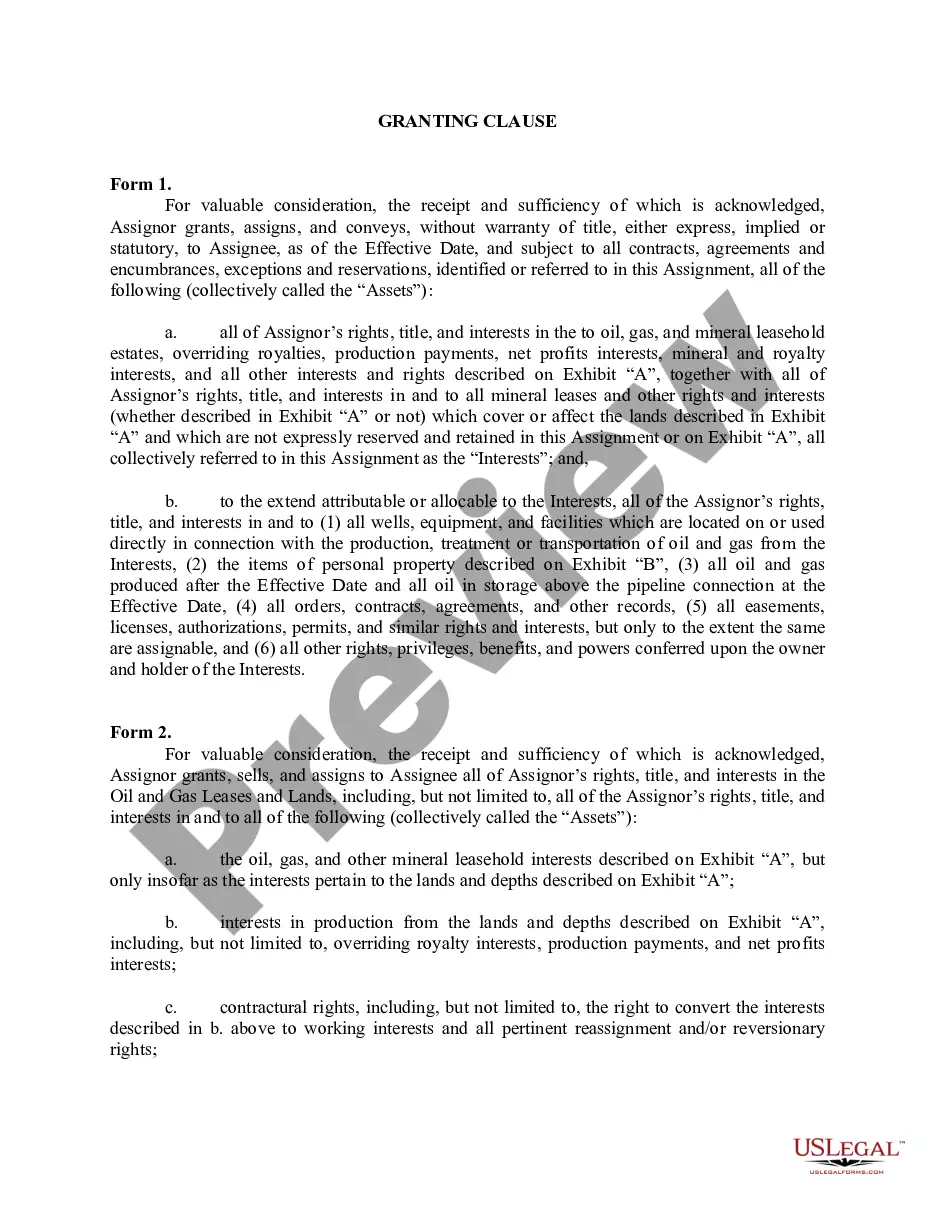
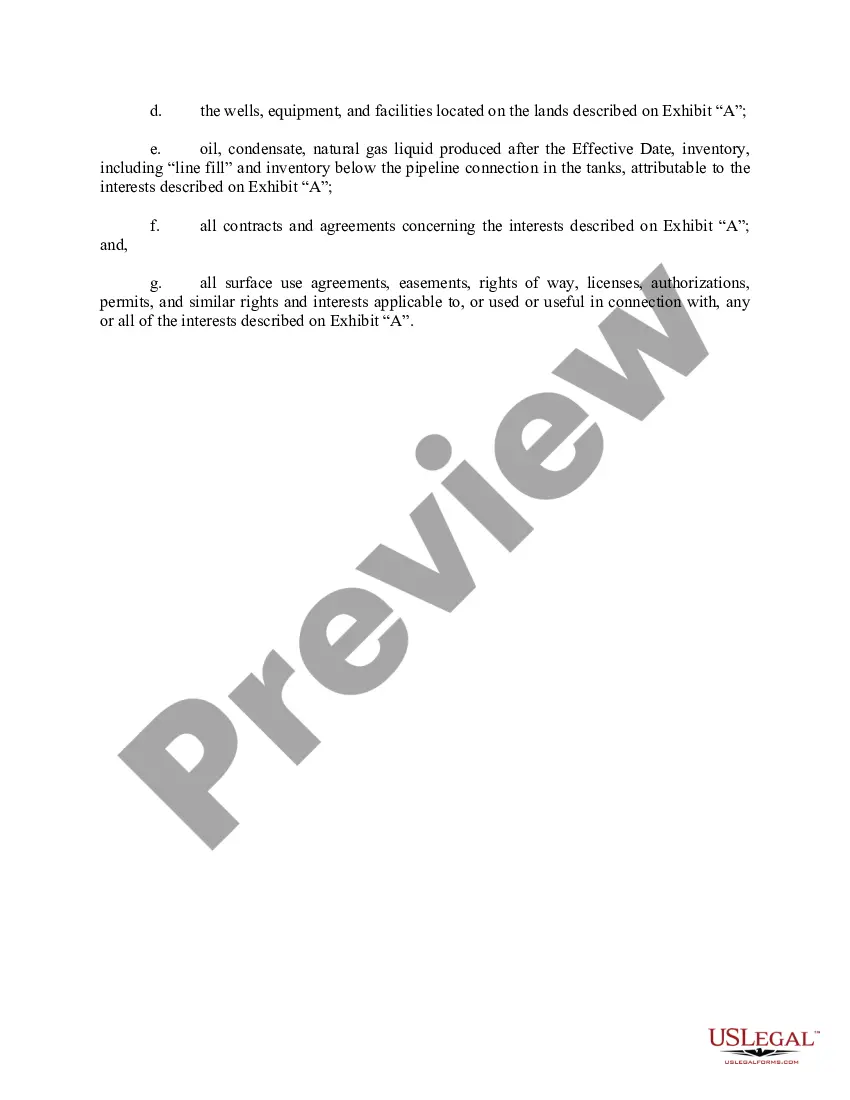
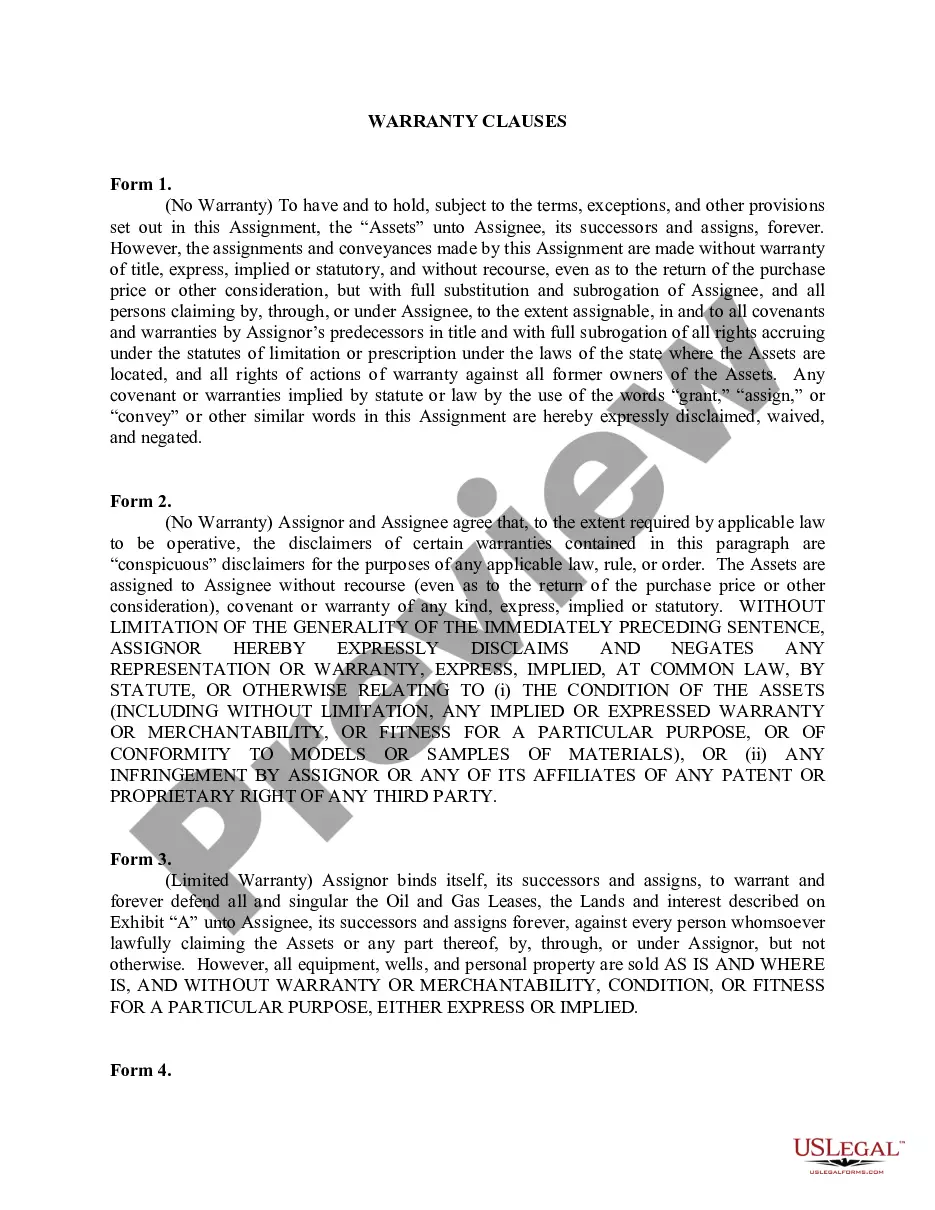
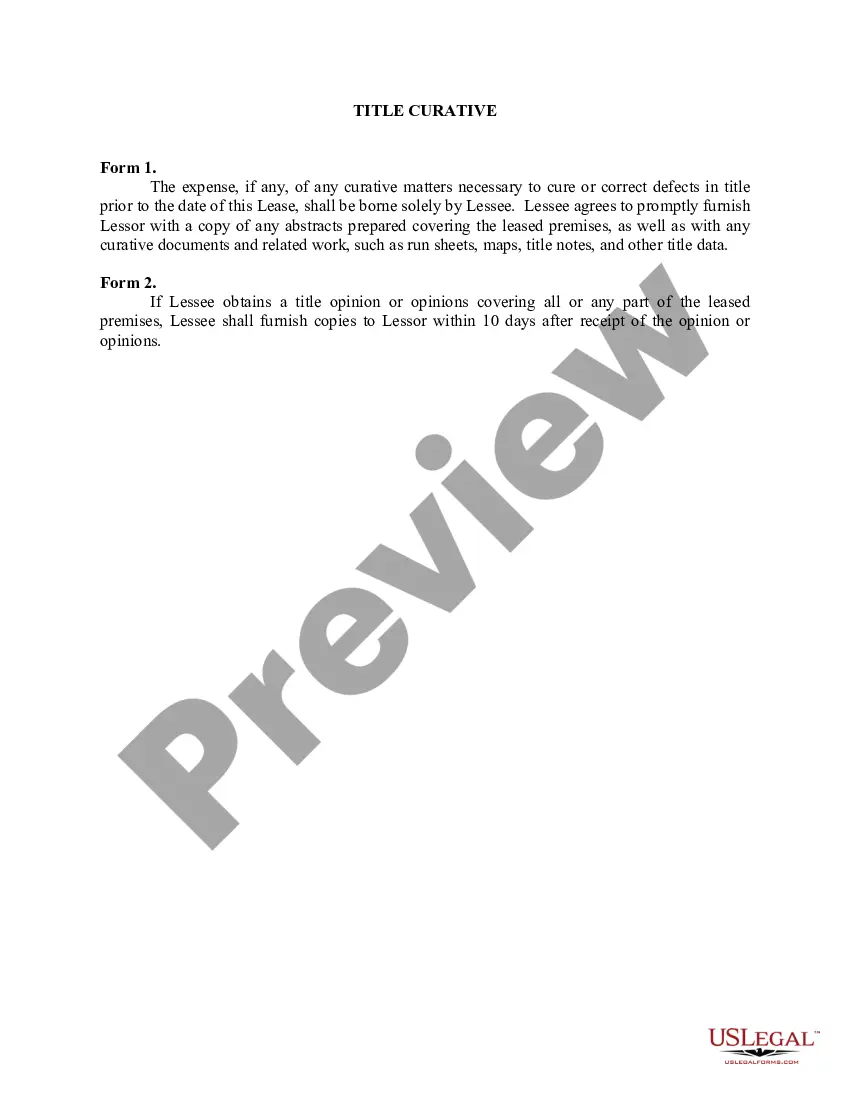
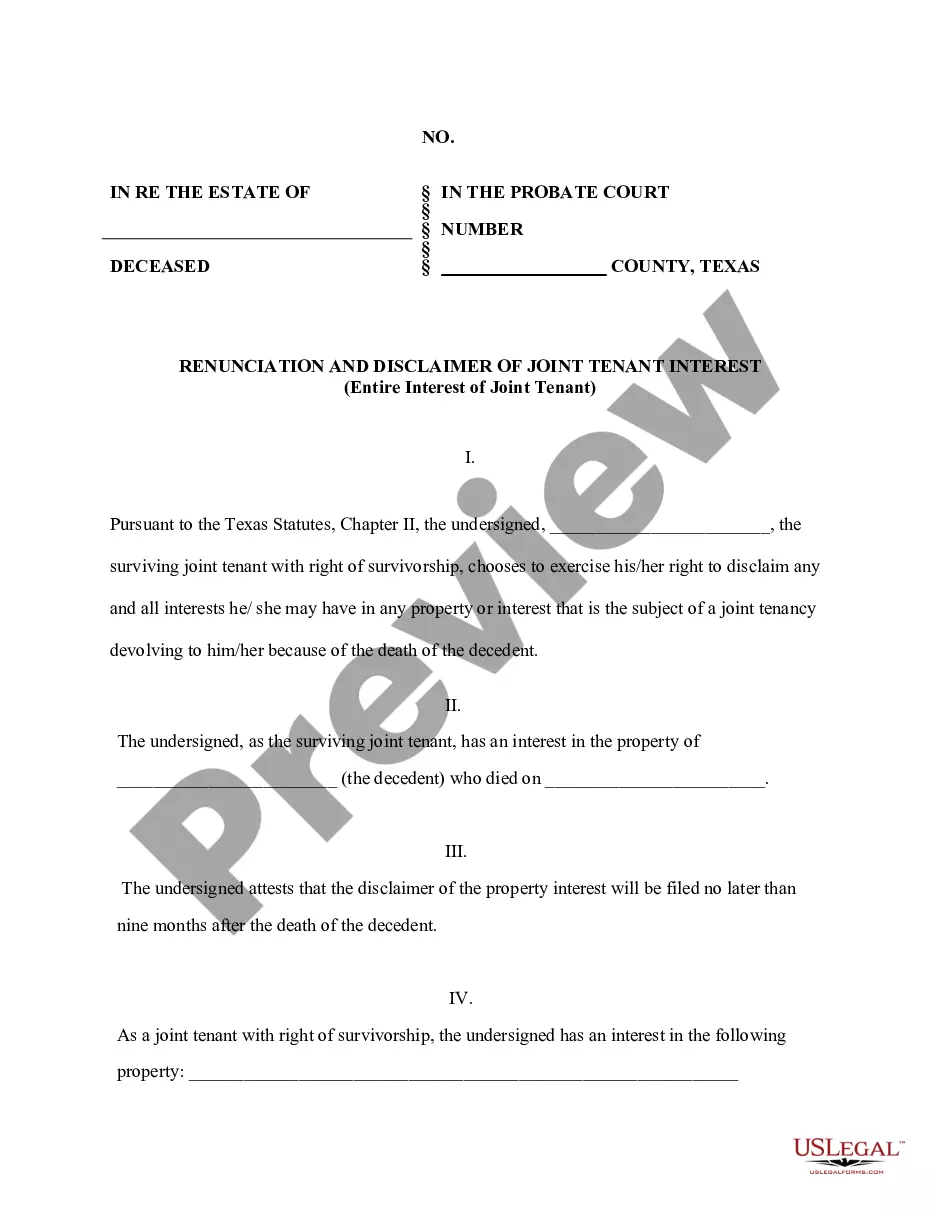
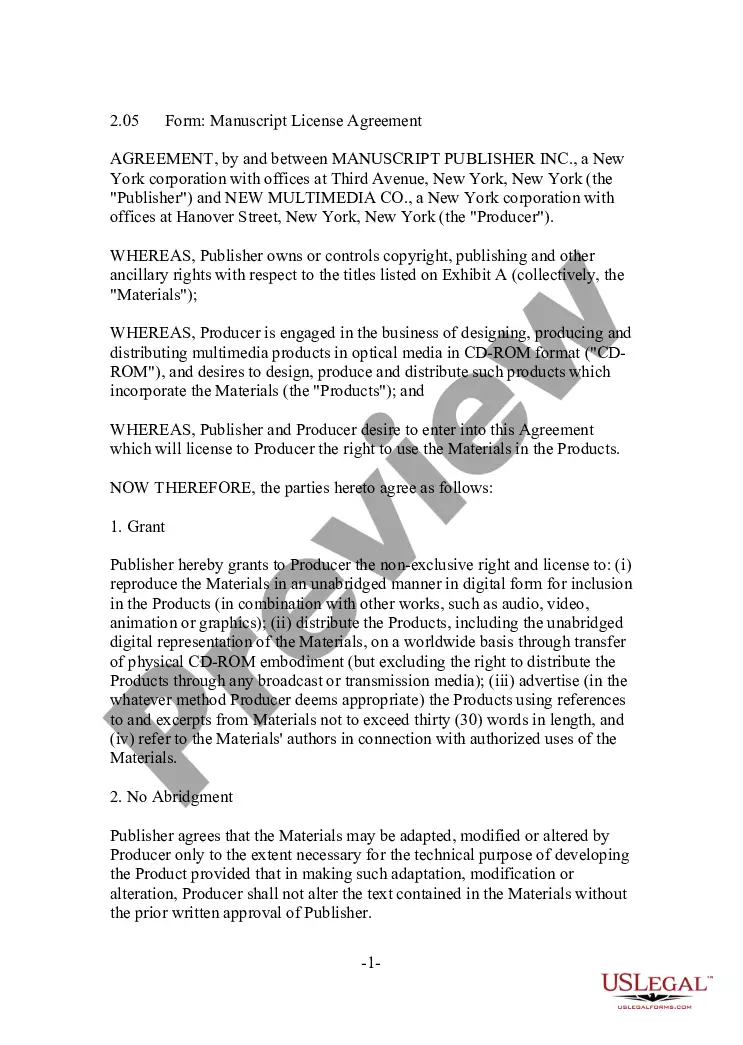
The Granting Clause form, the the receipt and sufficiency of which is acknowledged, assignor grants, assigns, and conveys, without warranty of title, either express, implied or statutory, to assignee.
You can find examples of granting clauses by checking out local property records, talking to a real estate agent, or consulting legal resources. It's like digging for treasure in the files!
If a kerfuffle arises over the granting clause, it often leads to a legal showdown. It's wise to have a legal eagle on your side to help sort things out and keep the peace.
To make sure your granting clause stands firm, it should be written clearly, signed by the right folks, and ideally, notarized. Think of it as putting a stamp of approval on your intentions.
A good granting clause should include the name of the grantor and grantee, a clear description of the property, and any specific rights or restrictions that come with it. Think of it as laying out the rules of the game.
Changing a granting clause isn't a walk in the park, but it can be done. You'll need to follow a legal process, and getting some expert advice is always a smart move.
The granting clause is a big deal because it puts everything on the table. It helps to clear up any confusion about who owns what and makes sure that property rights are clear as day.
A granting clause is like a road sign that shows who gets what when it comes to property. It outlines how ownership is transferred and what rights come along with it.