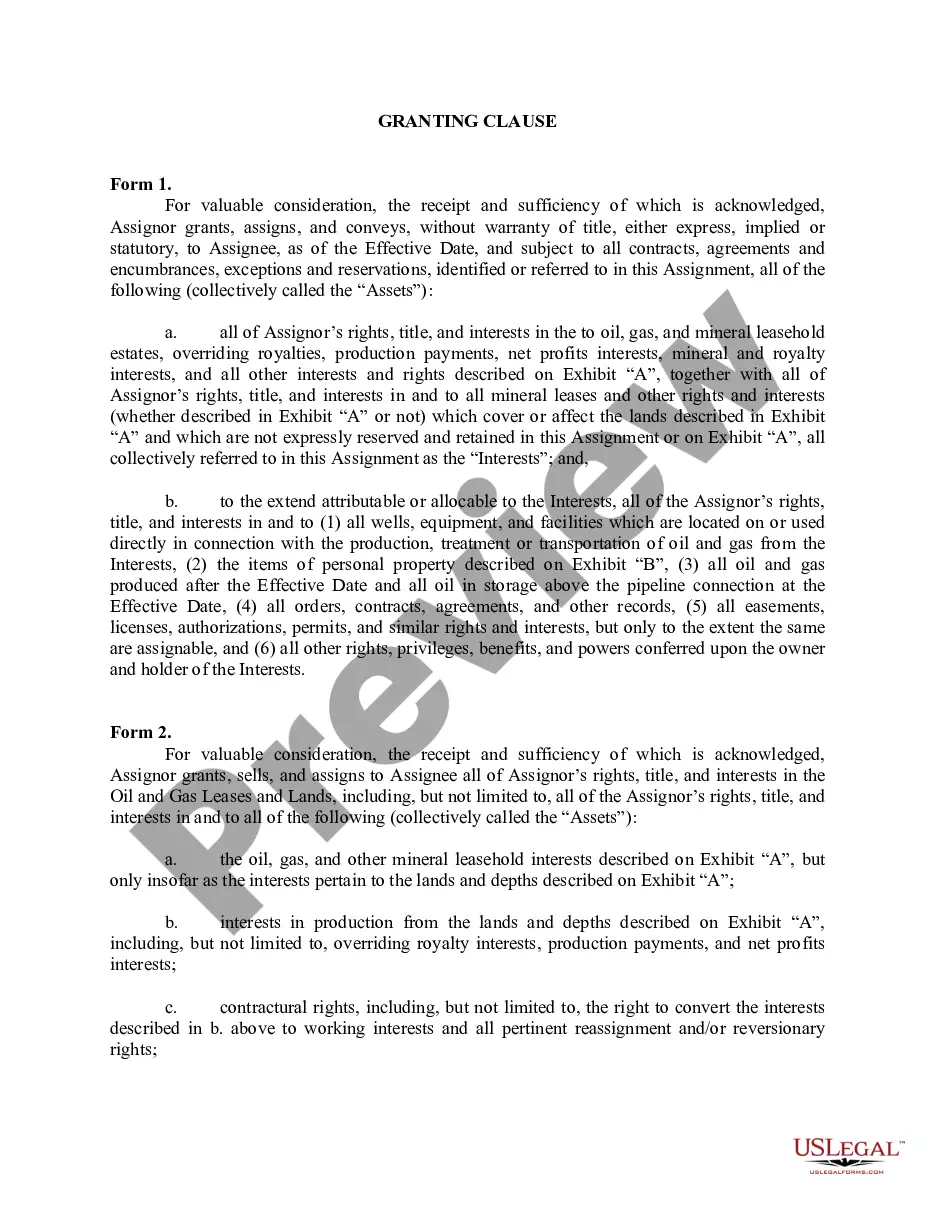
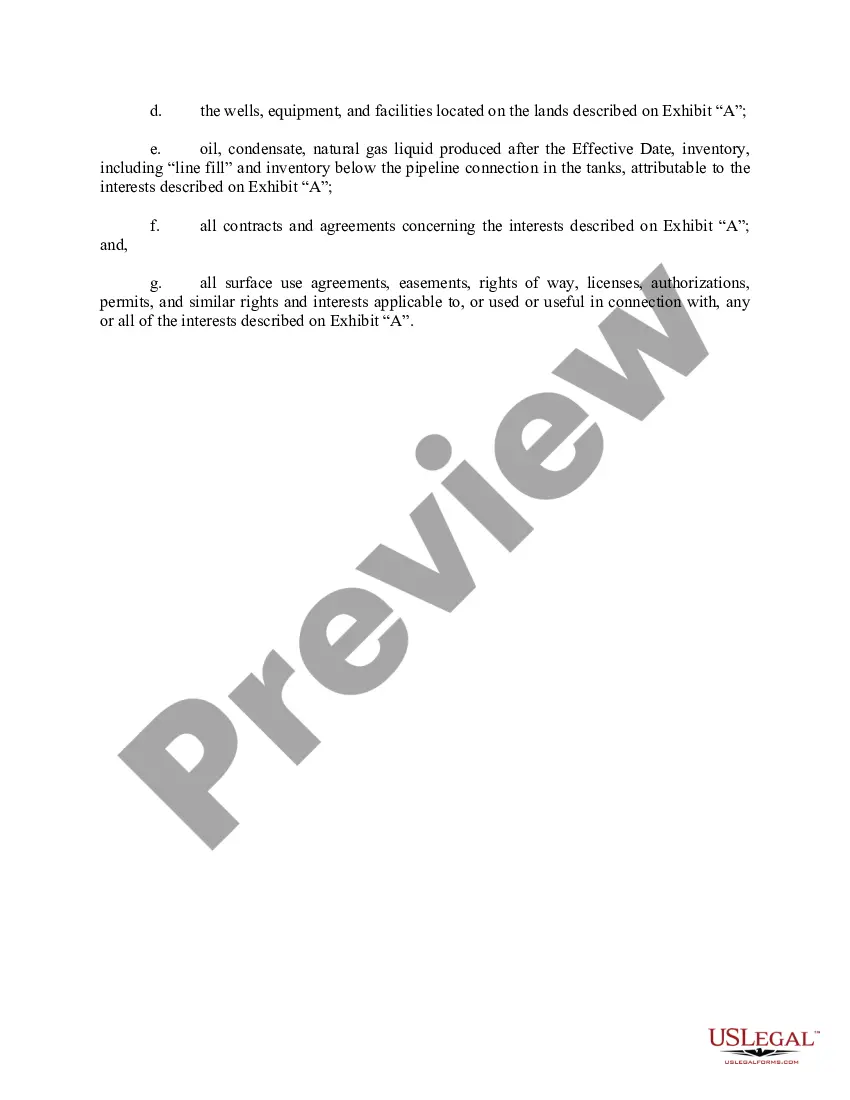
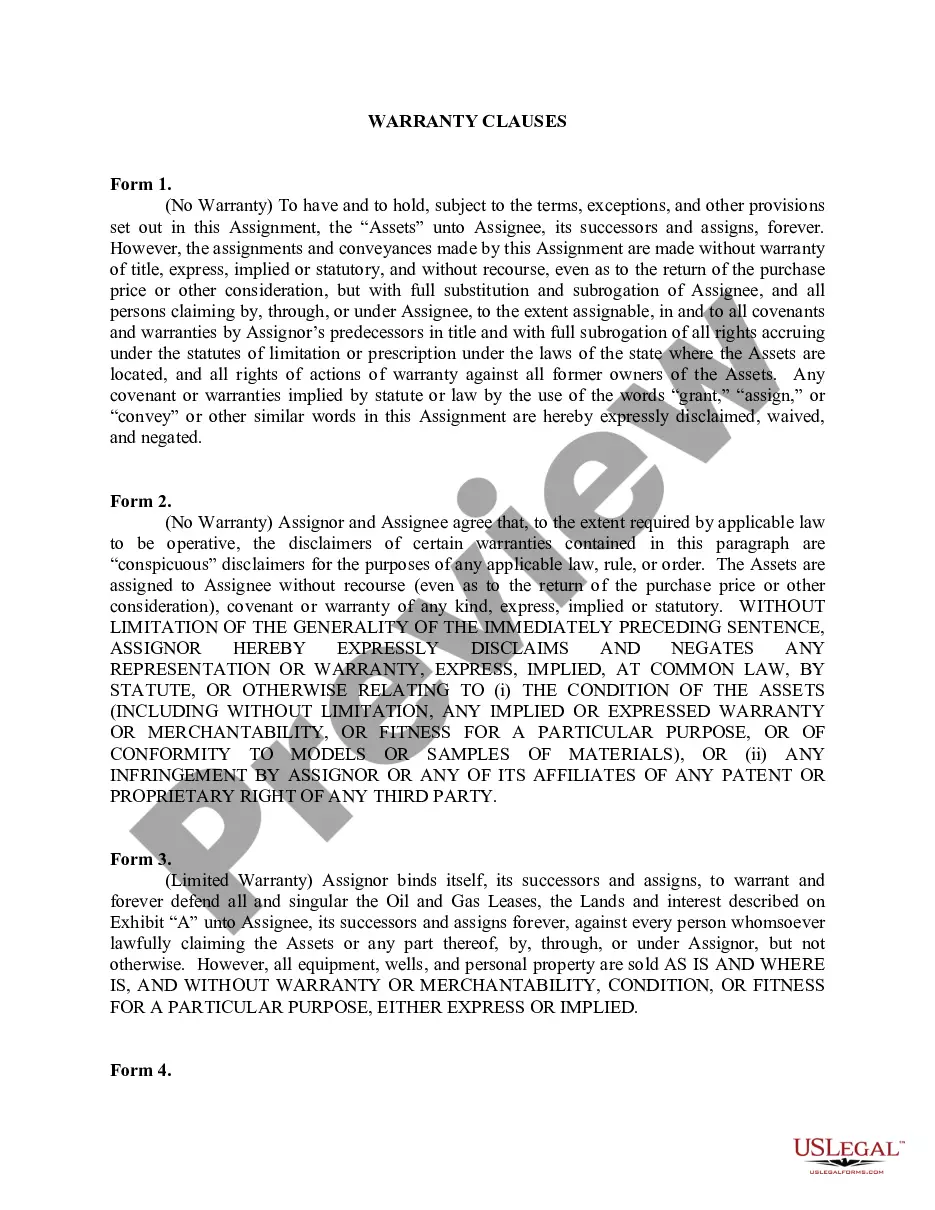
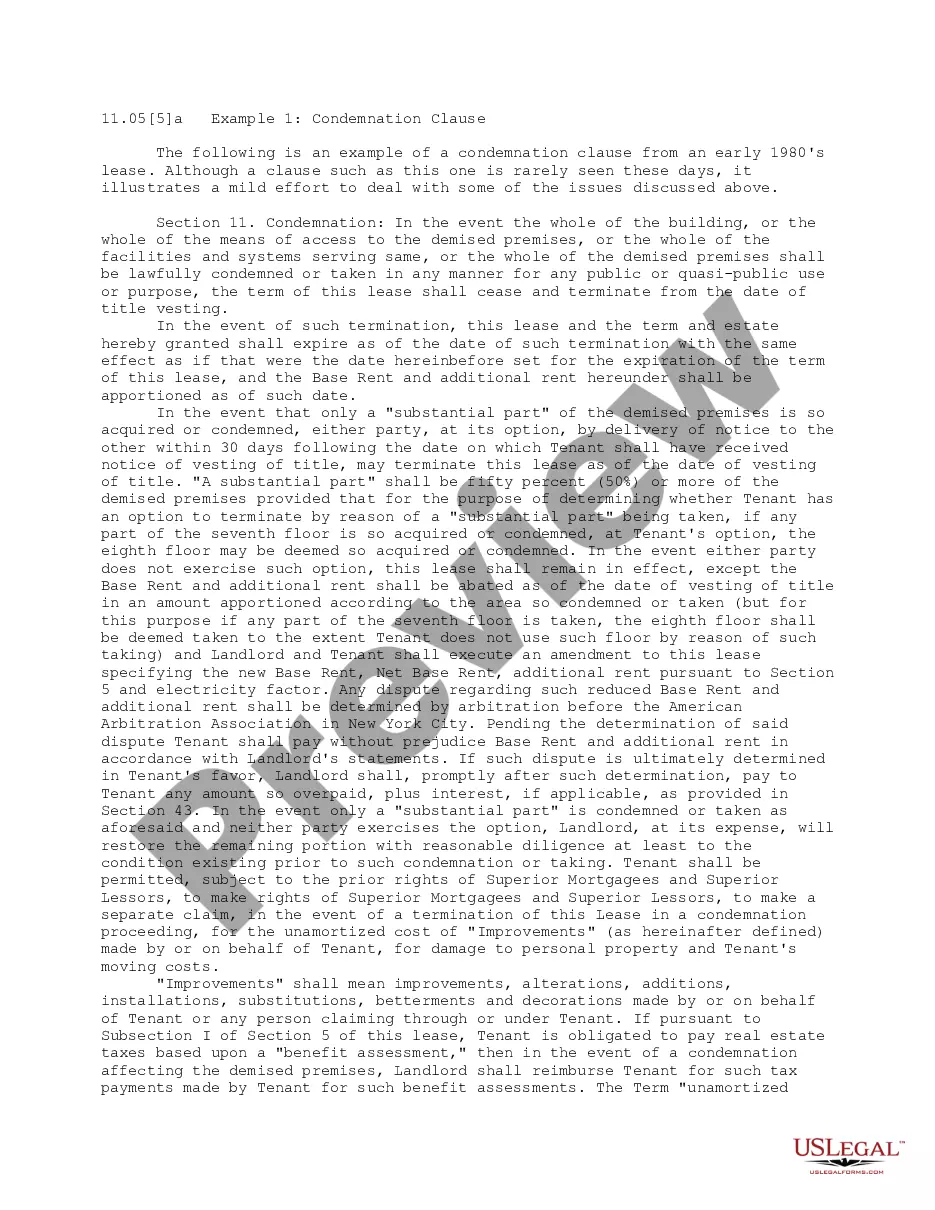
The Granting Clause form, the the receipt and sufficiency of which is acknowledged, assignor grants, assigns, and conveys, without warranty of title, either express, implied or statutory, to assignee.
You can usually find it in the property deed or with the county records office. It's like digging up treasure to see what you've got!
If it's not clear, it can lead to disputes. It's like playing a game without knowing the rules – not fun and often messy!
The granting clause doesn't directly affect property taxes, but it does define ownership, which can impact how taxes are assessed. It's all tied up in the big picture of property rights.
Yes, it can be modified if all parties agree to the changes. Just like rewriting a recipe to make it a bit more personal.
When property changes hands, the granting clause ensures that all rights and interests in the property are passed along too. It's like handing over the keys to a new owner.
It's crucial because it outlines the responsibilities and privileges of the property owner. Think of it as the rules of the road for property ownership.
The granting clause is a part of property deeds that explains who owns the land and what rights come with it. It's like the bread and butter of property ownership.