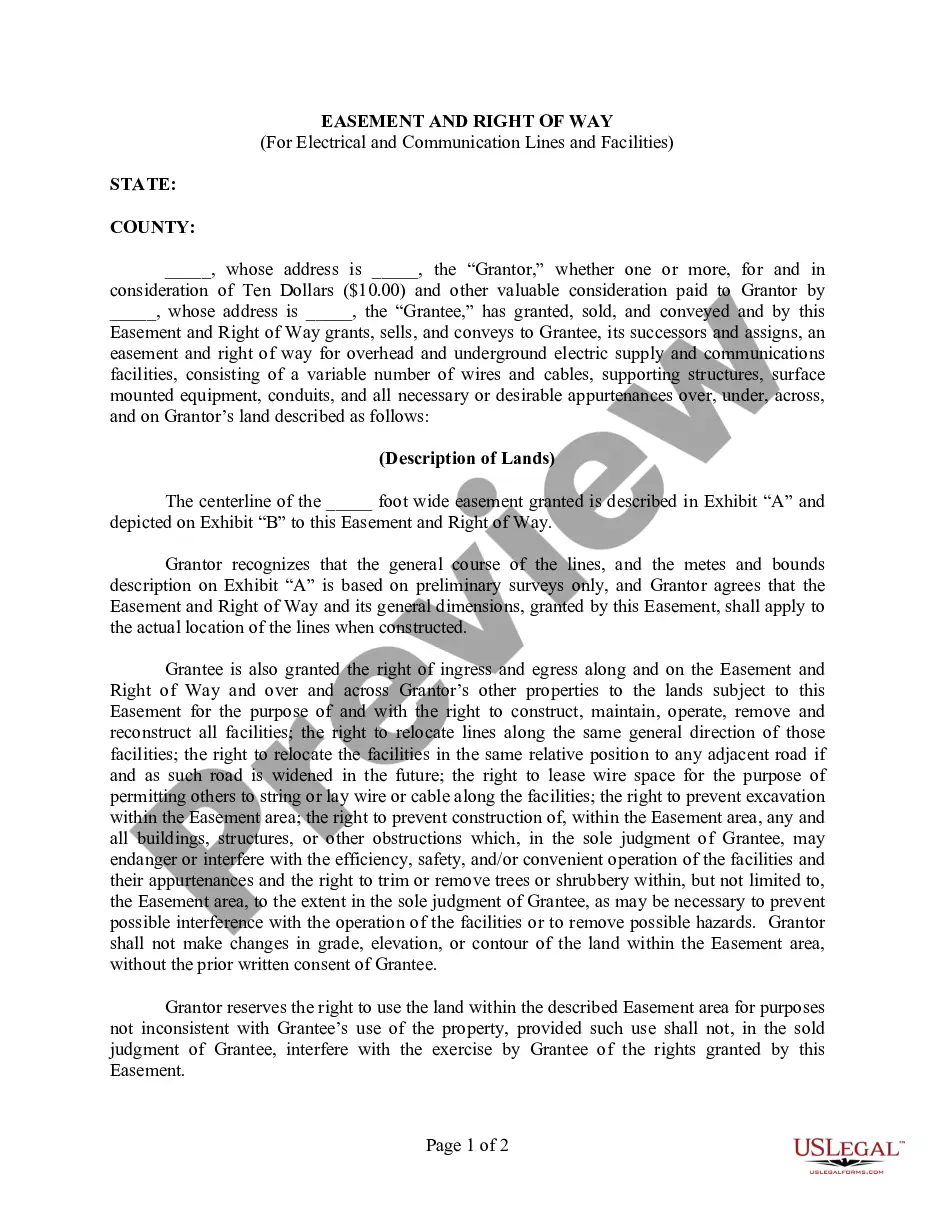
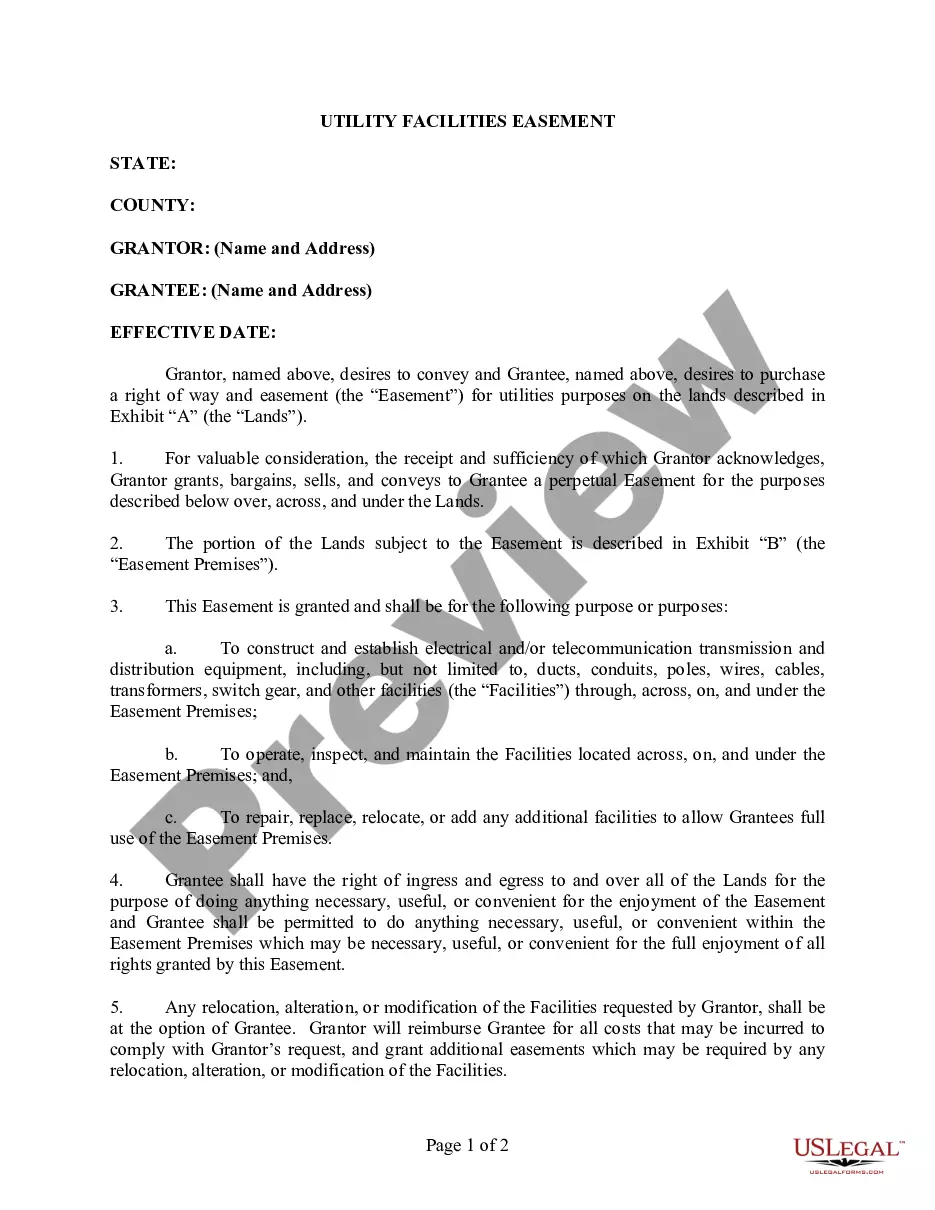
Contra Costa California Utility Facilities Easement
Description
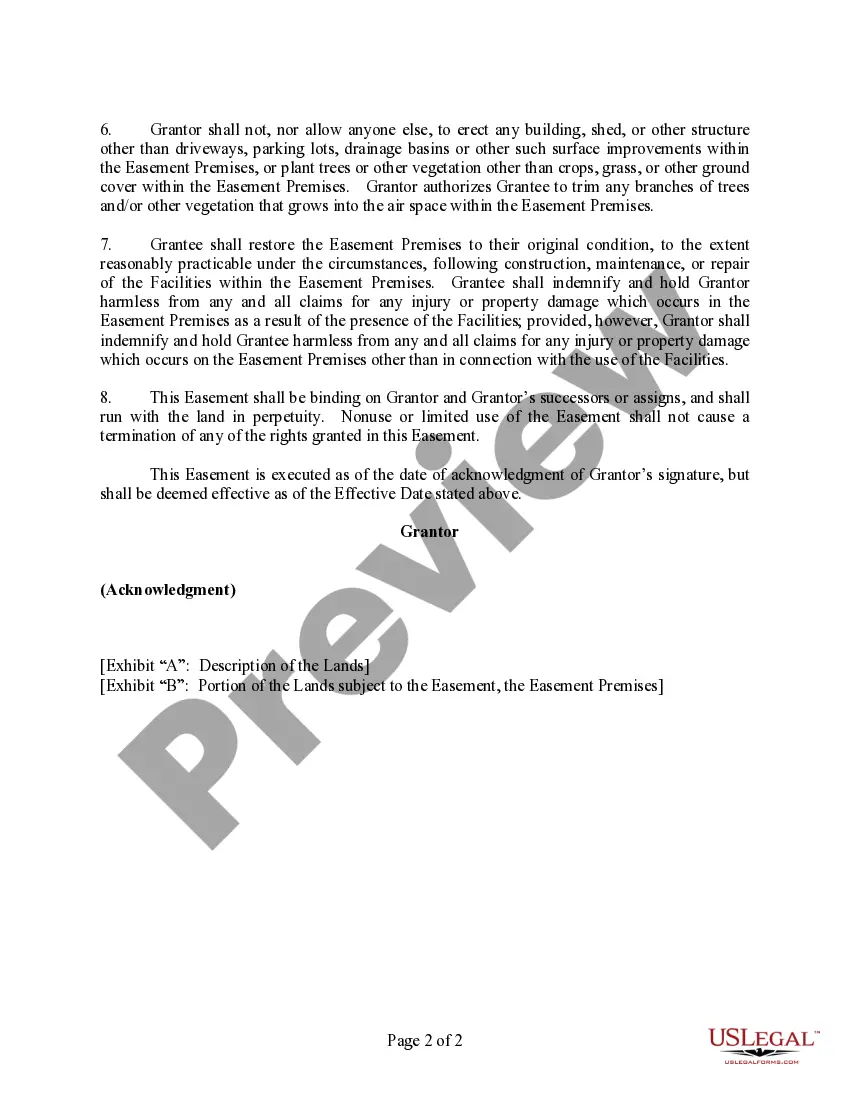
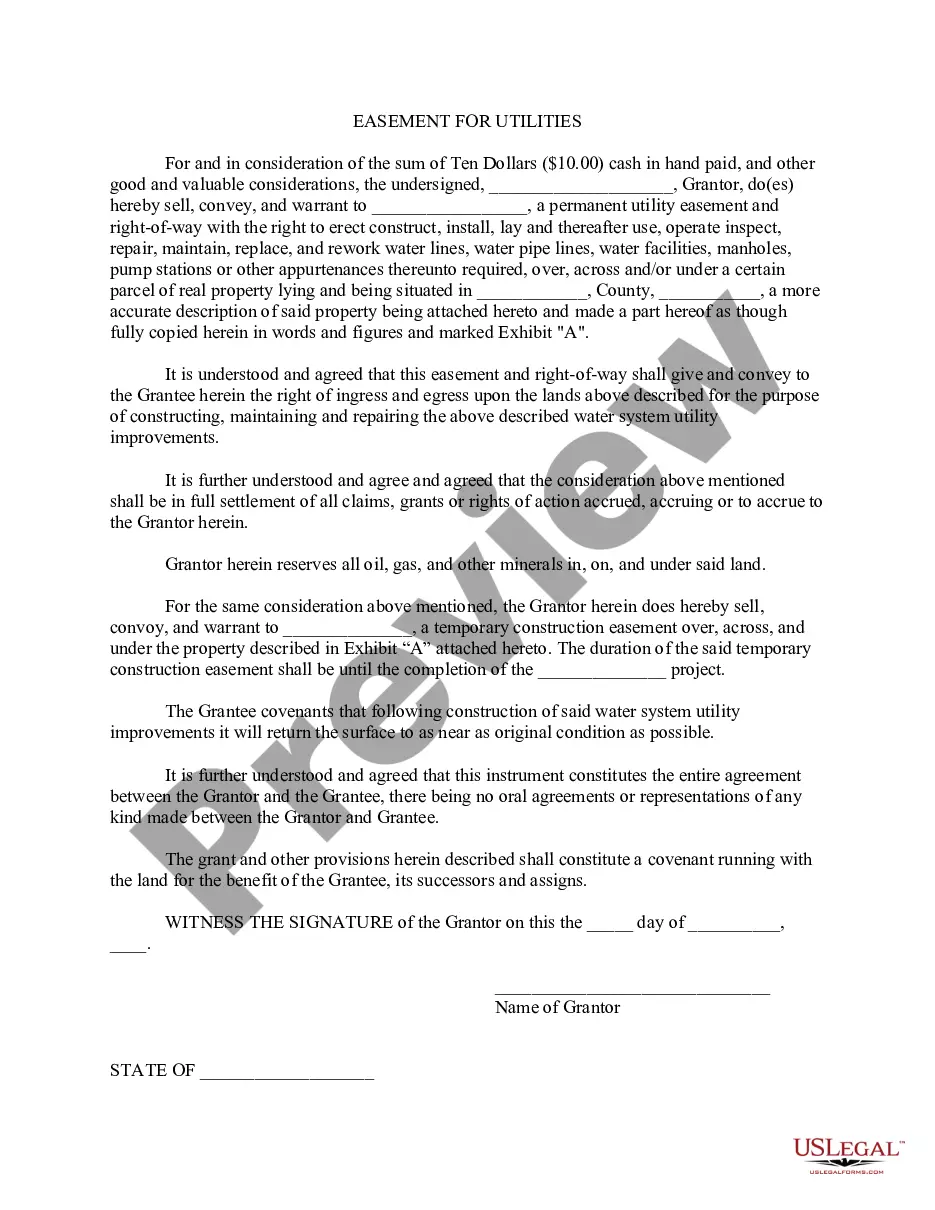
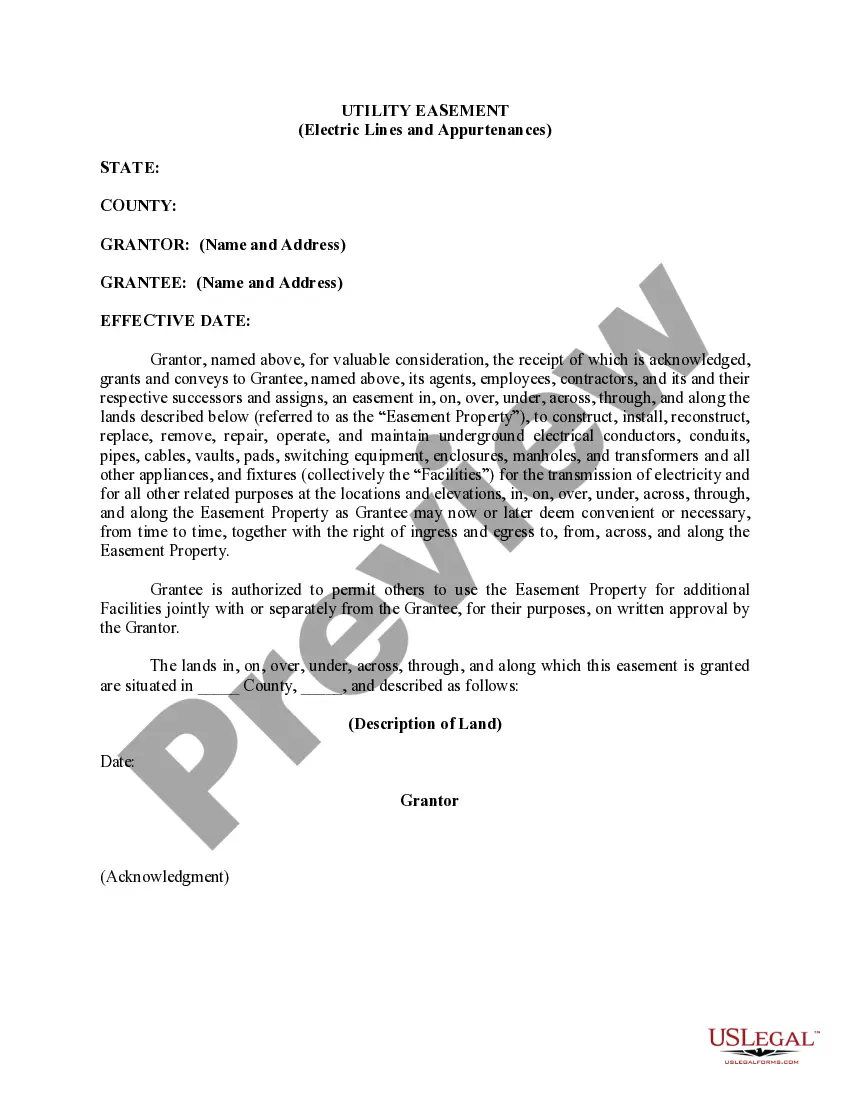
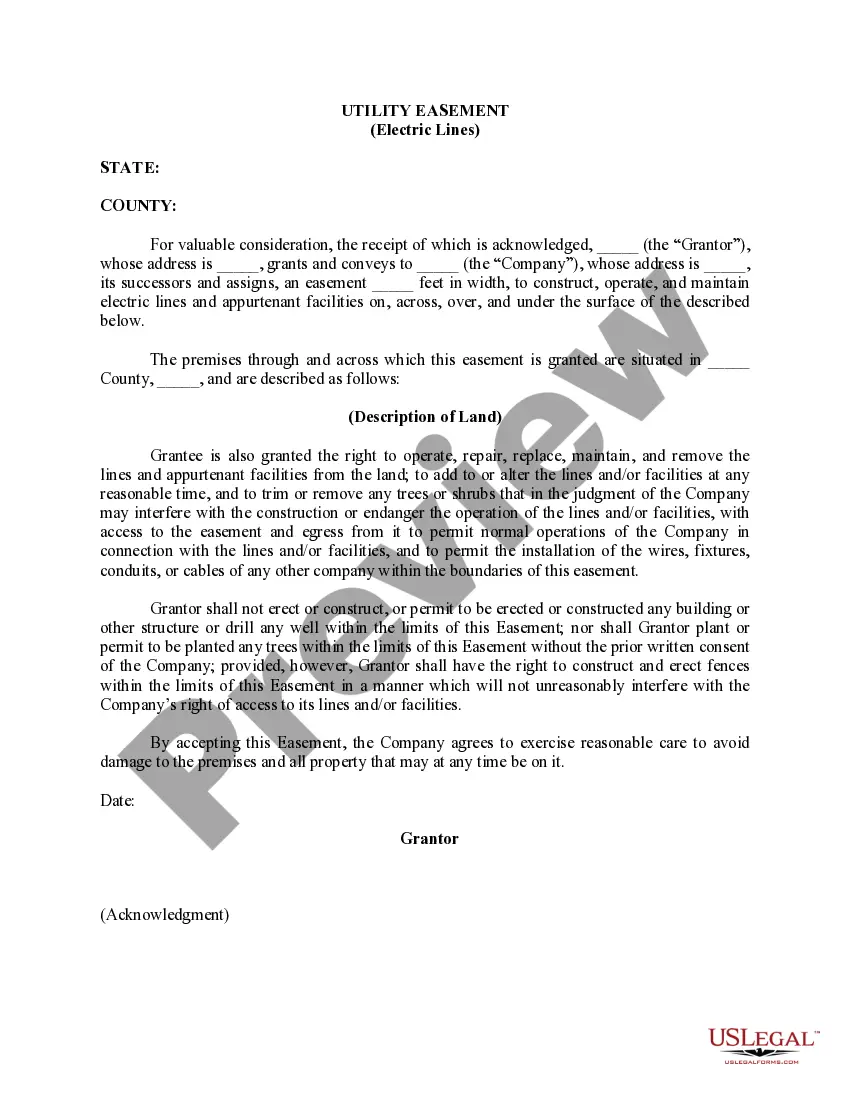







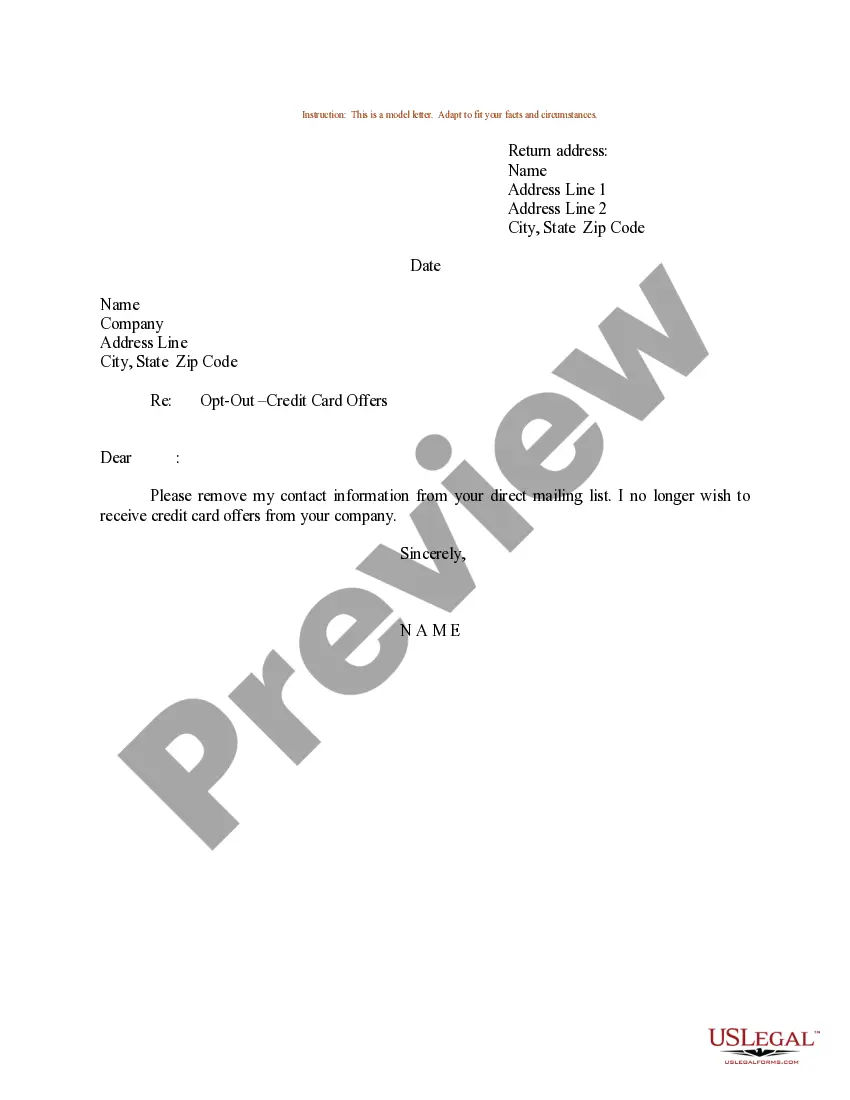
How to fill out Utility Facilities Easement?
Drafting legal papers can be laborious.
Moreover, if you choose to hire an attorney to create a commercial contract, documents for ownership transfer, pre-nuptial agreement, divorce documents, or the Contra Costa Utility Facilities Easement, it could cost you a significant amount.
Browse the page and ensure there is a template for your locality.
- So what is the most sensible method to conserve time and finances and compose legitimate documents in full adherence to your state and local laws.
- US Legal Forms is a superb option, whether you're looking for templates for your personal or business requirements.
- US Legal Forms is the largest online repository of state-specific legal documents, offering users the latest and professionally verified templates for every situation consolidated in one location.
- As a result, if you require the most current version of the Contra Costa Utility Facilities Easement, you can effortlessly locate it on our platform.
- Acquiring the documents takes minimal time.
- Users who already have an account should confirm their subscription is current, Log In, and select the sample using the Download button.
- If you haven't registered yet, here's how you can secure the Contra Costa Utility Facilities Easement.
Form popularity
FAQ
In California, an easement is defined as a right granted to an entity to use a piece of property belonging to a separate individual or entity for a specific purpose. The most common types of easements in real estate are those that grant road or utility access.
Generally, fences and retaining walls that meet these criteria do not require planning approval and permits are not needed.
A public utility is an entity that provides goods or services to the general public. Public utilities may include common carriers as well as corporations that provide electric, gas, water, heat, and television cable systems.
You may need to obtain a permit before you're able to build a fence on your property. The height of your potential fence, the location of your property, and where on the property the fence is set to be built will determine if a permit is necessary.
A Wall and Fences Permit is required when a project requires to construct any masonry/retaining walls or chain link or iron fencing. Prior to starting construction you will be required to submit plans and any necessary supporting documentation for review and approval by the County.
Residential: $13 per each $100,000 of building valuation. Commercial: $20 per each $100,000 of building valuation.
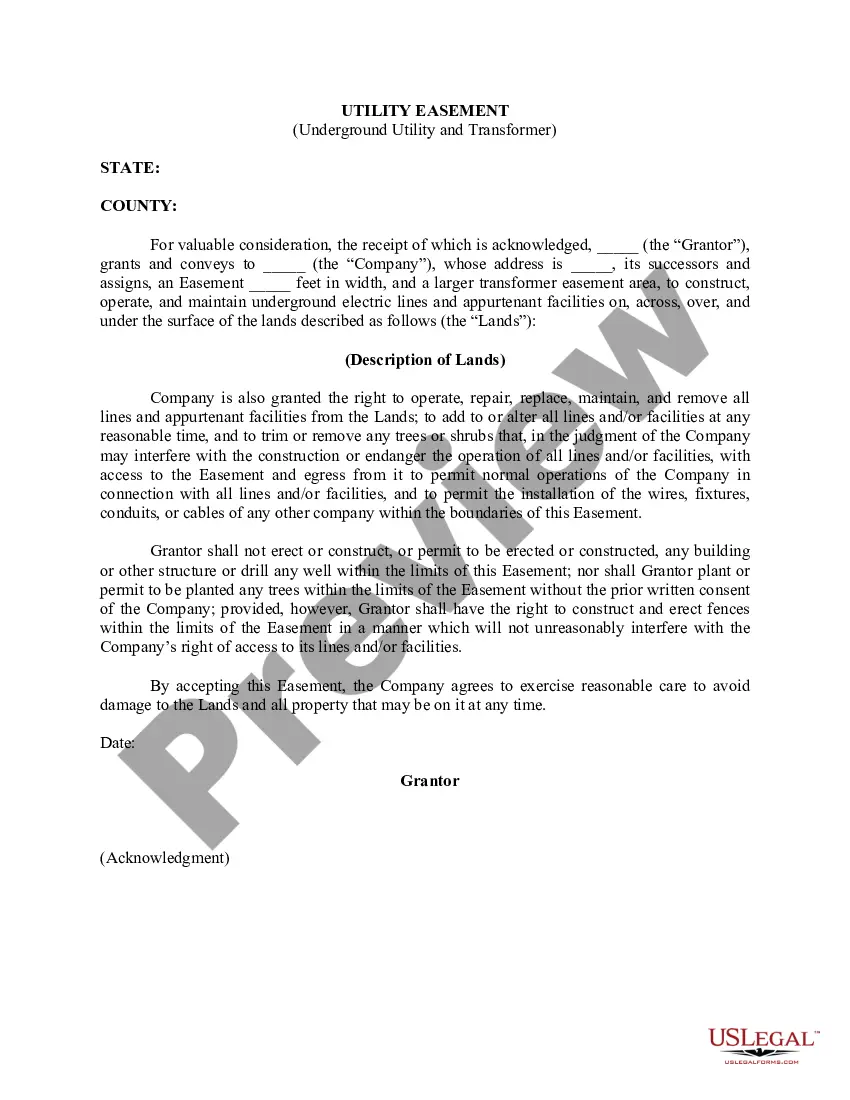
When termed as a utility easement, it means a utility company's right to access and control the portion of another person's land that is located near utility facilities and structures (i.e. utility poles, transformers, overhead or underground electrical lines).
While it's possible to build a fence on an easement, keep in mind that the utility company may take the fence down in order to use the easement. However, they will typically repair the fence as best as they can once their work is finished. You can also build pools and hot tubs on easements.
Yes, you can build on a property easement, even a utility easement. Yet if you value peace of mind over everything else, not building on that easement is the best way to go. The dominant estate owning the easement may need to access the easement.
An easement may be recorded in the public real estate records or other regulatory agency records; however, an easement may exist without recordation. Consequently, it is necessary to carefully physically inspect the land in question to determine if there are easements.