Sometimes you can negotiate easement terms, especially if it’s a new agreement. However, existing easements are usually set in stone, so it’s best to talk it out with the utility company to see what's possible.
Utility companies have the right to access the easement area to install power lines, make repairs, or conduct maintenance work. This means they can come onto your property, but they must typically notify you beforehand.
If you think an easement line is wrongly placed, it’s a good idea to contact your utility company for clarification. They can help rectify any misunderstandings.
You can find out about easements by checking your property deed, or you can contact your local city planning department or utility company for more details.
Generally speaking, you shouldn't build on an easement. If you do, the utility company could request its removal, and you might end up facing legal trouble.
Knowing about utility easements is important because they can affect how you use your property. If there's an easement, certain areas might be off-limits for building or landscaping.
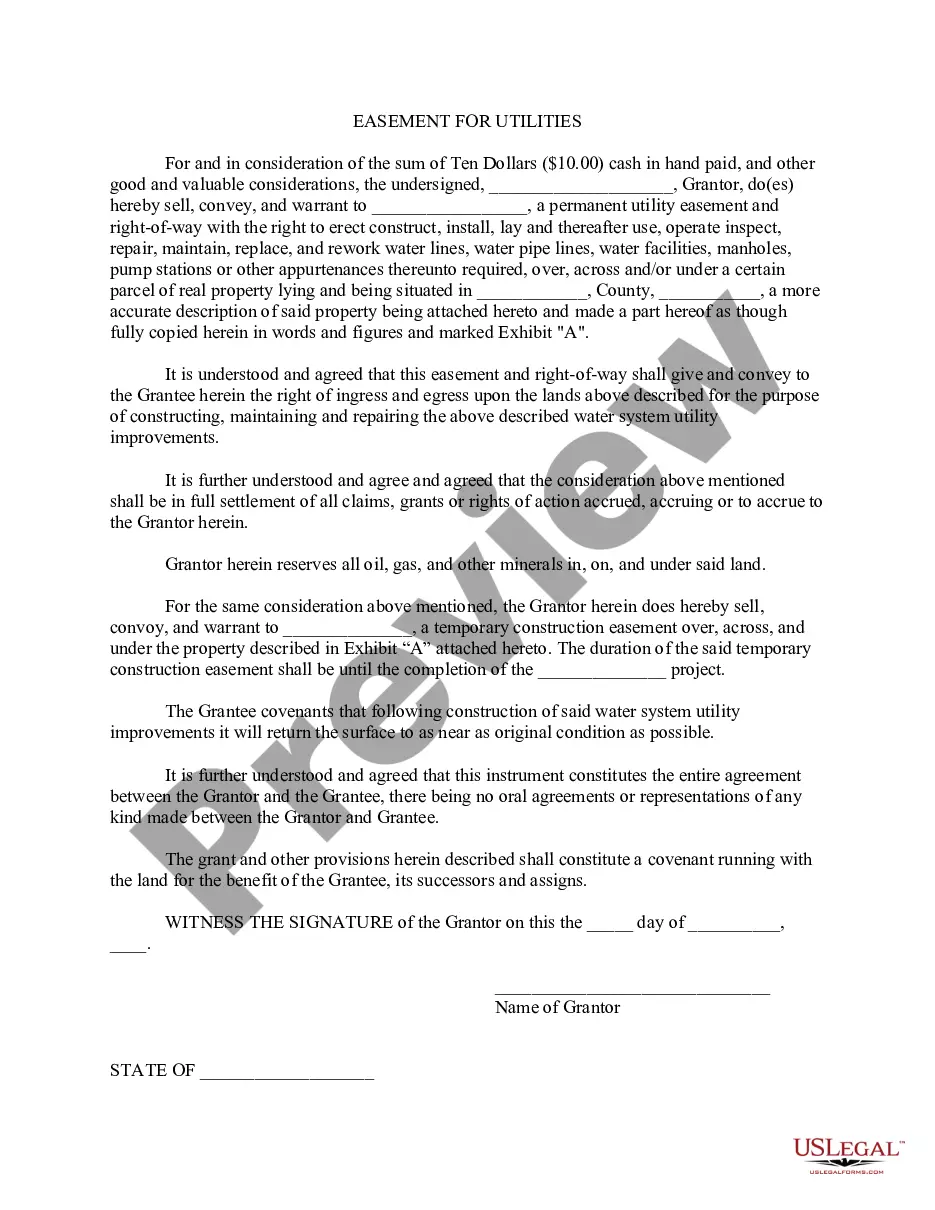
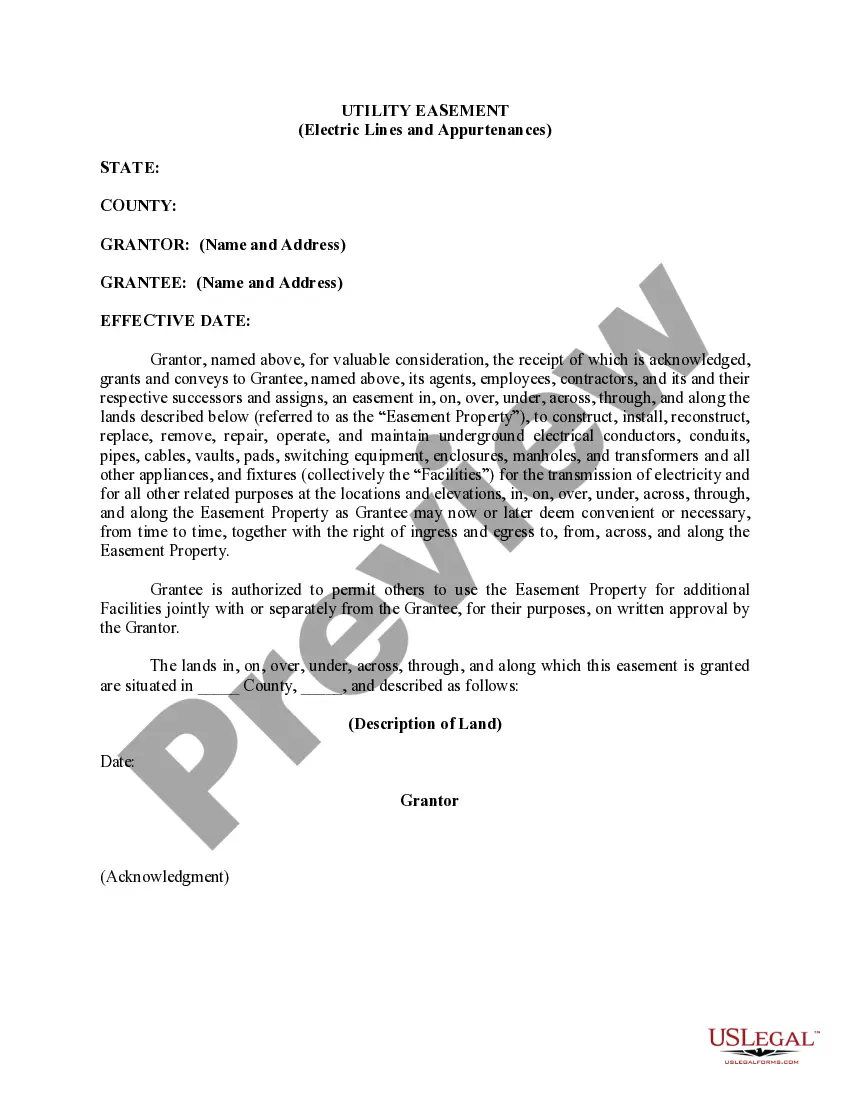
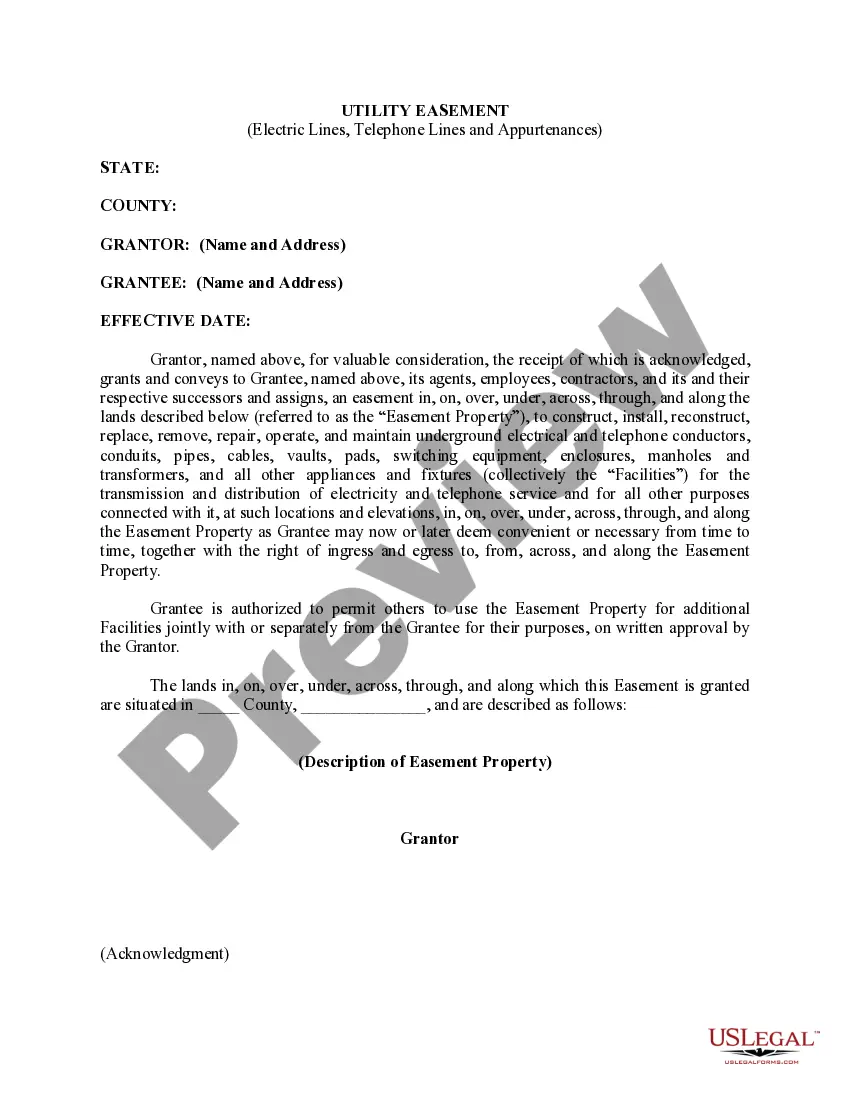
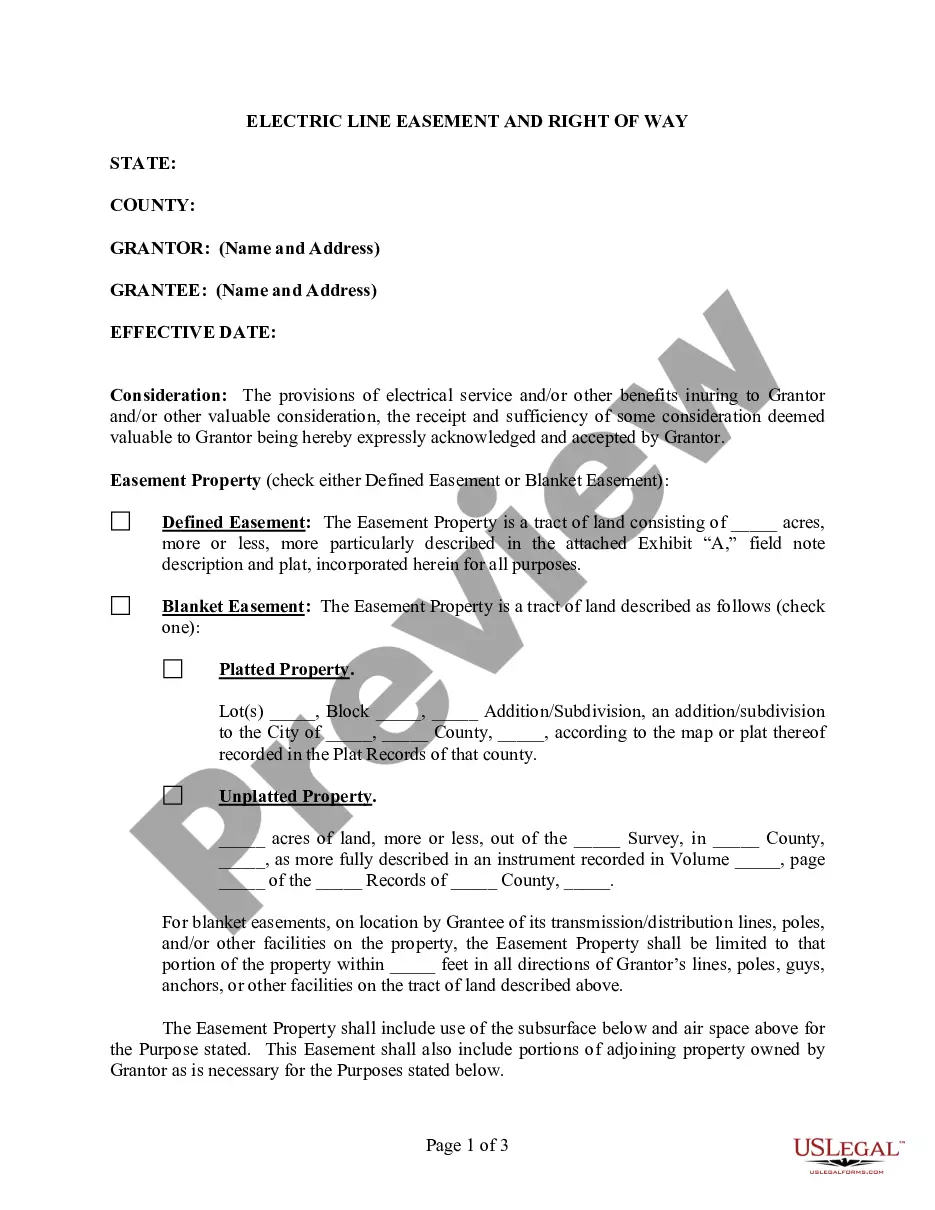
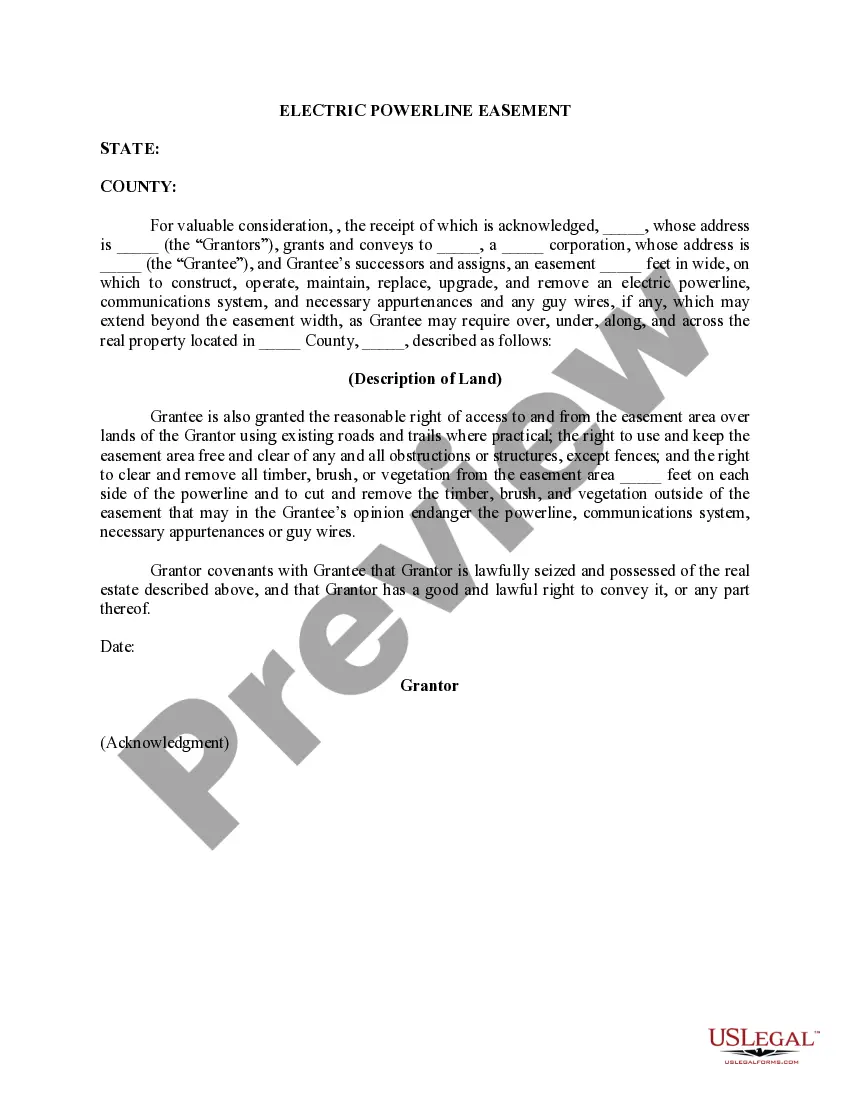
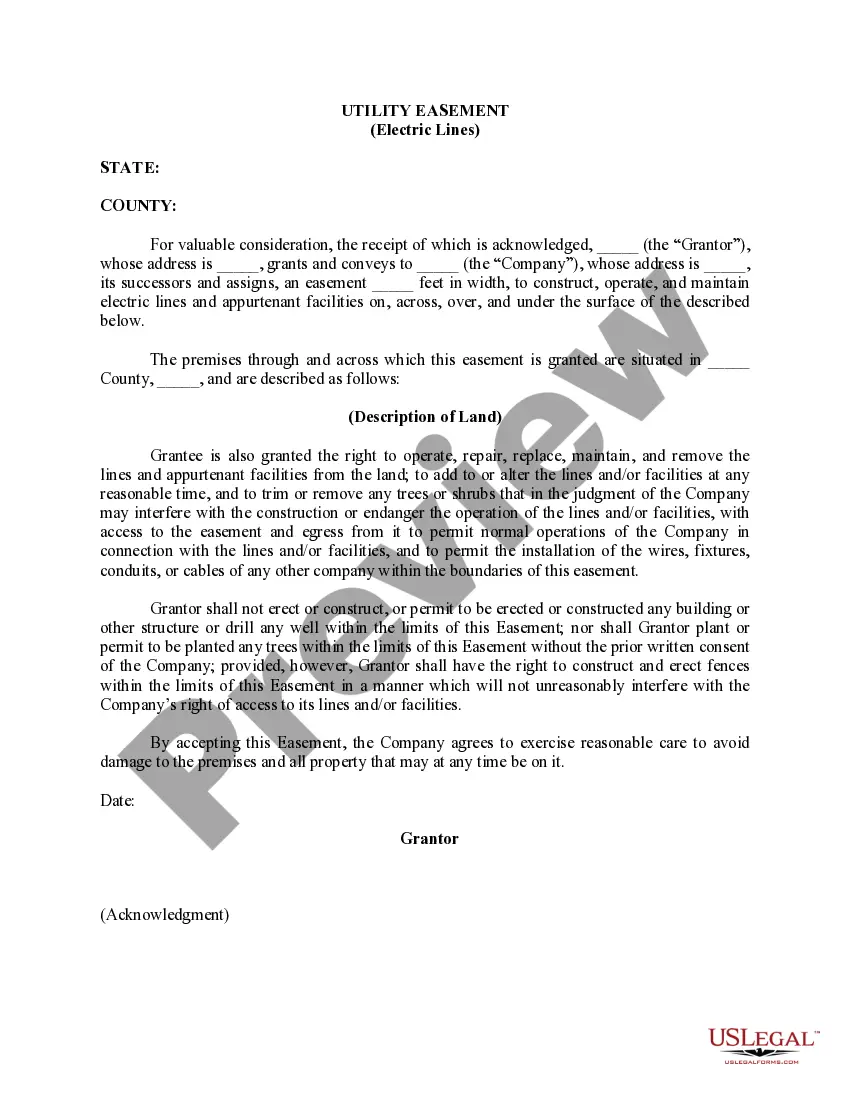
A utility easement for electric lines is a legal right that allows utility companies to access a specific piece of land to install, maintain, and repair electric power lines and equipment.