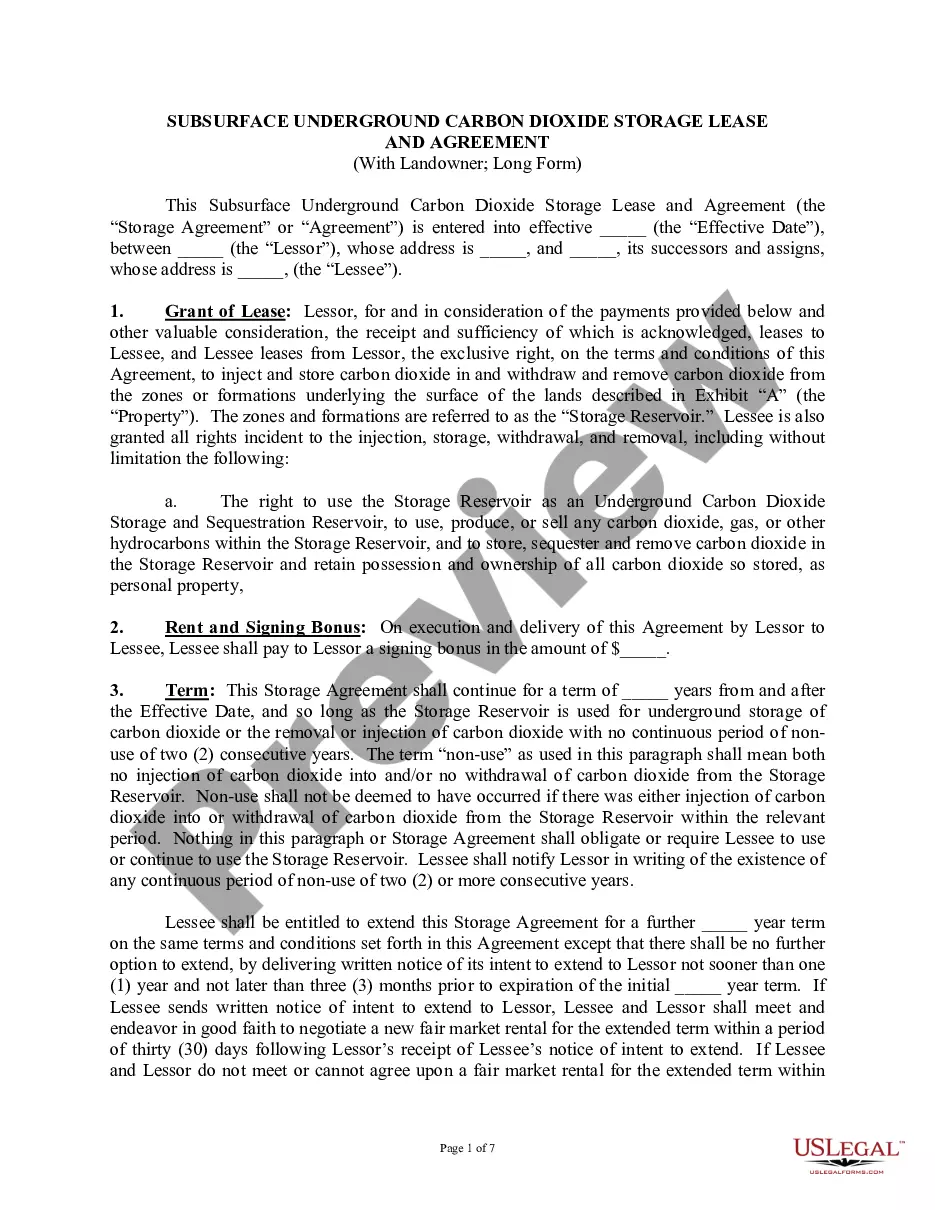
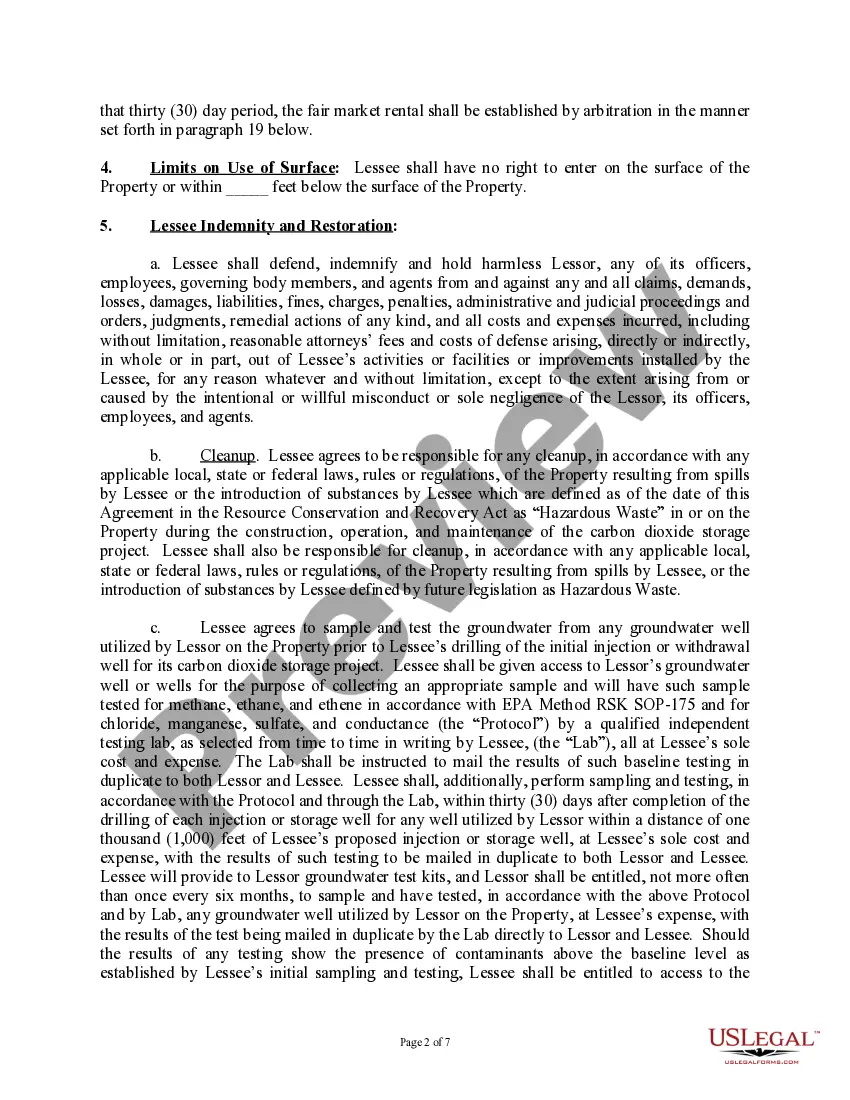
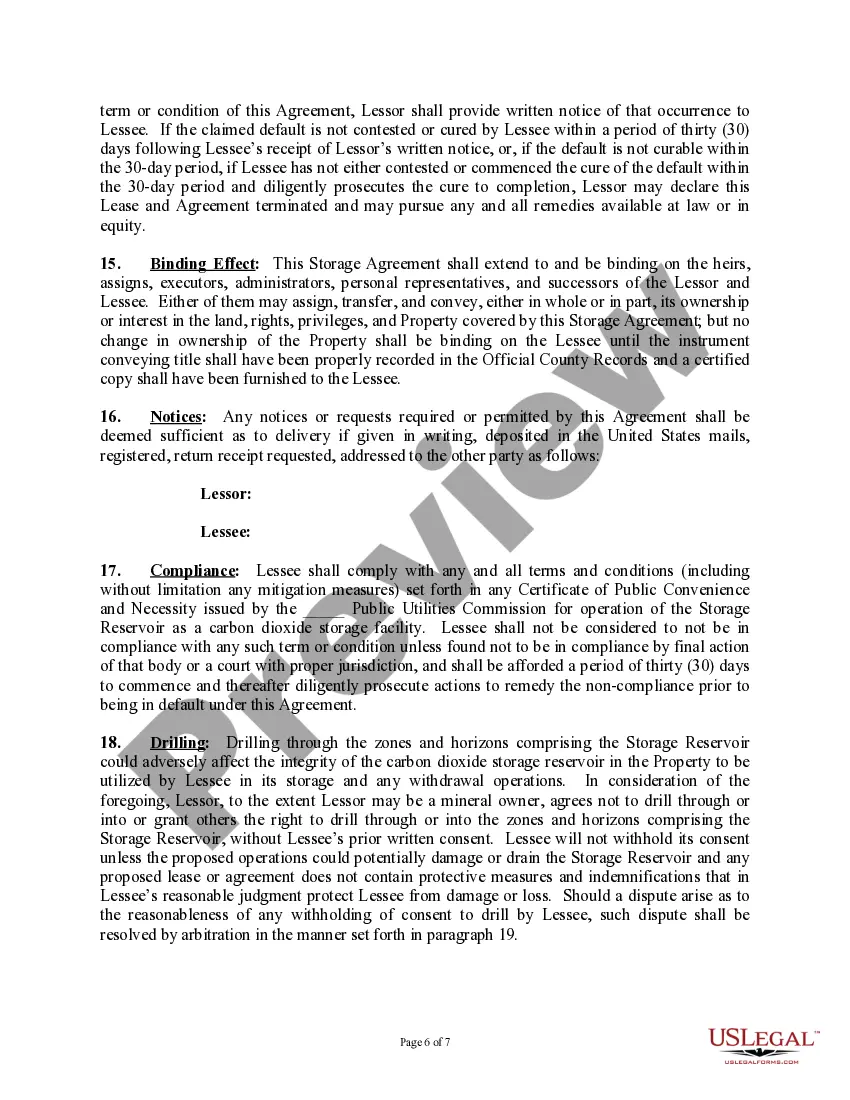
Typically, the company that stores the carbon is responsible for monitoring and maintaining the site throughout the duration of the agreement. They must adhere to safety standards to ensure everything runs smoothly.
While carbon dioxide storage is intended to be safe, there are concerns about potential leaks or changes to groundwater. However, strict regulations and monitoring practices are in place to minimize these risks and ensure safety.
Yes, landowners usually receive compensation for permitting the use of their land for carbon storage. This can be in the form of lease payments, but the specific terms should be clearly outlined in the agreement.
Lease agreements for carbon storage can vary in length, but they often last several decades. It's a long-term commitment, so it's essential to think about how it aligns with your future plans.
Before signing anything, it's wise to consider the potential impacts on your land, any risks involved, and how it might affect your property value. Always do your homework and make sure you're fully informed.
This storage is crucial because it helps combat climate change by reducing greenhouse gases in the atmosphere. Seattle is focusing on sustainability, and finding ways to store carbon can be a significant step towards cleaner air.
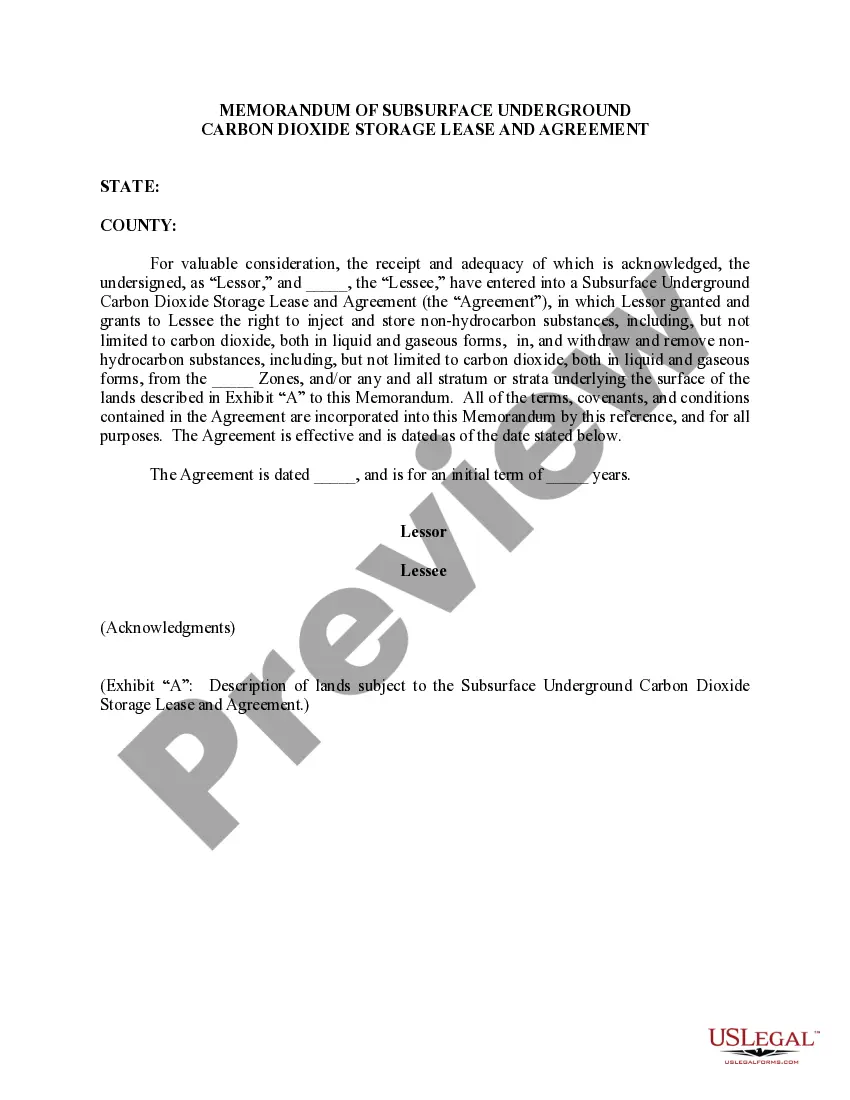
Subsurface underground carbon dioxide storage is a method used to store CO2 deep underground to prevent it from entering the atmosphere. The process involves capturing CO2 from various sources, compressing it, and injecting it into geological formations where it can be safely kept.